
Coffee prices today, March 25, 2025: Slight and scattered decreases.
Domestic coffee prices today, March 25th, are at 132,900 - 134,000 VND/kg. Prices have decreased slightly by 100 VND/kg compared to yesterday. Vietnam's coffee exports exceeded 2.2 billion USD.
Domestic coffee prices today
Domestic coffee prices in the Central Highlands region today, March 25, 2025, increased slightly compared to yesterday, fluctuating between 132,900 and 134,000 VND/kg.
Accordingly, traders in Dak Nong province are buying coffee at the highest price of 134,000 VND/kg. This remains unchanged from yesterday.
Coffee prices in Dak Lak province are at 133,800 VND/kg, a slight decrease of 100 VND/kg compared to yesterday.
Similarly, coffee prices in Gia Lai province decreased by 100 VND/kg and are trading at 133,800 VND/kg.
In Lam Dong province, coffee prices remained unchanged at 132,900 VND/kg.
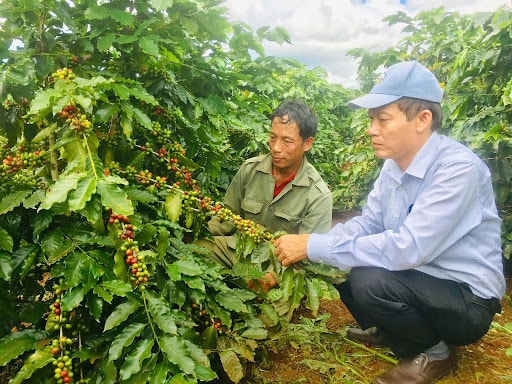
In Vietnam, coffee exports are showing positive signs. In the first half of March, export volume reached nearly 94,000 tons with a value of over $544 million, a significant increase in both volume and value compared to the previous month. Since the beginning of the year, total coffee exports have exceeded 406,000 tons, reaching a value of over $2.2 billion.
According to the Vietnam Coffee and Cocoa Association, the export price of Arabica coffee has exceeded US$6,800 per ton – the highest level ever. Meanwhile, Robusta coffee also reached nearly US$5,400 per ton; despite a decrease in production, the high price has resulted in a more than 30% increase in export value.
The main reasons driving up coffee prices are reduced global supply, cautious sales by domestic farmers, and a shortage in the world market. Vietnam is actively developing high-quality raw material areas in the Central Highlands, aiming for an annual revenue of $20 billion from the coffee industry.
Conversely, the cocoa market is experiencing a downward trend. Cocoa prices fell 1.3% last week, closing at $7,765 per ton. In the final trading session of the week, prices dropped sharply by nearly 3.8%. From its historical peak of $12,193 per ton in December 2024, cocoa prices have fallen by more than 36%, indicating a significant market correction after a period of rapid growth.
World coffee prices today
Coffee prices on the world market are also subject to many fluctuations:
Robusta coffee (London):
Delivery in May 2025: Decreased by $7/ton, to $5,508/ton.
July 2025 delivery: Decreased by $4/ton, to $5,500/ton.
Arabica coffee (New York):
May 2025 delivery: Up 2 cents/lb, to 393.4 cents/lb.
July 2025 delivery: Up 2 cents/lb, to 387.3 cents/lb.
In Brazil, climate change continues to negatively impact coffee production this year. Cooxupé – the country's largest coffee cooperative – reported that a 40-day drought coupled with high temperatures severely affected coffee plant growth. Initially, the situation was promising, but the subsequent adverse weather conditions have cast a pessimistic outlook for the harvest.
Cooxupé leaders believe the impact of this drought is irreversible. Temperatures exceeding 32°C mean that coffee plants will need up to a week to recover even with sufficient water.
However, the weather in February 2025 will be even harsher than in November 2023 – precisely during a crucial period of crop development, causing slow growth and fewer branches. This will not only affect the current crop but also extend into 2026-2027.
Meanwhile, a report from Rabobank offered a less pessimistic outlook. They stated that although February was dry, rain returned in mid-March, contributing to an improvement in the situation. They predicted continued favorable weather conditions in the coming period, supporting the development of coffee beans.
Statistics show that in February, Brazil exported 3.3 million bags of coffee, down 18% from the previous month and down 10% from the same period last year. For the first two months of 2025, total coffee exports reached 7.3 million bags, down 5.4% from the same period last year. The decline in exports was anticipated due to low domestic inventories in Brazil, which may persist until the new harvest begins.


