
Malaysian palm oil prices rose for the second consecutive session, reaching 4,591 ringgit per ton.
Palm oil futures prices in Malaysia rose more than 2% due to a rebound in the global vegetable oil market, a weakening ringgit, and expectations of demand from biofuels.
Malaysian palm oil futures recorded their second consecutive day of gains on March 12, closely following the upward trend of vegetable oils on the Dalian and Chicago exchanges. Support from crude oil prices and a weakening ringgit contributed to strong buying in international commodity markets.
Palm oil price trends on the Bursa Malaysia and international exchanges.
At the close of morning trading, the May 2026 FCPOc3 palm oil contract on the Bursa Malaysia exchange rose 92 ringgit, or 2.04%, to close at 4,591 ringgit (US$1,169.38) per ton. During the session, the price briefly reached a high of 4,628 ringgit per ton. By lunchtime, the price had maintained its upward momentum, rising 1.84% to 4,582 ringgit (US$1,166.5) per ton.
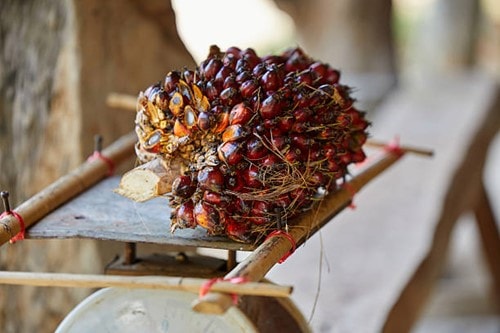
The global palm oil market is being positively influenced by the rising prices of substitutes. Specifically, on the Dalian exchange, soybean oil prices increased by 2.21% and palm oil by 3.55%. In Chicago, soybean oil prices also recorded a 1.18% increase.
Key factors affecting the market
The upward trend in palm oil prices during this session was bolstered by three key factors:
- Foreign exchange rates:The Malaysian ringgit fell 0.38% against the US dollar, making palm oil cheaper for international buyers and boosting demand.
- Energy prices:The ongoing conflict in the Middle East has disrupted global crude oil supplies, causing oil prices to surge. This has made palm oil a more attractive option for biodiesel production.
- Biofuel demand:Indonesia, the world's largest palm oil producer, is accelerating road trials of its B50 biofuel (a blend of 50% palm oil) to address risks to crude oil supply and rising logistics costs.
Risks from transportation costs and export taxes
Despite the price increase, the market still faces challenges as shipping and insurance costs have risen by up to 50% due to ships being forced to take longer routes to avoid conflicts. This could lead to inventory buildup in Indonesia and put pressure on prices in the future as demand from India and China shows signs of shortage.
In Malaysia, the Palm Oil Board raised its April benchmark price for crude palm oil to 3,935.19 ringgit (US$1,002) per ton. This change increased the export duty to 9.5%, compared to 9% in March.
Short-term trend forecast
From a technical analysis perspective, Reuters expert Wang Tao believes that palm oil prices may experience a slight correction to the 4,494-4,514 ringgit/tonne range before retesting the 4,616 ringgit/tonne support level. Overall, the current upward trend remains heavily dependent on crude oil price movements and regulatory policies from major producing countries such as Indonesia and Malaysia.


