
Oil prices break records at $126 a barrel, Trump threatens months-long blockade of Iran.
The global energy market was shaken on April 30th as crude oil prices surged to their highest level in four years. This was directly caused by US President Donald Trump's announcement to extend the blockade of Iranian ports for several months, while also leaving open the possibility of resuming military operations.
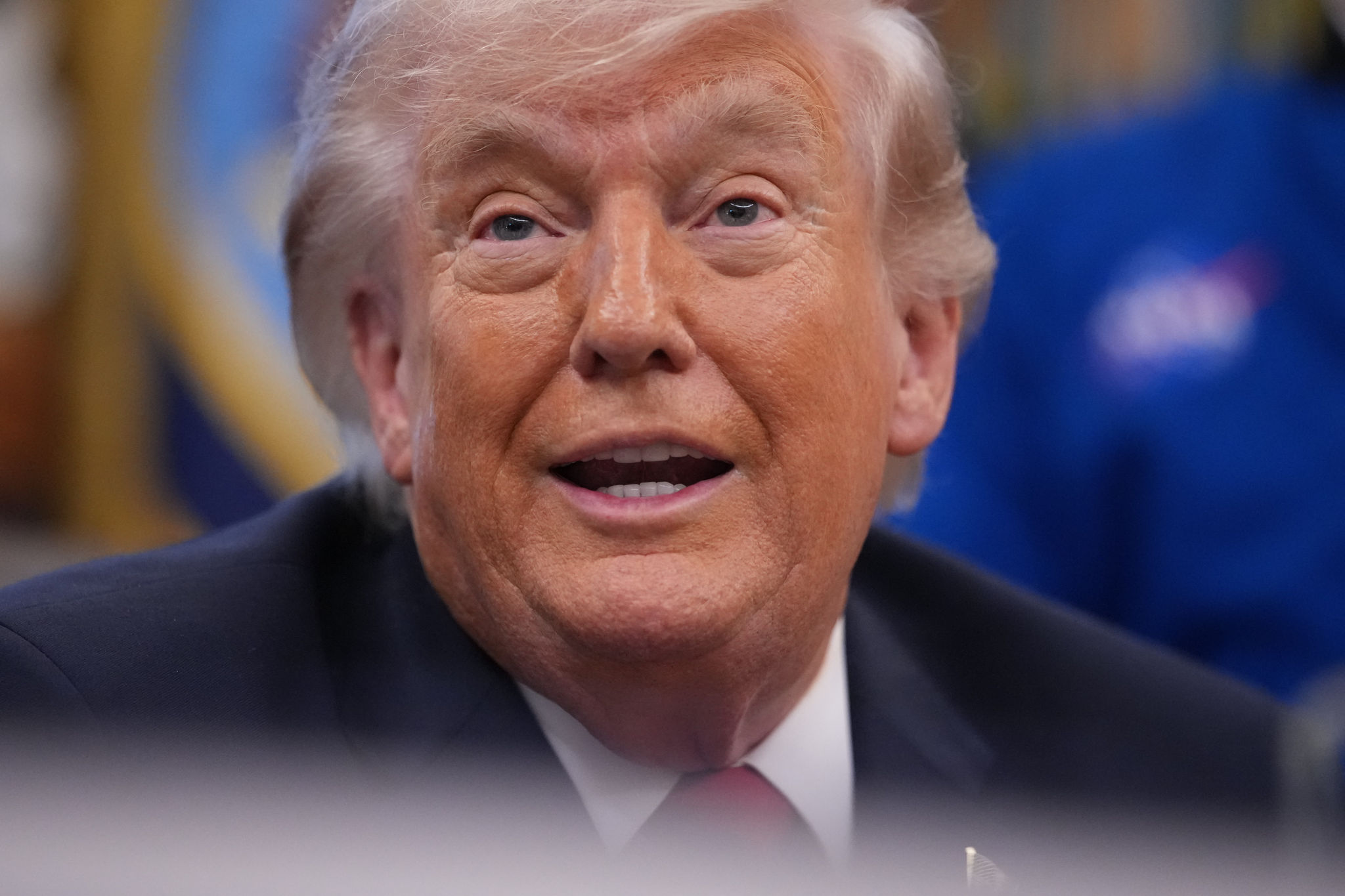
Concerns about the possibility of a prolonged closure of the Strait of Hormuz have driven oil prices skyrocketing. At the close of Asian trading on the afternoon of April 30th, Brent crude for June delivery surged 7.1%, surpassing the $126/barrel mark (reaching $126.41) – its highest level since 2022. West Texas Intermediate (WTI) crude also rose 3.4% to $110.31/barrel.
According to analysts, instead of expecting a quick solution, the market is beginning to price in a prolonged crisis. Stocks in a number of major Asian markets such as Tokyo, Hong Kong, and Seoul all fell by more than 1%. The US dollar continued to appreciate as it is seen as a safe haven.
According to sources from Axios, President Donald Trump is expected to hold a face-to-face meeting on April 30th with Admiral Brad Cooper, Commander of the U.S. Central Command (CENTCOM), to receive a briefing on new military action scenarios.
This move suggests the White House is considering resuming major military operations, which were suspended more than three weeks ago to facilitate negotiations, in order to break the current deadlock or deliver a decisive blow.
Earlier, at a meeting with oil industry executives, Trump instructed national security officials to prepare for a long-term blockade to force Tehran to abandon its nuclear program. On the social media platform Truth Social, Trump posted a picture of himself holding a rifle along with a tough message: "No more concessions!", and emphasized that the naval operation would not stop until the US reached a new nuclear agreement.
On the ground, CENTCOM announced it had achieved a "significant milestone" by successfully intercepting the 42nd commercial vessel attempting to violate the blockade. An estimated 41 ships carrying 69 million barrels of Iranian oil (worth over $6 billion) are currently being held by the US, preventing their export.
Despite pressure, Iranian President Masoud Pezeshkian has warned that the US naval blockade is certain to fail.
"Any attempt to impose restrictions or a maritime blockade is contrary to international law and is certain to fail," Pezeshkian declared, emphasizing that the US actions since mid-April are disrupting long-term stability in the Gulf region.
In response, the Islamic Republic continues to maintain tight control over the strategic Strait of Hormuz. Tehran had previously proposed easing control of the strait if Washington lifted the blockade and engaged in broader negotiations. However, the Trump administration insisted that Iran's nuclear program remain a core condition on the negotiating table.
Iranian Parliament Speaker Mohammad Bagher Ghalibaf accused the US blockade of aiming to create division and "cause us to collapse from within."
While the Iranian economy falters and the rial plummets to historic lows, Trump is also facing domestic political pressure as the protracted conflict raises costs for American consumers and creates uncertainty for allies.


