
Rural workforce aging - Part 3: Modern agriculture and solutions for retaining young workers.
The aging rural workforce is a clear reality in many rural areas of Nghe An province. However, this does not mean accepting abandoned farmland or allowing elderly farmers to become exhausted in the fields. Faced with this challenge, the province is gradually addressing the "bottlenecks" with a new agricultural economic mindset: land consolidation to free up labor, promoting the application of technology to attract young people back to farming, and building sustainable social security.
.png)
Content:Xuan Hoang - Van Truong - Phu Huong;
Design:Huu QuanMay 21, 2026
The aging rural workforce is a common reality in many rural areas of Nghe An province. However, this does not mean accepting abandoned farmland or allowing elderly farmers to become exhausted in the fields. Faced with this challenge, the province is gradually addressing the "bottlenecks" with a new agricultural economic mindset: consolidating land to free up labor, promoting the application of technology to attract young people back to farming, and building sustainable social security.

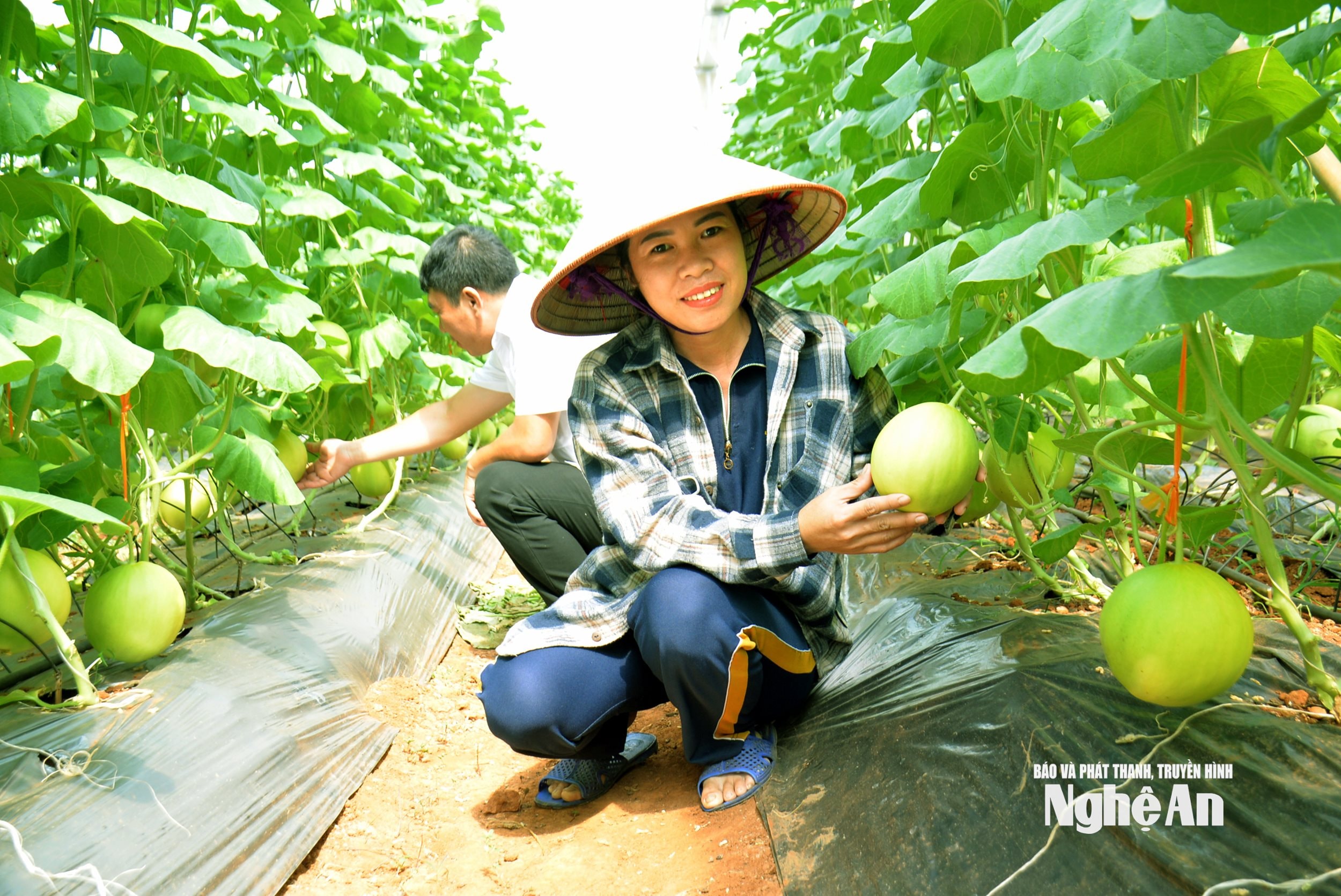
Amidst the dwindling number of young people in rural villages, the decision of Nguyen Van Dat (born in 1992, Hung Nguyen Nam commune) to "leave the city for the countryside" has become a noteworthy model of new agricultural economic thinking. Formerly a construction engineer working for a foreign company with a salary of over $1,000 per month, Dat decided to leave the city and return to his hometown to engage in agriculture. With his knowledge, technology, and the support of the government, he is realizing his dream of sustainable wealth creation on his native land.
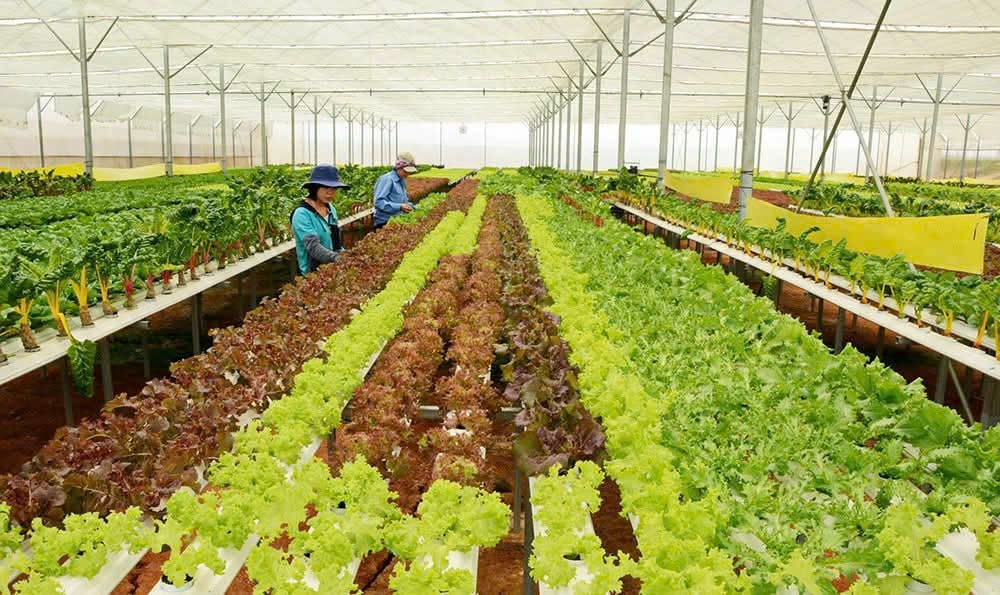
Leaving behind the farming method dependent on "God's grace," Mr. Dat chose a more difficult but sustainable path: renting land, investing in 5,000m² of modern greenhouses, and independently researching and installing an automatic irrigation and fertilization system. In the farm of the VNC VFRESH GARDEN Cooperative, rows of bell peppers, baby cucumbers, tomatoes, etc., grow in an environment with tightly controlled temperature and humidity, almost "immune" to the hot, dry winds of Laos and the scorching sun of Central Vietnam. The results are clear: Each pepper plant yields an average of 2kg of fruit; organic produce is always in high demand even before harvesting, despite selling at 70,000-90,000 VND/kg, much higher than the market price.
Dat's model proves that fields are only truly deserted when there is a lack of technology and innovation. When agriculture becomes an attractive economic sector, the wave of migration may reverse, opening up opportunities for rural rejuvenation through knowledge and innovation.
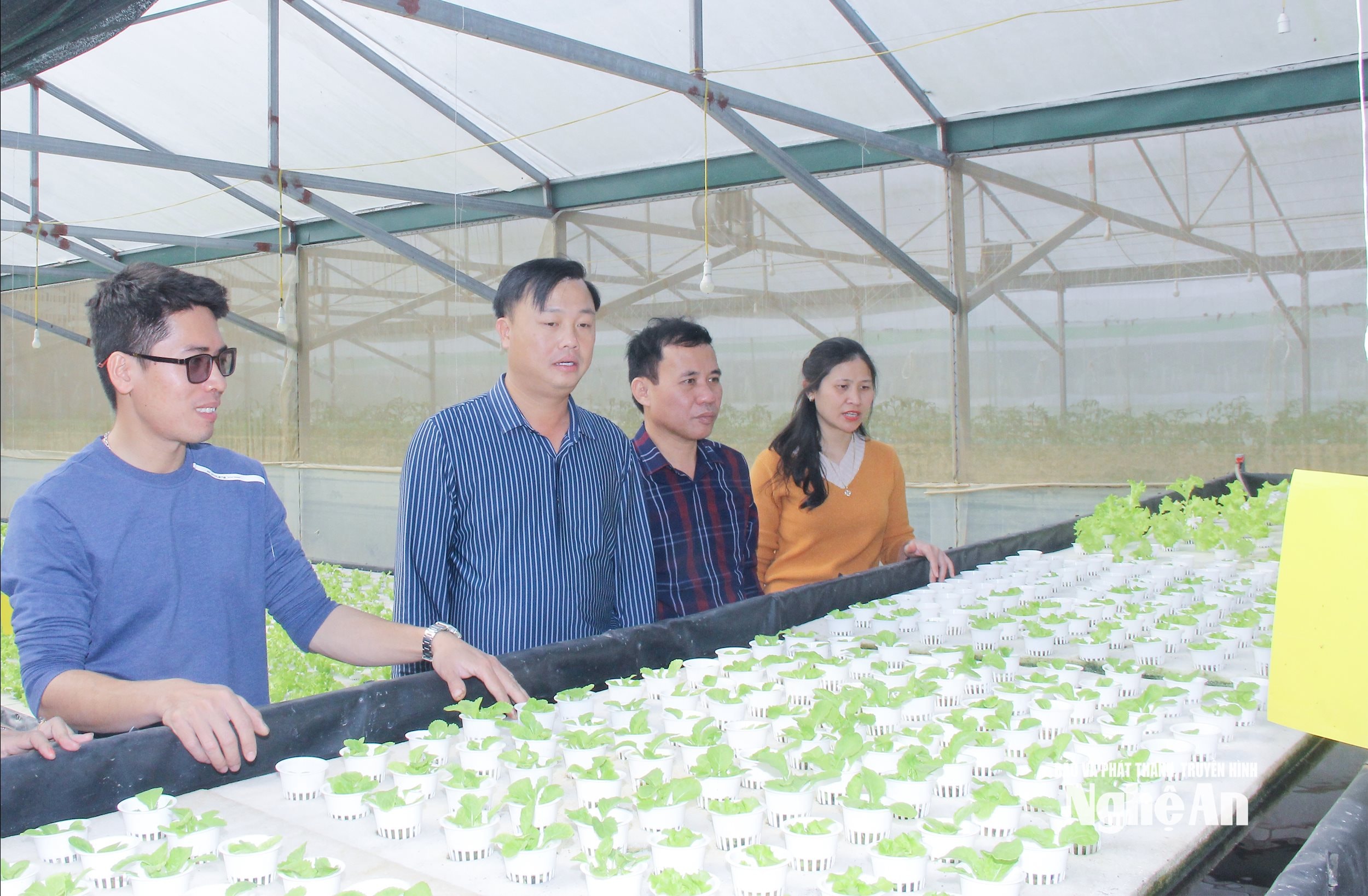
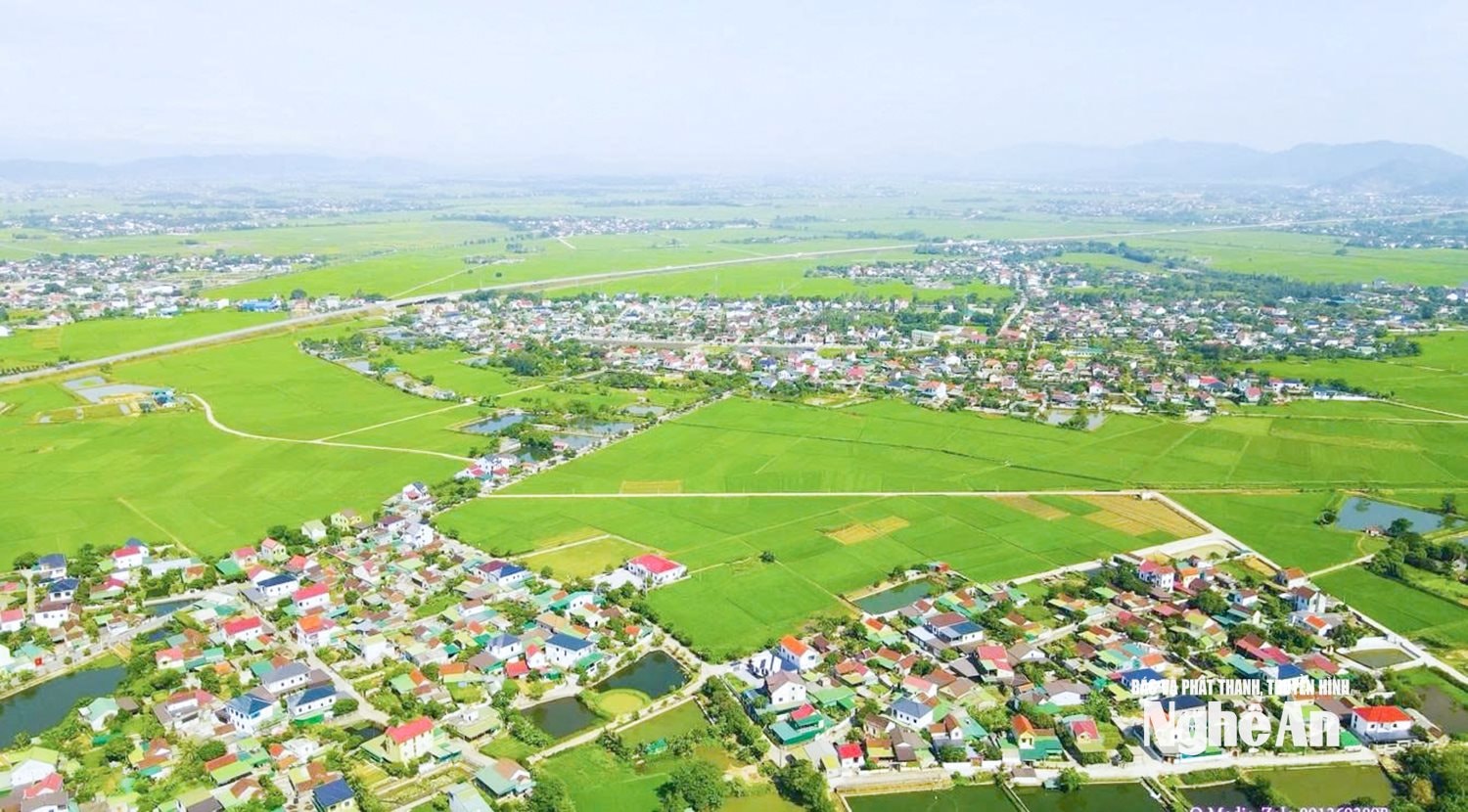
Ms. Phan Thi Giang, an official from the Economic Department of Hung Nguyen Nam commune, said: "The entire commune has over 1,100 hectares of rice fields, and in addition, there are 5 high-tech greenhouse models for producing vegetables and fruits. The introduction of complete mechanization in land preparation and harvesting has significantly contributed to solving the problem of aging labor and labor shortages in the area. But it is these high-tech greenhouses, with support from the State, that have brought about a very clear change to the rural agricultural economy," Ms. Giang shared.
In Nguyen Van Dat's success, timely support from the government played a crucial role. Right from the start of his business in 2021, he was given the opportunity to lease 5% of the land to develop a high-tech agricultural model. During the most difficult period, when the investment cost for the greenhouse reached 700 million VND, Mr. Dat received 200 million VND in support from the district and 300 million VND from the province. "Not only did it solve the capital problem, but it also provided moral support, allowing me to confidently continue in this profession," he shared. In 2024, the cooperative's key products continued to receive support in developing QR codes for traceability, opening up a sustainable path for local agricultural products.
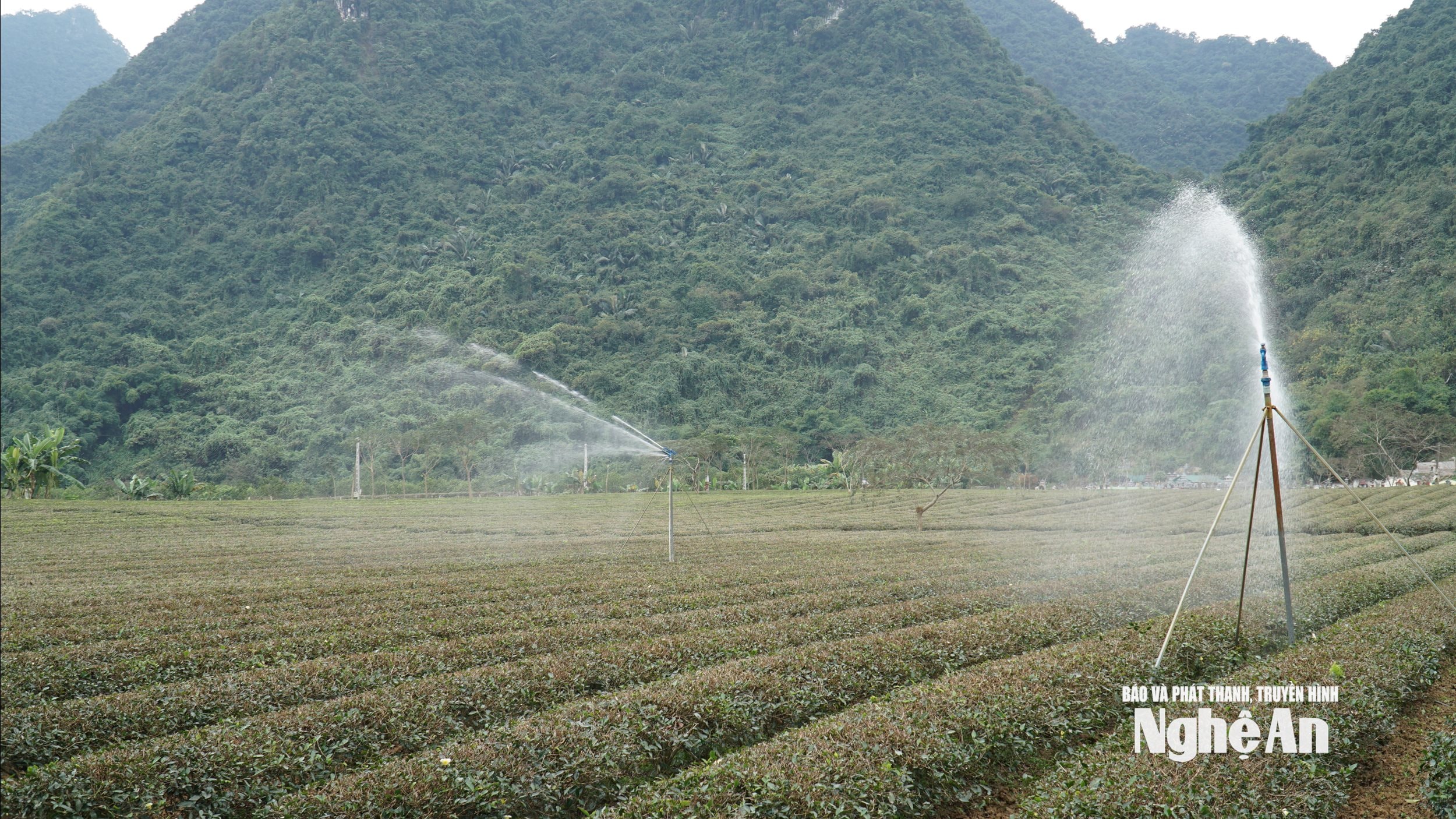
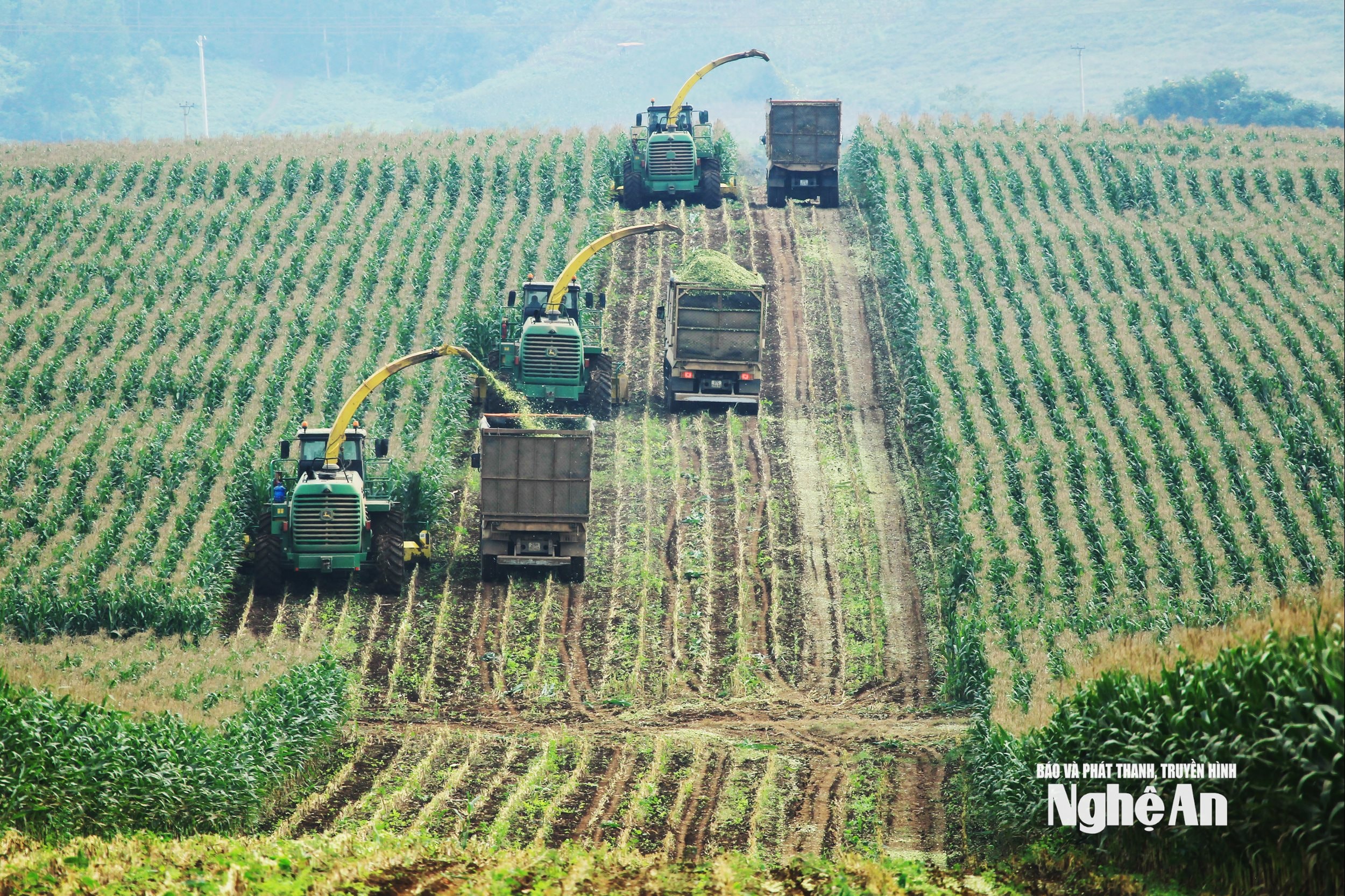
Currently, Nghe An province has 101 cooperatives applying high technology to production; it is expected that an additional 49 cooperatives will adopt high technology during the 2026-2030 period. The province currently has approximately 1,200 agricultural production models in greenhouses and net houses, covering a total area of nearly 350 hectares. These models are equipped with integrated drip irrigation systems, saving water, reducing labor costs, and improving pest control.

In Nghe An province, the aging of the rural workforce is becoming increasingly evident as young people migrate strongly to industrial zones such as VSIP and WHA. Discussing the impact of this issue on current agricultural development, the Chairman of the Provincial Farmers' Association, Nguyen Viet Hung, expressed his concern: This has created a real "bottleneck" in the implementation of scientific and technological advancements in production.
“The biggest challenge right now is the digital transformation and innovation in agriculture. Accessing digital platforms, using smart devices, or applying high technology requires sharp thinking and the ability to adapt quickly – which is a strength of young people. When the main workforce lacks innovative thinking, the transformation of crop and livestock structures becomes slow and lacks breakthroughs. Farmers still have a reluctance to change, maintaining traditional farming methods, making it difficult for new varieties, no matter how promising, to be fully utilized,” Mr. Nguyen Viet Hung emphasized.
The consequences of this situation are that the productivity, quality, and economic efficiency of agricultural production are not commensurate with their potential. Especially in the context of the complex changes in climate today, without innovation to adapt, agricultural production will become even more risky. The shortage of skilled labor not only slows down the modernization process but also makes it difficult for Nghe An's agricultural products to meet the stringent standards of the market. This is a difficult problem requiring fundamental solutions regarding vocational training and attracting young talent.
According to Mr. Nguyen Viet Hung, Director of the Department of Internal Affairs, the fundamental solution to encourage young people to return to their hometowns is to create local jobs. The government needs policies to attract businesses to invest in industrial zones and clusters, so that workers can work near home, have stable incomes, and take care of their families. Along with that, it is necessary to develop cooperatives and associations, expand traditional craft village models, and encourage businesses to invest in high-tech agriculture, creating jobs for agricultural workers. The ultimate issue remains income. When young people have stable jobs and income, they will have a reason to stay or return to their hometowns to start businesses and contribute to the sustainable development of rural areas.
Regarding the reality of an increasingly aging agricultural workforce, Vice Chairman of the Provincial People's Committee Nguyen Van De stated: This is a problem that Nghe An province has clearly identified and has implemented many solutions to gradually address the issue and reduce the negative impacts it brings.
The province has identified promoting the collective and farm economies as the "key" to creating a professional and attractive working environment for young people. With 730 agricultural cooperatives (among the top in the country), Nghe An is forming a solid network of production linkages. In particular, the presence of 101 cooperatives applying high technology and 120 cooperatives owning OCOP products creates ideal conditions for attracting young, knowledgeable workers back to their hometowns to participate in supply chain management and apply science and technology to production.
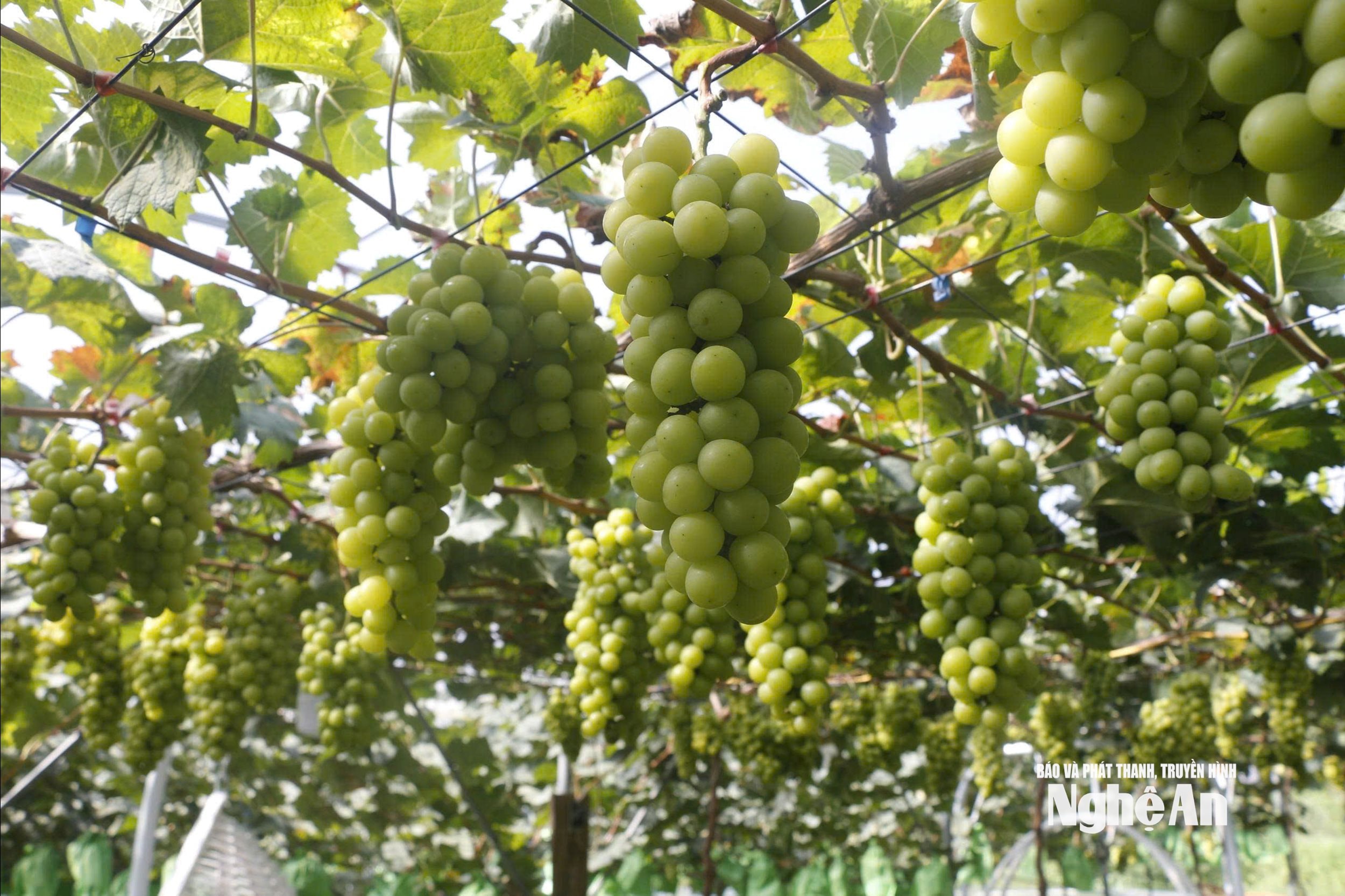
Recognizing businesses as the "core" of the agricultural value chain, Nghe An province has aggressively pursued attracting investment to rural areas, creating strong linkages from production to processing and consumption. Currently, the province has 21 businesses (including 12 local and 9 from outside the province) and 40 cooperatives deeply involved in production linkage projects. This presence not only helps increase the added value of agricultural products but also effectively addresses the issue of local employment.
More importantly, large enterprises, bringing with them modern management processes, stringent international market standards, and advanced processing technology infrastructure, create an ideal environment to attract and retain young workers. Instead of leaving their hometowns, educated young people have the opportunity to start businesses and advance right on their farms as agricultural engineers, supply chain managers, or food technology experts within sustainable supply chain systems. This is the "key" for Nghe An to not only rejuvenate its workforce but also gradually modernize its agriculture towards professionalism and integration.
.jpg)
Most recently, the investment by Dong Giao Export Food Joint Stock Company in a high-tech fruit processing plant (expected to start construction in June) has opened a promising new chapter for local agricultural products. With plans to plant 1,000 hectares of pineapple for a plant with a capacity of 50,000 tons per year, a large value chain is gradually taking shape. This is not only about ensuring a stable market for farmers, but also an attractive "invitation" to young, high-quality labor. Farmers will have the opportunity to collaborate in pineapple cultivation, young people will be able to master technology, participate in the global export market, and sustainably prosper on their ancestral land, transforming the challenge of labor shortage into a competitive advantage of a new knowledge-based agricultural system.
A solid foundation for this trend is the province's supportive policy system. With the effective implementation of Decree 98/2018/ND-CP and Resolution 18/2021/NQ-HĐND, by 2025 Nghe An province had approved 40 production linkage projects covering an area of up to 4,396 hectares, attracting more than 16,000 households. The presence of large enterprises, along with support mechanisms from Resolution 13/2018/NQ-HĐND on consumption linkages and policies on organic agriculture, has yielded positive results, helping the value of products produced through cooperative models reach over 30% by 2025.
Beyond just immediate financial support packages, the province's proactive development of a new policy framework for the 2026-2030 period demonstrates a long-term vision in addressing bottlenecks at the grassroots level. With systematic investment in technological infrastructure and a secure market through strong linkages between farms and businesses, the door for young people to return to their hometowns to start businesses will open wider. They will no longer be forced to leave their homes to make a living, but can become central players in high-tech agricultural cooperatives, continuing family traditions with modern production thinking.
“The aging workforce is a challenge, but it is also a driving force for changing outdated production methods. A sustainable agricultural system is being built from these very changes,” affirmed Vice Chairman of the Provincial People's Committee Nguyen Van De. This is a test that forces a shift in production thinking. When the elderly are provided with suitable livelihoods, and young people have the opportunity to become wealthy through knowledge and technology right on their homeland's farmlands, then rural areas will not only be places to “preserve land,” but will truly become spaces for sustainable development for both the present and the future.
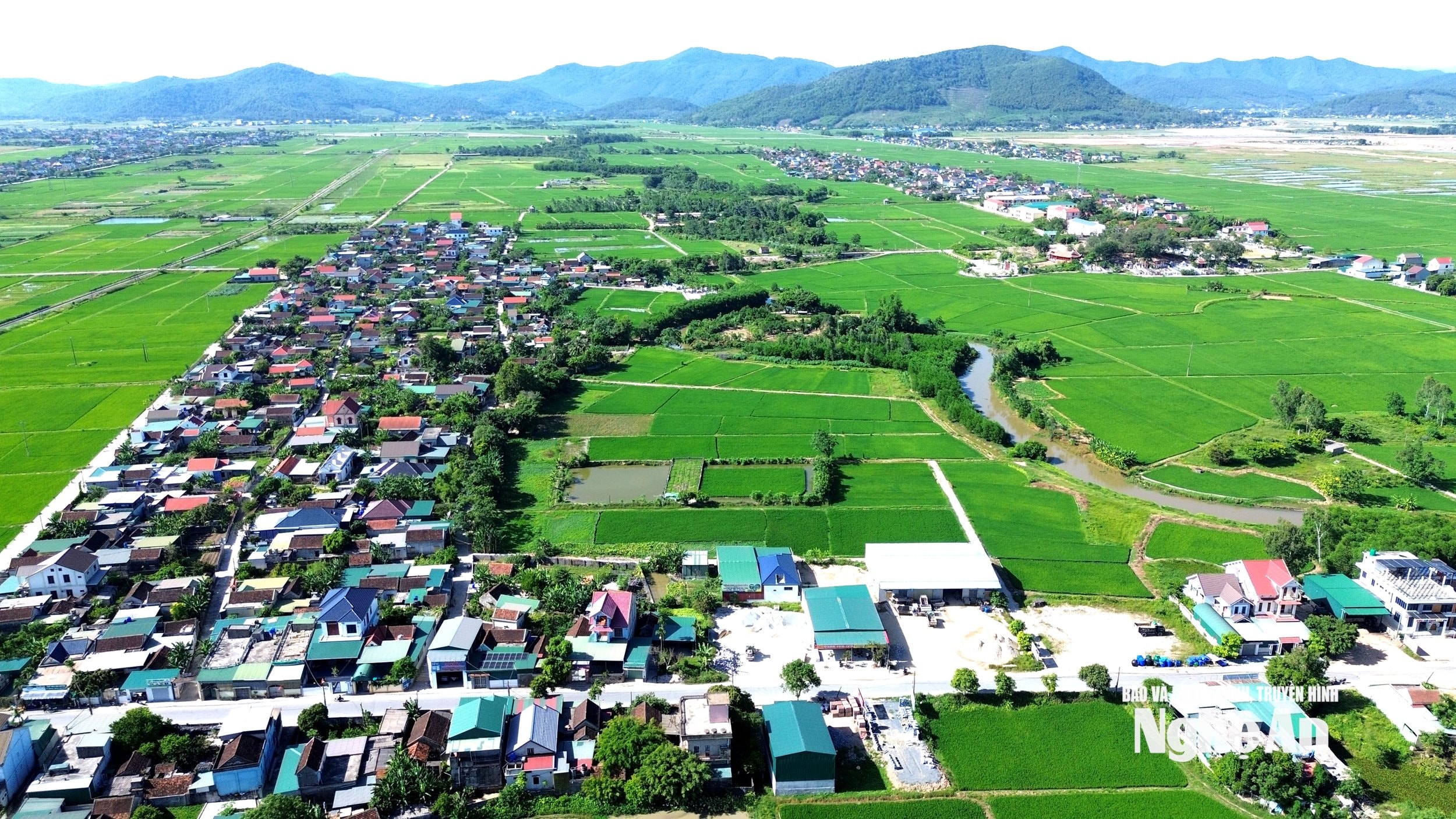
At the scientific seminar "Vietnamese Rural Areas in the New Development Era," Professor Hoang Anh Tuan, Rector of the University of Social Sciences and Humanities, emphasized the importance of transforming production models to integrate with global value chains. According to the Professor, the core objective is to...
Enhancing the competitiveness of agricultural products, focusing on added value rather than simply pursuing quantity.
Dr. Cao Duc Phat, former Minister of Agriculture and Rural Development, believes that rural areas need to create an attractive economic ecosystem to retain young workers. Accordingly, localities should not only rely on traditional agriculture but also develop diverse business models, harmoniously combining agriculture with tourism, services, and processing industries. When agriculture is integrated with multiple values, farmers will not only be involved in raw production but will also directly participate in service chains, attracting businesses to invest in the locality. This model not only helps protect the environment and balance development but also transforms rural areas into "livable" places where young people can find opportunities to start businesses and build long-term lives in their homeland.


