
The price of the iPhone 18 Pro could rise to $1,399 due to escalating hardware component costs.
The increased cost of the A20 Pro processor and LPDDR5X RAM is expected to raise the price of the iPhone 18 Pro series by up to $300, pushing the starting price to $1,399.
Apple's next-generation flagship phone is facing unprecedented pressure for price adjustments. Reports from The Wall Street Journal, along with analysis from expert Jeff Pu, indicate that the starting price of the iPhone 18 Pro and iPhone 18 Pro Max could increase sharply by $250 to $300 compared to the previous generation, primarily due to escalating costs of core hardware components.
Increased production costs for next-generation microprocessors and memory.
The core technical and economic reasons behind this price increase lie in the soaring cost of semiconductor components. To maintain its leading performance, Apple has to allocate a significantly larger budget to the advanced A20 Pro processor, coupled with LPDDR5X RAM and high-capacity NAND memory chips.
According to supply chain analyses, the cost specifically for RAM and NAND storage space this year has increased many times compared to previous generations. In addition, the new generation of camera lenses has also contributed significantly to the increase in the product's input hardware costs.
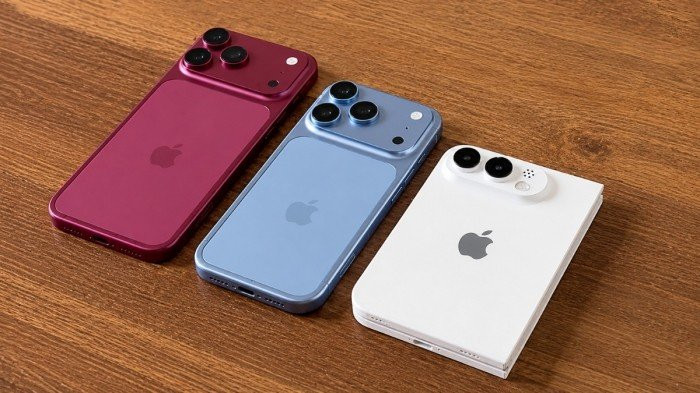
Detailed price forecast for the iPhone 18 Pro and Pro Max
In his latest research report, analyst Jeff Pu predicts that the price adjustment will directly affect the higher-end versions. Specifically:
- iPhone 18 Pro:The expected starting price ranges from $1,349 to $1,399.
- iPhone 18 Pro Max:The top-of-the-line version is expected to have a list price ranging from $1,449 to $1,499.
Although observers had expected Apple to sacrifice some profit margins to maintain competitive pricing, economists argue that persistently high raw material prices are forcing the company to pass on the increased costs to the final retail price.
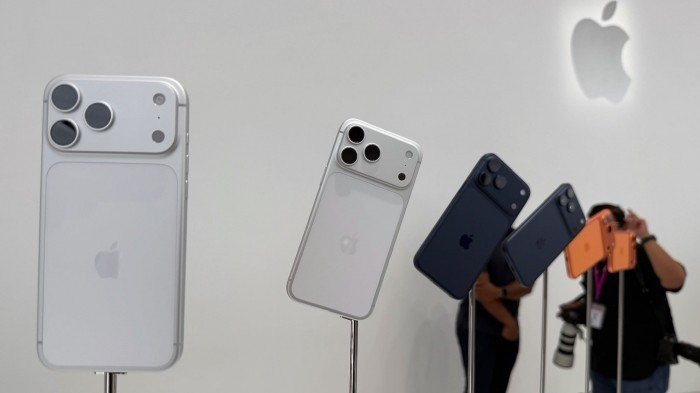
Impact on users' device upgrade cycles.
The predicted price increase is expected to create significant shifts in the consumer market. High-end customers, who are generally less price-sensitive, may not be significantly affected, as they view the device as an essential work tool or status symbol, combined with the strong connection to the Apple ecosystem.
However, for the majority of mainstream users, the starting price of nearly $1,400 may slow down the rate of device upgrades. The trend of keeping older devices for longer or switching to standard models and used devices is expected to increase, potentially causing sales to stagnate in the initial launch phase before stabilizing.


