
The village elders lead the way, setting the example in the Hmong village.
After a simple lunch at the community cultural center of Huồi Cọ village (Nhôn Mai commune), the village elder Và Chắn Dờ insisted on inviting us to visit his small family home. He said, "Come up and see my old peach tree in bloom, then I'll tell you stories about the village..." Amidst the vast mountains and forests of the Nhôn Mai border region, the story of this respected man unfolds in a simple yet enduring way, just as he has quietly maintained the rhythm of change in the village for many years.
.png)
Thanh Phuc - Khanh Ly/Present:Hong Toai• February 2, 2026
---------------o0o---------------
After a simple lunch at the community cultural center of Huồi Cọ village (Nhôn Mai commune), the village elder Và Chắn Dờ insisted on inviting us to visit his small family home. He said, "Come up and see my old peach tree in bloom, then I'll tell you stories about the village..." Amidst the vast mountains and forests of the Nhôn Mai border region, the story of this respected man unfolds in a simple yet enduring way, just as he has quietly maintained the rhythm of change in the village for many years.
.png)
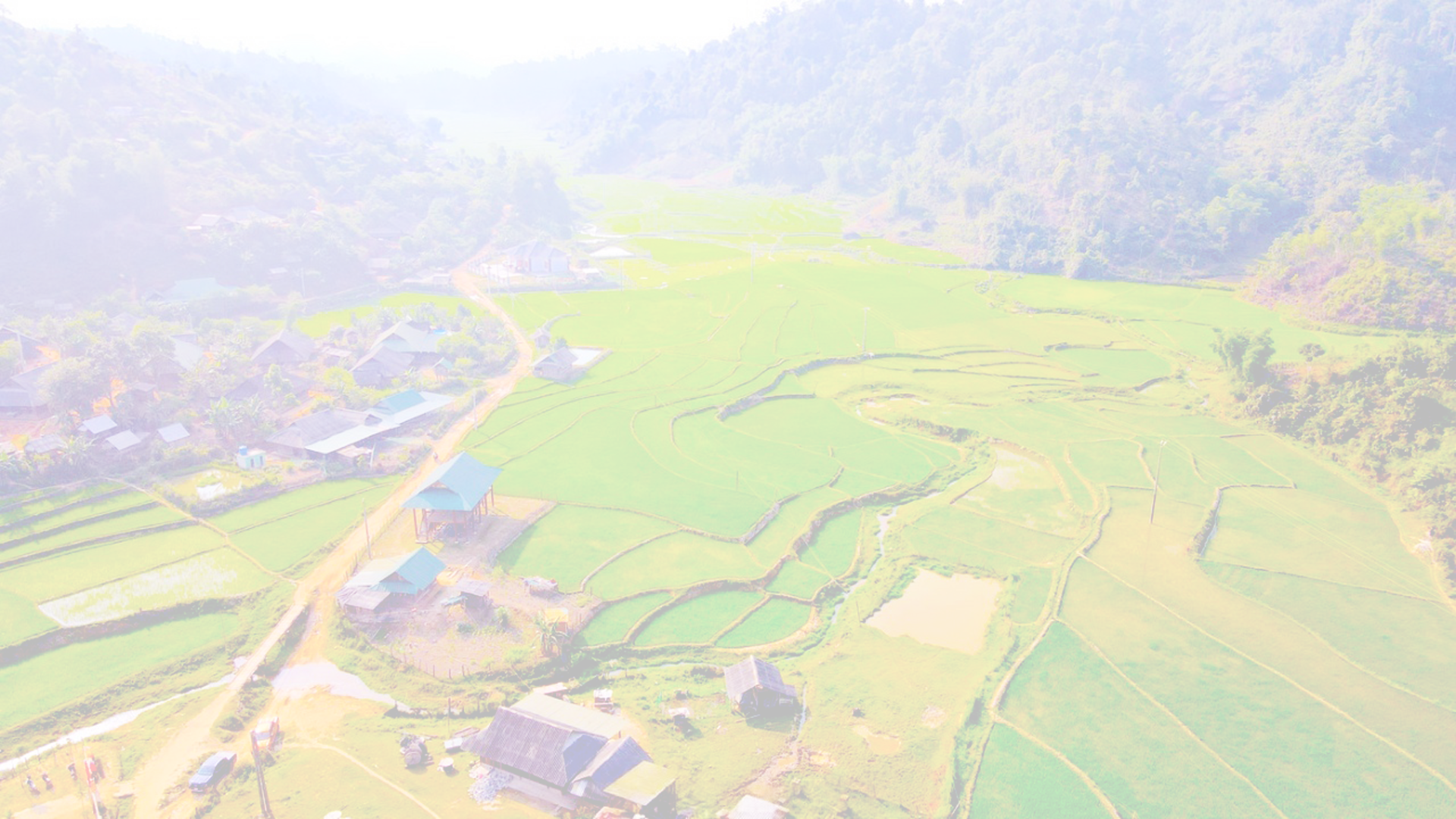
Huoi Co village is a border village of Nhon Mai commune, home to 100% Mong ethnic people, with 63 households and 360 inhabitants. Previously, Huoi Co was almost completely isolated due to its rugged terrain and difficult roads. Production relied mainly on traditional slash-and-burn farming, primarily for self-sufficiency. Poverty was a persistent problem, leaving the villagers struggling to make ends meet year after year.
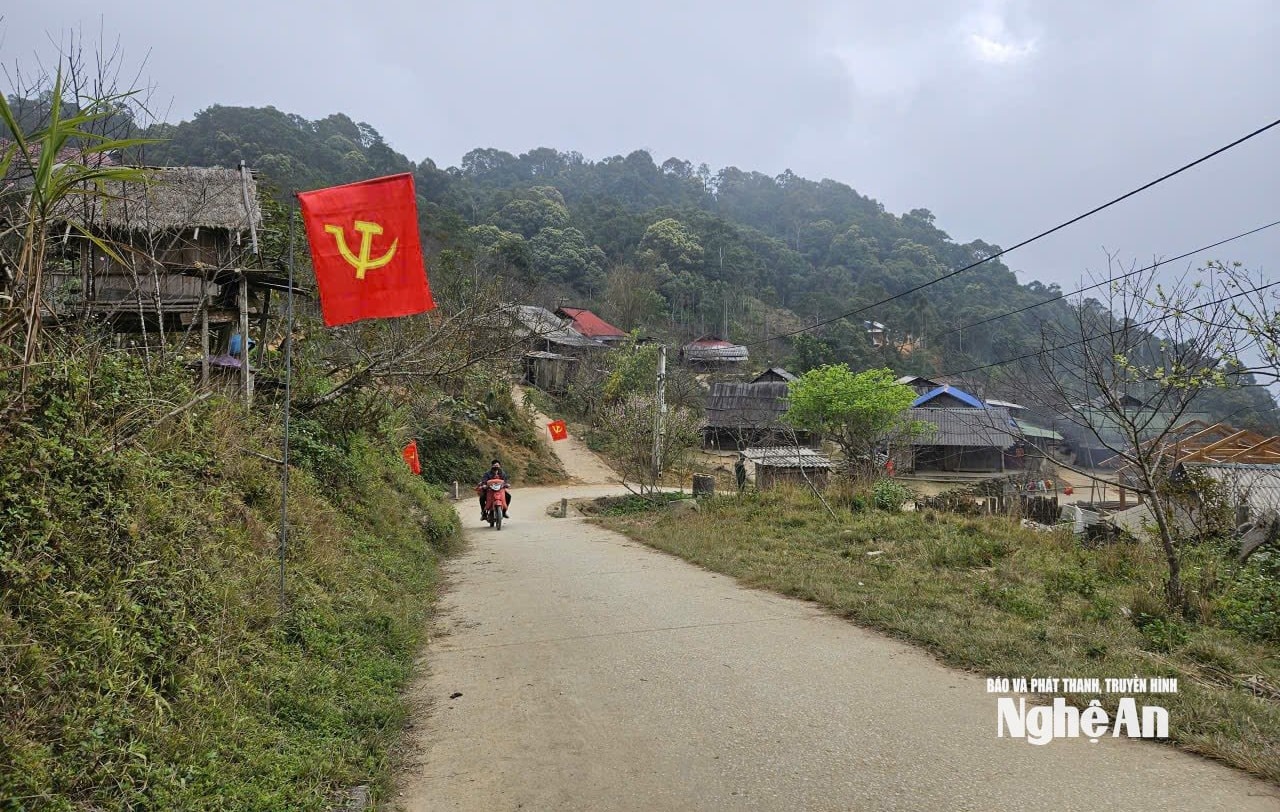
Born in 1963, a Party member, village elder, and respected figure in the village, Mr. Va Chan Do was deeply concerned that if the old ways of doing things continued, Huoi Co would find it difficult to escape poverty. He said that the Hmong people are not afraid of hardship; they only lack a suitable direction and someone who dares to lead the way so that others can follow. In 2020, after the concrete road to Huoi Co village was completed, transportation became more convenient, and Huoi Co was no longer an "island" in the mountains.
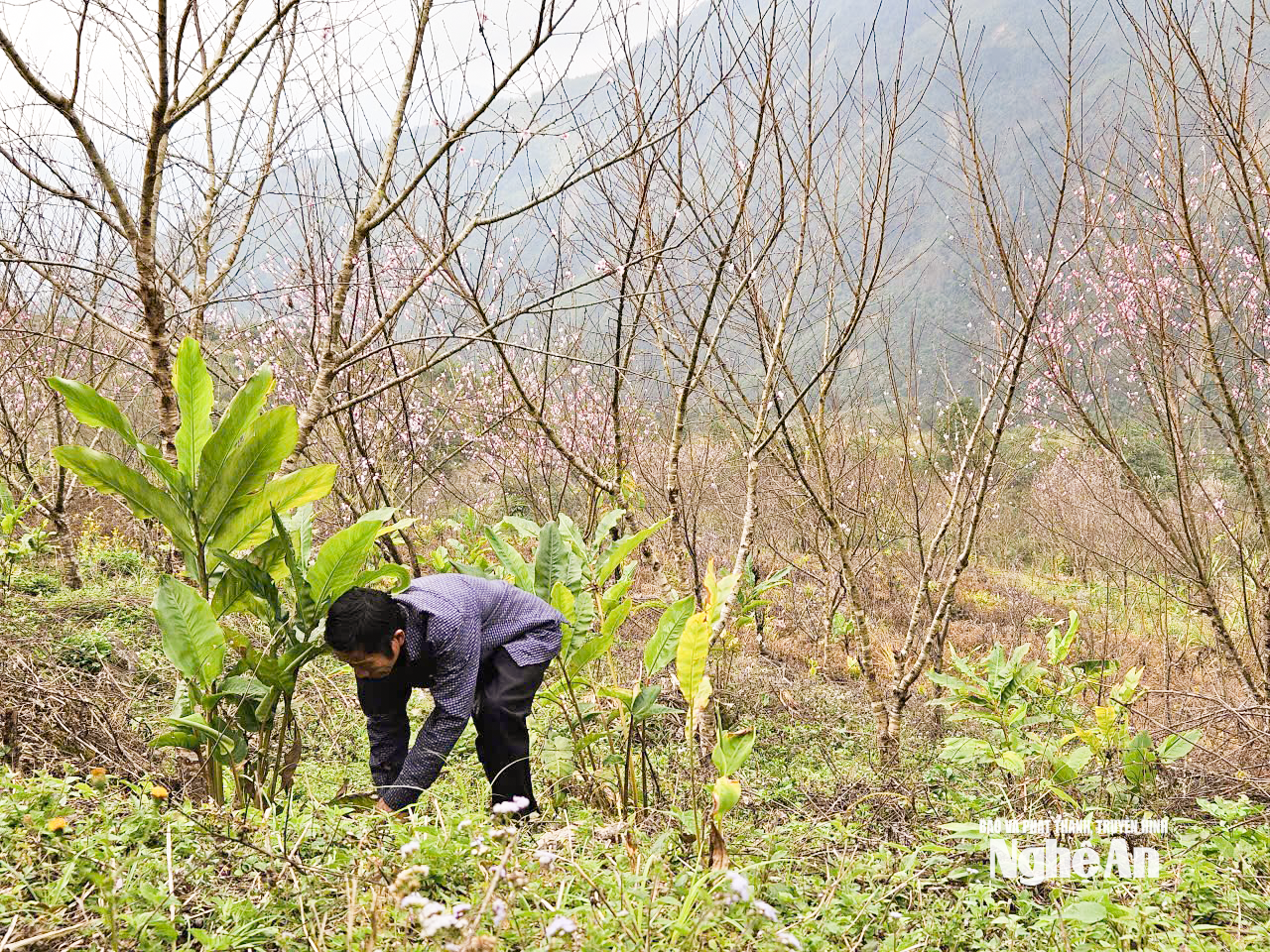
Watching the trucks begin to enter the village, Mr. Dờ understood that the opportunity had arrived. Observing market demand and seeing that local peach blossoms were popular during Tet (Lunar New Year) and had stable prices, he thought about planting peach trees in a concentrated, systematic way on his hillside instead of just planting them sporadically as before.
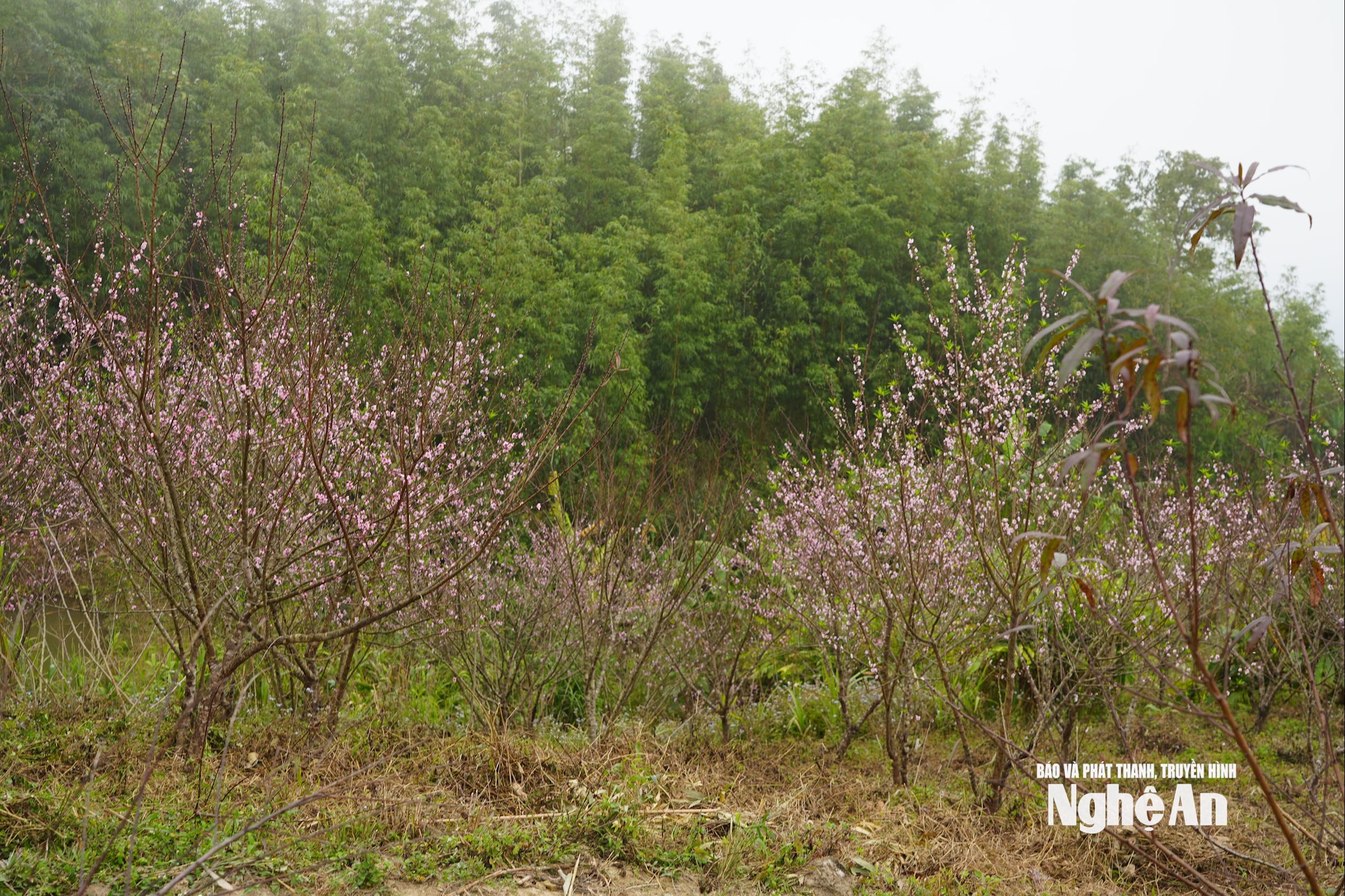
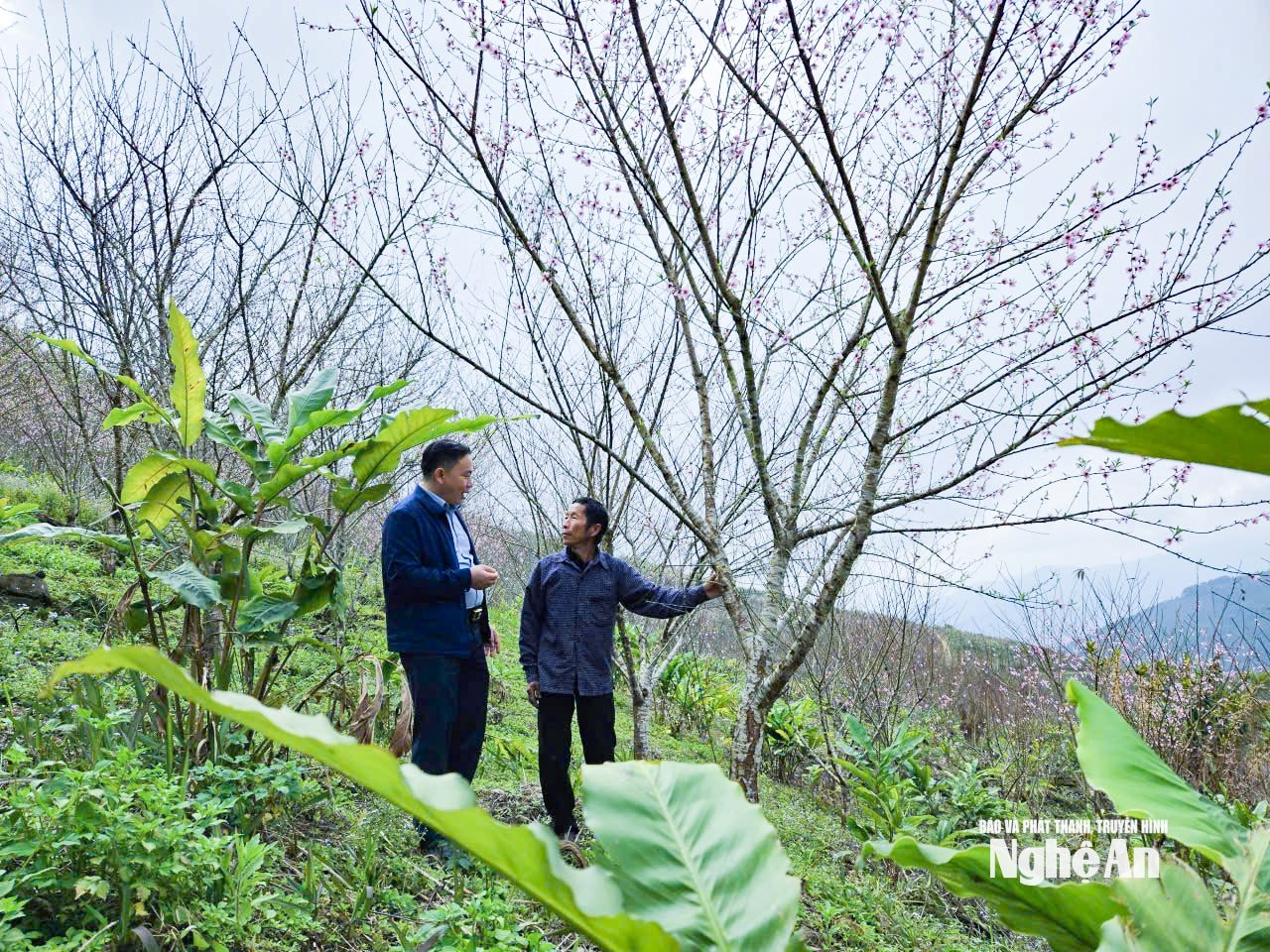
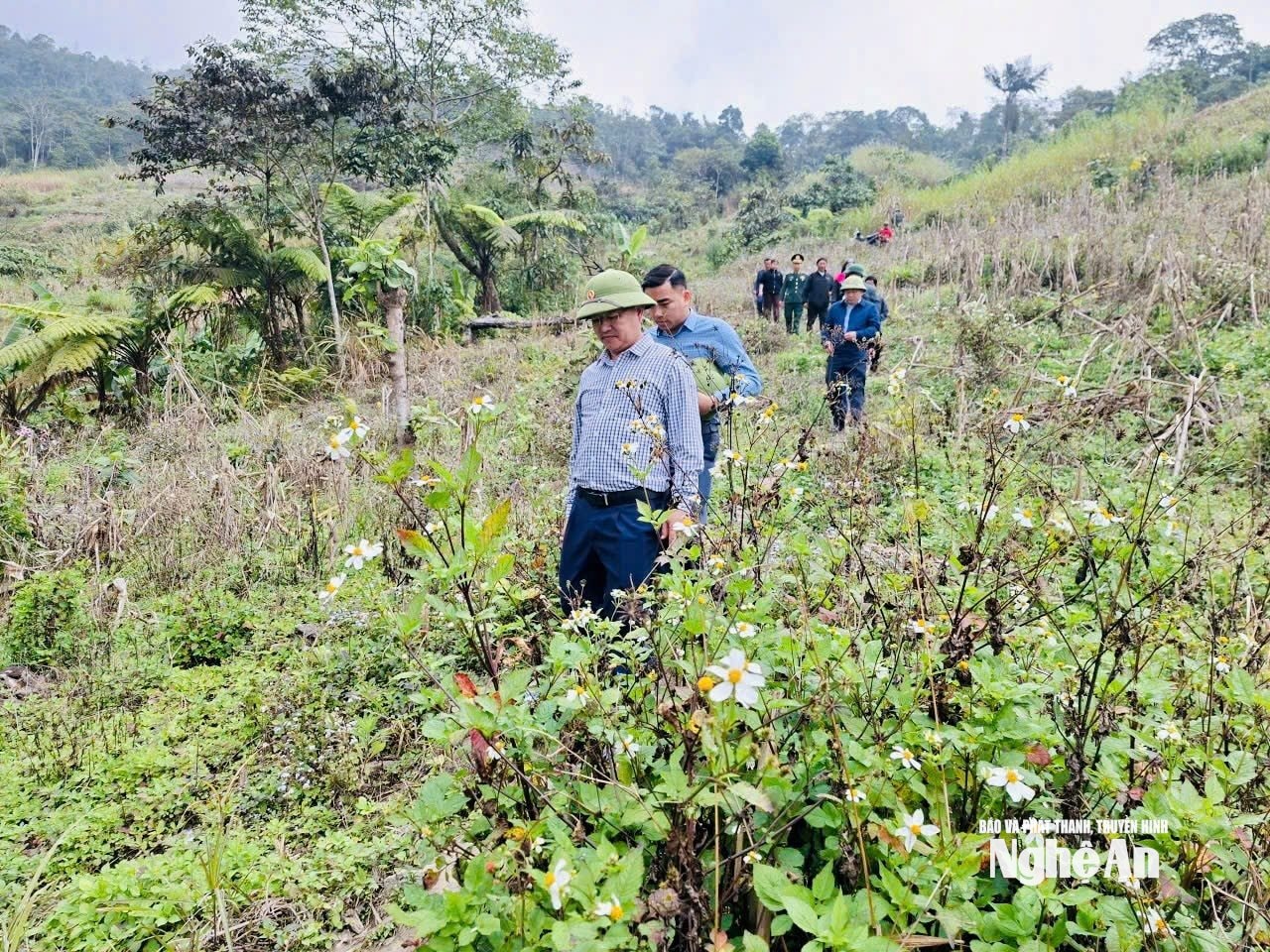
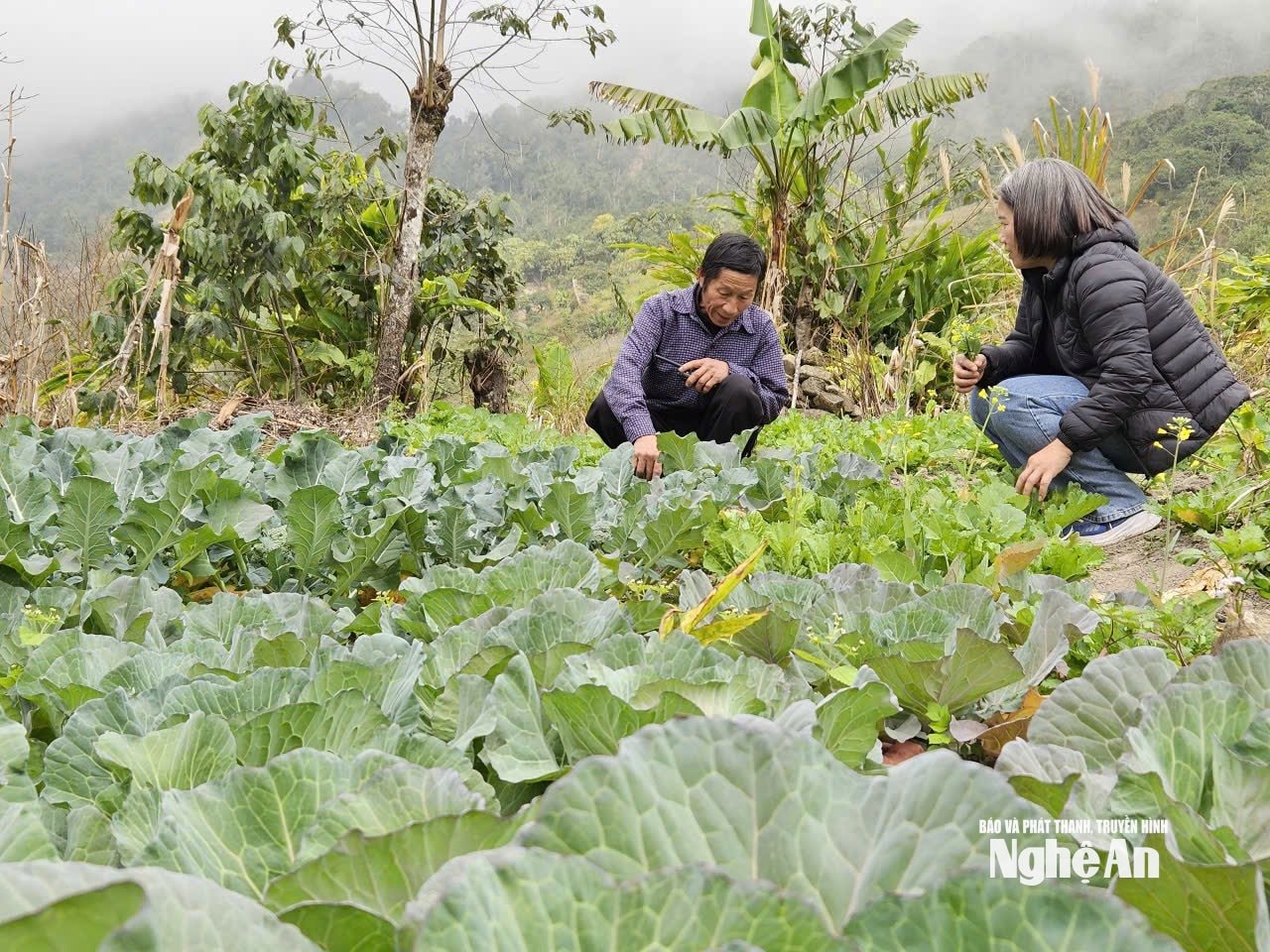
Without hesitation, he taught himself how to propagate and graft peach trees, then boldly planted 600 peach trees. To date, about 200 trees, aged 3-5 years, have yielded a stable harvest. To avoid wasting land, he intercropped 3,000 sorghum plants while the peach trees were still unshaded; on flatter land, he planted mustard greens, cauliflower, cabbage, and peas for their shoots… providing him with additional income and supplying clean vegetables to people in the surrounding area.
Looking at the lush green vegetable beds nestled among the blossoming peach trees, Mr. Dờ couldn't hide his joy: "This year, I expect to cut and sell a few hundred peach branches. For Tet 2025 alone, the money from selling peach branches will be nearly 20 million dong. I'll sell the vegetables to people in the surrounding area, enough to cover daily expenses." For the people in this border region, which still faces many difficulties, this is not just money, but also proof of a way of doing business that suits the natural conditions of the village.
.png)
Not only is he known for his peach trees, Mr. Va Chan Do is also recognized as a pioneer in introducing new crops to Huoi Co. In 2016, when the pilot project for passion fruit cultivation was implemented in Nhon Mai commune, he was one of the first households to register and plant over 300 trees as a trial. Because it was a new crop and he was unfamiliar with the cultivation techniques, he always proactively learned from technical staff, asking questions immediately whenever he was unclear, and then doing it himself until he mastered it.
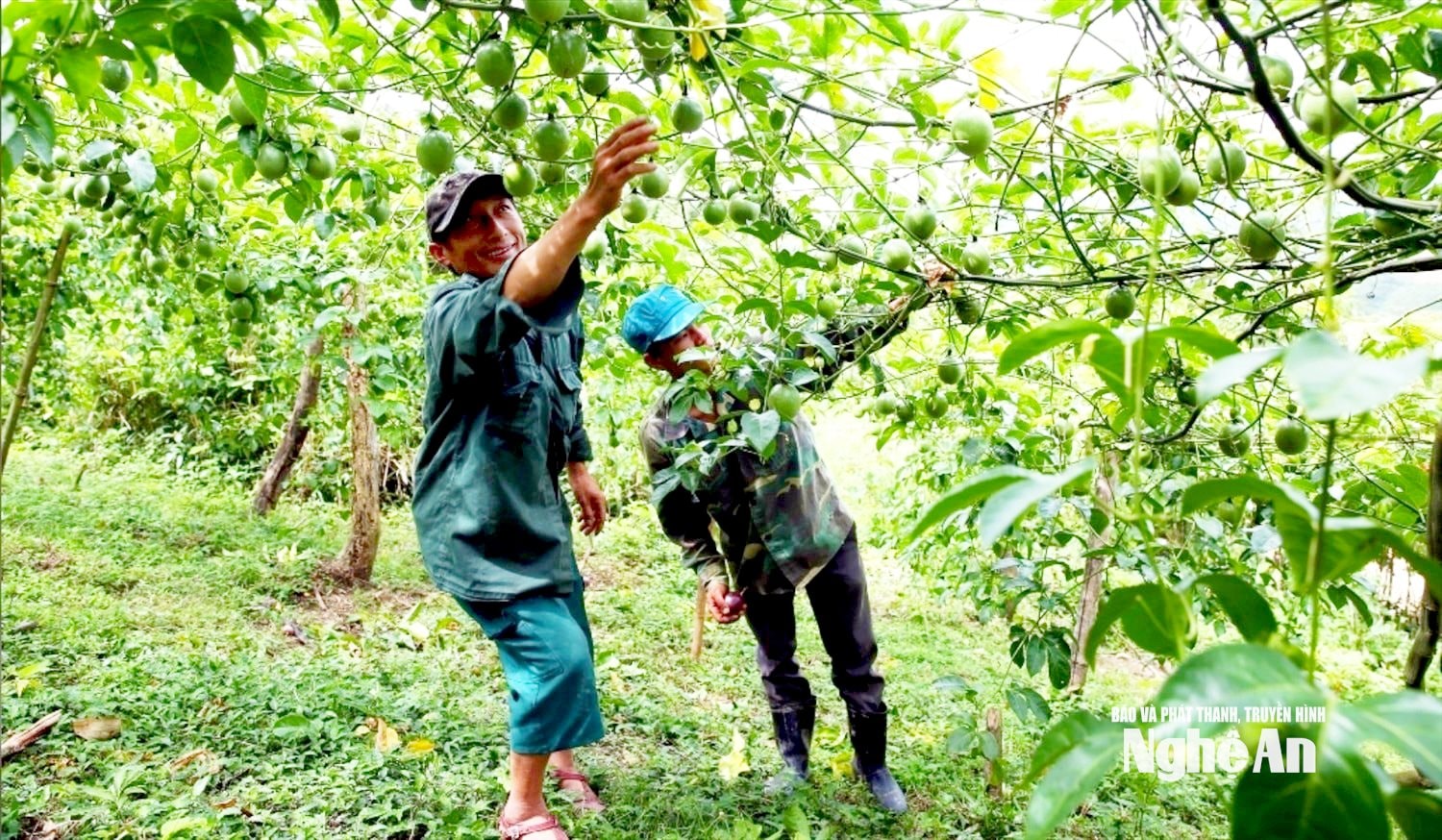
By 2017, having mastered the basic techniques, he began encouraging villagers to replicate the passion fruit cultivation model, creating jobs and increasing income. His own family planted 900 plants on 2 hectares. Thanks to passion fruit cultivation combined with livestock farming, by the end of 2017, 10 households in Huồi Cọ had escaped poverty. Although the passion fruit crop later declined due to various reasons, the lesson about innovative production thinking and daring to experiment with new crops remains valuable to the people here.
Not stopping there, on his family's land, Mr. Dờ continued to be a pioneer in introducing high-yield cassava varieties, combining them with growing cucumbers and developing livestock farming. His barn always maintains nearly 20 cows, over a dozen native black pigs, and hundreds of chickens. Thanks to his diligence, hard work, and ability to utilize the advantages of the land and climate, his family earns nearly 100 million VND annually – a dream income for a border village.
"If we don't change our way of doing business, we will remain poor. The Hmong people are not afraid of hard work; as long as there are people who lead the way, teach the villagers how to do it, then farming will be enough to sustain their lives."
The village elder and Chắn Dờ
.png)
With a stable income, Mr. Va Chan Do did not build a lavish house or chase after modern conveniences, but instead devoted his efforts to ensuring his children received a good education. Of his four sons, three have graduated from university and have stable jobs: Va Ba Long is currently the Deputy Head of the Tri Le Commune Police; Va Ba Tieng is a teacher; Va Ba Po works at the Protective Forest Management Board; and his youngest son, Va Ba Tai, remains in the local area, continuing to develop the economy and becoming a model of successful entrepreneurship in the village. For Mr. Do, "education is the key to success," and investing in his children's education is also investing in the future of the village.
Many people in Huồi Cọ jokingly say that if there's anything difficult to discuss or do in the village, they should first ask Elder Dờ. He's not just a village elder according to tradition, but also someone who understands the work, the people, and the changes taking place. His words aren't commands, but guidance based on his own life experiences and accomplishments. In the years of hardship, when the villagers were hesitant about new things, Elder Dờ would often go to each house, chatting and analyzing the pros and cons. He didn't force anyone or make grand promises; he simply guided them step by step, and if they saw results, they could expand. When the villagers witnessed firsthand his family's income from growing peaches and vegetables, their trust gradually began to grow.
For Mr. Dờ, maintaining credibility in the village is just as important as doing business. He often reminds his children, grandchildren, and neighbors that what you say, you must do; what you promise, you must keep. Therefore, in village meetings, when discussing road construction, contributing labor, or beautifying the residential area, he is always the first to volunteer. "If I don't do it first, it will be difficult for the villagers to follow," he simply says.
In preserving customs, he chose a gentle approach. He always encouraged the preservation of beautiful aspects of Hmong culture, such as community spirit and mutual support in times of difficulty. Regarding outdated and costly customs in weddings and funerals, he persistently encouraged the villagers to gradually change, using his own family's story as an example for them to reflect upon.
In border villages like Huồi Cọ, security and order are always the top priority. Understanding that a secure border is essential for the peace and prosperity of the villages, Mr. Và Chắn Dờ voluntarily collaborates with the Party Committee and the village management board, in coordination with the Nhôn Mai Commune People's Committee and the Nhôn Mai Border Guard Post, to patrol the border and disseminate legal information to the villagers. During these sessions, he often speaks directly in the Hmong language, explaining things thoroughly so that the villagers can easily understand and remember.
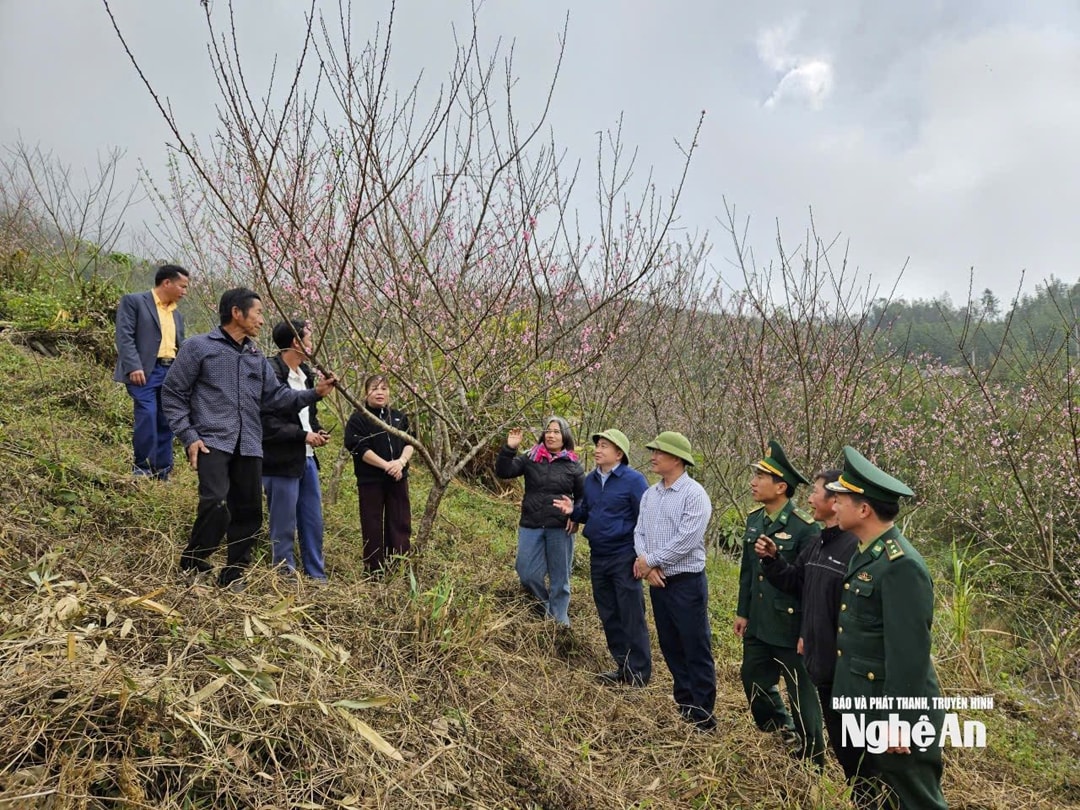
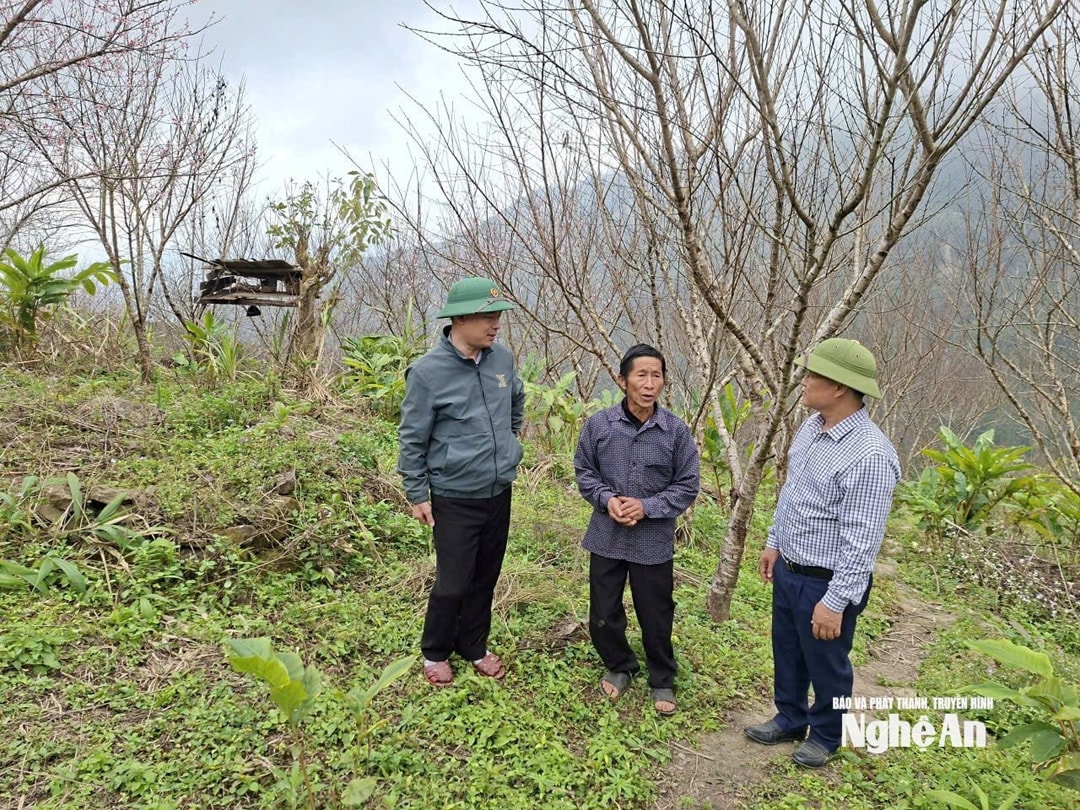
At one point, some unscrupulous individuals tried to entice and persuade people to migrate illegally. Mr. Dờ and other forces went to each household, analyzing the right and wrong, the advantages and disadvantages, helping people understand the policies and guidelines of the Party and the State, and preventing them from believing distorted narratives. Thanks to this perseverance, for many years, Huồi Cọ has maintained security and order, and the people feel secure staying in their village and on their land to make a living.
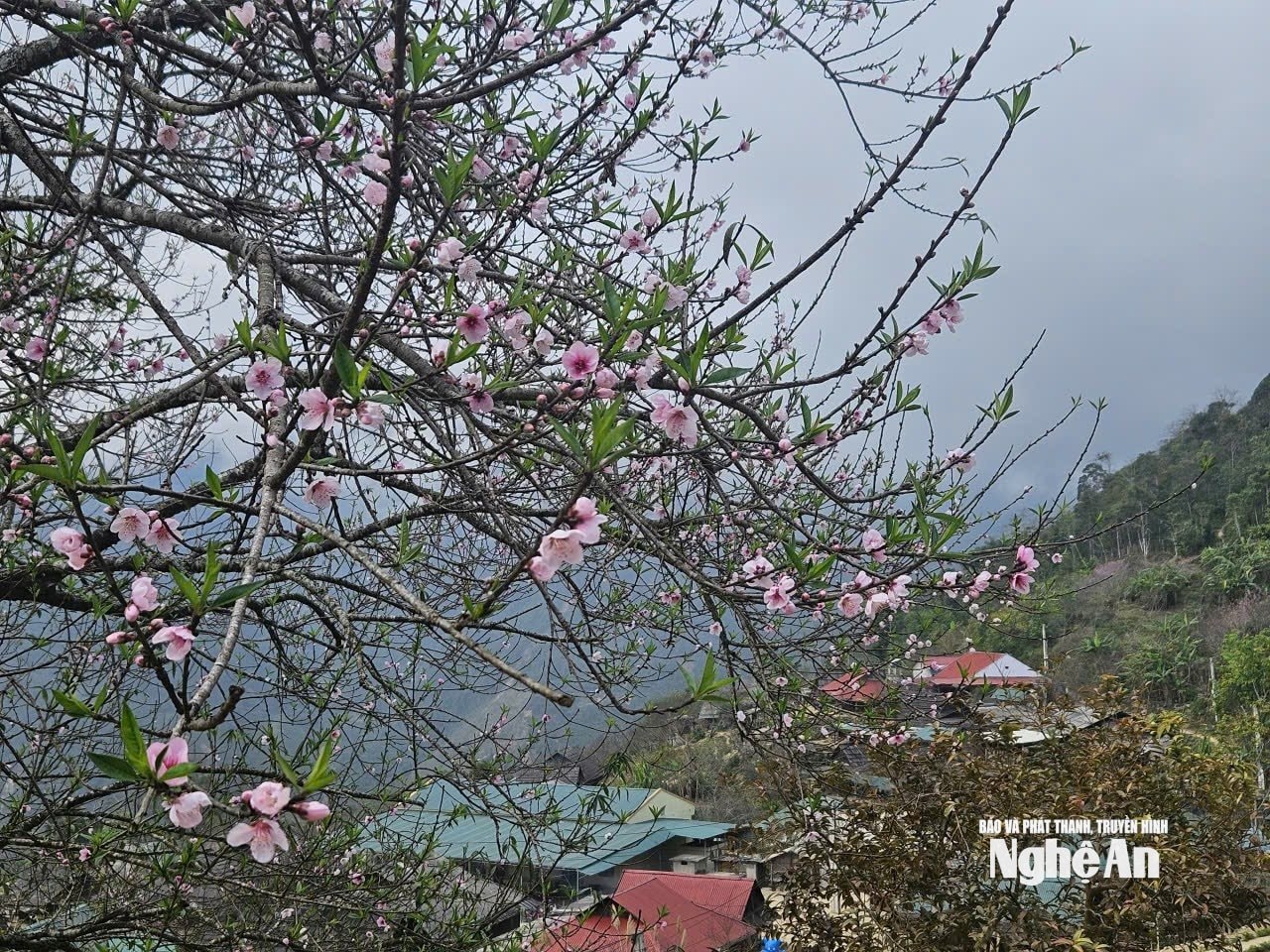
Now, standing on the hilltop overlooking Huồi Cọ, with its houses nestled against the mountain slopes, the winding concrete road amidst the clouds, and the stretches of peach and vegetable gardens, few would imagine that this place was once a poor, isolated village. In this transformation, the mark of village elder Và Chắn Dờ remains unassuming and unostentatious, yet enduring and distinct.
He still maintains the habit of going to the fields early every morning, and in the afternoon, visiting a few houses in the village to inquire about their work and their children's studies. For him, being a respected person is not just a title, but a lifelong responsibility to the village.
And it is thanks to people like him that the pace of change in the Hmong border village is maintained – slowly but surely – allowing Huoi Co to gradually move out of hardship and towards a prosperous and peaceful life.
Mr. Va Chan Do is a respected and exemplary figure in the commune, always practicing what he preaches, setting an example in economic development, and adhering to the Party's policies and the State's laws. As the village elder of the border village, he serves as an important bridge between the Party committee, the government, and the people, wielding persuasive influence in campaigning to eliminate outdated customs, maintain security and order, and protect the border.
Comrade Mac Van Nguyen - Secretary of the Party Committee of Nhon Mai Commune


