
Black pig prices in western Nghe An province reach a peak of 220,000 VND/kg.
The price of native black pigs in the western communes of Nghe An province is soaring, at times exceeding 220,000 VND/kg of live pig. Despite the high price, many farmers still don't have pigs to sell due to a sharp decline in the total herd after Tet (Lunar New Year) and concerns about disease outbreaks, which are slowing down restocking efforts.
Prices have skyrocketed, but there are no pigs to sell.
These days, in many highland communes in western Nghe An province, the most talked-about topic isn't the bountiful harvest, but the soaring price of indigenous black pigs. According to reports, this is the highest price ever recorded for this special breed of pig, which has long been associated with the people of the mountainous regions.
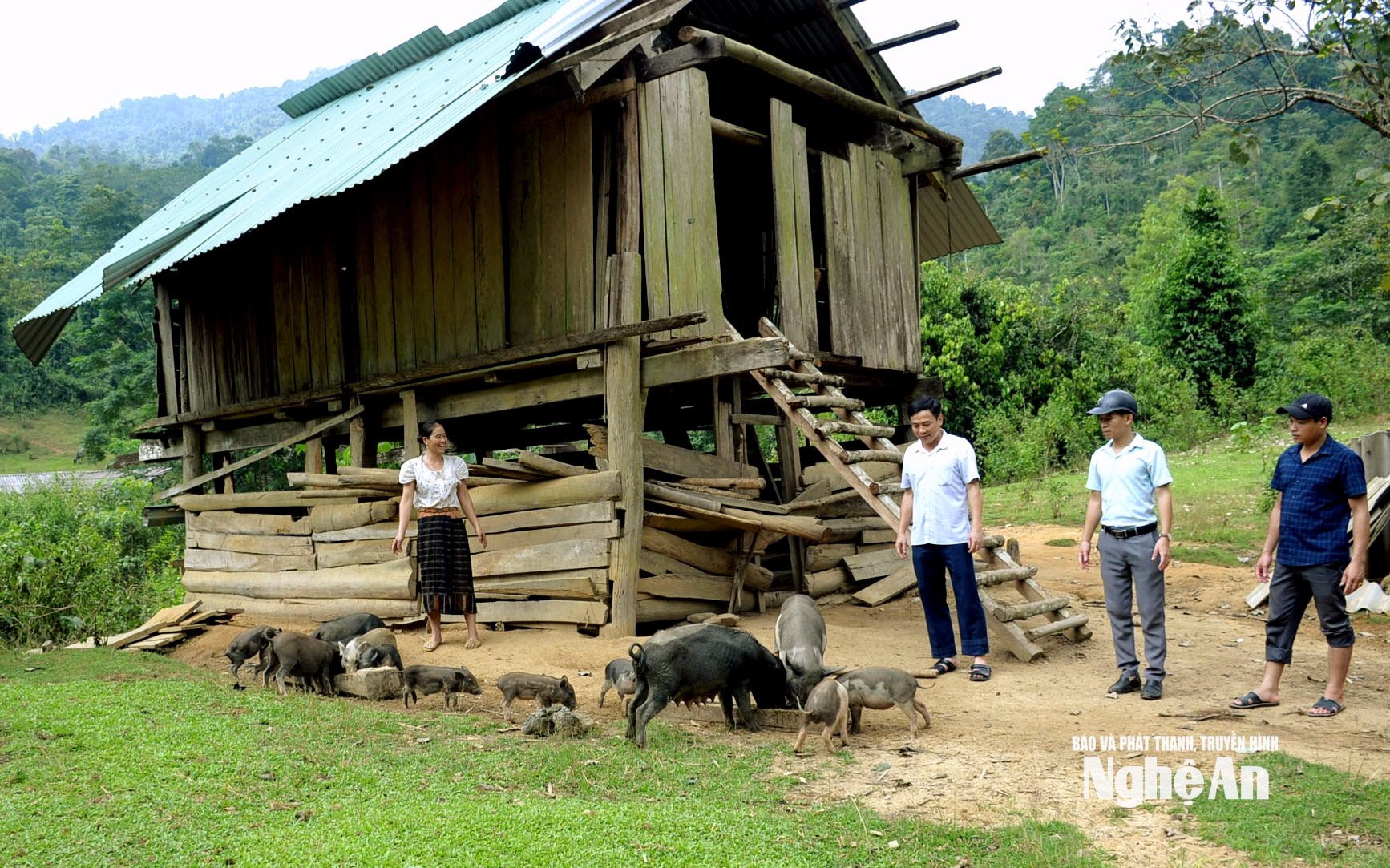
In Na Ty village, Muong Quang commune, Ms. Lo Thi Que said that her family has maintained the traditional method of raising native black pigs for many years. Each year, her farm only raises 2-4 pigs, mainly for family consumption, with any surplus being sold. "Previously, black pigs sold for 120,000-150,000 VND/kg, which was considered high. But since the beginning of the year, traders have been offering to buy live pigs for up to 220,000 VND/kg, and my family doesn't have any left to sell," Ms. Que shared.
It's not just Mrs. Que's family; the situation of high prices but no pigs to sell is common in many highland communes. Mrs. Ngan Thi Tam in Puc village, Que Phong commune, has long invested in raising black pigs in the Huoi Khang valley area, with 3-4 sows. However, at this time, she also has no pork to sell because she sold all of them to customers during the recent Lunar New Year.
According to Mr. Lo Van Tung, Head of the Economic Department of Muong Quang Commune, the current price of black pigs is categorized by weight: Pigs weighing 10-30kg/each are priced at approximately 220,000 VND/kg; pigs weighing 30-50kg/each are priced at 180,000 VND/kg; and pigs weighing over 50kg/each are priced at approximately 150,000 VND/kg. "These prices have never been seen before. However, the number of pigs raised by the people is now not large," Mr. Tung stated.
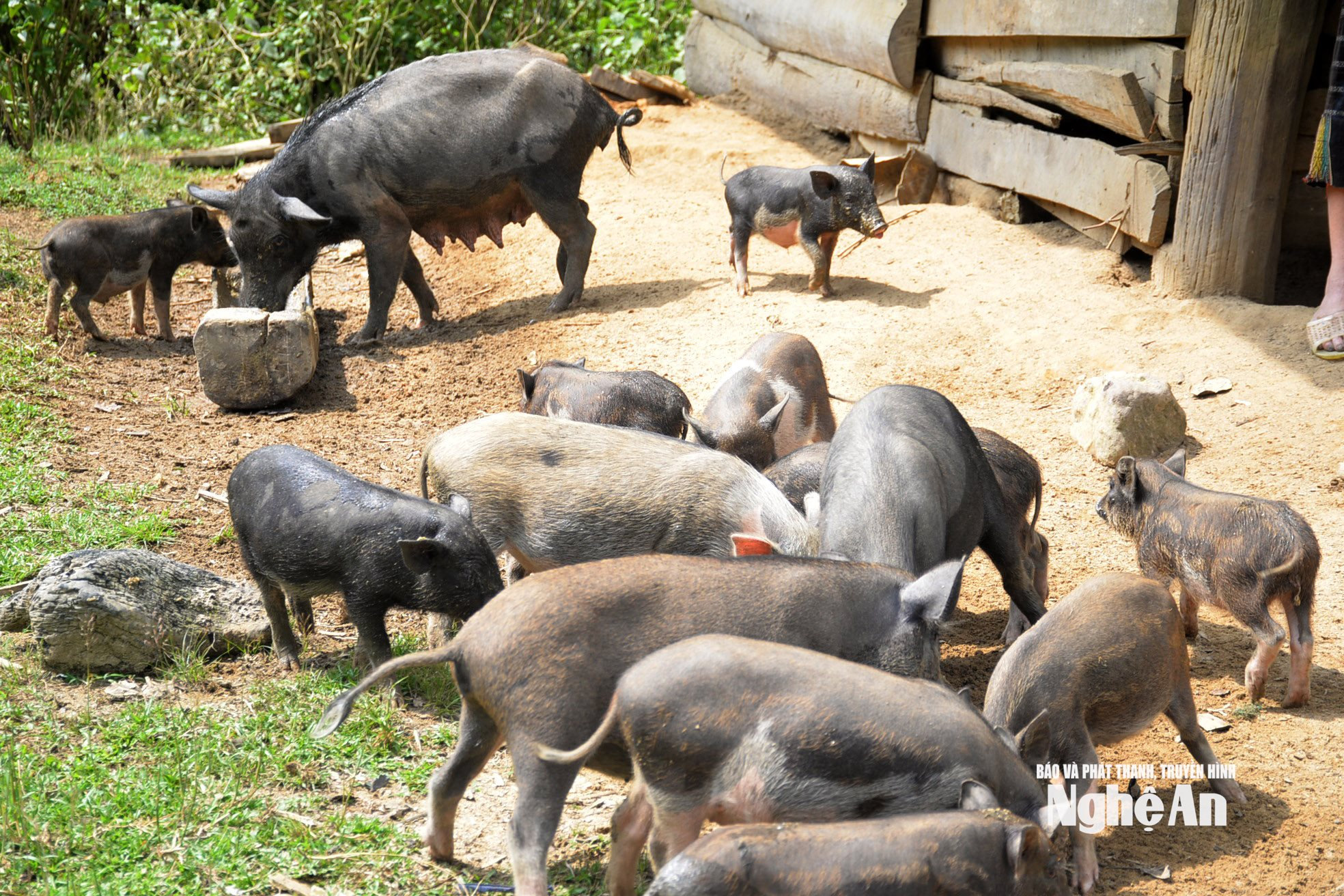
Observations in many other communes, such as Tri Le, Chau Tien, and Luong Minh, show that many livestock farmers are delighted with the high price of live pigs. However, this joy is accompanied by caution in restocking their herds. This is because the price of piglets is too high, while disease outbreaks are still occurring sporadically in some localities.
Mr. Nguyen Van Hoa, Chairman of the People's Committee of Luong Minh commune, said that the price of black pigs in the commune currently ranges from 150,000 to 210,000 VND/kg, depending on weight and quality. "The entire commune currently only has about 400 black pigs left. After Tet, many people slaughtered them, while restocking is very slow due to high prices of piglets and concerns about disease outbreaks," Mr. Hoa said.
According to Mr. Hoa, native black pigs are mainly raised on a small scale, scattered among households. When disease outbreaks occur, even in nearby localities, the fear spreads quickly, causing people to hesitate to invest in new pig farming, despite very attractive selling prices.
Supply has dropped sharply.
Explaining the record increase in black pig prices, local authorities and residents alike believe that a sharp decline in supply is the decisive factor. During the recent Lunar New Year, the demand for black pig meat increased significantly, leading many households to sell almost their entire herds. After the holiday, African swine fever re-emerged in several localities, forcing the culling of many pig herds and causing a significant decrease in the total pig population.
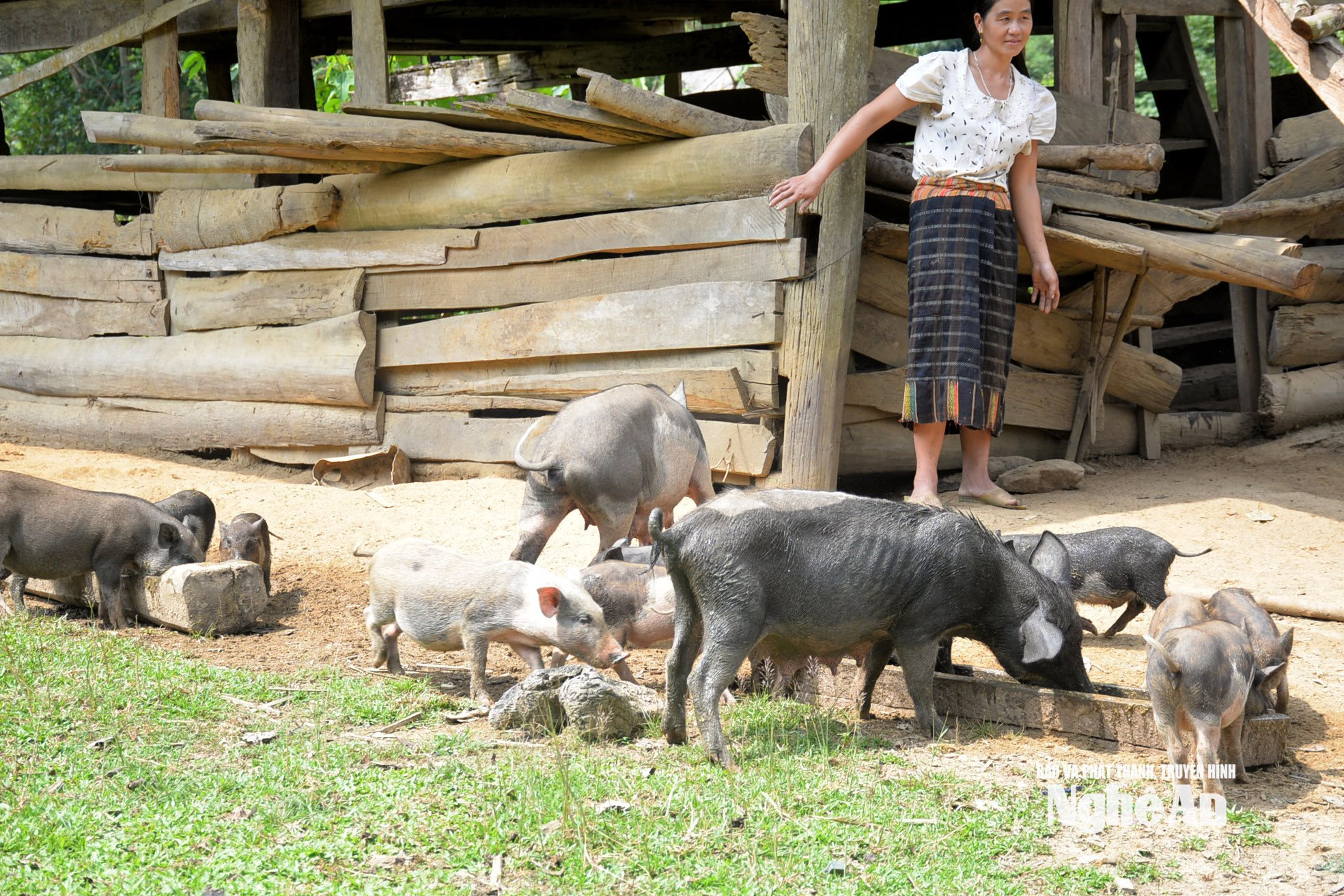
Meanwhile, restocking faces many obstacles. The price of breeding pigs has increased significantly, at times doubling compared to the same period last year, reaching 240,000 VND/kg for high-quality breeding pigs. Furthermore, farming conditions in mountainous areas are primarily based on traditional methods, with simple housing that struggles to meet biosecurity requirements, leaving a constant risk of disease outbreaks.
Native black pigs from western Nghe An province have long been considered a specialty, renowned for their firm, flavorful, and lean meat, perfectly suited to current consumer trends. Their market extends beyond the province, with many restaurants and traders distributing them to other regions.
However, the current black pig farming is still mainly on a small, fragmented scale. People raise them using makeshift methods, free-range farming, or semi-free-range farming, with little investment in breeding, feed, and disease prevention. This leads to unstable production and difficulty meeting market demand when prices rise.
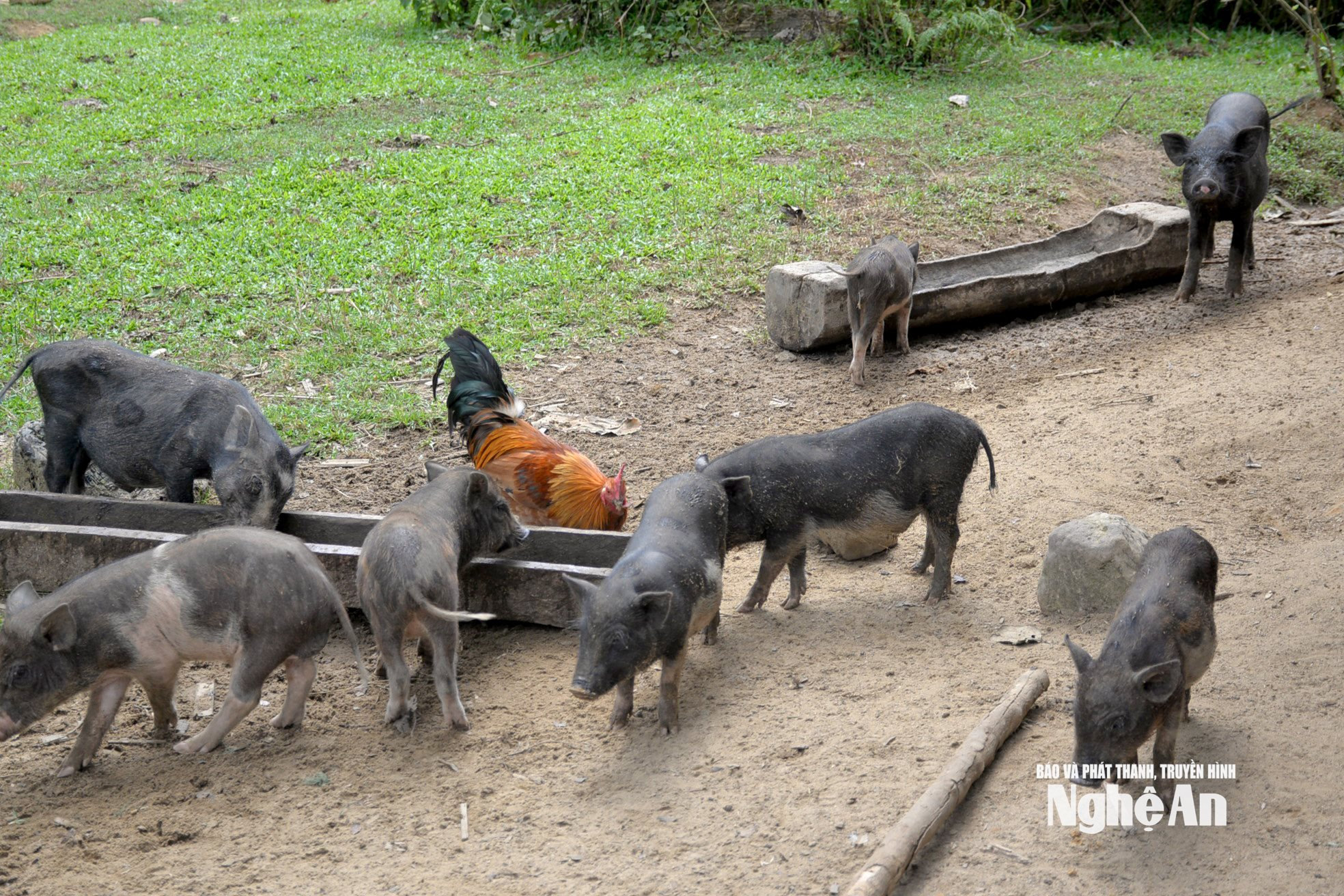
Many local officials believe that the current record-high prices are both a positive sign and highlight the need for a change in livestock farming mindset. With supportive policies regarding breeding stock, technology, and disease control, indigenous black pigs could become a key commodity, helping people in mountainous areas sustainably increase their income.
The price of black pigs in western Nghe An province exceeding 200,000 VND/kg is an unprecedented phenomenon, clearly reflecting the supply-demand relationship and the shortcomings of traditional pig farming. This is also a time for localities to develop appropriate strategies, both preserving indigenous breeds and creating sustainable livelihoods for people in the highlands.


