
Iron ore prices remained stable at $101.65 per ton despite Middle East tensions.
Iron ore prices remained around $105 per ton thanks to stable supply from Australia and Brazil, in contrast to the volatility of other energy commodities.
Iron ore prices on the world market continue to remain stable despite escalating geopolitical tensions in the Middle East. At the Singapore Exchange (SGX), the nearest-month iron ore contract closed on June 10th at $101.65 per ton, reflecting cautious but firm investor sentiment.
Since the beginning of the year, this commodity has mainly fluctuated around $105/ton with a margin of approximately $14/ton. Notably, iron ore has been less affected by disruptions in the Strait of Hormuz because China mainly imports from Australia and Brazil, shipping routes that do not pass through conflict zones in the Middle East.
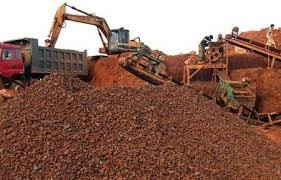
Conflicting trends in China's import data.
Data from China's General Administration of Customs shows that the country imported 516.26 million tons of iron ore in the first five months of the year, a 6.3% increase compared to the same period last year. In May alone, imports reached 97.71 million tons, a 6% decrease from the previous month and the lowest level in the past three months.
However, these official figures are sparking debate among analysts. Independent freight tracking firms such as DBX Commodities and Kpler estimate that actual iron ore arrivals in China in May ranged from 105.56 million to 106.4 million tons. The discrepancy of approximately 8 million tons is considered unusual and could lead to a surge in import figures recorded in June.
Pressure from inventory levels and declining steel production.
Despite a cumulative increase in imports, China's steel industry is still facing numerous challenges regarding demand. The country's steel production in the first four months of the year reached 331.12 million tons, a 4.1% decrease compared to the same period in 2025. This directly puts pressure on the ability to consume raw materials in the short term.
Meanwhile, iron ore inventories at Chinese ports remain significantly high. According to data from SteelHome, inventories reached 159.09 million tons in the week ending June 5th. Although this figure is down from the record peak of 166.91 million tons in March, it is still 21% higher than the same period last year.
A key factor supporting import demand is the decline in domestic supply in China. Domestic iron ore production fell by 1% in the first four months of the year. With iron content only around 20-30%, much lower than the 60-65% of imported ore, the cost of enriching domestic ore has become less competitive, forcing steel mills to prioritize overseas sources.


