
Pepper prices today, October 12, 2025: Maintaining high prices.
Today, October 12, 2025, the domestic price of pepper is 146,000 - 149,000 VND/kg, maintaining a high level compared to yesterday. The forecast is that pepper prices will continue to remain high next week.
Domestic pepper prices today, October 12, 2025
According to reports, pepper prices in the domestic market this morning remained unchanged compared to yesterday, ranging from 146,000 to 149,000 VND/kg.
In the Central Highlands region, today's pepper price in Dak Lak remains unchanged compared to yesterday, currently at 148,000 VND/kg.
Today's pepper price in Gia Lai remains unchanged compared to yesterday, currently at 146,000 VND/kg.
Today's pepper price in Lam Dong (formerly Dak Nong) remains unchanged compared to yesterday, currently at 148,000 VND/kg.
In the Southeast region, today's pepper price in Ho Chi Minh City (formerly Ba Ria - Vung Tau) is 149,000 VND/kg, unchanged from yesterday. Dong Nai also remains unchanged from yesterday at 149,000 VND/kg.
Additionally, today's pepper price in Dong Nai (formerly Binh Phuoc) remains unchanged compared to yesterday, currently at 147,000 VND/kg.
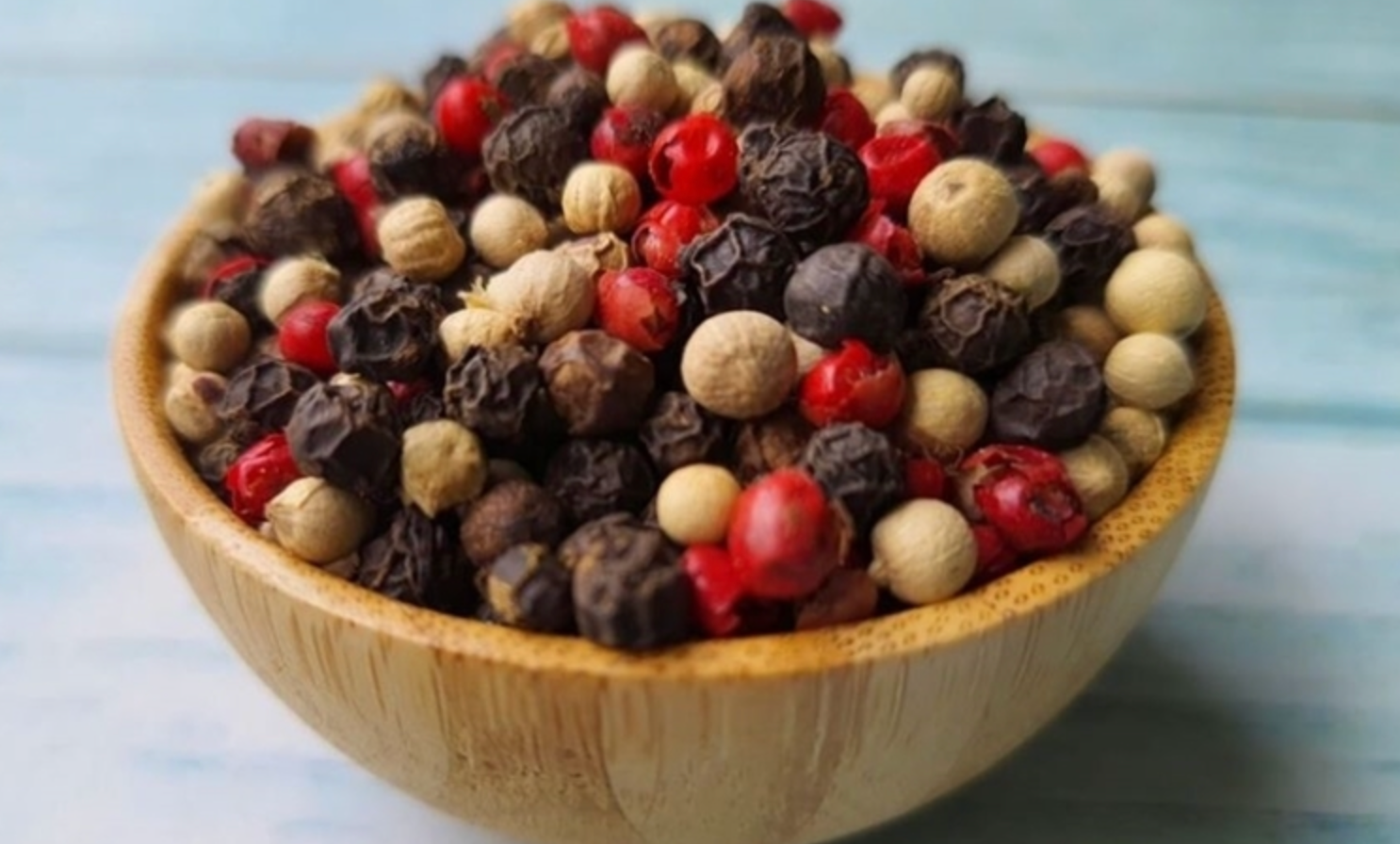
The domestic pepper market is maintaining its upward momentum as the new harvest has yet to begin, leading to a scarcity of supply. Meanwhile, export demand remains stable at a high level, helping pepper prices stay at a good level for several consecutive weeks.
According to statistics, in the first nine months of 2025 alone, Vietnam's pepper exports reached nearly $1.3 billion, equivalent to the entire year of 2024. The average export price reached approximately $6,773 per ton, an increase of over 37% compared to the same period last year. This strong growth demonstrates that Vietnam's pepper remains very strong in the international market.
Experts predict that domestic pepper prices may stabilize or increase slightly early next week, fluctuating between 500 and 1500 VND/kg. If new export orders are signed, especially from the US and the Middle East, pepper prices could reach 151,000 - 152,000 VND/kg in some key regions.
Today's pepper prices on the world market.
At the close of trading on October 11, the International Pepper Association (IPC) reported that the price of Lampung black pepper from Indonesia was quoted at $7,230 per ton, unchanged from yesterday.
In other leading producing countries, pepper prices remained generally unchanged from yesterday. Brazilian ASTA 570 black pepper is currently quoted at $6,200/ton, while Malaysian Kuching black pepper is at $9,500/ton.
In Vietnam, export prices for black pepper continue to fluctuate between US$6,600 and US$6,800 per ton for the 500 g/l and 550 g/l grades.
| Type name | World black pepper price list | |
| October 12, 2025 (Unit: USD/ton) | % change compared to the previous day | |
| Lampung black pepper (Indonesia) | 7,230 | But |
| Brazilian Black Pepper ASTA 570 | 6,200 | But |
| Kuching Black Pepper (Malaysia) ASTA | 9,500 | But |
| Vietnamese black pepper (500 g/l) | 6,600 | But |
| Vietnamese black pepper (500 g/l) | 6,800 | But |
At the same time of the survey, the price of Indonesian Muntok white pepper reached US$10,088 per ton, unchanged from the previous session.
Meanwhile, the price of Malaysian ASTA white pepper remained unchanged at US$12,500/ton. The price of Vietnamese white pepper remained around US$9,250/ton.
| Type name | World white pepper price list | |
| October 12, 2025 (Unit: USD/ton) | % change compared to the previous day | |
| Indonesian Muntok white pepper | 10,088 | But |
| Malaysian ASTA White Pepper | 12,500 | But |
| Vietnamese white pepper | 9,250 | But |
Pepper price forecast
According to businesses, the increase in pepper prices is mainly due to a decrease in global supply, while demand from major markets such as the US, India, and the Middle East remains high. Vietnam continues to be the world's number one pepper exporter, accounting for a large share of the total global supply.
Conversely, while world pepper prices remain high, trading activity is not yet truly vibrant. Major exporting countries such as Brazil, Indonesia, and Malaysia are proactively regulating their supply, making it difficult for international prices to fall significantly. This trend indirectly helps the domestic market maintain stable, high prices.
Besides supply and demand factors, rising production costs, fluctuations in the USD/VND exchange rate, and the farmers' expectation of higher prices also contribute to maintaining the upward trend. Many farmers are still limiting sales, waiting for better prices towards the end of the year, a time when consumer demand in major markets usually increases sharply.


