
Pepper prices today, November 23, 2025: Slight increase at the end of the week.
Today, November 23, 2025, pepper prices increased slightly, fluctuating between 146,500 and 148,000 VND/kg. The reciprocal tax exemption provides a clear competitive advantage for Vietnamese businesses.
Domestic pepper prices today, November 23, 2025
Specifically, the price of pepper in Dak Lak is being purchased at 148,000 VND/kg, an increase of 500 VND/kg compared to yesterday. The price of pepper in Chu Se (Gia Lai) is being purchased at 147,000 VND/kg, an increase of 500 VND/kg compared to yesterday. The price of pepper in Dak Nong today is recorded at 148,000 VND/kg, an increase of 500 VND/kg compared to yesterday.
In the Southeast region, the price of pepper in Ba Ria - Vung Tau is currently at 146,500 VND/kg, an increase of 500 VND/kg compared to yesterday; in Binh Phuoc, the price of pepper today is also at 146,500 VND/kg, an increase of 500 VND/kg compared to yesterday.
| Province (survey area) | Purchase price (Unit: VND/kg) | Change compared to yesterday (Unit: VND/kg) |
| Dak Lak | 148,000 | +500 |
| Gia Lai | 147,000 | +500 |
| Boeing Nong | 148,000 | +500 |
| Ba Ria - Vung Tau | 146,500 | +500 |
| Binh Phuoc | 146,500 | +500 |
| Dong Nai | 146,500 | +500 |
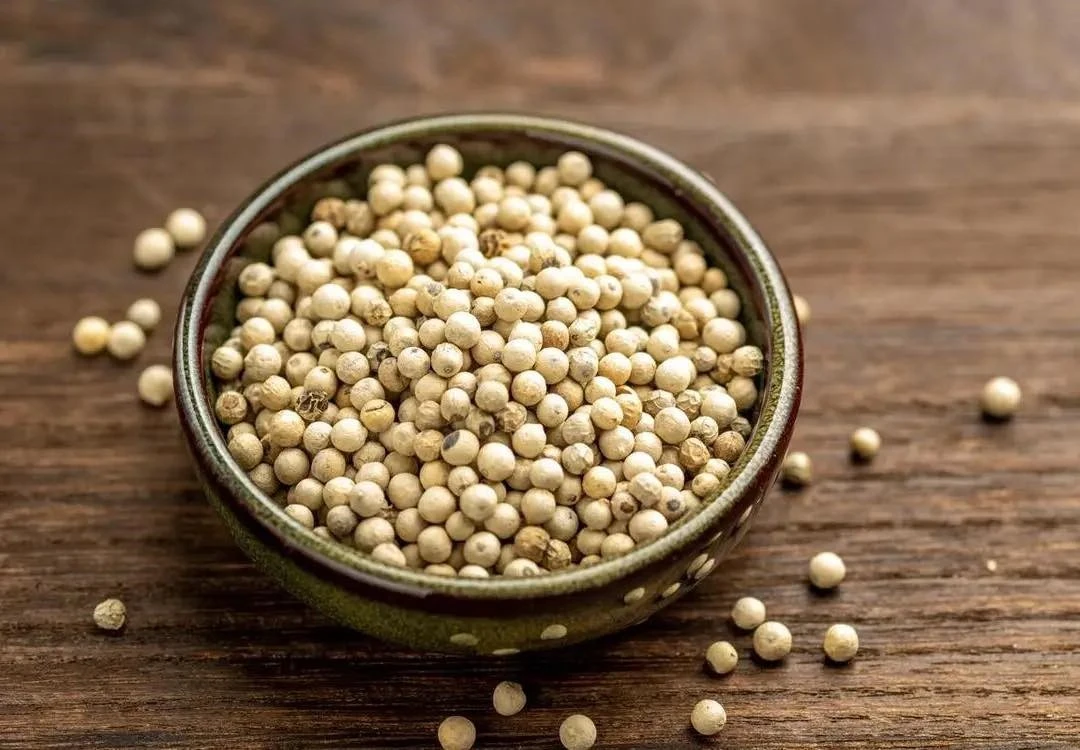
The reciprocal tax exemption provides a clear competitive advantage for Vietnamese businesses, especially compared to countries that previously did not enjoy tax incentives. Reduced costs make Vietnamese goods more attractive to US importers, thereby creating opportunities to expand market share in a context where demand for spices and pepper remains high.
This policy also helps US distributors significantly reduce import costs, thereby increasing their ability to sign new contracts with Vietnamese businesses. Many experts predict that this positive impact will contribute to improving the stability of the Vietnamese pepper and spice market in 2026, especially as global competition intensifies.
For businesses that paid their reciprocal taxes as of November 13th, U.S. Customs regulations allow them to file for a tax refund. This is an opportunity for businesses to recover previously incurred costs and reduce financial pressure after a long period of fluctuations due to trade policies.
The Vietnam Pepper and Spice Association (VPSA) recommends that businesses review all export shipments to the US from the aforementioned date and work directly with customs agents to submit tax refund applications on time. Preparing complete and timely documentation will help businesses receive refunds promptly and make the most of the benefits from the new policy.
Today's world pepper prices
According to the International Pepper Association (IPC), at the close of the most recent trading session, the IPC listed Indonesian Lampung black pepper at US$7,104/ton and Muntok white pepper at US$9,673/ton.
Brazilian ASTA 570 black pepper is priced at US$6,175/ton. Malaysian ASTA black pepper remains stable at US$9,200/ton; Malaysian ASTA white pepper is priced at US$12,300/ton.
Vietnamese black pepper prices remained stable at high levels today, trading at US$6,400/ton for the 500 g/l variety; US$6,600/ton for the 550 g/l variety; and white pepper at US$9,050/ton.
According to Onmanorama, the decision to lift tariffs on Indian spices and agricultural products such as pepper, tea, and coffee under President Donald Trump has created a sense of excitement among many export businesses. Access to the US market at lower costs opens up opportunities to improve competitiveness after a long period of facing retaliatory tariffs of up to 50%.
However, domestic traders and farmers remain cautious, fearing that much of the benefit will go to groups with the power to lobby for policy in the import-export sector. Some businesses expect the tax reduction could help the agricultural market, especially pepper prices, recover after months of weakness.
Some analysts suggest that the tariff changes may be related to rising commodity prices in the US and the political landscape following Republican defeats in New York, New Jersey, and Virginia. Increased demand for spices during the winter months, along with rising coffee prices, are also seen as factors driving the easing of tariffs on essential goods.
According to IPSTA, in October alone, India imported 1,671 tons of pepper, with Sri Lanka leading the way, followed by Vietnam and Brazil. Large businesses warn of the need for stricter management of pepper imports and exports, as there are cases of exploiting imports for re-export without creating added value. IPSTA Chairman Kishore Shamji predicts that the export market may improve, but domestic prices are unlikely to rise significantly because a large amount of imported pepper continues to be exported under Indian labels, limiting benefits for farmers.


