
Pepper prices today, March 28, 2025: Unchanged
Today, March 28th, the domestic price of pepper is between 159,000 and 160,000 VND/kg. The price remains stable and unchanged from yesterday. Vietnam continues to be the largest supplier of pepper to the United States.
Today's pepper prices in the domestic market (March 28, 2025)
The highest pepper prices recorded in key pepper-growing regions (Dak Lak, Lam Dong, Gia Lai, Dak Nong, Ba Ria - Vung Tau, Binh Phuoc) were 160,000 VND/kg.
Specifically, in Dak Nong province, the price of pepper is 160,000 VND/kg. This remains unchanged from yesterday.
In Gia Lai, the price of pepper is 159,000 VND/kg. This remains unchanged from yesterday.
In Dak Lak, the price of pepper is 160,000 VND/kg. This remains unchanged from yesterday.
In Binh Phuoc and Dong Nai provinces, the price of pepper today is 159,000 VND/kg, unchanged from yesterday.
In Ba Ria - Vung Tau, the price of pepper today is 159,000 VND/kg. This is unchanged from yesterday.
Thus, the lowest price for pepper in the domestic market today is 159,000 VND/kg.
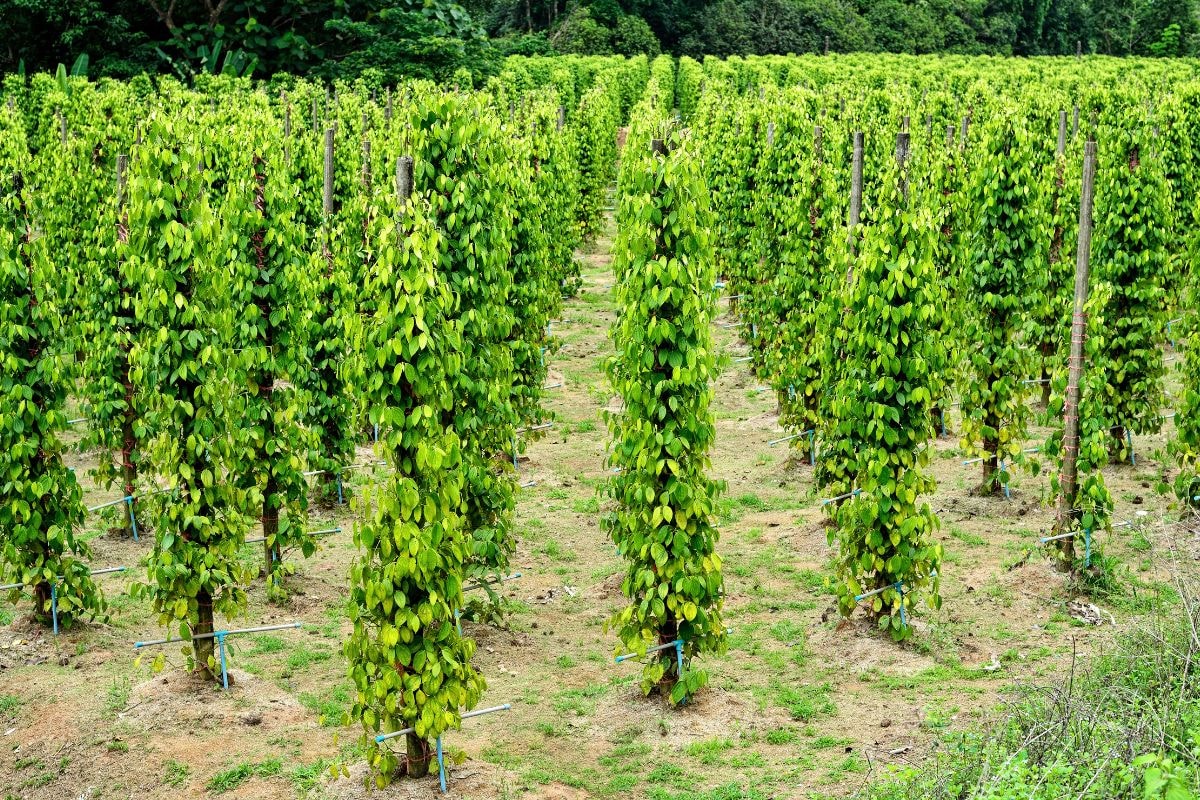
In recent years, the pepper industry has made significant progress. Farmers are increasingly focusing on producing according to sustainable clean and organic standards. Many plantation owners have strengthened value chain linkages and invested in deep processing to create high-quality products, serving both domestic and export markets.
In the Central Highlands, harvesting is progressing rapidly. Dak Nong has harvested 70% of its area, Lam Dong 60%, Dak Lak 40%, and other provinces around 50%. However, despite a relatively large volume of produce reaching the market, the actual supply remains limited as farmers hold onto their crops waiting for higher prices. Meanwhile, businesses and traders face difficulties due to high interest rates, a lack of storage facilities, and seasonal cash flow constraints.
In the first two months of the year, Vietnam's pepper exports decreased by 15.8% in volume but increased by nearly 40% in value. This indicates rising pepper prices. With domestic markets experiencing shortages, many businesses have shifted to importing. Notably, Vietnam is Brazil's largest customer, importing over 4,200 tons of pepper worth nearly $26 million, almost tripling the amount imported during the same period last year.
The outlook for pepper prices in the near future remains positive. Major markets such as the US and EU continue to maintain high demand. Meanwhile, domestic farmers still tend to hoard their stock, leading to supply shortages and contributing to further price increases.
Today's pepper prices (March 28th) on the world market.
On the world market, based on quotations from exporting companies and export prices in various countries, the International Pepper Association (IPC) has updated the prices of various types of pepper traded on the international market on March 28 (local time) as follows:
Indonesian Lampung black pepper prices remained unchanged from yesterday at US$7,229/ton. Similarly, Muntok white pepper prices remained stable from yesterday at US$10,052/ton.
The price of Brazilian ASTA 570 black pepper remained unchanged from yesterday at $7,000 per ton.
Malaysian ASTA black pepper prices remained unchanged from yesterday at US$9,900/tonne. Additionally, the price of ASTA white pepper from the same country also stayed the same as yesterday at US$12,400/tonne.
Prices for all types of Vietnamese pepper remained unchanged compared to yesterday. Specifically, the price of Vietnamese black pepper (500 gr/l) reached US$7,100/ton; and the price of black pepper (550 gr/l) reached US$7,300/ton.
Similarly, the price of Vietnamese white pepper remained unchanged from yesterday at $10,100 per ton.
According to data from the US International Trade Commission, in January 2025, the US imported more than 8,900 tons of pepper, worth nearly $63 million. Compared to the same period last year, the import volume increased by 25.6% and the value increased by nearly 74%.
Vietnam remains the largest supplier of pepper to the US, with nearly 5,800 tons, accounting for approximately 65% of the market share. However, this figure has decreased from the 82% of the previous year, due to a later domestic harvest.
Meanwhile, pepper imports from Indonesia and India surged. Indonesia reached nearly 1,900 tons, an increase of over 427%, while India reached nearly 800 tons, an increase of over 80%. Conversely, imports from Brazil decreased by 28%, to only 225 tons.
Experts predict 2024 will be a breakthrough year for the pepper and spice industry. The outlook for 2025 and beyond remains very positive. The retail market in the US alone has grown from $5 billion before the pandemic to $7 billion in the past year, and is expected to continue expanding.
The American habit of cooking at home, along with the popularity of Asian and Mexican cuisine, has fueled a booming spice market. Last year, the U.S. imported nearly 98,000 tons of pepper – the highest level ever – officially becoming the world's largest pepper importer.


