
Spiny lobster prices have increased by 35%, and supplies are scarce in Ho Chi Minh City.
Due to a severe drop in supply caused by natural disasters and changes in farming practices, the retail price of spiny lobster in Ho Chi Minh City has risen to 2.8 million VND/kg.
The price of spiny lobster in Ho Chi Minh City has increased by up to 35% compared to the same period last year, reaching 2.8 million VND/kg, amidst a serious decline in domestic supply due to the impact of natural disasters and changes in the aquaculture structure.
Retail market experiences shortages and soaring prices.
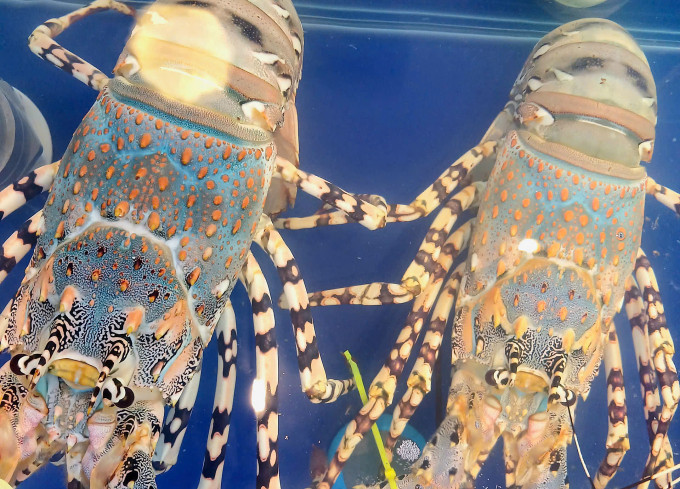
Surveys at seafood stores and supermarkets in Ho Chi Minh City show that the price of spiny lobster has been continuously increasing since the beginning of the year. Specifically, lobsters weighing 1-1.5 kg/each are now commonly priced from 2 to 2.8 million VND/kg, an increase of about 20-35% compared to the same period in 2024. At a seafood supermarket on Ly Tu Trong Street, Ben Nghe Ward, spiny lobsters weighing over 1 kg are listed at nearly 2.8 million VND/kg.
Many shop owners reported that their inventory has decreased by about 30% compared to previous months, leading to frequent shortages, especially for large orders. At one shop on Phan Dang Luu Street, Binh Thanh Ward, prices have increased by about 15% in the past month alone due to limited supply.
The dual reasons for the supply decline.
Severe damage caused by floods.
The main reason for the supply shortage is the damage caused by the prolonged heavy rains and floods in late November 2025 in the former Phu Yen area, now part of Dak Lak province, especially in Xuan Dai Bay. The sudden influx of freshwater caused lobsters to suffer from water shock and die in large numbers. This is one of the largest lobster-producing regions in the country with over 27,000 cages, so the damage has directly impacted the market.
Farmers are shifting to different crops and livestock.
Besides weather factors, the farming structure has also changed significantly. According to Mr. Hung, a farmer in Khanh Hoa, since 2024, the Chinese market has mainly imported lobsters weighing less than 0.3 kg, making it difficult to sell large spiny lobsters. This has prompted many farmers to switch to farming green lobsters for easier consumption. Mr. Doan Van Quang, Director of the Song Cau Lobster General Service Cooperative, also confirmed that farmers in the cooperative have almost stopped farming spiny lobsters.
The Paradox of Exports and Market Forecasts
Despite limited domestic supply, Vietnam's lobster exports continue to grow strongly. According to the Customs Department, in the first 10 months of 2025, lobster exports reached US$712 million, a 135% increase compared to the same period last year. However, this increase was mainly driven by green lobsters, accounting for 98% of the total export value. China and Hong Kong are the main markets, accounting for almost all of the export value.
From the distributor's perspective, Mr. Tran Van Truong, CEO of Hoang Gia seafood chain, said that importing goods is becoming increasingly difficult. The supply of natural spiny lobster from Australia is also limited due to the fishing season, with prices reaching approximately 3.5 million VND/kg. The Vietnam Association of Seafood Processing and Export (VASEP) forecasts that demand from China will continue to be high, but increasingly stringent requirements on traceability could pose a major challenge for businesses in the coming period.


