
Gold prices could reach $4,900 by mid-2026.
Swiss bank UBS forecasts a further sharp rise in gold prices in the first half of 2026, targeting $4,500. The main drivers are interest rate cuts, US political risks, and global financial challenges.
According to a new report from Swiss bank UBS, demand for gold is expected to increase sharply in the coming months. The precious metal will be driven by a number of factors: interest rate cuts, falling bond yields, public finance challenges, and domestic political instability in the US.
UBS's Chief Investment Officer said gold has recently recovered some of its losses from late October. They expect increased demand for the precious metal to support higher gold prices in the near future. The Federal Reserve's continued interest rate cuts, lower real yields, rising financial risks, and changes in the US political environment are expected to prolong the current strong buying trend by both central banks and investors.
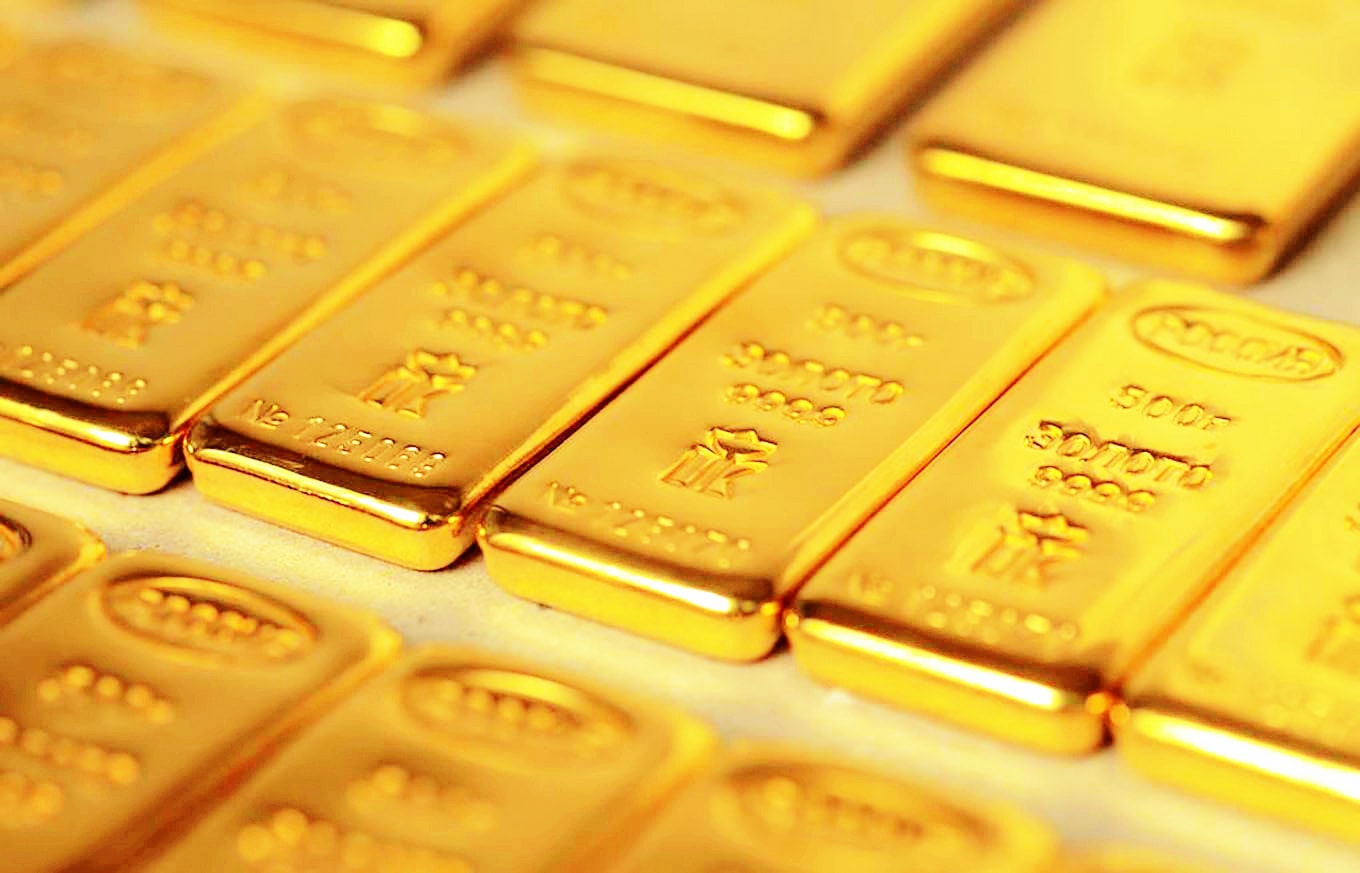
On November 20th, UBS raised its mid-2026 gold price target to $4,500 per ounce, up from its previous target of $4,200 per ounce. The bank also increased its upper limit by $200 to $4,900 per ounce, in anticipation of potential spikes in political and financial risks. However, they maintained their lower limit at $3,700 per ounce.
UBS analysts believe that the worsening outlook for U.S. public finances could incentivize central banks and investors to buy gold. They also expect demand for gold-backed exchange-traded funds (ETFs) to remain strong in 2026.
However, UBS also cautioned that the possibility of the Fed adopting a more hawkish stance and the risk of central banks selling off gold remain key challenges to their optimistic outlook.
Earlier, on November 3rd, UBS analysts suggested that the current gold market downturn was only temporary. They saw a possible optimistic scenario: increased geopolitical tensions or market risks could push gold prices up to $4,700 per ounce.
These experts said the expected correction has paused. Aside from technical factors, they found no fundamental reason for the previous sell-off. The Swiss bank noted that the price decline triggered a second wave of drops in open futures contracts, but insisted that underlying demand remains very strong.
UBS analysts also cited the World Gold Council's Q3 Gold Demand Trends report, dismissing the very strong and accelerating buying from both central banks and individual investors.
The central bank's net purchases this year are 634 tonnes, slower than last year but accelerating in the fourth quarter, in line with UBS's forecast of 900-950 tonnes for 2025.
ETF inflows into gold reached 222 tonnes, and demand for gold bars and coins exceeded 300 tonnes for the fourth consecutive quarter, demonstrating that investor appetite has also strengthened. Demand for jewelry is also not as weak as many feared.
UBS recommends buying gold when prices fall and believes investors have not yet allocated enough assets to the metal. The bank recommends allocating a single-digit average percentage of gold to investment portfolios.
Spot gold is ending the short Thanksgiving trading week strongly, last trading at $4,237.79 per ounce, up 0.74% on the daily chart.


