
Silk Dream
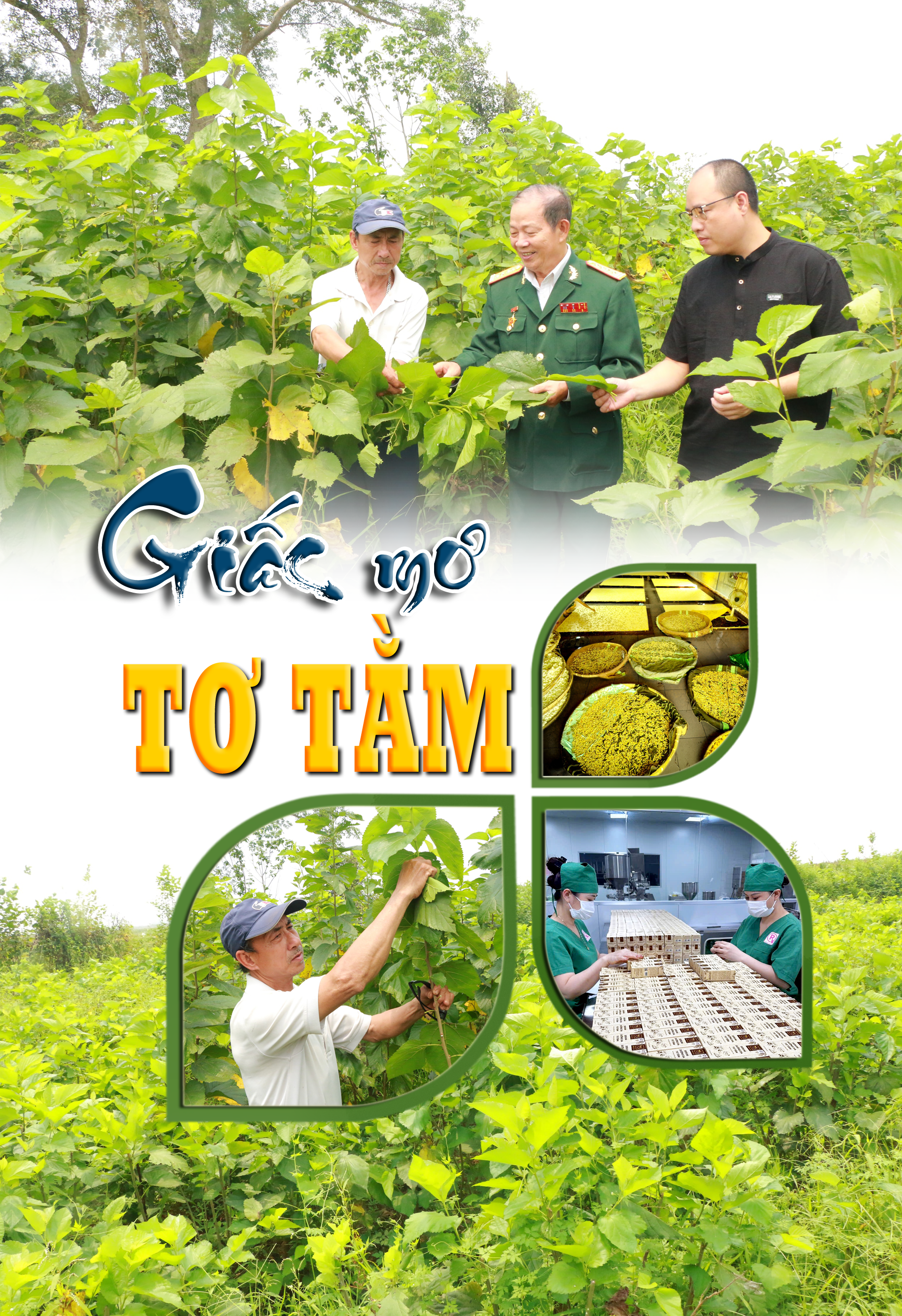
Leaving the military with the rank of Colonel, at an age when many would choose a peaceful retirement, Mr. Nguyen Kim Lung (born in 1948) embarked on a different journey: replanting mulberry trees, raising silkworms, and reviving the fading memories of the traditional craft village along the Lam River. Nearly two decades of perseverance, from the golden cocoon trays to the sericin extraction research lab, this journey is not just a story of entrepreneurship in his twilight years, but also an effort to extend a dream...
Khanh Ly - Thanh Phuc /Present:Hong ToaiApril 27, 2026
*****
Leaving the military with the rank of Colonel, at an age when many would choose a peaceful retirement, Mr. Nguyen Kim Lung (born in 1948), from Bich Hao commune, embarked on a different journey: replanting mulberry trees, raising silkworms, and reviving the fading memories of the traditional craft village along the Lam River. For nearly two decades, from the golden cocoon trays to the sericin extraction research lab, this journey is not just a story of entrepreneurship in his twilight years, but also an effort to extend a dream. This dream is not just his alone, but the meeting and continuation of many generations: those who laid the foundation, those who opened the market, and those who nurtured the raw material area; together forming a new direction for mulberry and silkworm farming, where knowledge, agriculture, and local values blend into the rhythm of the times.

Following an introduction from a former leader of the Thanh Chuong (old) District Party Committee, we visited Giang Tien village, Bich Hao commune, on a sunny summer morning with the sun pouring down on the slopes along the Lam River. In his simple house amidst a lush green garden, retired Colonel Nguyen Kim Lung welcomed us with a gentle smile and the calm demeanor of a seasoned soldier.
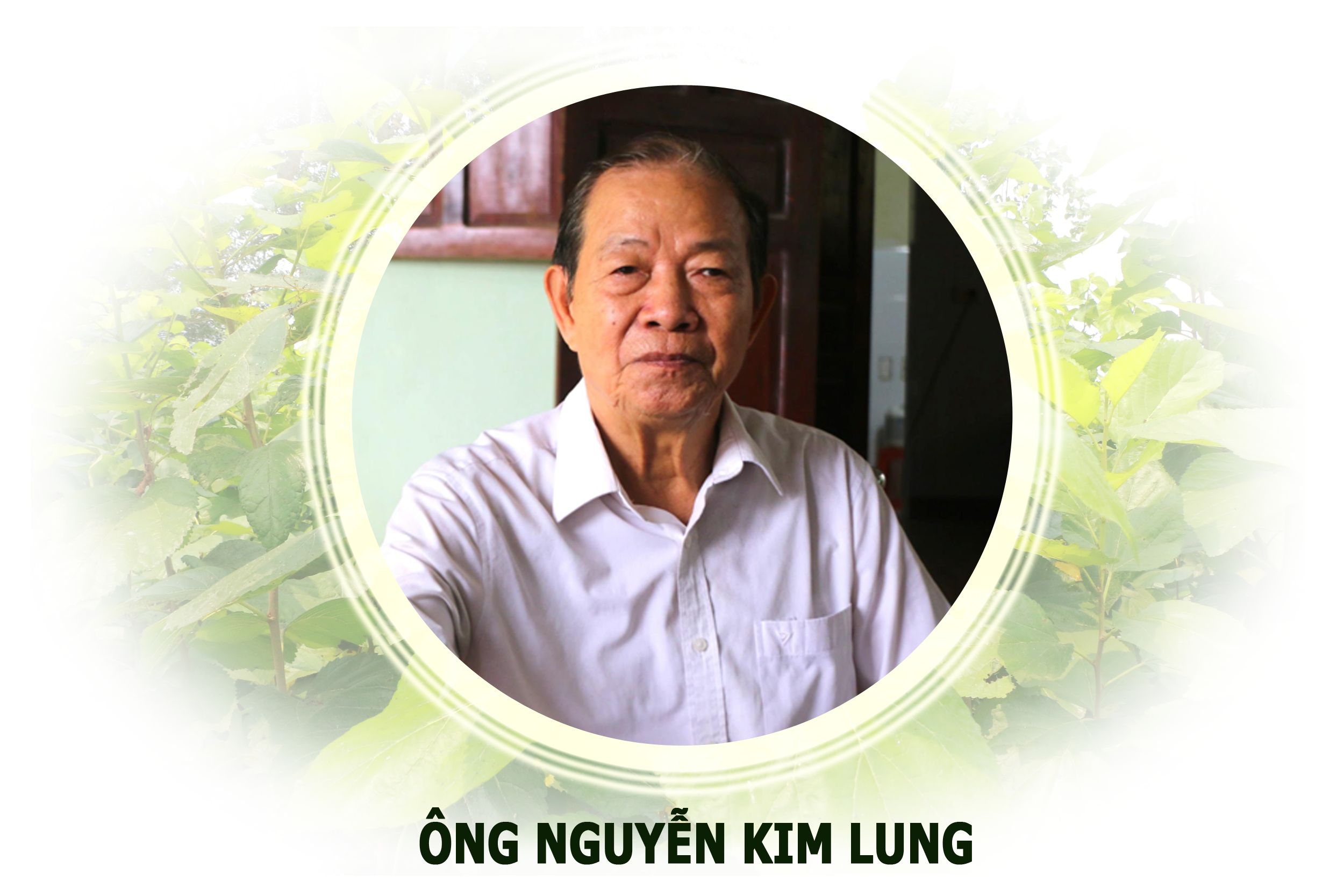
Few would have imagined that a man who was once a rocket engineer working in defense factories would spend nearly 20 years after retirement pursuing his dream of starting a business with silkworms and silk threads. "It wasn't just fate, but also a promise, a promise a soldier made to his homeland," he recounted slowly, reminiscing.
Born and raised in the Giang Nam region (formerly Thanh Giang commune, Thanh Chuong district), now Bich Hao commune, his childhood was intertwined with mulberry fields along the river, the rustling sound of silkworms eating leaves at night, and the shimmering golden cocoons under the sun. At that time, mulberry cultivation and silkworm rearing were not only a means of livelihood but also an integral part of the cultural life of the people there. But as time passed, the old profession gradually faded into memory…
In 1966, Mr. Lung passed the entrance exam to Hanoi University of Technology. But just one year later, answering the call of the Fatherland, the young student put aside his academic dreams and enlisted in the army. In October 1968, the young soldier Nguyen Kim Lung was sent to study engineering in the Soviet Union, graduating in 1974 with the rank of Second Lieutenant - Missile Engineer. He worked in many units under the General Department of Defense Industry.
After nearly 40 years in the military, he retired in 2006 with the rank of colonel. At that time, the local authorities were implementing projects to restore some traditional crops, including mulberry trees, which were gradually disappearing. But the challenge was: Who would be the pioneer? In a friendly conversation, when the commune leader expressed this concern, Mr. Lung almost without hesitation replied, "Let me do it!"
Many people thought he was just joking, wondering if a 60-year-old former rocket engineer, a retired army colonel with a high salary and successful children, could possibly "take on" the silk industry. But for Mr. Lung, it wasn't a joke. It was a solemn promise from a soldier, a heartfelt desire to revive a traditional craft and contribute to his homeland.
Before starting the project, he spent three months traveling throughout the silk-producing regions of Northern Vietnam, visiting both thriving and declining areas. He stayed the longest in Moc Chau, then went all the way to Bao Loc (formerly Lam Dong province), the country's silk capital.
Not content with just working domestically, he also traveled to China and Laos to learn about the market and technology. "Whatever you do, you have to understand it down to the root," he said, his voice slow and deliberate.
In 2007, he founded Lam Giang Silk and Mulberry Enterprise. In the early days, he invested in factories, developed raw material areas, imported silkworm breeds, guided farmers in new techniques, and boldly put into operation two automated silk reeling and spinning lines – a daring move for a private enterprise at that time.
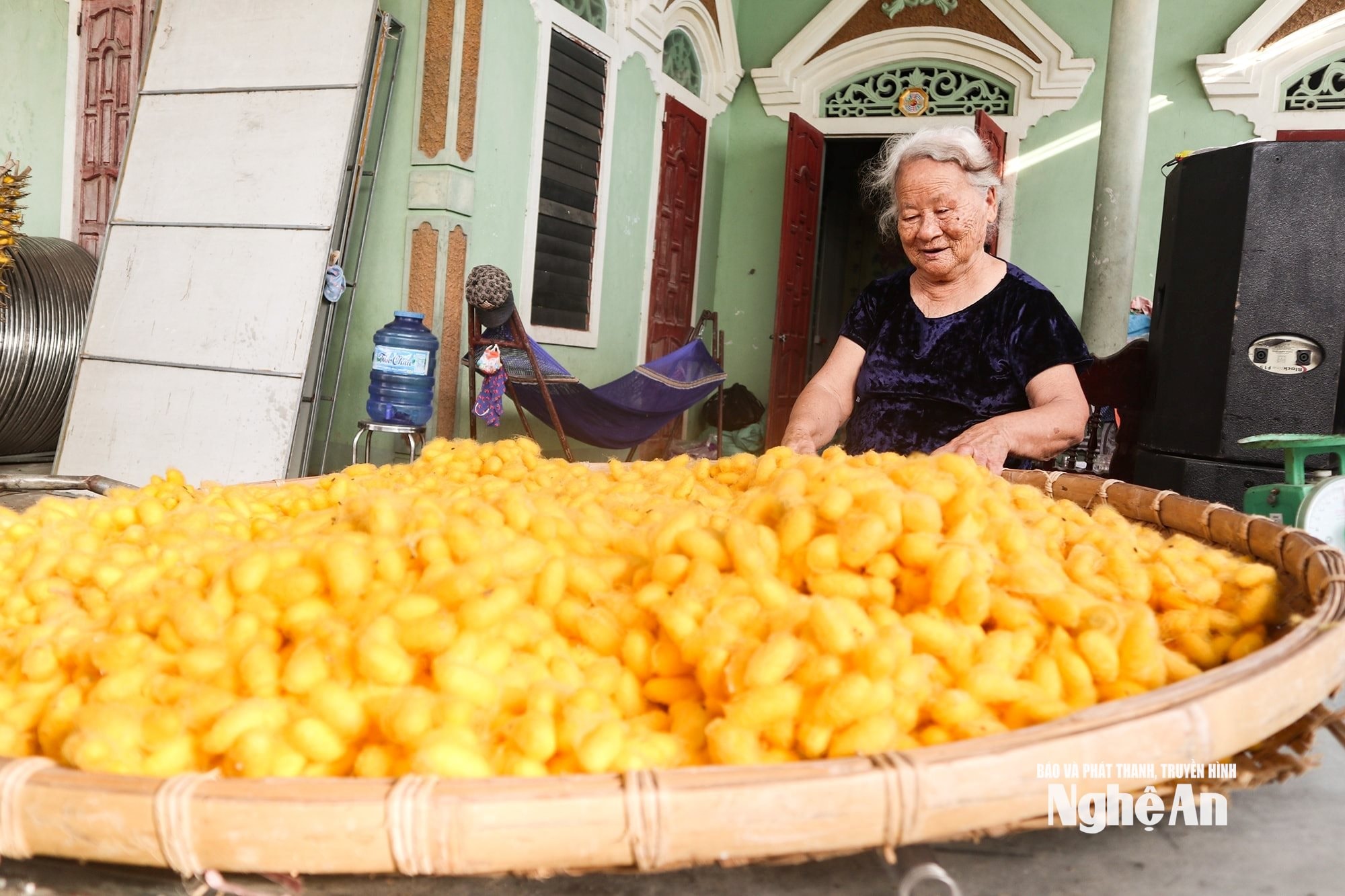
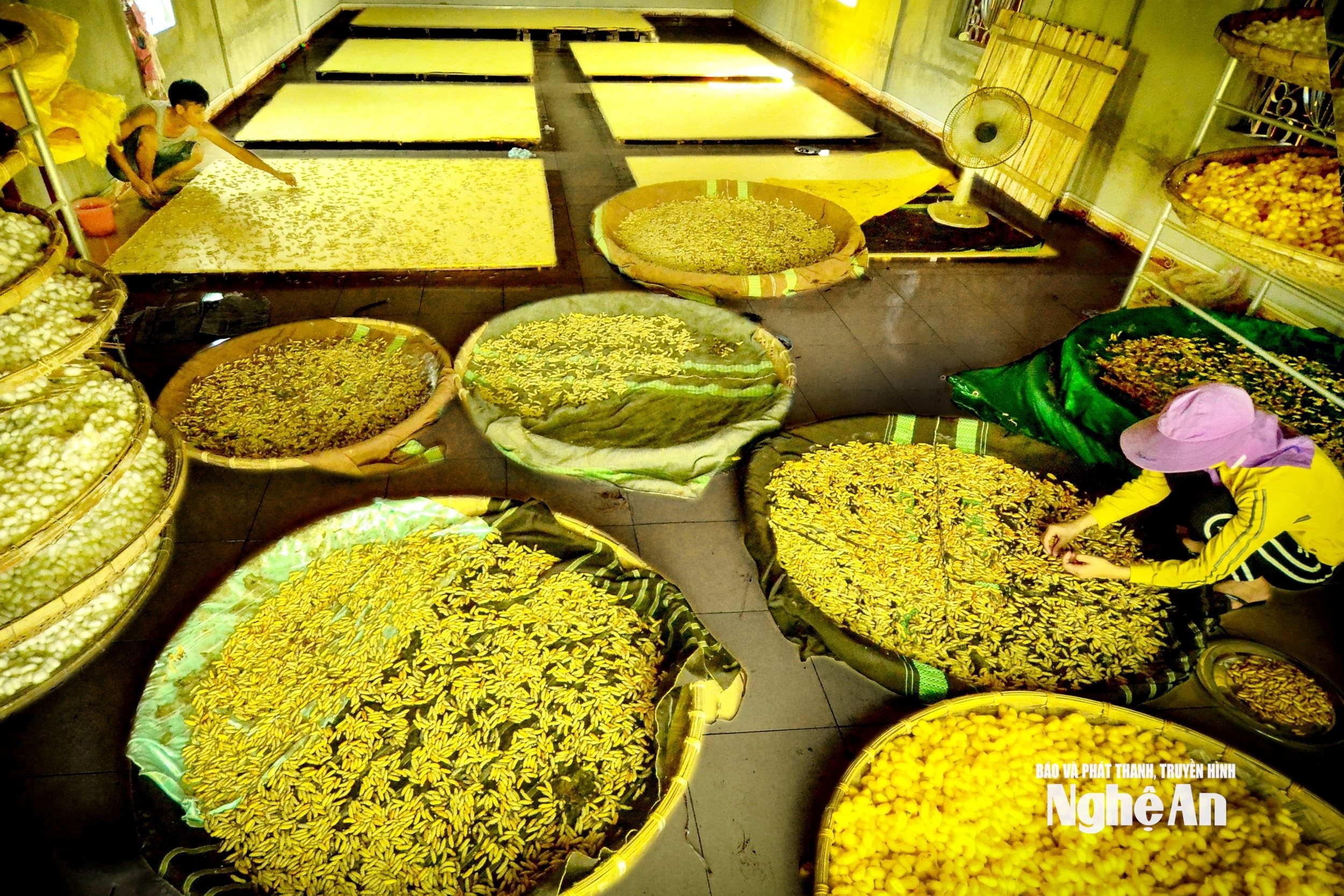
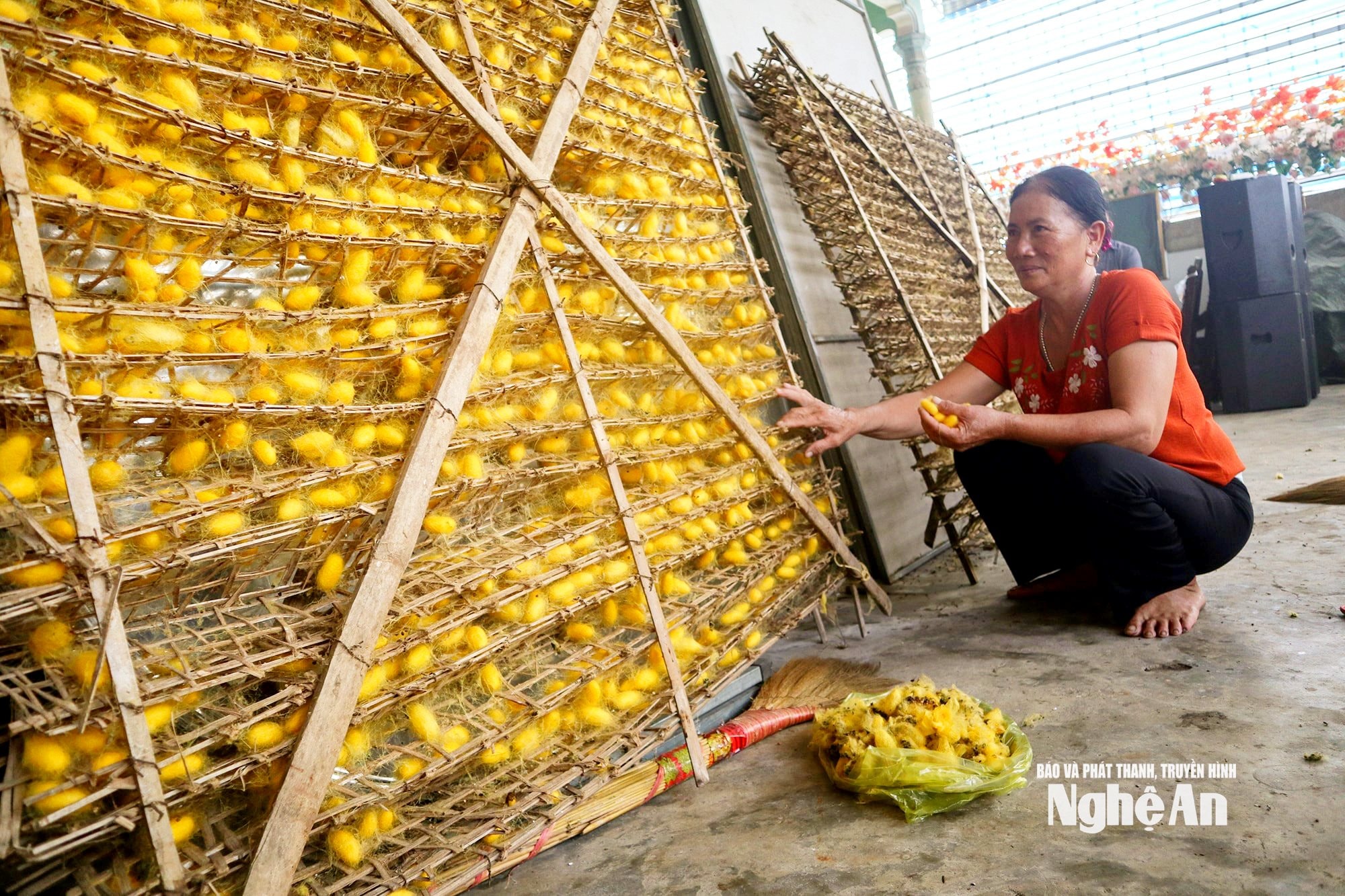
But the road was not smooth. By 2014, difficulties began to emerge: market volatility, fierce competition, and unstable raw material supplies.
It was during this period that the old soldier once again chose to go against the grain, not retreating, but changing direction. From traditional silk production, he found a new path with self-knitted silk fabrics, utilizing the natural habits of silkworms to create high-quality silk comforter fillings. Through research, he learned that during the cocooning stage, silkworms have the ability to naturally interlock their threads, forming flat layers. From there, he researched, experimented, and produced self-knitted silk fabrics that were well-received by the market.
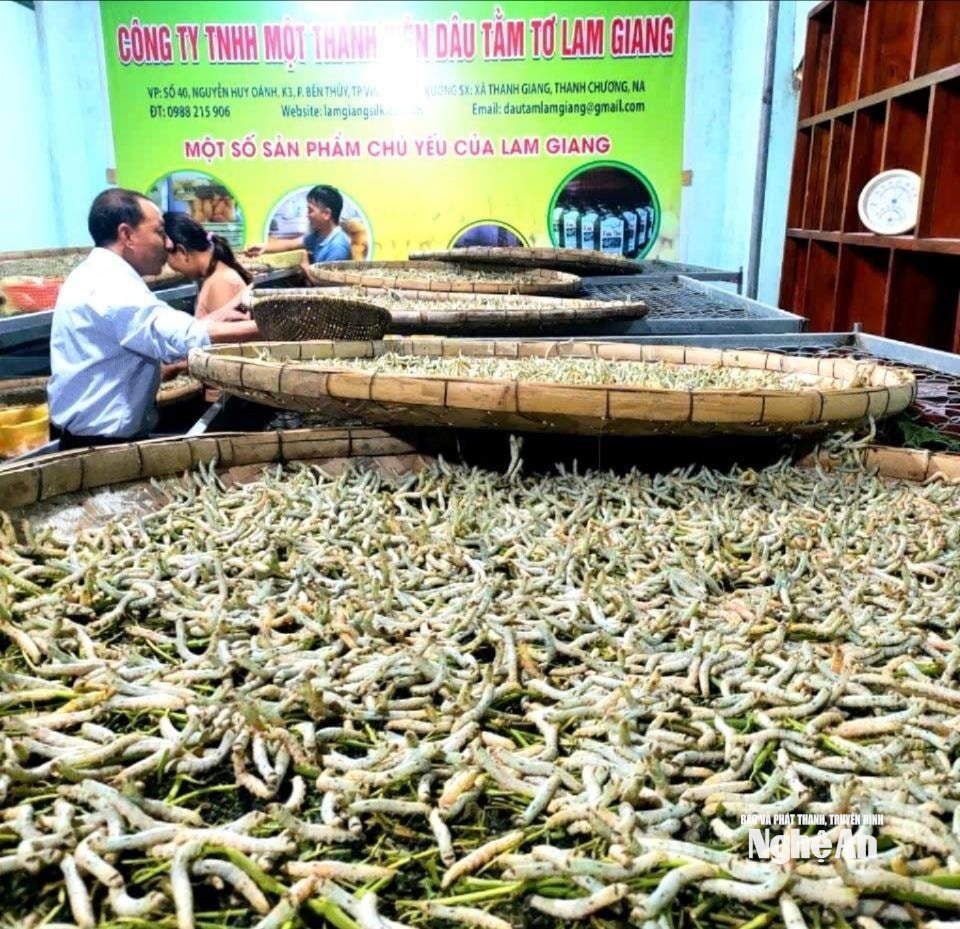
However, he realized that allowing silkworms to spin their silk until they had completely lost their strength would exhaust them and cause death, resulting in a significant waste of silkworm pupae. From 2015 to 2018, he practically "lived and breathed with silkworms," dedicating all his time to observing their biological habits and activity patterns, meticulously recording every small change to optimize the process, ensuring both high-quality silk and marketable silkworm pupae. "Knowledge is key. But you must have dedication and passion to succeed in this profession," he concluded.
After achieving success with his hand-woven silkworm products, a new direction gradually emerged. He transferred the technology to the villagers and bought back the raw products at a price of 1.2-1.5 million VND per kilogram of clean, hand-woven silkworms. Despite achieving certain results, he realized a reality: the traditional production model, even with improvements, still struggled to compete with imported goods, especially from China. After 10 years, the retired colonel made a decision that surprised many: to temporarily halt production to find a new direction.
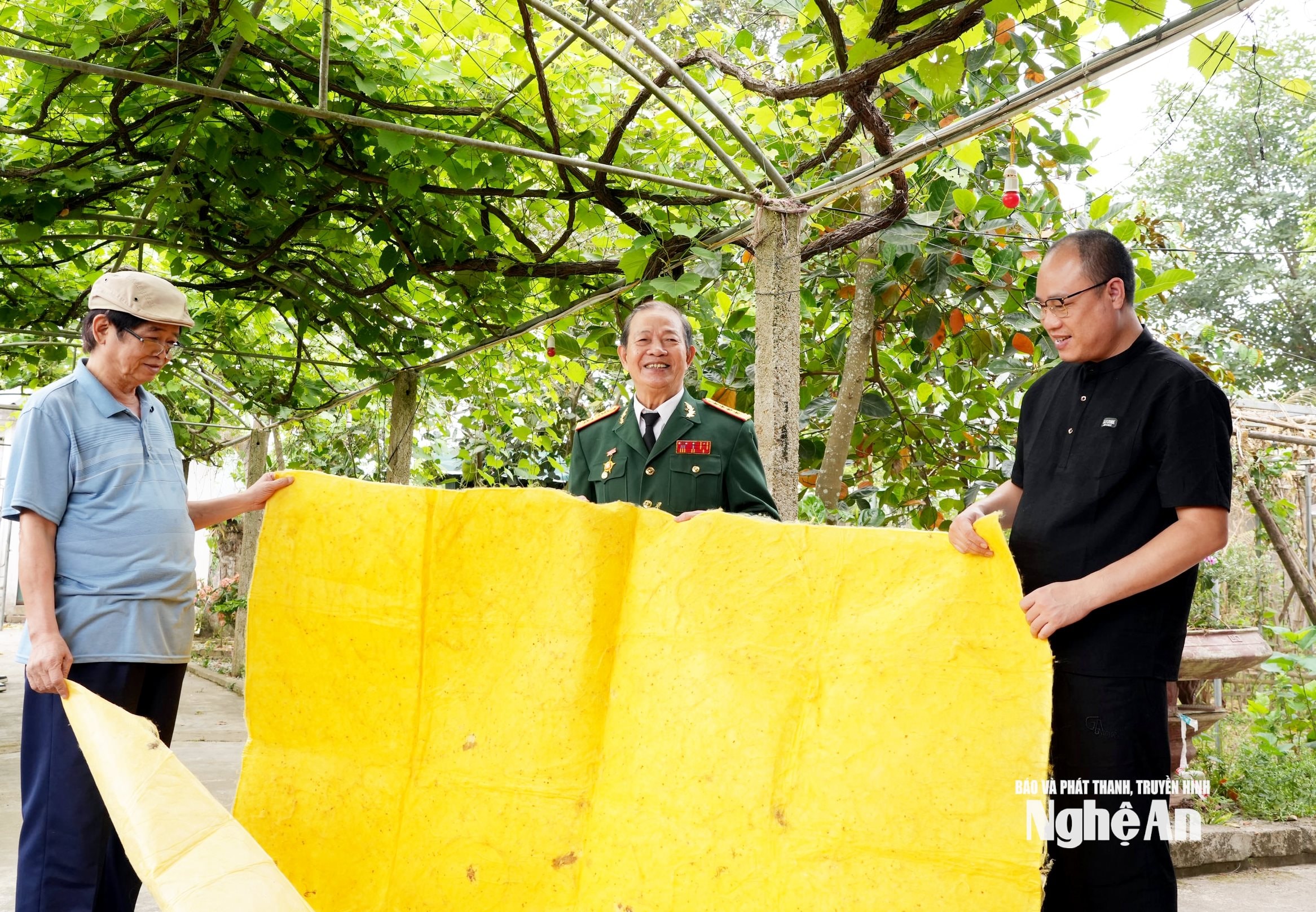
In 2019, he shifted his focus to a completely different field: extracting sericin – a protein found in silk – for use in cosmetics. He established the Lam Giang Silk-Silk-Mulberry Technology Innovation Research Group, focusing on new applications of silk in healthcare and beauty. Sericin has moisturizing and antioxidant properties that help keep skin soft and smooth, characteristics that align with the trend of natural cosmetics.
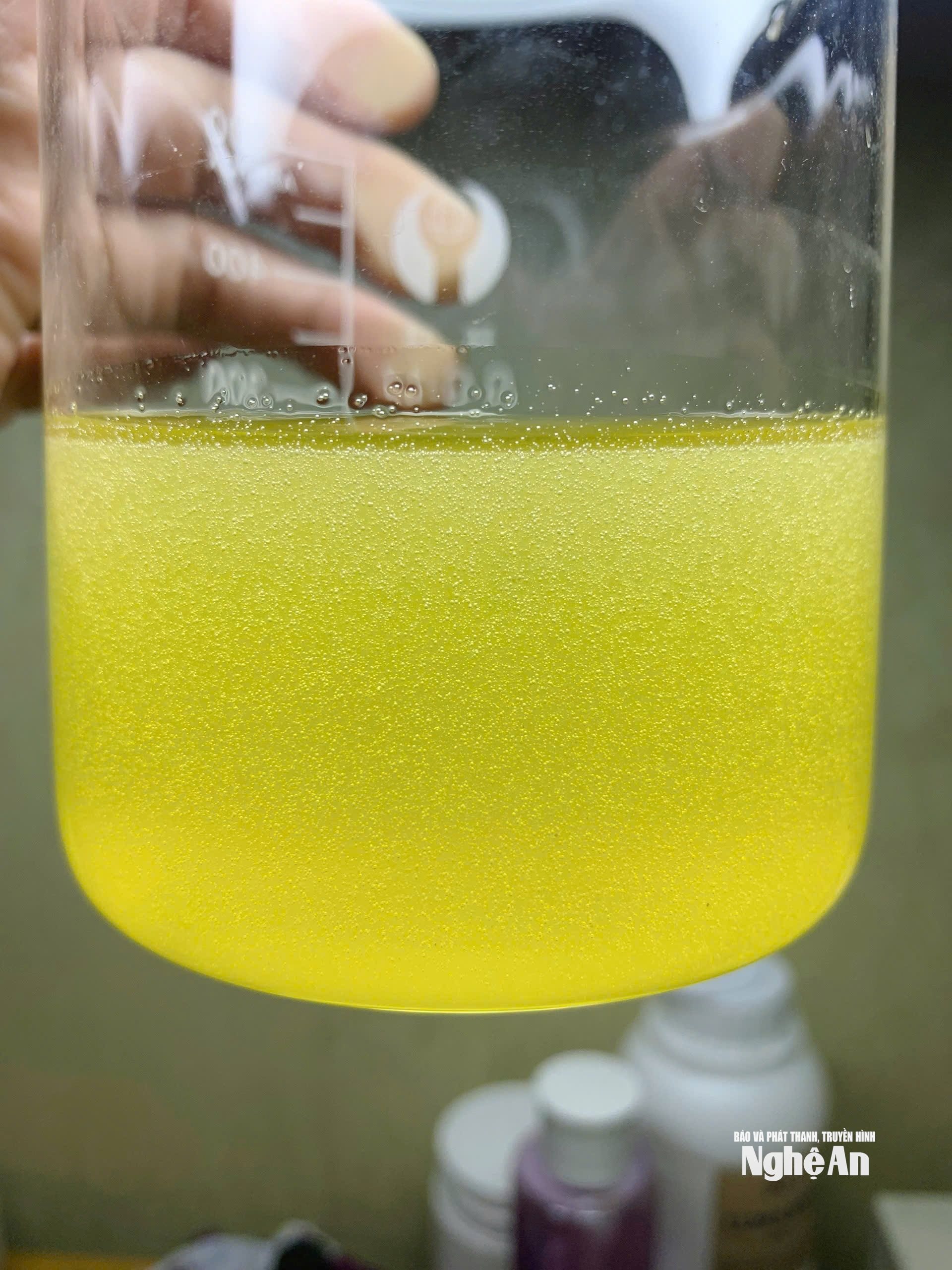
From there, a startup project with a range of products including silk masks, silkworm cocoons for beauty, creams, mulberry leaf tea, silkworm wine, etc., participated in and won the Encouragement Award at the province's creative startup competition in 2020. At that time, he was over 70 years old. However, the new journey was not easy to go further; he realized what he lacked was technology and market thinking.

The turning point in Lam Giang's silk farming journey didn't come from a decision in a meeting room, but began with a very ordinary encounter between two generations. In 2021, while browsing social media, Le Van Tung (born in 1983) - an IT engineer who owned a chain of local cafes - happened to read a story about an elderly colonel who was still diligently working with silkworms and silk threads.
The information at the time not only described a production model, but also evoked the image of a persistent individual who went against the tide, preserving an old craft with all his heart. "I was convinced not by the product, but by the person behind it," Tùng recalled. His curiosity quickly turned into a determination to meet him.
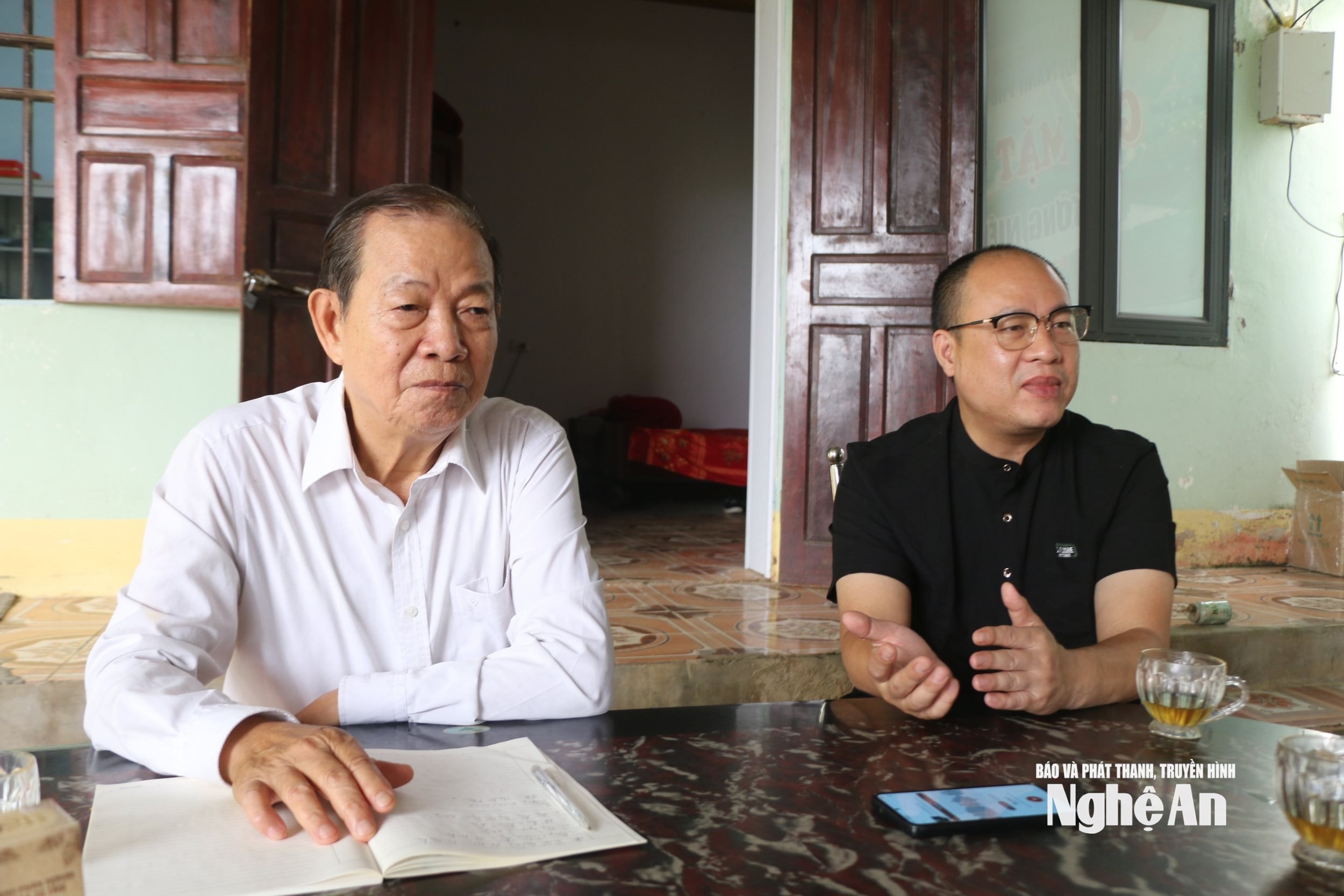
The meeting took place one afternoon, unexpectedly, in the very garden where the silkworms were regularly tended. Listening to Mr. Lung recount his journey of over a decade involved with mulberry cultivation, from establishing the raw material source and investing in the production line to his failures and career changes, Tung was almost completely captivated. But what troubled him most was the quiet pause behind the story: a model built on dedication and a successful product, yet struggling to find a way to overcome its own limitations.
"If a 78-year-old can still pursue something like that to the very end, then there's no reason for young people like me to stand aside," Tùng said, as if answering his own question about his subsequent choice.
Unlike Mr. Lung's calm and measured approach, Mr. Tung entered the conversation with the straightforward and clear thinking of a technology professional. From the very first working sessions, he didn't shy away from pointing out the weaknesses of the old model: outdated technology, products remaining in a rudimentary state, and difficulty competing in a rapidly changing market.
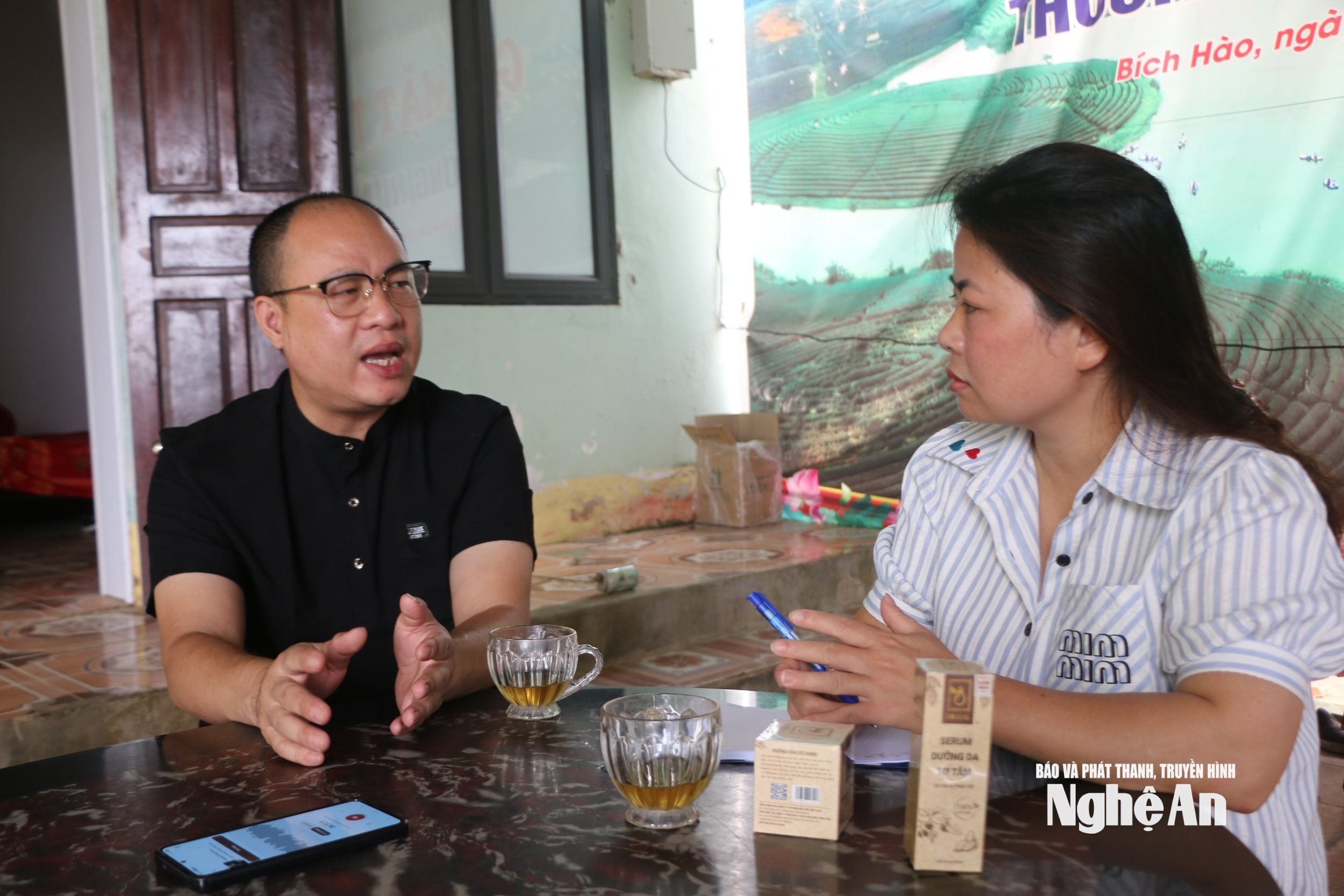
Mr. Tung frankly suggested that to go far, fundamental changes are necessary, starting with technology. His goal is no longer just silk, but sericin – the valuable "essence" within the silk itself, which could open up a completely new direction in the cosmetics industry.
It was a choice that required a trade-off. After much discussion and consideration, Mr. Lung accepted Mr. Tung's proposal. The decision to liquidate the entire production line, worth nearly half a billion dong, at scrap metal prices was not only a technical shift but also a change in mindset: from producing what they had to producing what the market needed. From then on, Mr. Tung directly participated in the process of finding a new direction. He was not just the one proposing the idea, but also directly immersed himself in learning extraction technology, searching for documents, connecting with experts, and testing the process.
His previous IT knowledge was no longer directly applicable, but it helped him quickly adapt to new research methods, data organization, and process control. Simultaneously, he began reshaping the product towards commercialization: from packaging and product storytelling to distribution channels, everything was rebuilt in a more systematic way.
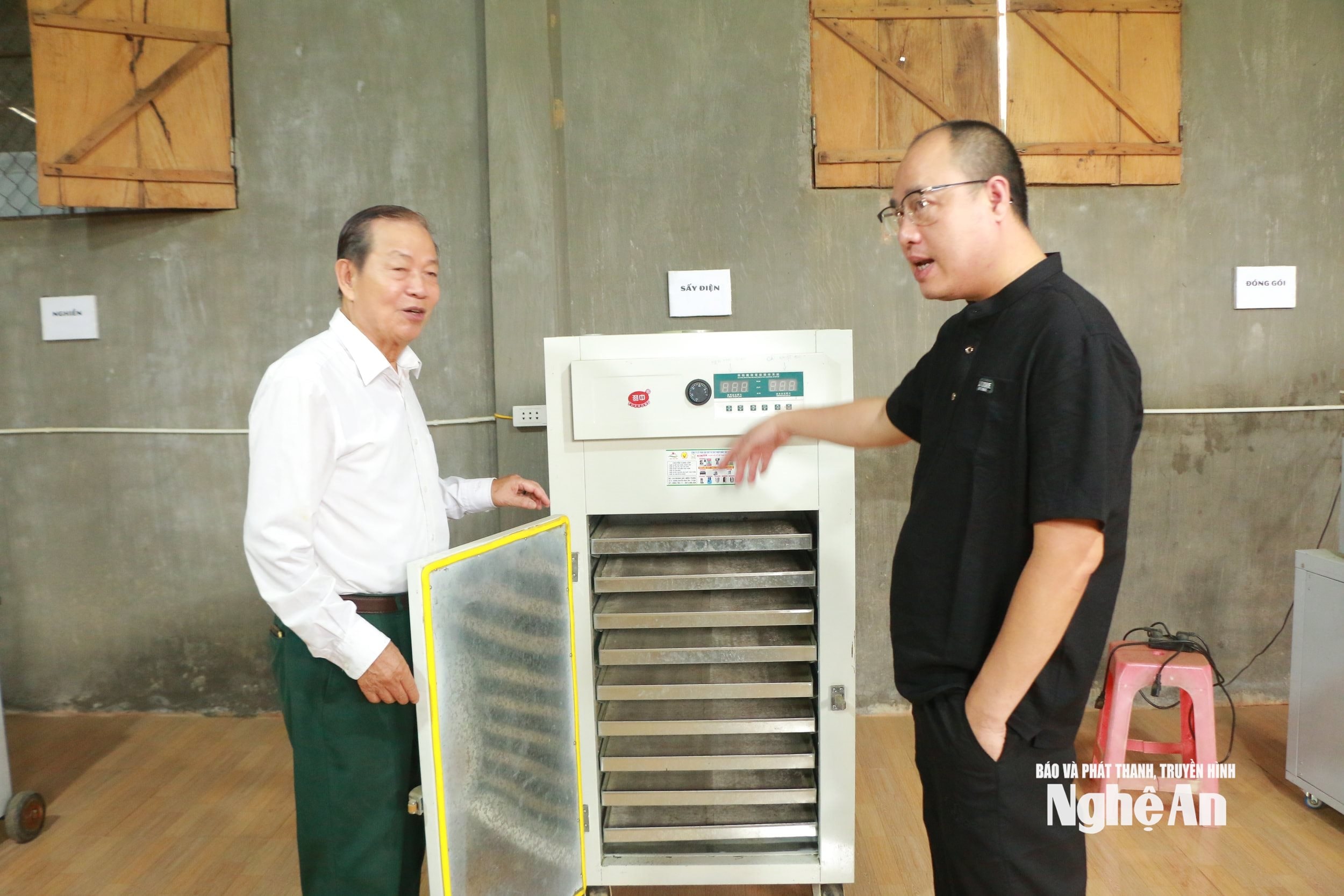
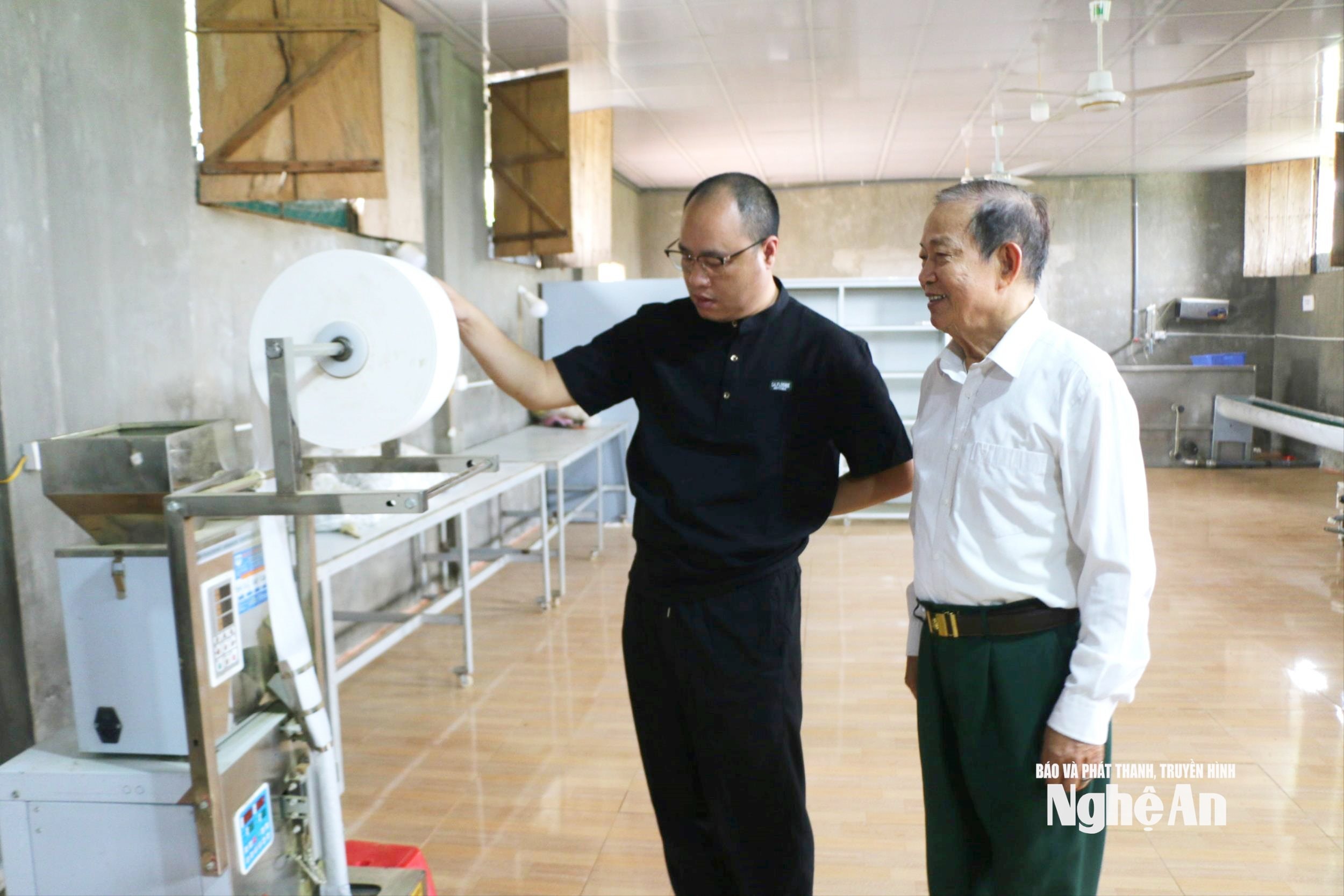
Previously, Lam Giang mulberry production revolved primarily around small-scale domestic consumption. However, under Mr. Tung's approach, the product is now finding a clearer path to the market. He leverages social media platforms—where he first learned about this story—to bring the product back to consumers in a different way: more direct, faster, and more targeted.
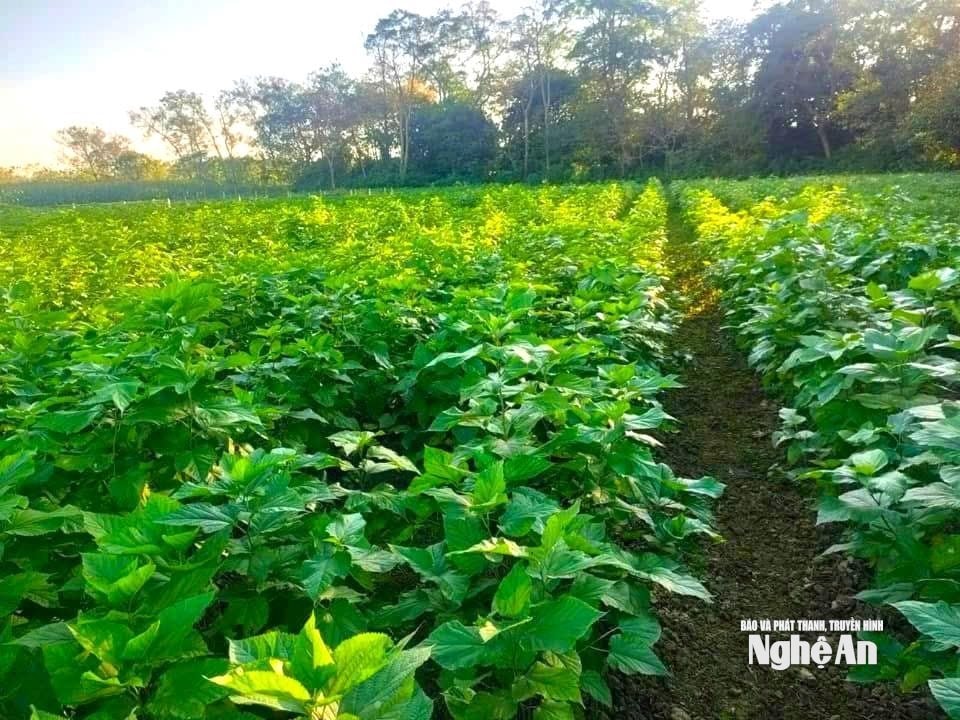
As the new direction gradually took shape, the journey gained a companion: Ms. Nguyen Ngoc Mai, a woman willing to invest nearly 1 billion VND to lease land and establish a 10-hectare farm for raising silkworms in a safe and sustainable manner.
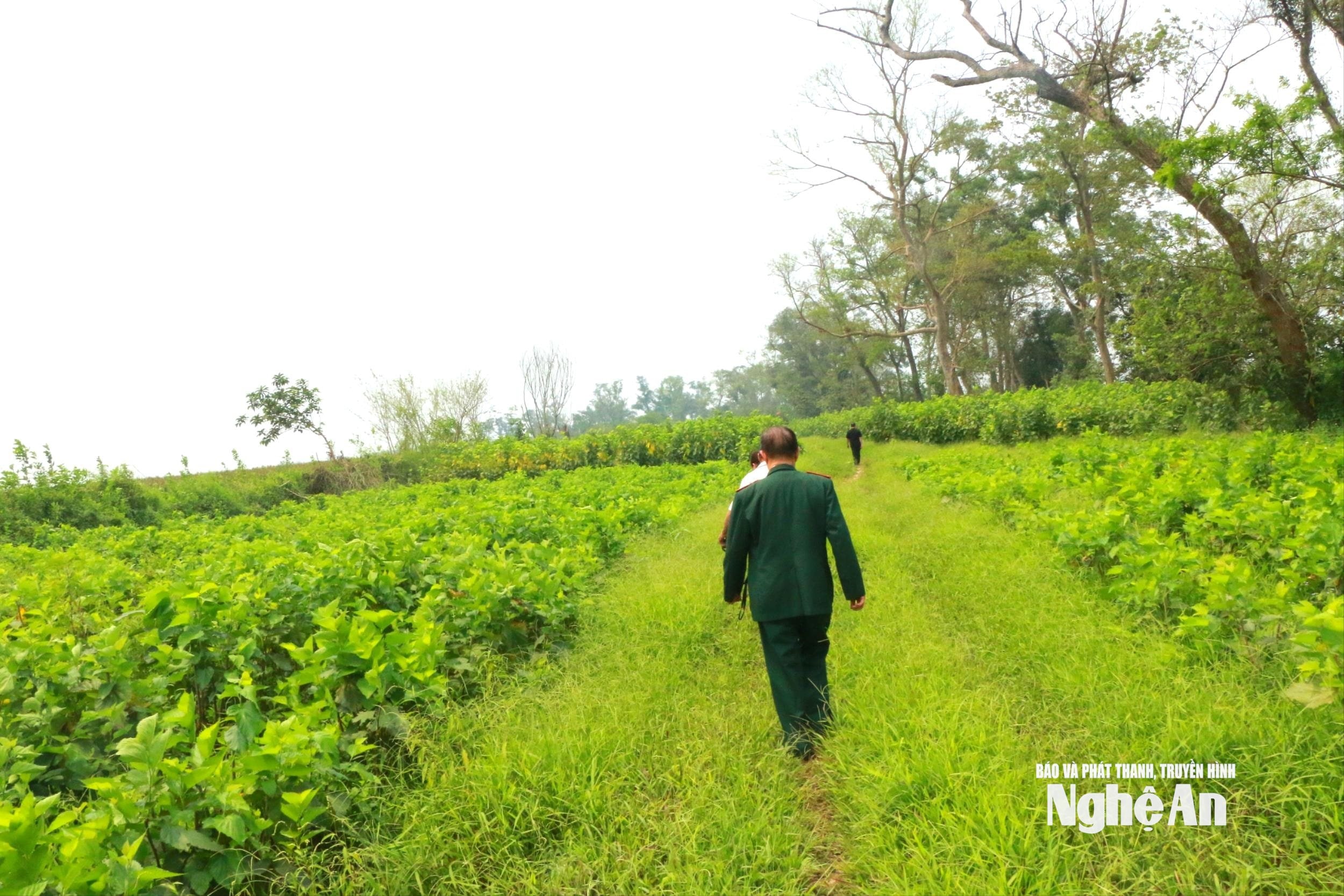
If Mr. Lung laid the foundation for knowledge, Mr. Tung paved the way for technology and markets, then Ms. Mai quietly built the raw material area. On the Thanh Luong alluvial plain, the rows of young mulberry trees from days gone by have now covered a vast area, stretching all the way to the riverbank.
Amidst the green foliage are silkworm trays in their first experimental breeding season. "Seeing the mulberry trees turn green again, I see it not just as a crop, but as an opportunity for an old craft to revive and regain its inherent value," Mai shared.
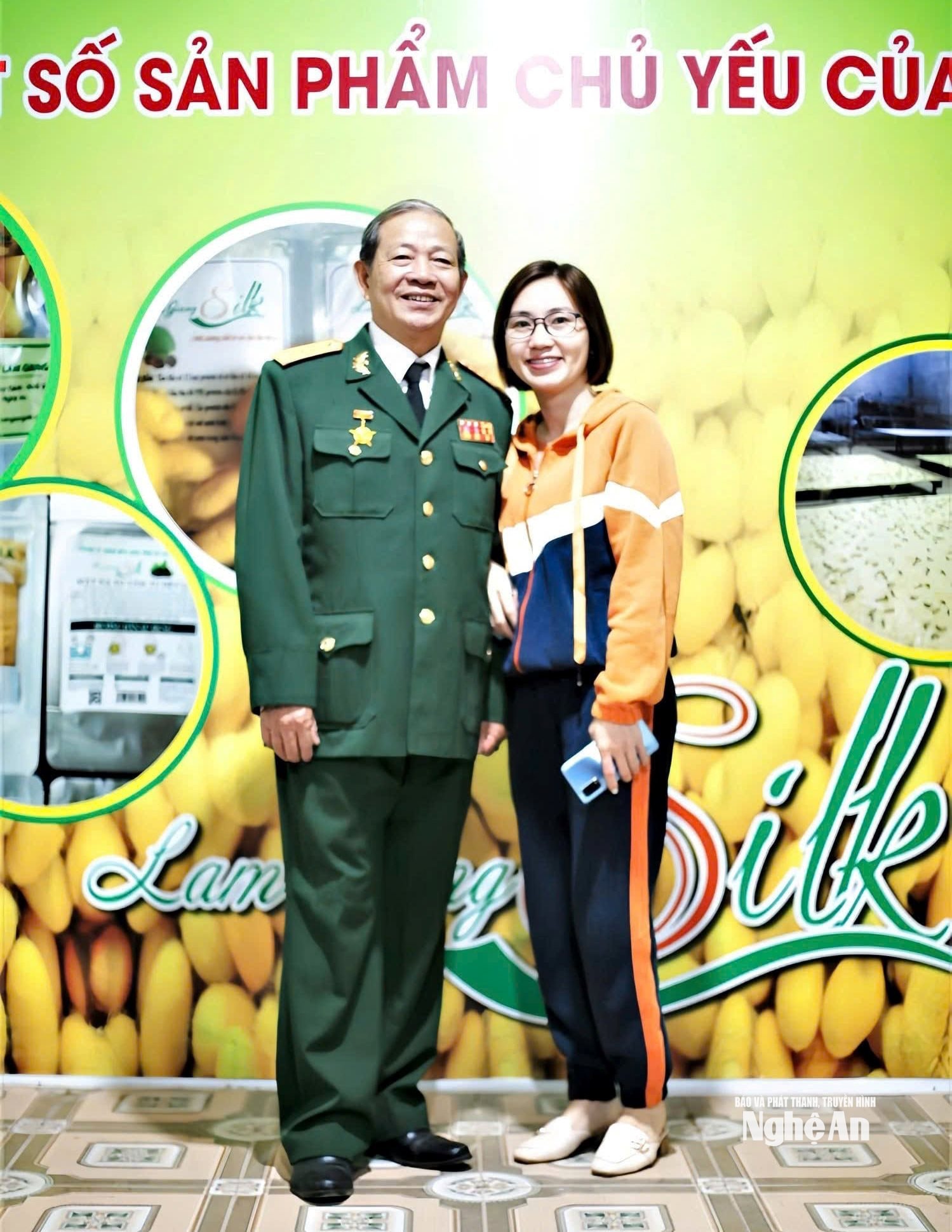
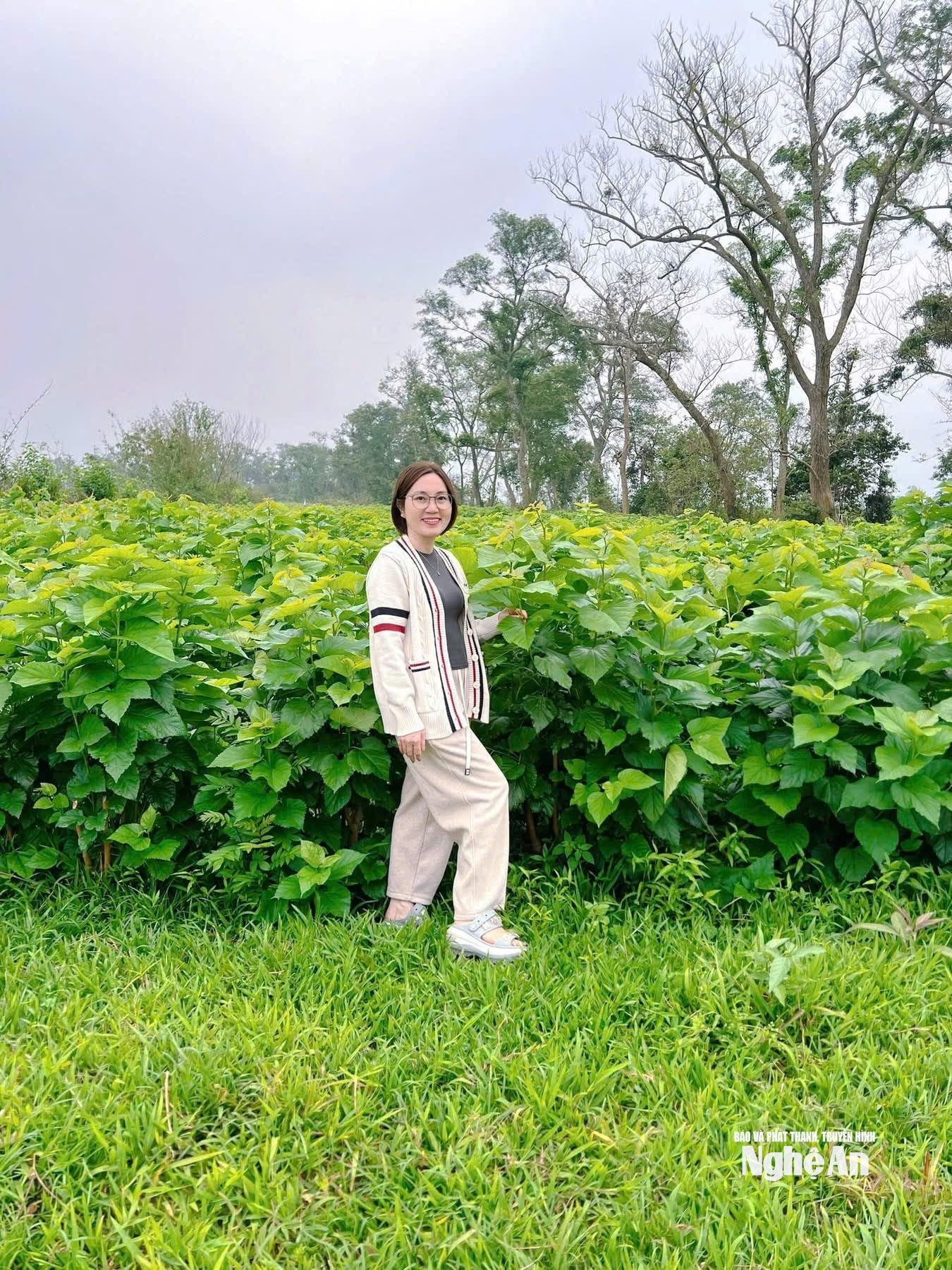
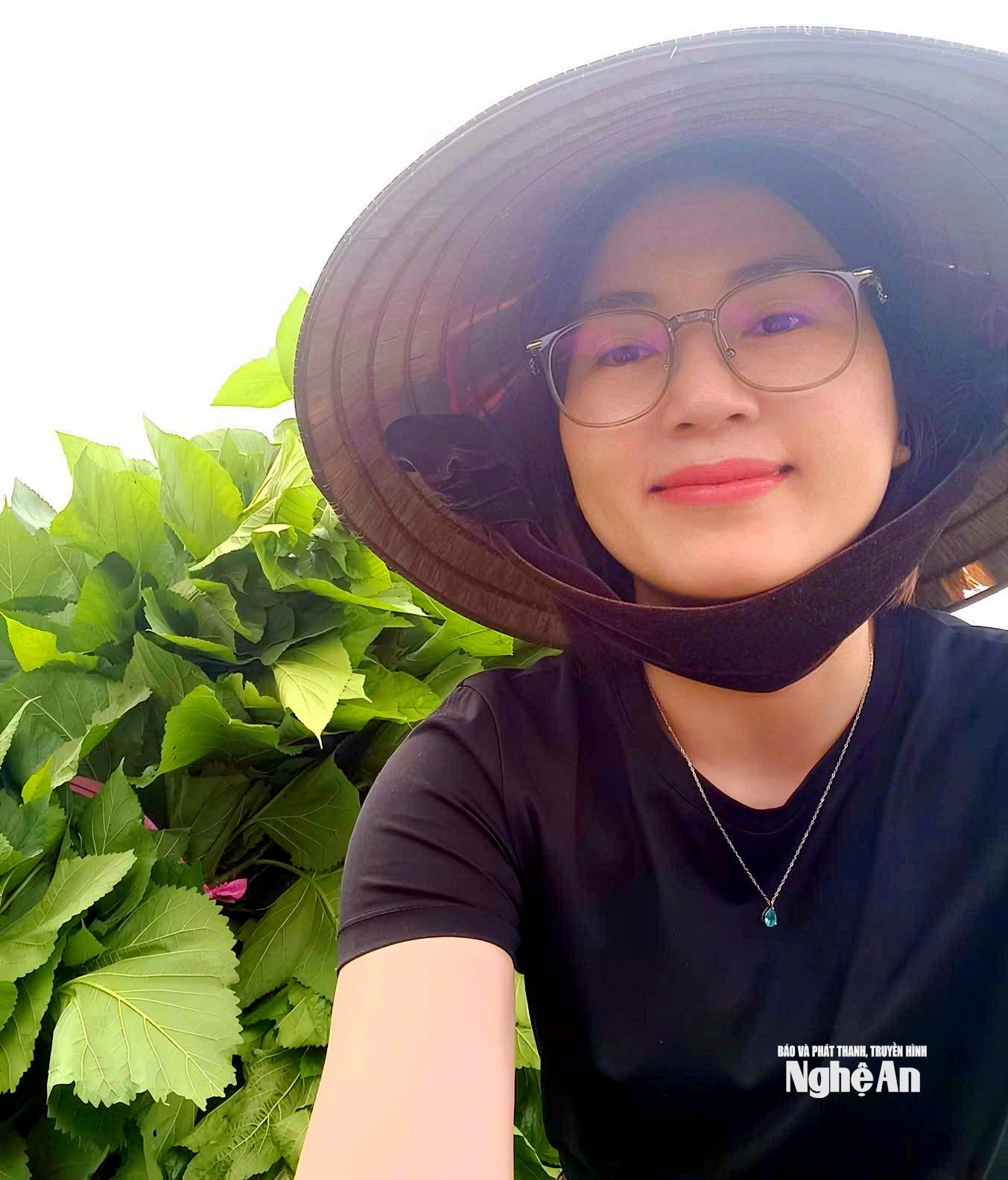
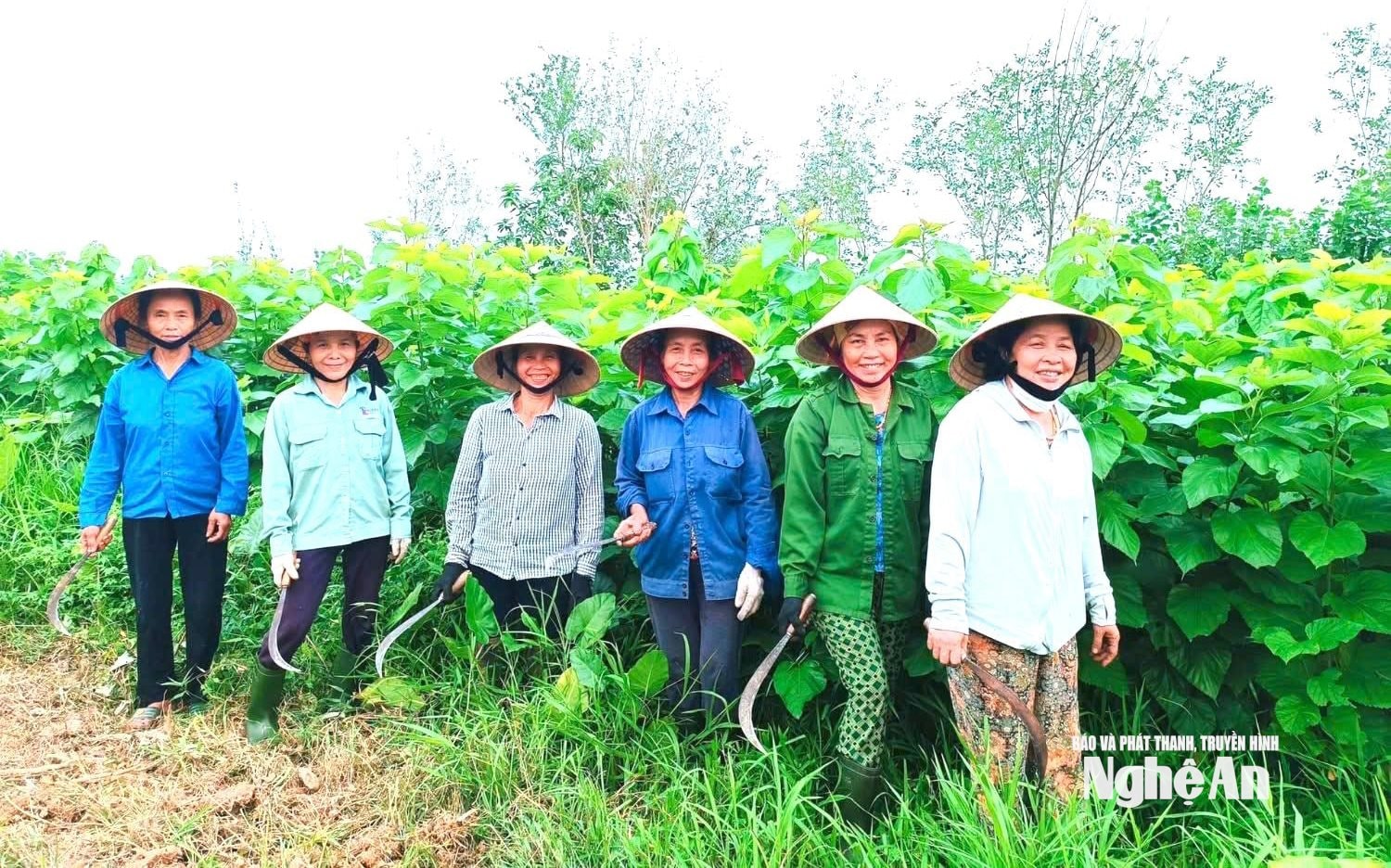
Three individuals, three different paths, yet they gradually find common ground. An old soldier persistently pursuing research and his professional memories; a young person with a technological and market-oriented mindset; and a woman who chooses to start from scratch. They didn't create a complete model from the beginning, but gradually pieced together the fragments, from raw material sourcing and processing technology to product distribution.
Without a pre-existing ecosystem, they created their own. Each person took on a clearly defined role: Mr. Lung continued his tireless research and experimentation to perfect the process; Mr. Tung learned and worked simultaneously, connecting technology, shaping the product, and finding markets; and Ms. Mai patiently tended to each strawberry bed, maintaining a stable supply of raw materials to create a tightly integrated chain.
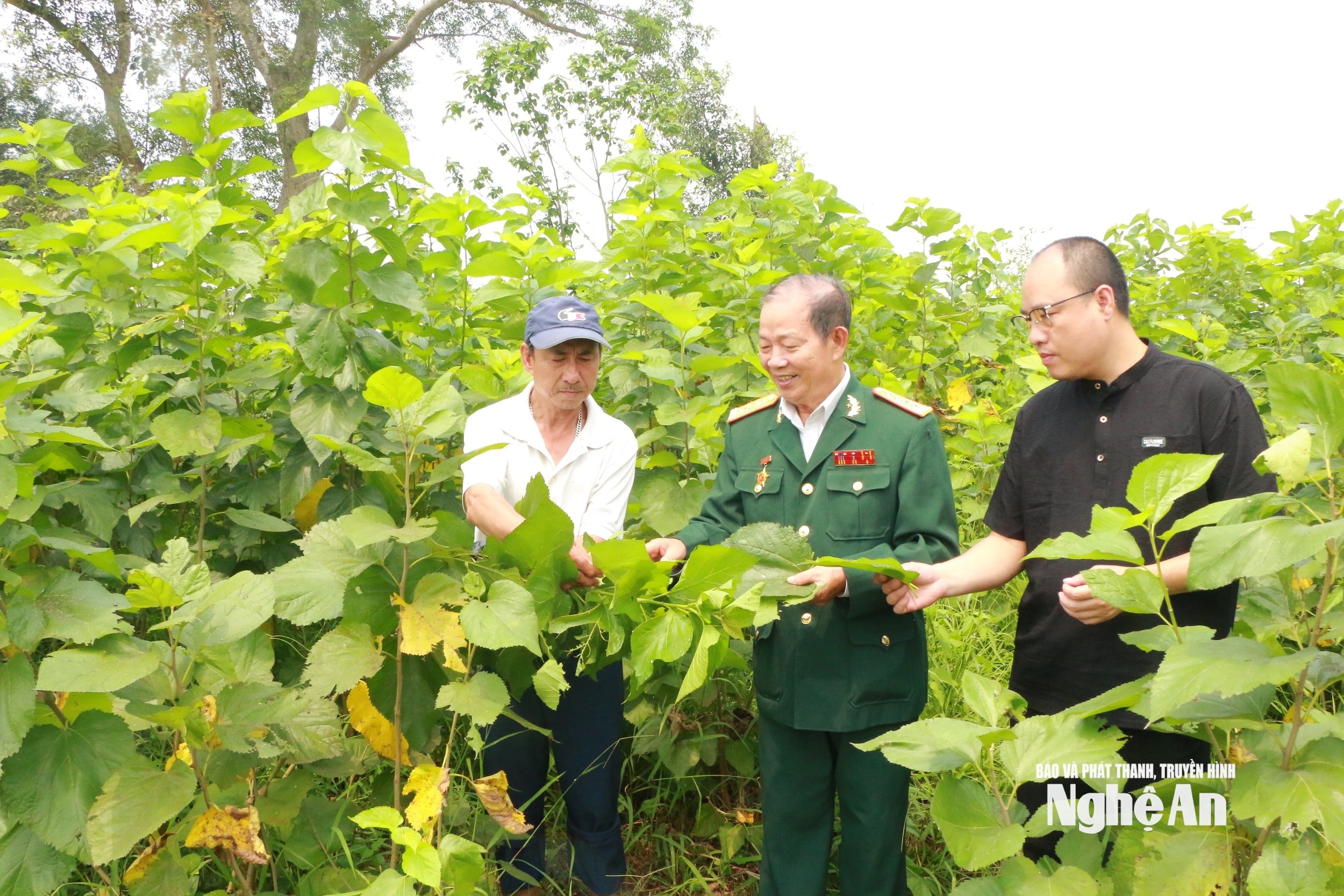
After numerous trials, the first mulberry-based cosmetic products under our own brand were officially launched in March 2026. From creams and serums to product lines still under development, all are designed to be affordable yet high-quality.
The product has started appearing on the market, being sold through a network of distributors and online channels, reaching thousands of orders each week. The numbers aren't huge yet, but they're enough to show a clear signal: Mulberry, if treated correctly, can absolutely create new value.
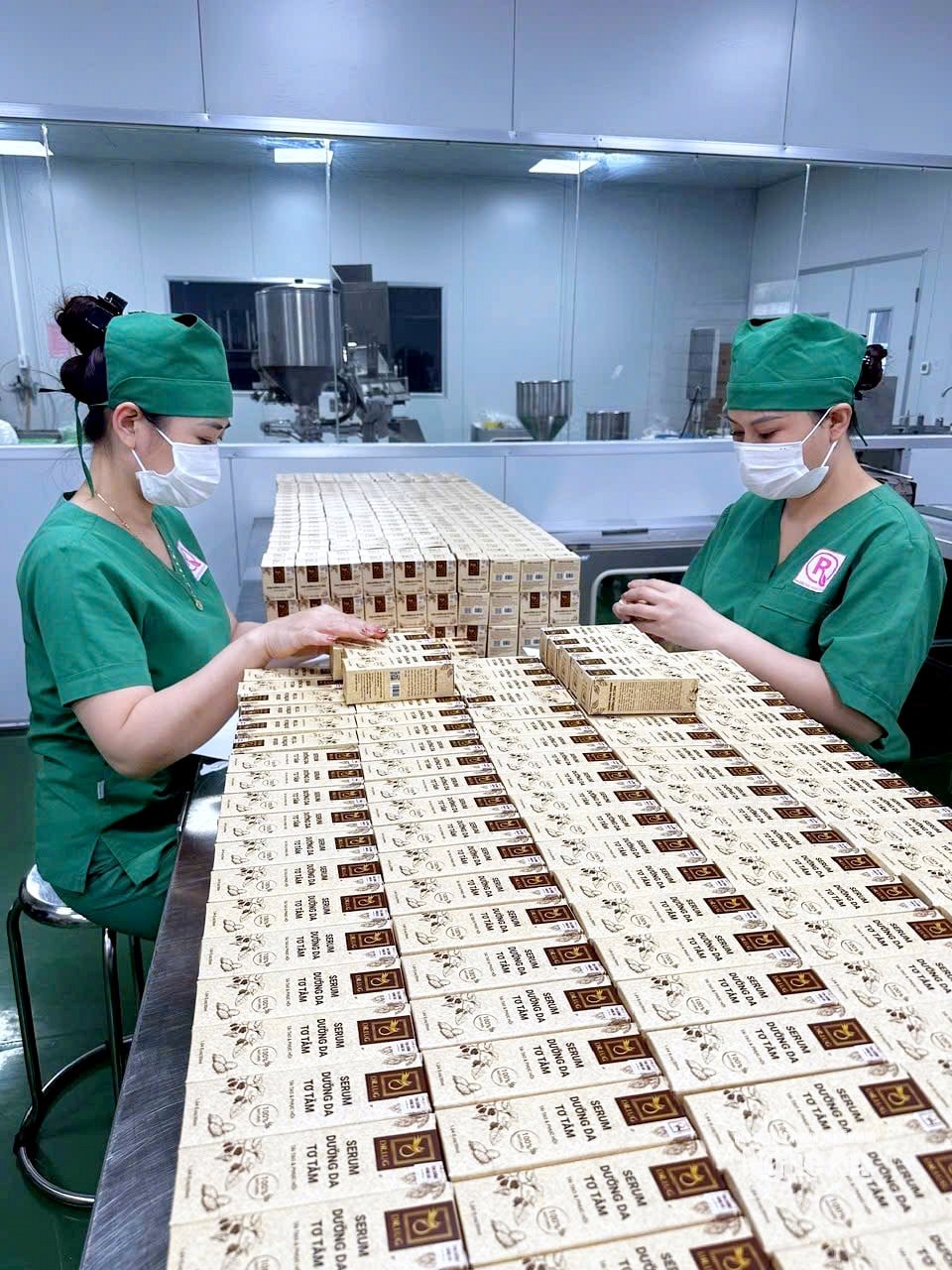
However, for those involved, this is just the beginning. A long road lies ahead with many plans: expanding the sericin-based product line to include masks, toners, and facial cleansers; developing additional products from mulberry leaves such as tea and wine; and gradually improving to meet OCOP standards.
But above all, their goal is not just a cosmetics brand, but an economic model linked to local identity and livelihoods. "If we want people to return to mulberry cultivation and silkworm farming, we have to show them the results. If we haven't demonstrated it yet, they won't believe," Mr. Lung said, his eyes maintaining their familiar calmness.
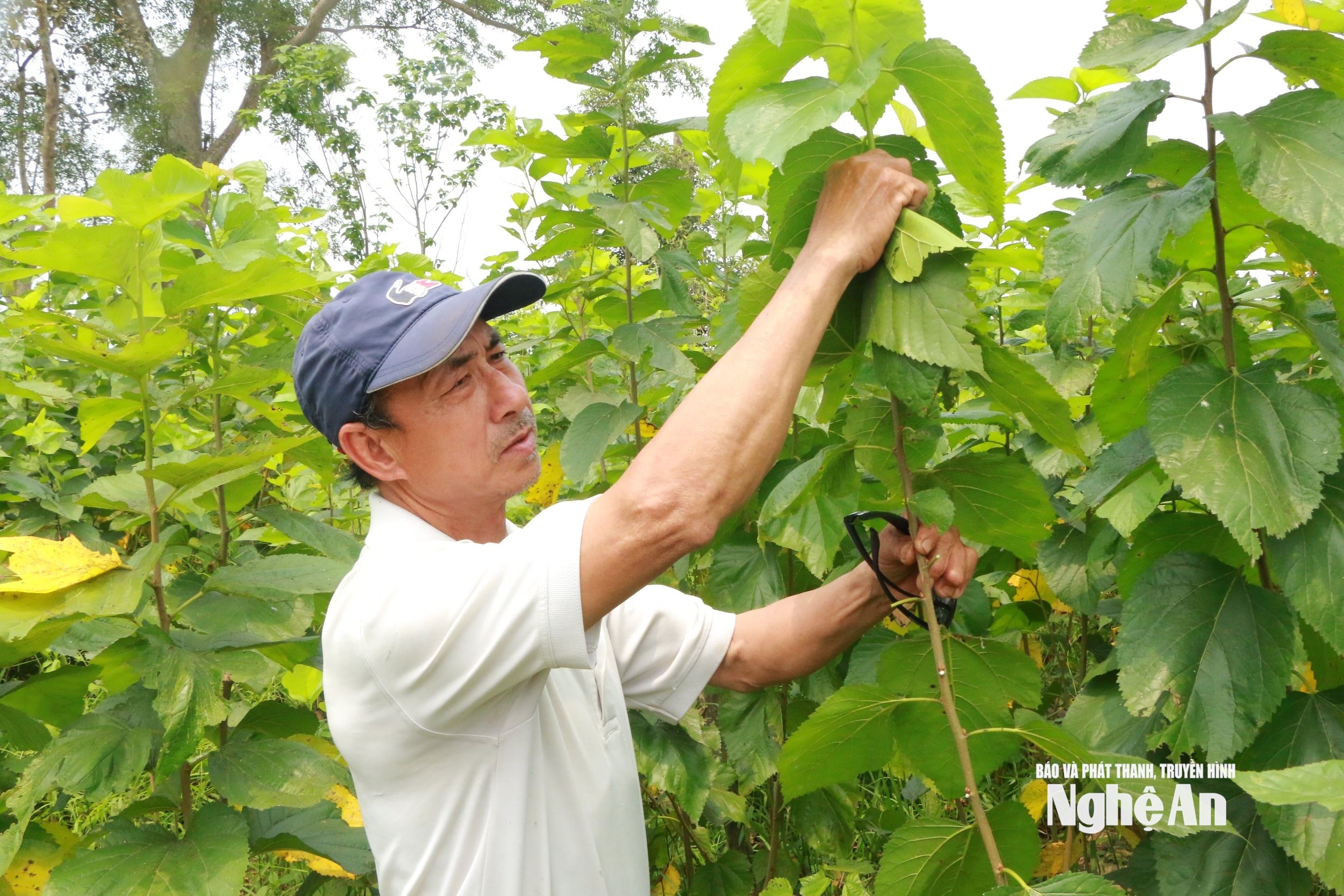
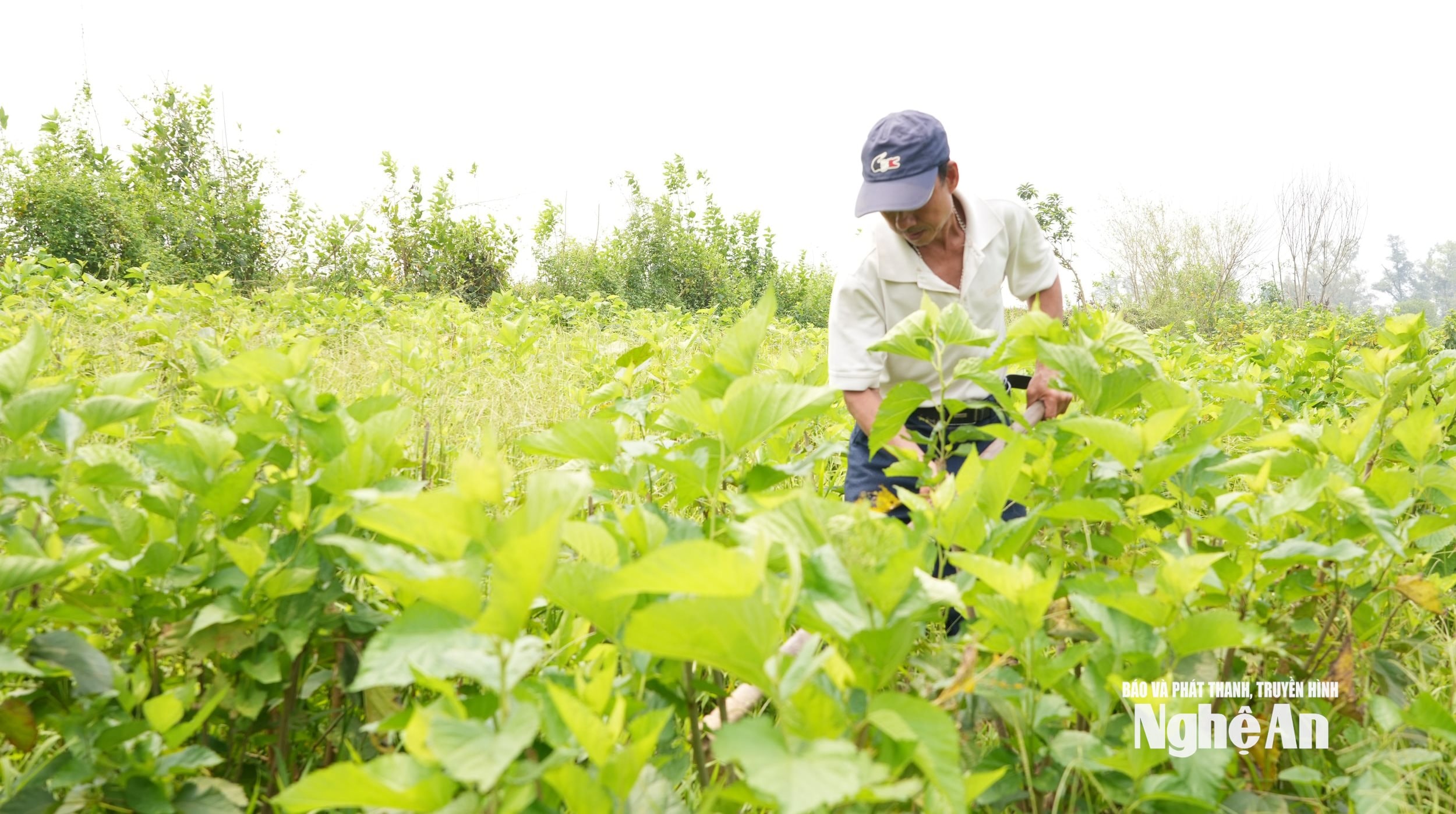
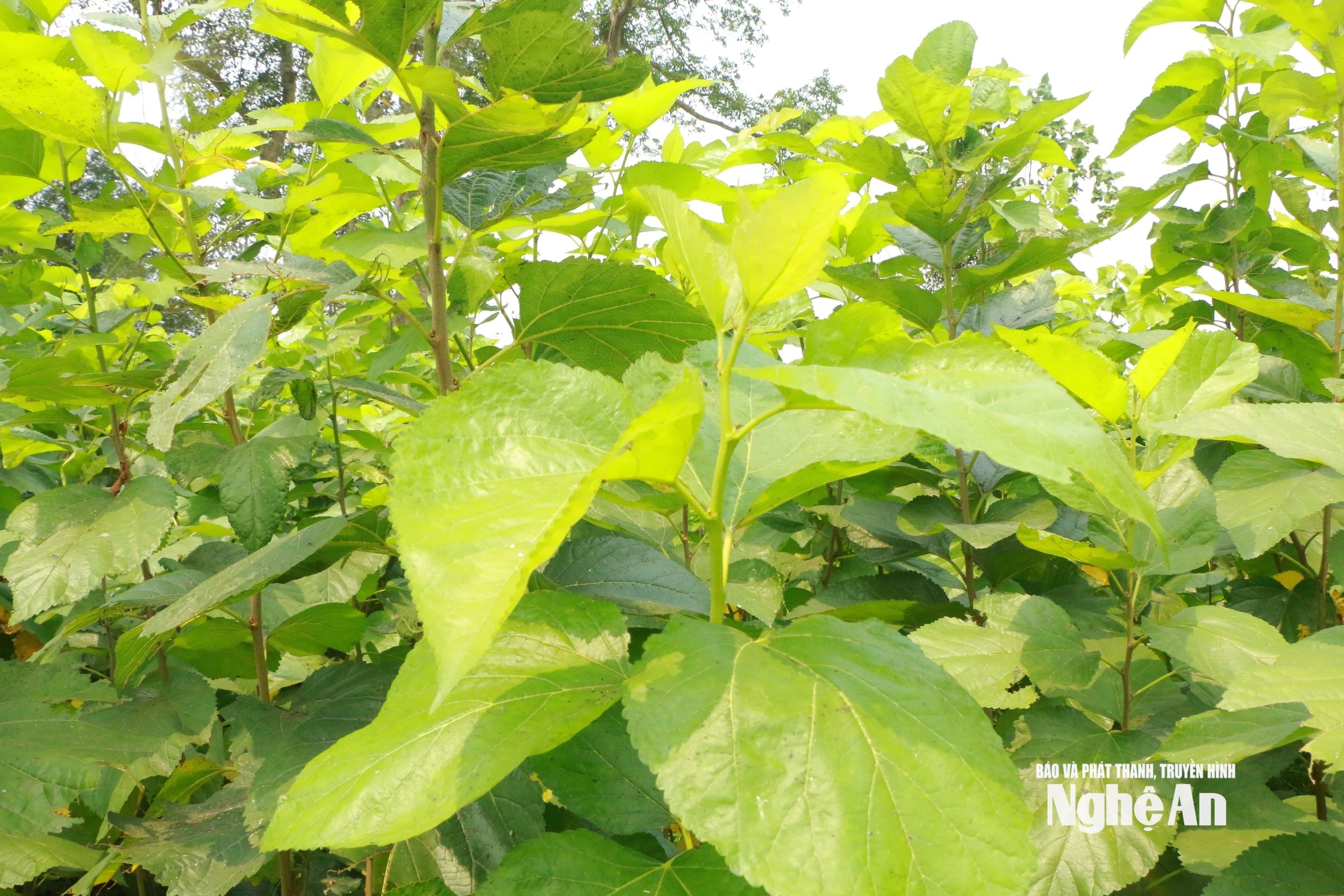
In the context of modern agriculture facing significant pressure on production and costs, silkworm farming opens up a different path, where value is created at multiple levels. Silkworm cocoons can be used to make silk, silkworm pupae become food, and sericin is used in cosmetics. It's a closed-loop lifecycle, with minimal waste, environmentally friendly, and capable of adding value at each stage.
Amidst the vibrant green mulberry fields reviving along the Lam River, their story goes beyond a mere production model. It's a journey connecting generations where memories aren't forgotten, but renewed through contemporary approaches and a vision for the future…


