
A new phase for Russia-Syria relations?
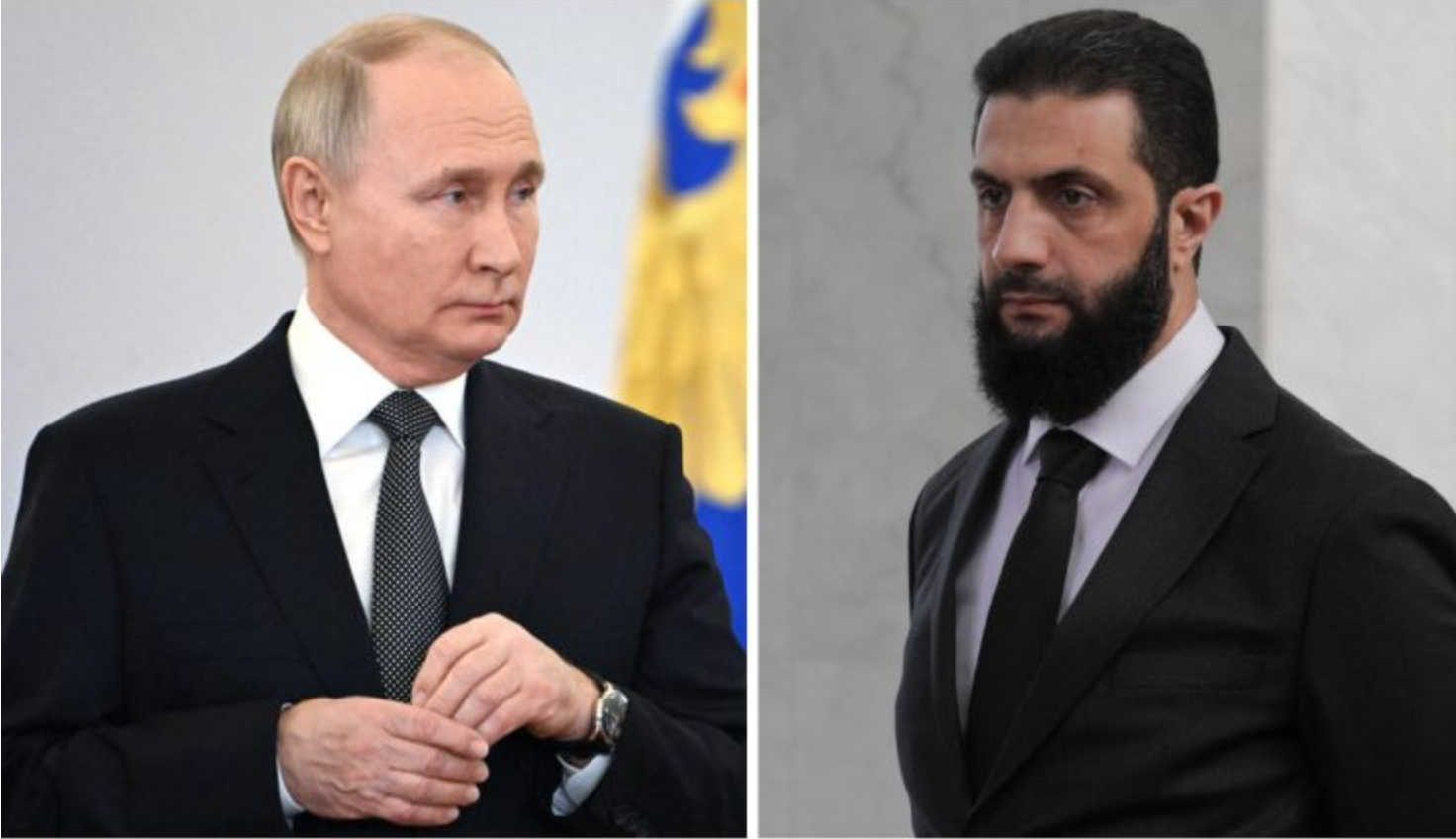
Syrian interim President Ahmed al-Sharaa is currently visiting Russia, where he is expected to have an important meeting with President Vladimir Putin in Moscow. This is al-Sharaa's first visit to Russia since the overthrow of former President Bashar al-Assad's regime in December 2024. The trip is considered a significant symbolic visit, potentially ushering in a new phase in bilateral relations between Russia and Syria!
Design establish copper bright new
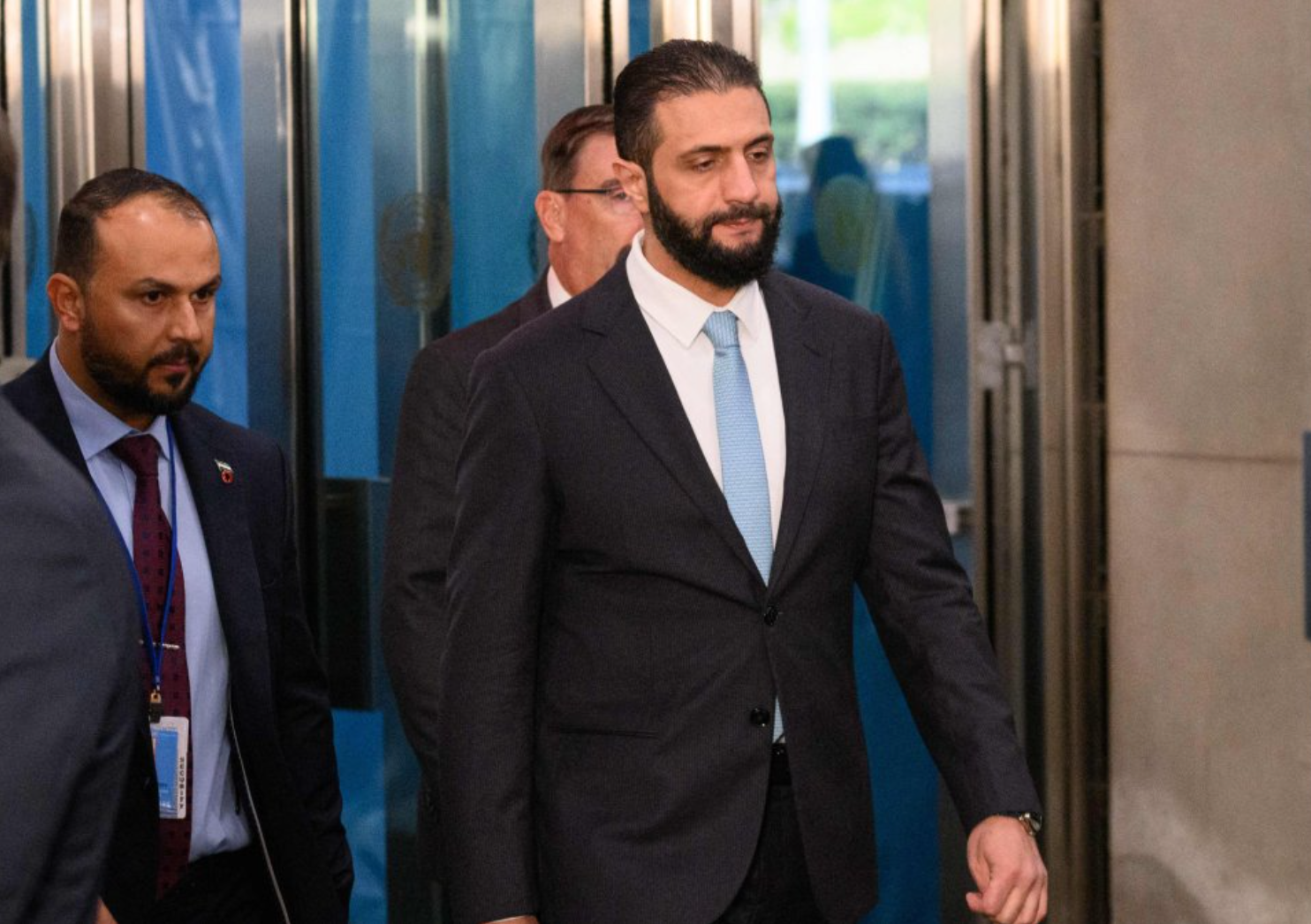
The public will surely remember that former Syrian President Bashar al-Assad was once one of Russian President Putin's long-standing and close allies. Significantly, interim President Ahmed al-Sharaa – a former leader of al-Qaeda's Syrian branch – was the one who commanded the rebel forces, controlled the capital Damascus, and formed a new government late last year, ending years of Assad's rule. Consequently, the long-standing relationship between Russia and Syria has become strained since al-Sharaa came to power. Former President Bashar al-Assad had to flee to Russia for refuge after his regime collapsed.
Some reports indicate that Russia subsequently rejected the new Damascus government's request to extradite al-Assad back to Syria to face trial for a range of charges including murder, torture, and the disappearance of thousands of Syrians. The new Syrian leader stated at the time that he had offered to allow Russia to maintain its military presence in Syria in exchange for al-Assad's extradition. Although Moscow rejected this agreement, al-Sharaa hinted that his government could not rule out future military cooperation with Russia, given the Syrian army's reliance on Russian weapons.
However, positive signs began to emerge later as Russia took steps to establish relations with Syria's new leadership; this included supporting the country diplomatically following Israeli airstrikes on Syrian territory. It's worth remembering that in February of this year, President Putin had a phone call with al-Sharaa, affirming support for Syria's "unity, sovereignty, and stability." In July, Putin and Russian Foreign Minister Sergey Lavrov met with Syrian Foreign Minister Asaad al-Shibani in Moscow.
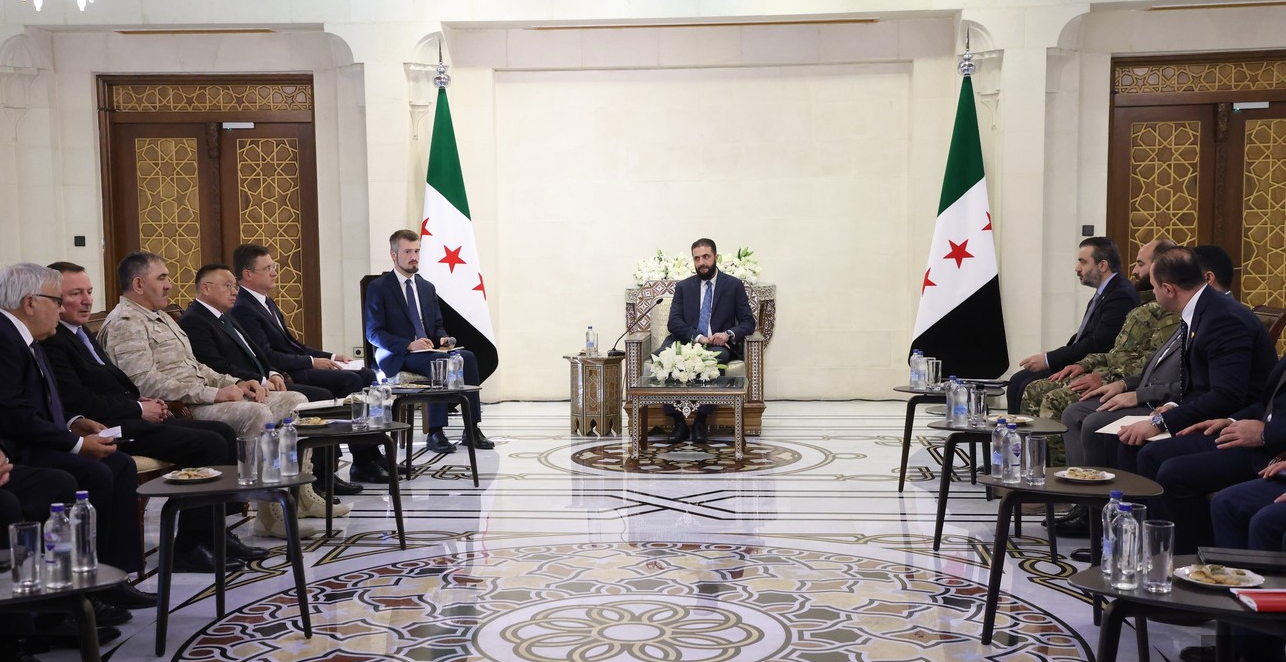
The goal of "adjusting relations and opening a new chapter with post-Assad Syria" was clearly demonstrated by a large Russian delegation's visit to Syria in early September. The Russian delegation was led by Deputy Prime Minister Alexander Novak, President Putin's top energy strategist. Notably, the delegation also included other high-ranking figures such as Special Envoy Alexander Lavrentiev, Deputy Defense Minister Yunus-Bek Yevkurov, and Deputy Foreign Minister Sergei Vershinin. The Russian delegation was warmly welcomed by the Syrian Presidential Secretary-General Maher al-Sharaa. Deputy Prime Minister Novak described the visit as an effort to expand cooperation in the energy, defense, political, and reconstruction sectors between the two countries. He also emphasized that relations must now be "based on respect and designed for Syrians to build their own future." He also suggested that the planned Russia-Arab summit in Moscow this October, with the participation of Syrian interim President Ahmed al-Sharaa, would be seen as a symbol of "strategic rebuilding" in relations with Russia.
Definition taste shoulder game
This visit to Russia comes just one month after Syrian President al-Sharaa traveled to New York to address the United Nations General Assembly. In that address, he declared that Syria was “reclaiming its rightful place among the nations of the world” and called on the international community to lift sanctions. He stated that “Syria is writing a new chapter in its history – a chapter of peace, stability, and prosperity.” Discussions between high-ranking officials from both sides are expected to focus on economic issues related to investment, the status of Russian military bases in Syria, and the rearmament of the newly formed Syrian army.
It should be recalled that Russia's access to the Khmeimim Air Base and Tartus Naval Base on Syria's Mediterranean coast was a crucial springboard for Moscow in the Middle East and Africa. However, this access has been severely restricted since the fall of former President al-Assad's regime. In this new context, Syrian officials, while acknowledging the depth of their relationship with Russia, emphasize the need for balance. Some have frankly warned that any foreign presence must genuinely serve the reconstruction of Syria, not the maintenance of control. Syrian officials note that Damascus and Moscow have the potential to build a relationship "based on sovereignty, justice, and shared interests"; and stress that Russia's open support for Syria's new political path would be "a beneficial step for Syria and the entire region." Therefore, the major challenge for Moscow now will be to protect its military assets in Syria without being seen as impeding Syrian sovereignty or provoking further escalation by Israel.
According to observers, this visit underscored both the continuity and the strategic shift in Russia-Syria relations. Moscow remains committed to protecting its military foothold, securing energy contracts, and rebuilding Syria, while leveraging its diplomatic relationship with Israel to maintain its presence in the region. However, Damascus under the new government will no longer be willing to accept the near-total dependence that defined the Assad era. By promoting cheaper fuel prices, more technical assistance, and a rebalanced military framework, Syria's new leadership is signaling a more balanced, reciprocal approach that prioritizes sovereignty.
This dynamic is believed to be shifting into a negotiation between the two sides with overlapping interests and increasingly divergent expectations. Russia wants to avoid a “cold war” scenario with Syria, while Syria hopes to receive security guarantees without reverting to its previous patronage system. Therefore, this visit to Russia by the Syrian interim president is not merely ceremonial or symbolic; it is also a test of whether the two sides can redefine their bilateral partnership to suit the reality of a “post-Assad order”—an order in which Russia still maintains a significant role but is no longer as untouchable as before.


