
Decoding Garmin Autoland: Planes land automatically when the pilot encounters a problem.
The Garmin Autoland system has for the first time demonstrated the ability to automatically land an aircraft in an emergency situation, including automatically communicating with air traffic control.
A breakthrough in aviation safety.
A Garmin system has demonstrated its ability to automatically land an aircraft in an emergency, marking a significant milestone that could save lives in the future. This technology, called Garmin Autoland, not only controls the aircraft but also automatically communicates with air traffic control (ATC), handling the entire landing process safely.
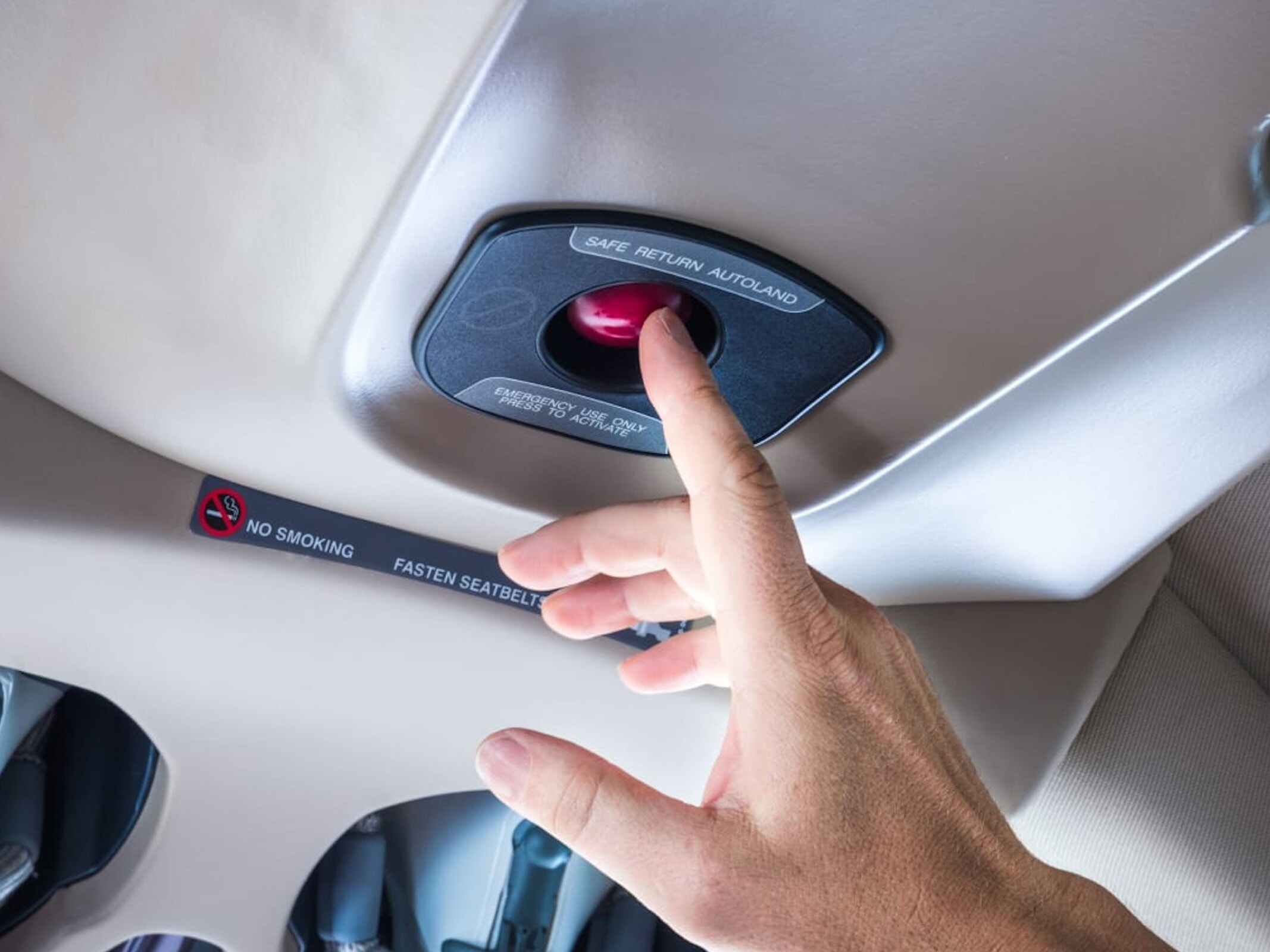
Activate with just one button press.
Garmin Autoland is designed for emergencies when the pilot is no longer able to control the aircraft, such as due to a sudden health problem. In this situation, passengers can activate the system simply by pressing a dedicated button. Once activated, the system will immediately take complete control.
How the automated system works
When activated, Garmin Autoland begins a complex but fully automated process to ensure flight safety. The system comprehensively analyzes critical factors such as remaining fuel, weather conditions, surrounding terrain, and airport data.
Based on these analyses, the system will determine the most suitable airport for landing. It will calculate an optimal flight path, avoiding obstacles and hazardous weather conditions. Simultaneously, the system automatically sends notifications to air traffic control, informing them of the emergency and the aircraft's intention to land.
Intelligent communication with the ground.
One of Autoland's standout features is its automated communication capability. The system informs air traffic controllers and other aircraft in the area about its position and plans. Inside the cabin, the system also displays simple and clear information for passengers, guiding them on what is happening and what to do next.
Significance and future prospects
Garmin Autoland's success ushers in a new era of safety in the aviation industry, particularly for private and small commercial aircraft that often have only one pilot. This technology acts as an "electronic co-pilot," always ready to intervene when necessary.
Although this technology is currently mainly equipped on certain aircraft models with compatible Garmin avionics systems, its success could spur the wider adoption of similar automation technologies on many other aircraft types in the future, helping to minimize risks caused by human error.


