
Decoding the MacBook Neo 2026: Is Apple's cheapest all-aluminum laptop worth buying?
The MacBook Neo 2026 is a mainstream laptop series featuring a unibody aluminum design, an A18 Pro chip, and a sharp Retina display, all for under 17 million VND.
The MacBook Neo 2026 is Apple's first budget-friendly laptop to feature a unibody aluminum frame and the A18 Pro chip, targeting the mainstream consumer segment with a price under 17 million VND. The device focuses on durability and portability, meeting the basic daily needs of students, office workers, and entertainment.
Superior unibody aluminum design in its segment.
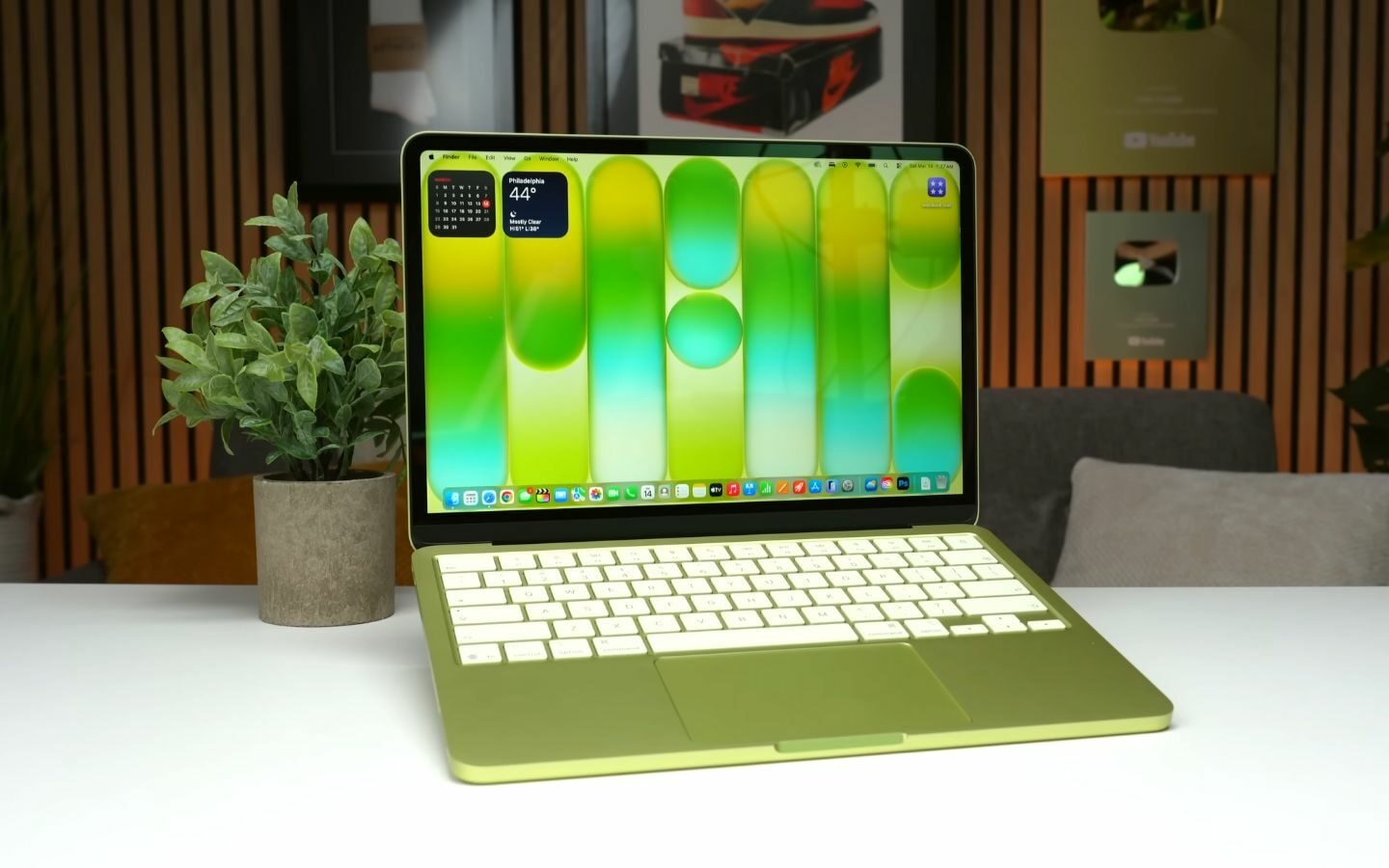
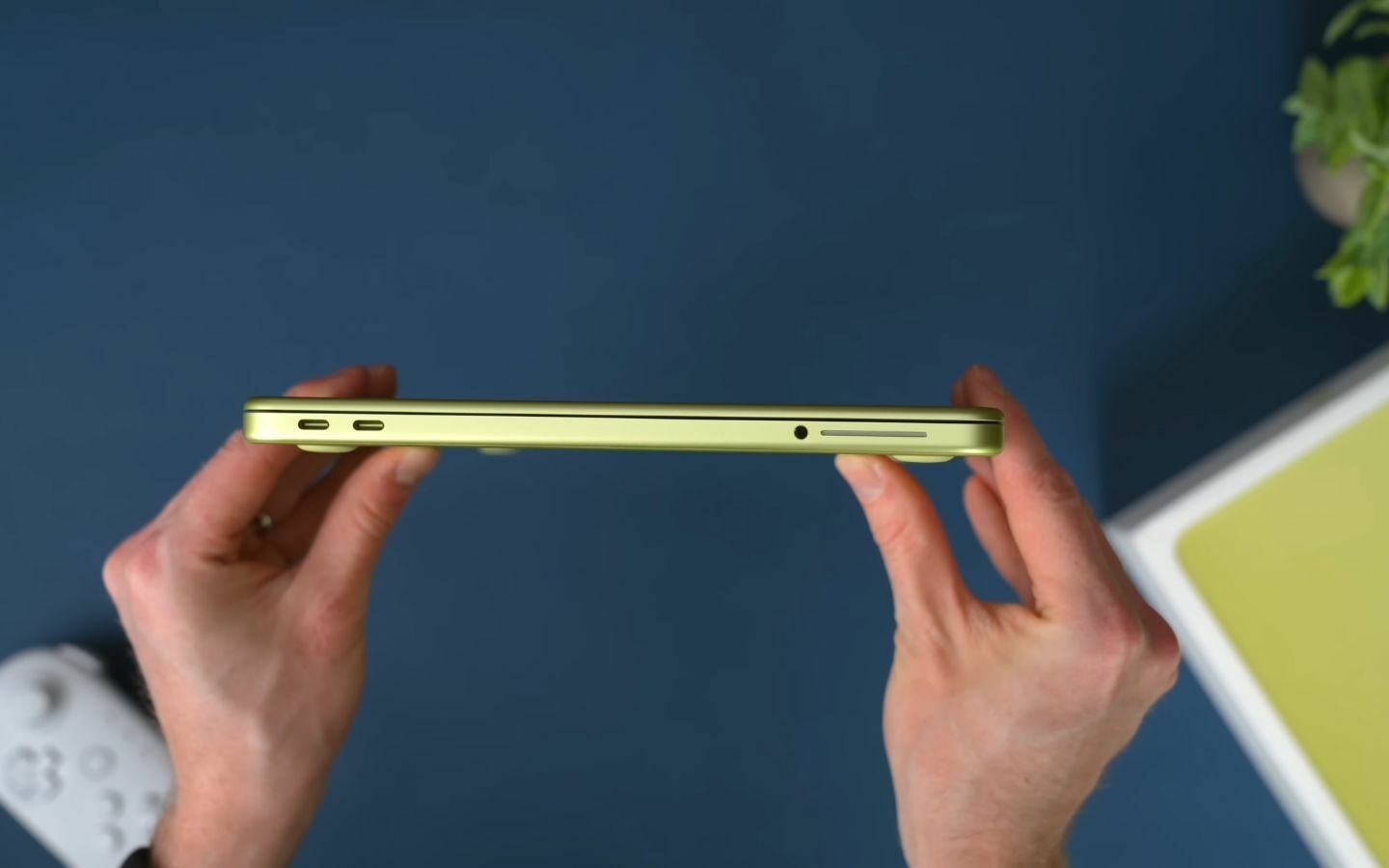
The biggest difference between the MacBook Neo and its competitors in the 15-17 million VND price range is that the body is entirely crafted from a single piece of aluminum. The edges and corners are more softly curved compared to the traditional MacBook Air or Pro, providing a lightweight feel in the hand with a weight of only about 1.2 kg.
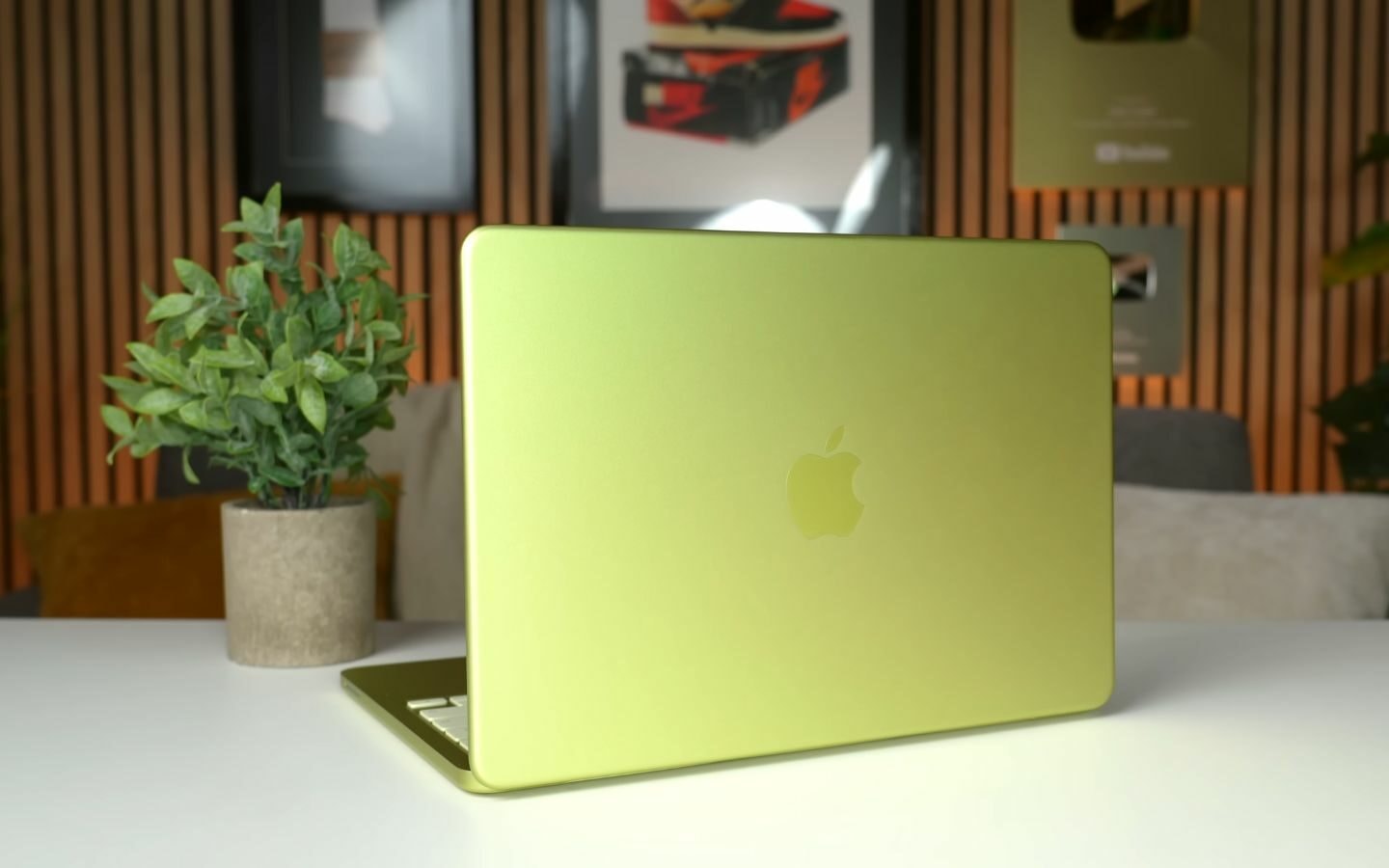
The back of the device is impressive with its matte Apple logo instead of the glossy finish found on other models. A notable detail is the optical divider on the back, creating a contrasting light and dark effect when light shines on it. The kickstand is designed in the same color as the body, ensuring aesthetic consistency.
The 500-nit Retina display delivers sharp visuals.
The device features a 13-inch IPS LED display with a Retina resolution of 2408 x 1500 pixels and a pixel density of 219 PPI. This panel is capable of displaying 1 billion colors and has a maximum brightness of 500 nits, ensuring natural images and wide viewing angles.
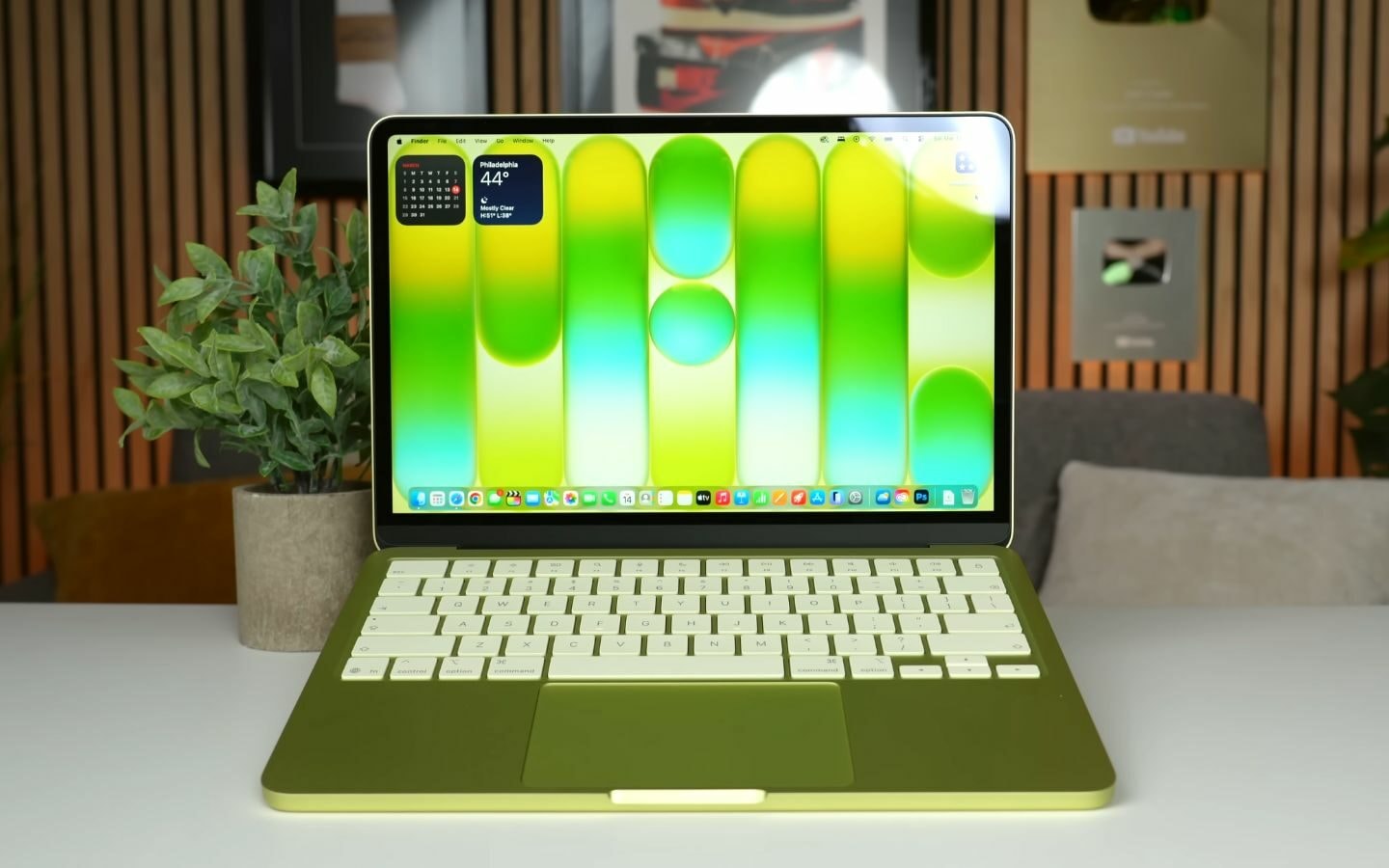
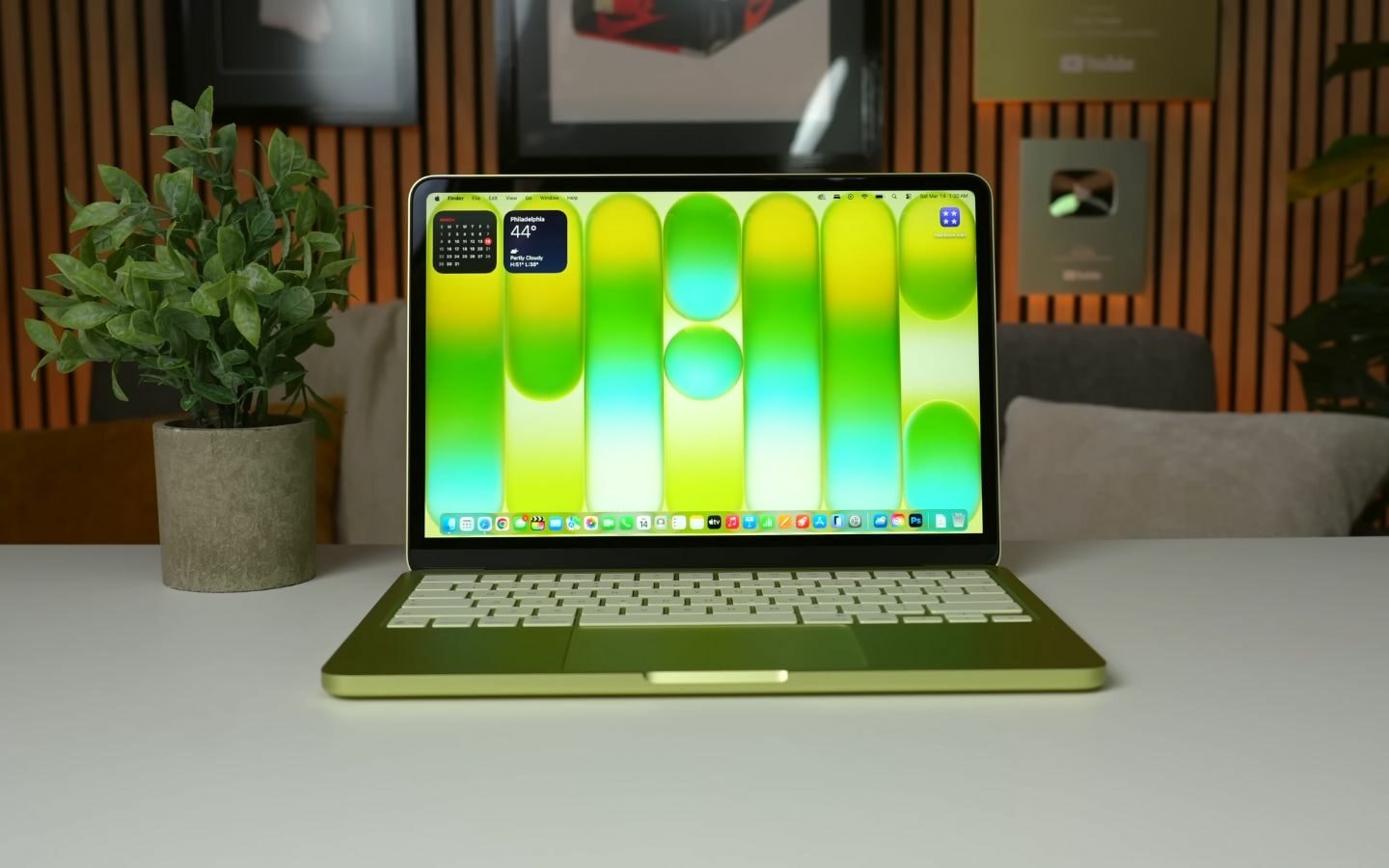
Although the screen bezels are still quite thick compared to higher-end models, the display quality of the MacBook Neo is still considered top-notch in the budget segment. The 500 nits brightness ensures stable operation in office environments or under normal daylight.
Performance from the Apple A18 Pro chip and technical limitations.
Equipped with the Apple A18 Pro chip (similar to the iPhone 16 Pro), the MacBook Neo handles multitasking smoothly. In real-world testing with 18 Chrome tabs and light graphics software like Lightroom, the machine still performed stably with RAM consumption of approximately 6.83 GB out of a total of 8 GB.
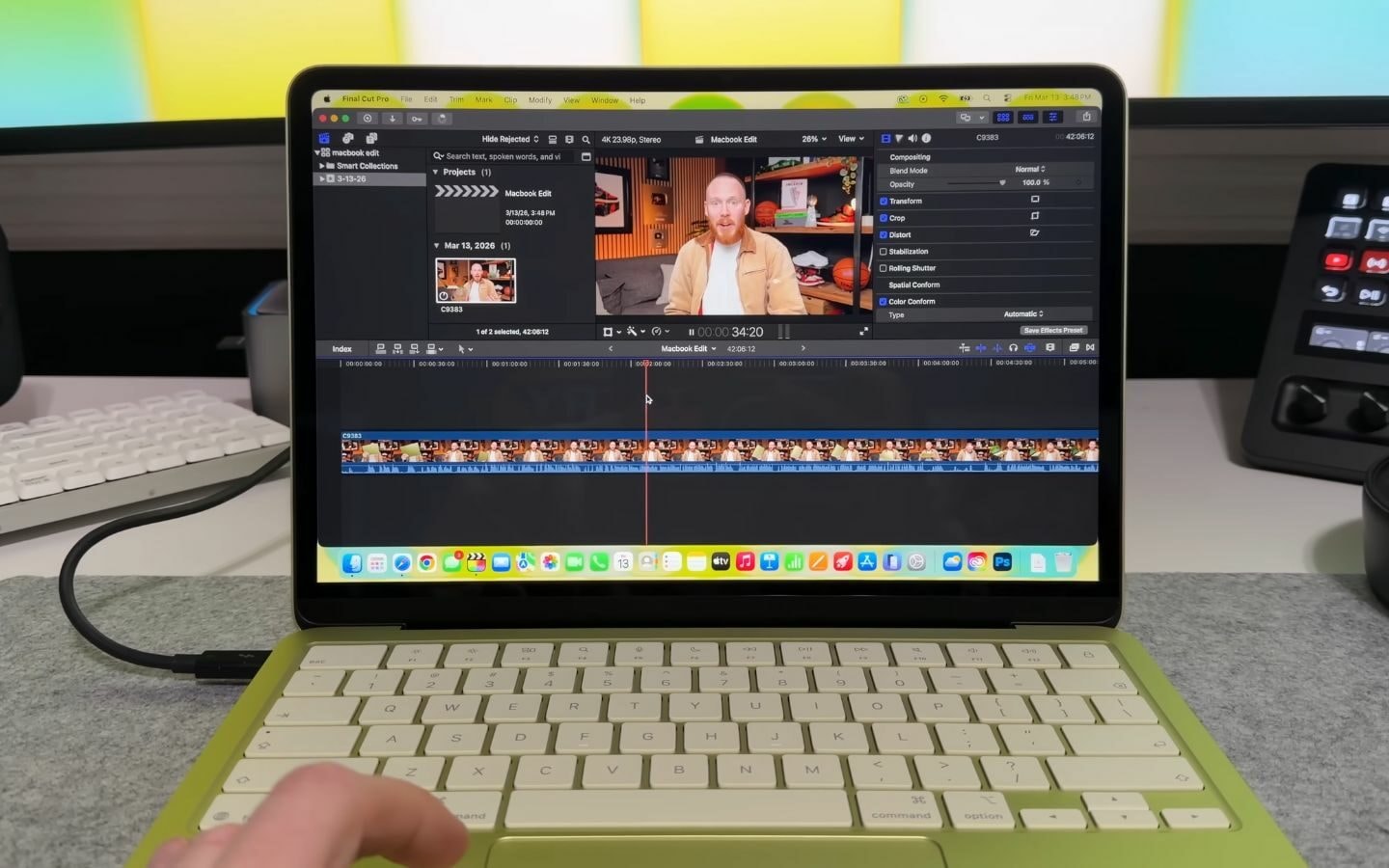
However, users should be aware of the 60 GB/second memory bandwidth, which is significantly lower than the 150 GB/second of the M1 chip in the MacBook Air. Additionally, SSD speeds are limited, potentially reducing overall performance as the machine has to use temporary memory (swap) when RAM is full.
| Specifications | Detail |
|---|---|
| Microprocessors | Apple A18 Pro |
| RAM | 8 GB (60 GB/second bandwidth) |
| Screen | 13 inches IPS LED, Retina, 500 nits |
| Storage | 256 GB or 512 GB SSD |
| Connect | Wi-Fi 6E, Bluetooth 6.0 |
Data entry experience and supporting features
The MacBook Neo's keyboard features a distinctive white color scheme with deep key travel and a noticeable tactile feedback. However, it lacks keyboard backlighting, and the 256GB version does not include Touch ID. The trackpad is smaller than the MacBook Air's and does not support Force Touch technology.

In terms of connectivity, the device is equipped with Wi-Fi 6E and Bluetooth 6.0. Notably, of the two available USB-C ports, only one is a USB 3 port supporting display output, while the other is a USB 2 port primarily used for charging. The speakers located on either side of the device provide clear sound at 50% volume, and while lacking the warmth of higher-end models, they are still significantly better than many Windows laptops in the same price range.

In conclusion: Who is the MacBook Neo for?
The MacBook Neo 2026 is an optimal choice for students and office workers who need a durable, stable device within the Apple ecosystem at an affordable price. It perfectly handles tasks such as document editing, web browsing, and online meetings.
Conversely, for professional users working in video editing, heavy graphic design, or programming, MacBook Air or Pro models would be a more suitable alternative thanks to their wider memory bandwidth and faster hard drive speeds.


