
Decoding the OPPO Find X9 and X9 Pro: Dimensity 9500, 200MP telephoto lens.
The Find X9/X9 Pro duo uses the Dimensity 9500 with a 32% increase in CPU, 33% increase in GPU, and 111% increase in NPU compared to the previous generation, a 120Hz OLED screen with up to 3,600 nits of brightness, an ultrasonic fingerprint sensor, and a 200MP Hasselblad telephoto camera.
OPPO officially launched the Find X9 and Find X9 Pro in China with a series of key upgrades: the Dimensity 9500 chip (32% faster CPU, 33% faster GPU, and 111% faster NPU compared to the previous generation), a 120Hz OLED display with a maximum brightness of 3,600 nits, an ultrasonic fingerprint sensor, a large battery with fast charging, and a camera system developed in collaboration with Hasselblad, highlighted by a 200MP telephoto lens on the Pro version. The devices run ColorOS 16 based on Android 16, with a commitment of 5 operating system updates and 6 years of security patches.
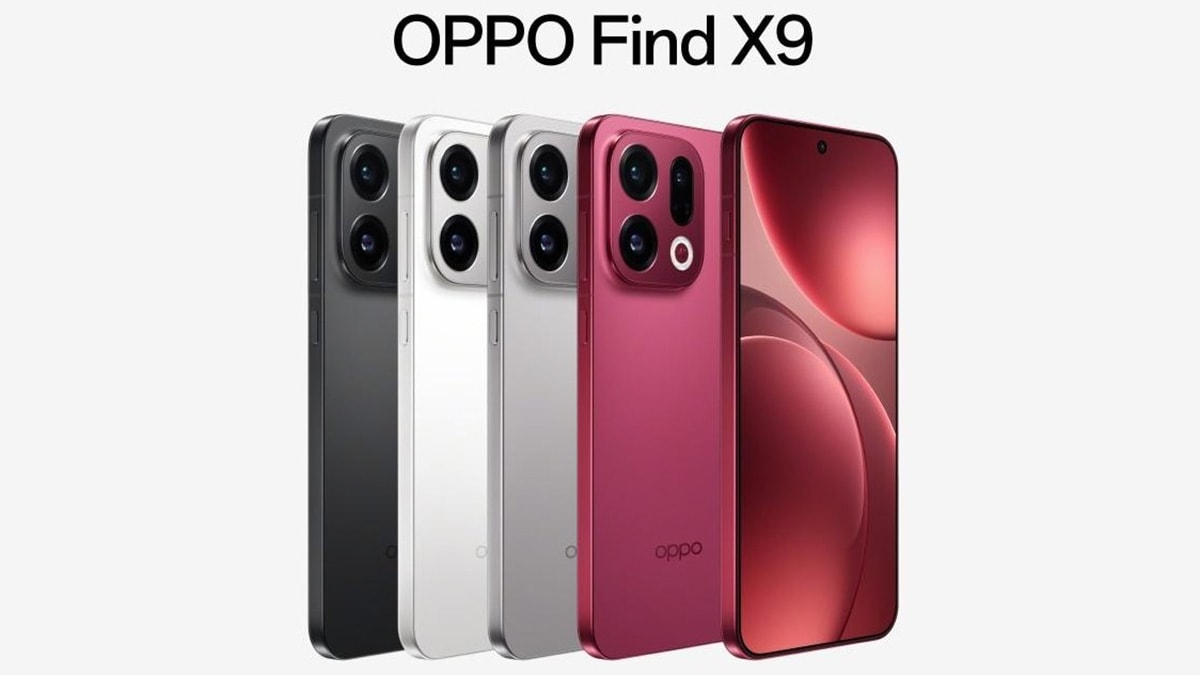
Dimensity 9500: A leap forward in performance and AI tasks.
Both the Find X9 and X9 Pro utilize the Dimensity 9500, boasting a 32% increase in CPU, a 33% increase in GPU, and a 111% increase in NPU compared to the previous generation. This combination aims for two distinct benefits: strong overall performance for everyday use and gaming, and high AI processing capabilities to support OPPO's integrated AI-powered photography and image processing features.
In its camera system, OPPO uses AI for noise reduction and image reconstruction (demosaicing), as well as the AI Portrait Glow feature; at the system level, there's AI Recorder and AI Mind Space. These AI components are implemented in parallel with deep integration of Google Gemini AI on ColorOS 16.
120Hz display, 3,600 nits brightness, and ultrasonic fingerprint sensor.
The Find X9 series uses a 120Hz OLED panel, achieving 1,800 nits across the screen and a maximum of 3,600 nits outdoors; the minimum brightness can be lowered to 1 nit when used at night. The new generation switches to an ultrasonic in-display fingerprint sensor, offering faster and more accurate recognition compared to the previous optical module.
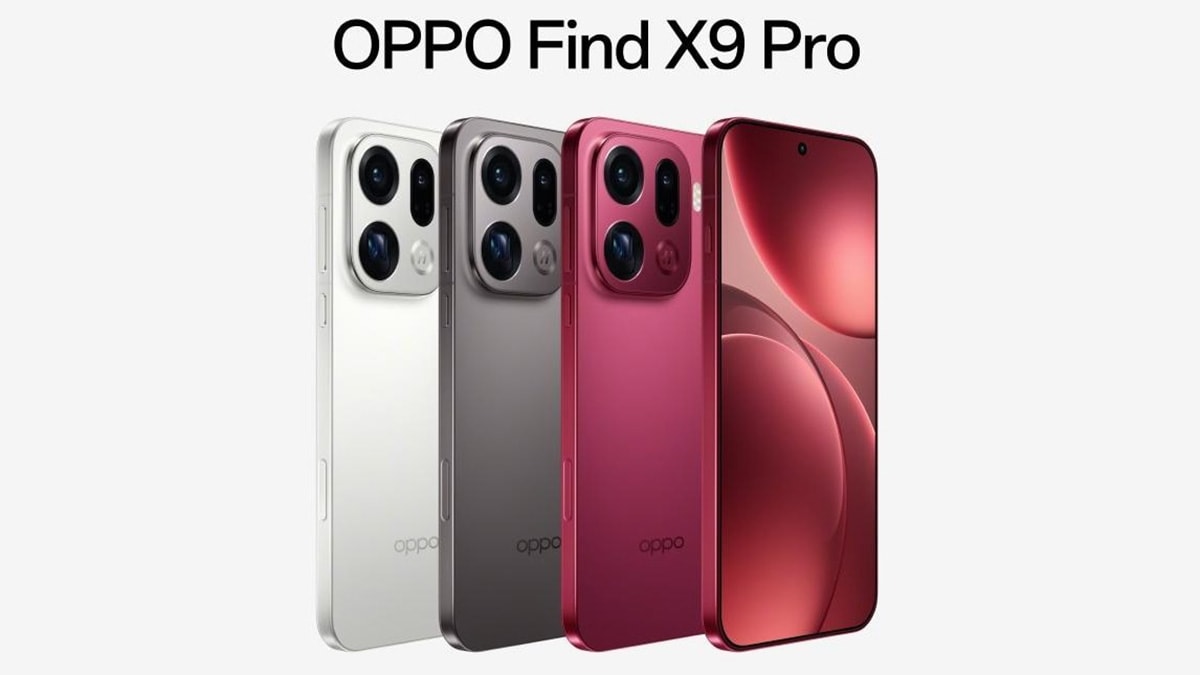
Large battery and fast charging: aiming for 5-year durability.
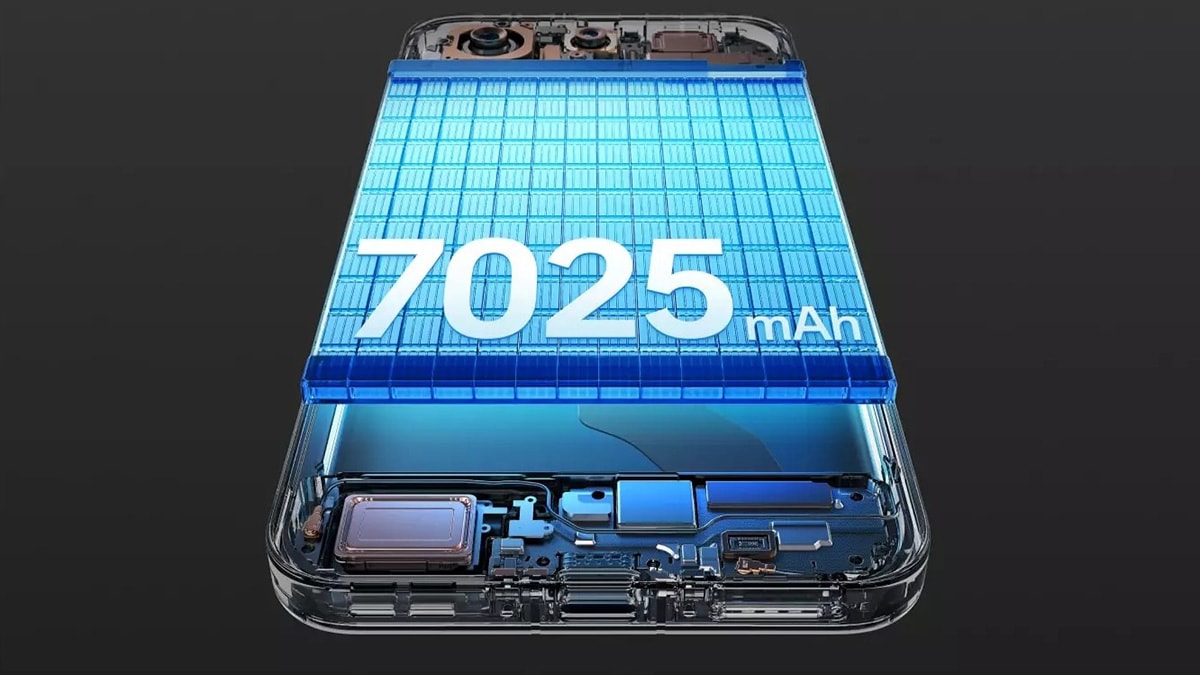
The Find X9 has a 6.59-inch screen and a 7,025 mAh battery; the Find X9 Pro uses a 6.78-inch screen and a 7,500 mAh battery. Both support 80W wired fast charging, 50W wireless charging, and 10W reverse wireless charging. According to OPPO, the X9 Pro's battery retains 80% of its capacity after 5 years of use.
Photography on the Find X9 Pro: large sensor, 200MP Hasselblad telephoto lens.
The Find X9 Pro uses a triple rear camera setup. The main camera is a 50MP Sony LYT-828 sensor with a 1/1.28-inch size, f/1.5 aperture, 7-element lens structure, and optical image stabilization (OIS). The default shooting mode has been upgraded to 50MP instead of the previously common 12MP.
The highlight is the 200MP Hasselblad telephoto camera, featuring a 1/1.56-inch sensor with pixel-by-pixel calibration and DCG-HDR (Dual Conversion Gain). The Hasselblad lens has a 70mm focal length and f/2.1 aperture, equipped with Prism Hybrid OIS stabilization with active optical correction. For video recording, all cameras support Dolby Vision 4K at 60fps; the main and telephoto cameras also offer 4K at 120fps. Users can capture short animated Motion Photos or record high-quality videos in log mode or Dolby Vision.
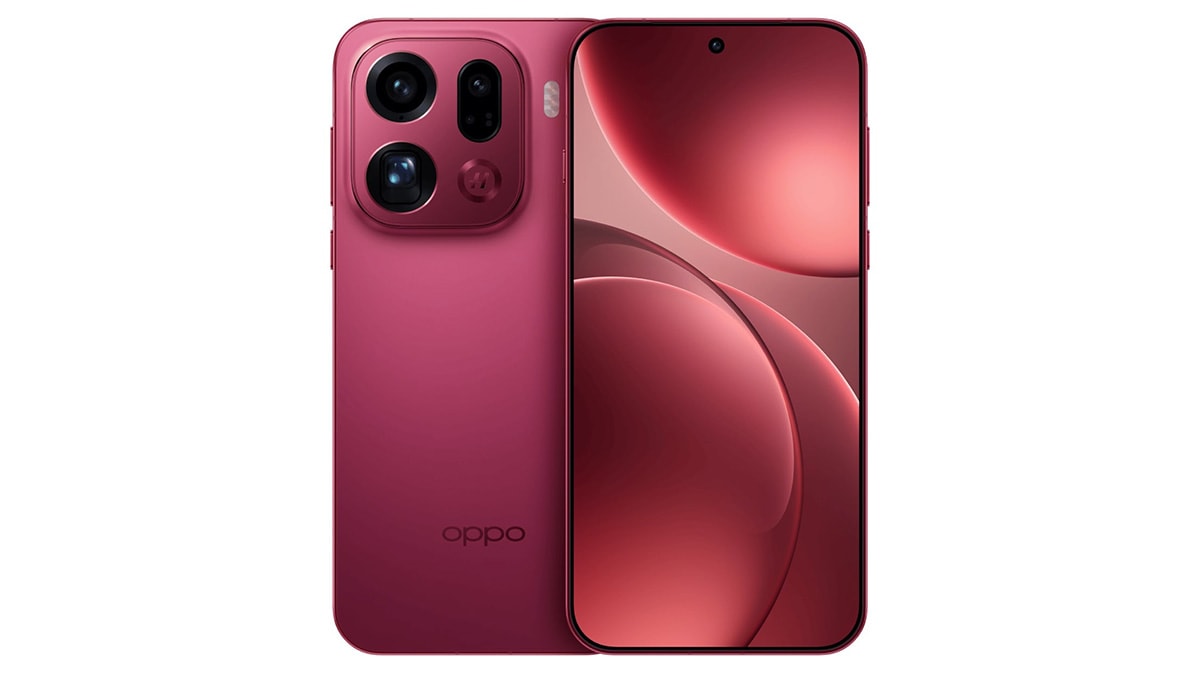
OPPO and Hasselblad also developed a teleconverter accessory specifically for the Pro version. This additional lens consists of 12 elements, increasing optical zoom for still photography to 10x (maximum digital zoom of 200x) and supporting zoom for video recording up to 50x.
Find X9: Balanced camera configuration, addition of multispectral color sensor.
The Find X9 version features a 50MP main camera using a 1/1.4-inch LYT-808 sensor, f/1.6 lens with OIS. The 50MP periscope telephoto camera has a 73mm focal length (f/2.6, OIS) and uses a 1/1.95-inch LYT-600 sensor. The 50MP ultra-wide-angle camera (15mm, f/2.0, autofocus) uses a 1/2.75-inch Samsung JN5 sensor. It also has a True Color camera with a 9-channel multispectral sensor for more accurate color reproduction.
Software, AI, and the ecosystem
The Find X9 series runs ColorOS 16 based on Android 16, deeply integrating Google Gemini AI and many AI features developed by OPPO such as AI Portrait Glow, AI Recorder, AI Mind Space, along with noise reduction and demosaicing algorithms for the camera. OPPO commits to 5 operating system updates and 6 years of security patches. A notable point is that ColorOS 16 now supports direct pairing with the Apple Watch.
Durability: three standards for water and dust resistance.
Both units are rated IP66 (water jet), IP68 (submersible), and IP69 (hot water jet), increasing their durability in a variety of usage conditions.
Summary of key specifications
| Category | OPPO Find X9 | OPPO Find X9 Pro |
|---|---|---|
| Processor chip | Dimensity 9500 (CPU +32%, GPU +33%, NPU +111%) | Dimensity 9500 (CPU +32%, GPU +33%, NPU +111%) |
| Screen | 6.59-inch OLED display with 120Hz refresh rate; 1,800 nits full-screen brightness, 3,600 nits maximum; 1 nit minimum. | 6.78-inch OLED display with 120Hz refresh rate; 1,800 nits full-screen brightness, 3,600 nits maximum; 1 nit minimum. |
| Fingerprints | Submonal ultrasound | Submonal ultrasound |
| Batteries and chargers | 7,025 mAh; 80W wired, 50W wireless, 10W reverse charging | 7,500 mAh; 80W wired, 50W wireless, 10W reverse charging (80% after 5 years, according to OPPO) |
| Rear camera | Main 50MP LYT-808 1/1.4, f/1.6, OIS; Telescope 50MP 73mm f/2.6, OIS, LYT-600 1/1.95; Wide-angle 50MP 15mm f/2.0 AF, Samsung JN5 1/2.75; 9-channel True Color camera | Main camera: 50MP LYT-828 1/1.28, f/1.5, 7P, OIS; Telephoto: 200MP Hasselblad 1/1.56, 70mm f/2.1, Prism Hybrid OIS; Teleconverter accessory (Pro version only) for 10x optical zoom. |
| Record a video | — | Dolby Vision 4K@60fps (all cameras); 4K@120fps (main, telephoto); log/Dolby Vision |
| Durability | IP66, IP68, IP69 | IP66, IP68, IP69 |
| Software | ColorOS 16 (Android 16); Gemini AI integration; 5 OS updates, 6 years of security patches. | ColorOS 16 (Android 16); Gemini AI integration; 5 OS updates, 6 years of security patches. |
Comparison, advantages and disadvantages
Outstanding strengths
- Overall performance and AI: The Dimensity 9500 significantly boosts CPU/GPU/NPU performance, handling diverse task loads and the AI features implemented by ColorOS 16.
- Display: 120Hz OLED with a wide brightness range (1–3,600 nits) for versatility from nighttime to outdoor use.
- Battery and charging: large capacity (up to 7,500 mAh), 80W/50W fast charging, aiming for a 5-year lifespan according to the manufacturer's claims.
- Photography: The Find X9 Pro has a large main sensor and a 200MP Hasselblad telephoto lens with Prism Hybrid OIS; the Find X9 maintains a balanced configuration with a periscope telephoto lens and a 50MP wide-angle camera with autofocus.
- Durability and updates: IP66/68/69, guaranteed 5 OS updates and 6 years of security patches.
The challenge of making a choice.
- The teleconverter only supports the Find X9 Pro; to get the 200MP Hasselblad telephoto lens and this accessory, users must choose the Pro version.
Selling price in China
- OPPO Find X9 12GB + 256GB: 4,400 Yuan (approximately 16.26 million VND)
- OPPO Find X9 12GB + 512GB: 5,000 Yuan (approximately 18.47 million VND)
- OPPO Find X9 16GB + 512GB: 5,300 Yuan (approximately 19.58 million VND)
- OPPO Find X9 16GB + 1TB: 5,800 Yuan (approximately 21.43 million VND)
- OPPO Find X9 Pro 12GB + 256GB: 5,300 Yuan (approximately 19.58 million VND)
- OPPO Find X9 Pro 12GB + 512GB: 5,700 Yuan (approximately 21.06 million VND)
- OPPO Find X9 Pro 16GB + 512GB: 6,000 Yuan (approximately 22.17 million VND)
- OPPO Find X9 Pro 16GB + 1TB: 6,700 Yuan (approximately 24.76 million VND)
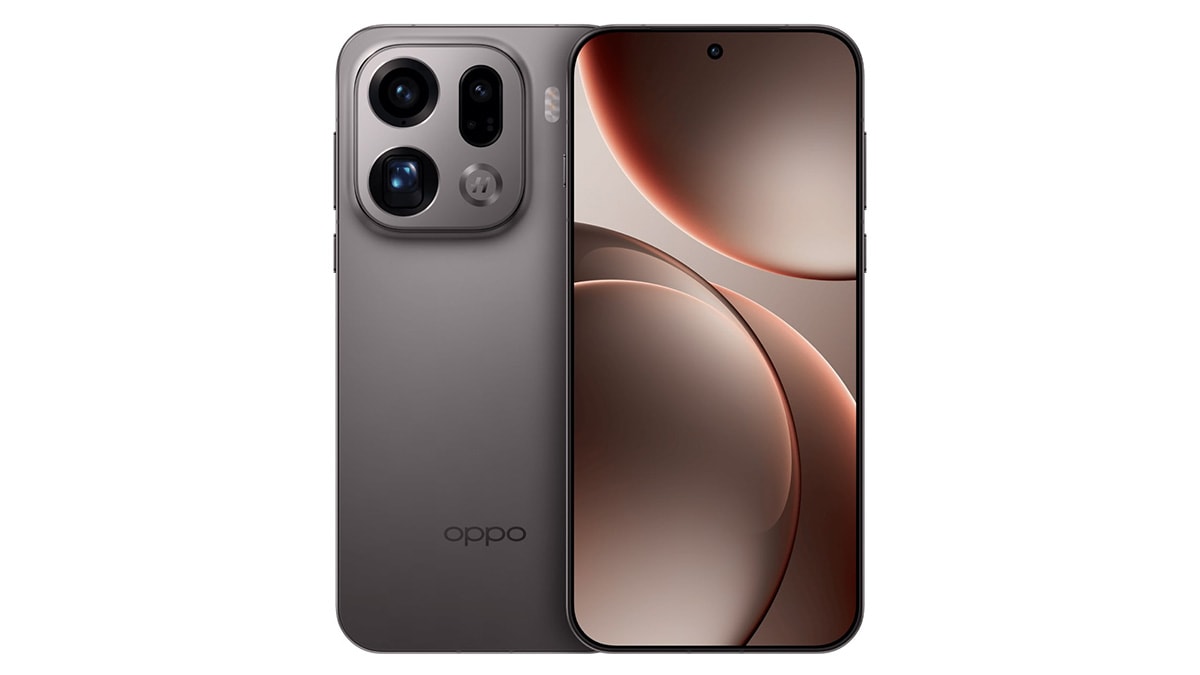
Overall, the Find X9 and Find X9 Pro focus on upgrades in three key areas: AI performance, camera system, and display-battery experience. The key difference lies in the camera module and teleconverter accessory of the Pro version, while the remaining platforms (display, charging, durability, and update commitment) are consistently maintained across both models.


