
Decoding Palianytsia: A 650km long-range hybrid weapon that gives Ukraine the initiative in attack.
The Luch Design Bureau has been confirmed as the developer of Palianytsia, a hybrid weapon with a range of 650km that would allow Ukraine to conduct deep penetration attacks without relying on the West.
Ukraine has officially confirmed that the Luch Design Bureau is behind the development of Palianytsia – a specialized weapon system described as a combination of a cruise missile and an unmanned aerial vehicle (UAV). With a range of up to 650km and optimized production costs, Palianytsia is expected to revolutionize Kyiv's long-range attack tactics in the current conflict.
Technical certification from the Luch Design Bureau.
The fact that the Luch Design Bureau is undertaking the Palianytsia project instills great confidence in its technical capabilities. This is Ukraine's main weapons design center, having successfully developed many important weapon systems such as the Stugna-P anti-tank missile and the R-360 Neptune anti-ship cruise missile system – the weapon that sank the flagship Moskva in 2022.
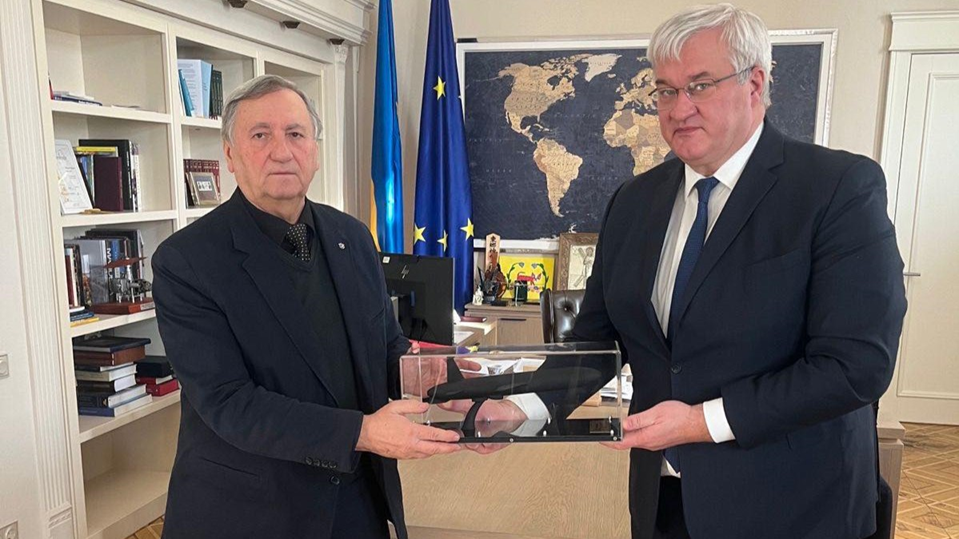
Information about the development unit was indirectly confirmed through a meeting between Ukrainian Foreign Minister Andrii Sybiha and Oleh Korostelyov, Director of the Luch Design Bureau. The involvement of private companies such as Fire Point indicates that the Palianytsia project is being implemented under a public-private partnership model, optimizing resources and shortening completion time.
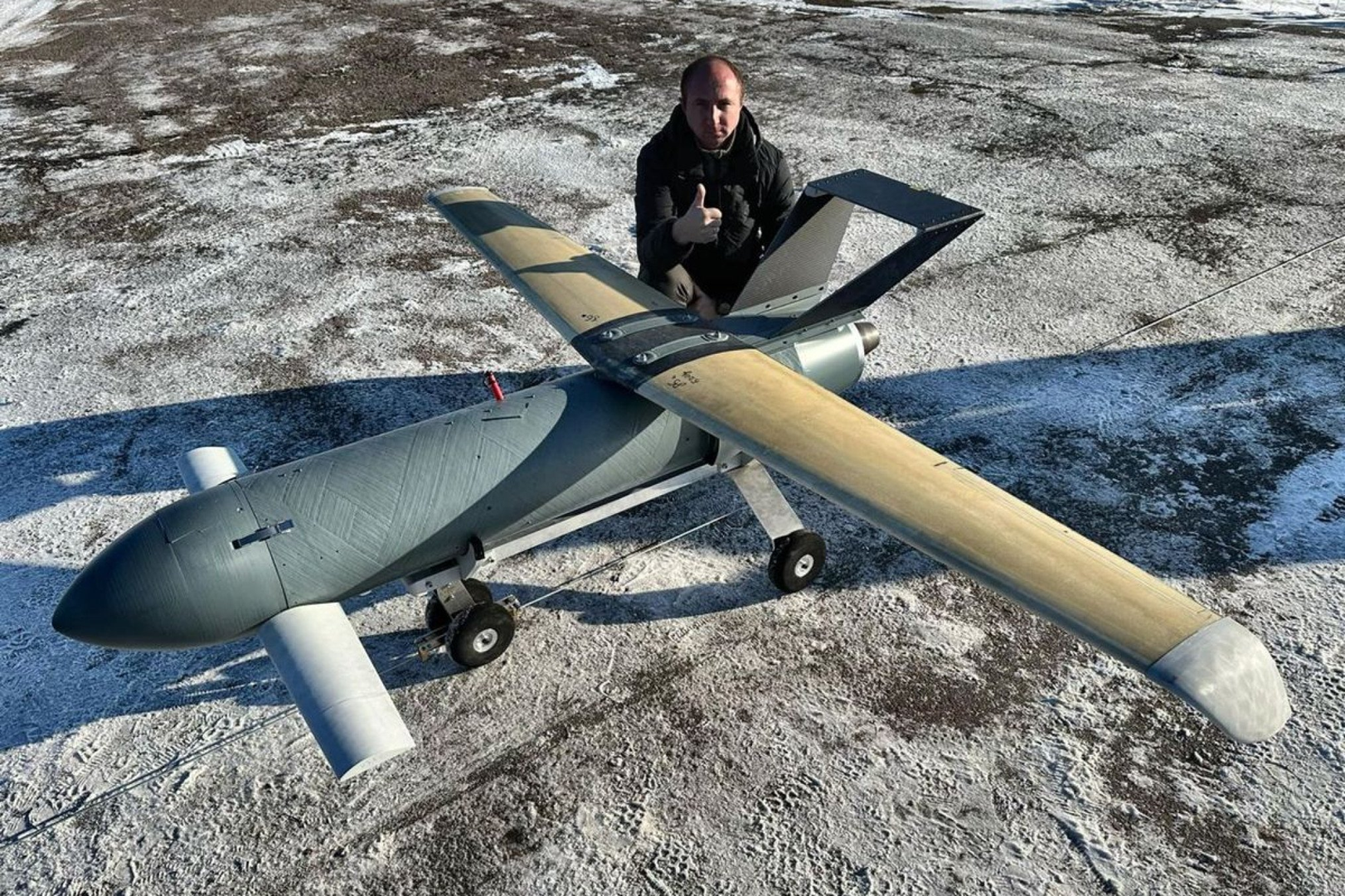
Technical specifications: Interaction between missiles and UAVs
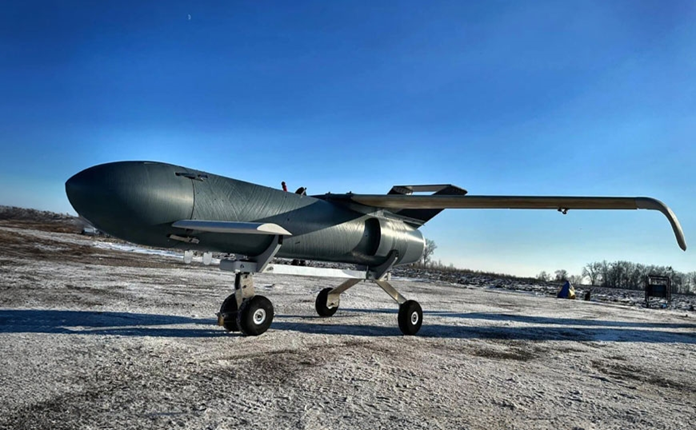
The Palianytsia possesses a unique technical configuration, falling between a heavy kamikaze UAV and a light cruise missile. The system is approximately 3.5 meters long with a wingspan of 1.7 meters, making it significantly more compact than Western cruise missiles like the Storm Shadow or Taurus. This size gives the weapon a low radar cross-section, increasing its ability to penetrate dense air defense systems.
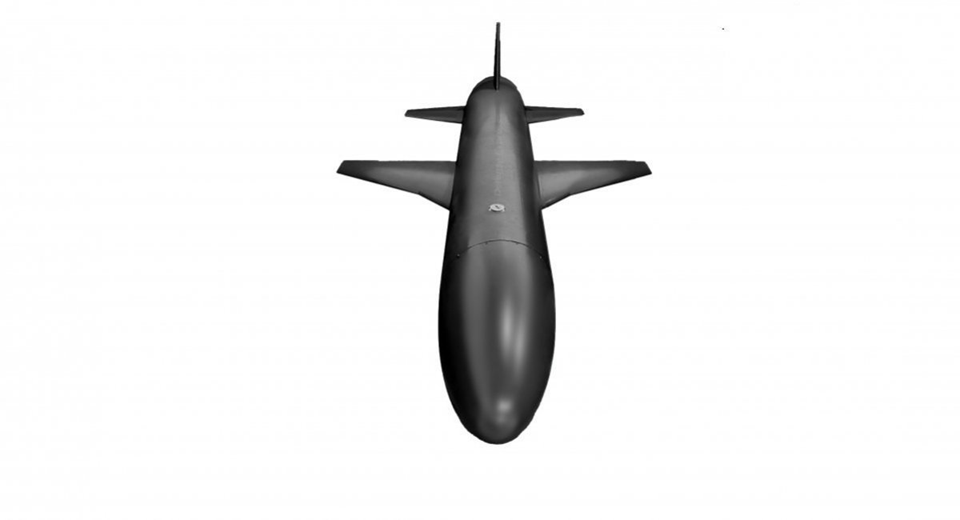
The core difference between Palianytsia and traditional cruise missiles is its ability to flexibly adjust its target during flight. The system uses a turbojet engine, allowing it to reach speeds exceeding 500 km/h. With a takeoff weight of 320 kg and a 100 kg warhead, Palianytsia has twice the destructive power of Shahed UAVs, capable of inflicting serious damage to logistics depots, fuel stations, and aircraft on runways.
Strategic value and economic considerations
Palianytsia addresses three major strategic issues for Ukraine. First is autonomy: Because it is a domestically produced weapon, Kyiv has full autonomy to decide on targets deep within Russian territory without political constraints from its Western aid partners.
Secondly, there's the production cost. With an estimated price of under $1 million per unit, the Palianytsia is significantly cheaper than modern cruise missiles, making it suitable for a protracted war of attrition. Finally, its 650km range forces the enemy to disperse its air defenses from the front lines to protect targets deep in the rear, creating a gap in the overall defense system.
Related military developments
Alongside the development of Palianytsia, the weapons situation on the battlefield is undergoing significant changes with the emergence of new technologies from both sides.
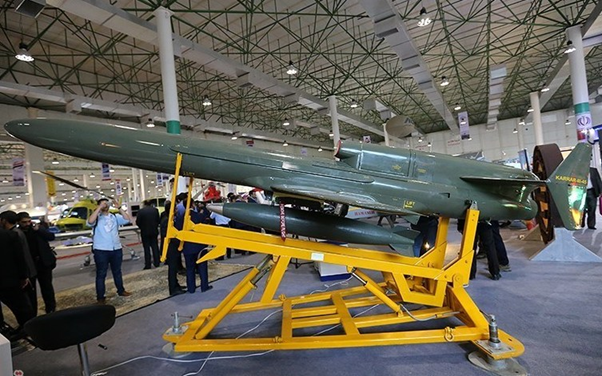
Experts are analyzing how Russia's new Geran-5 suicide drone is disrupting the war in Ukraine. At the same time, robotic solutions are being applied to upgrade older weapon systems.
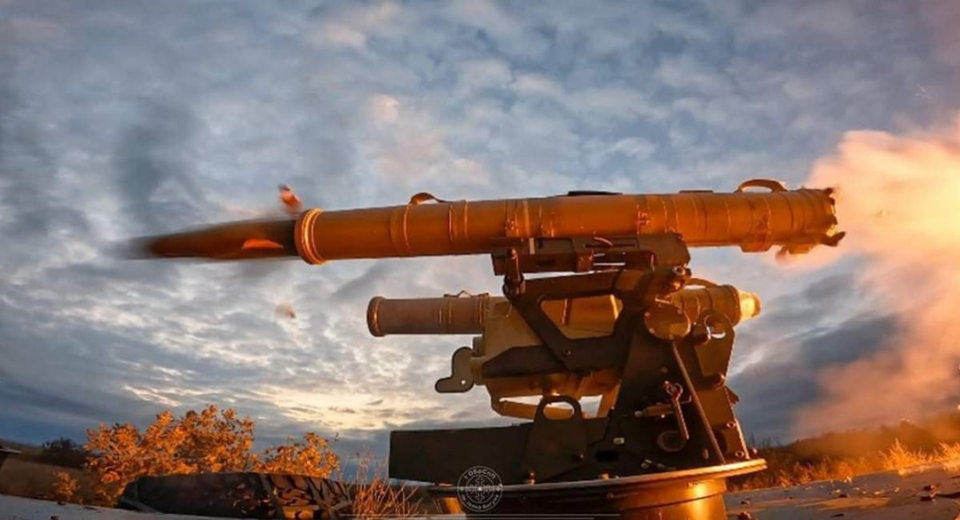
Robots could help the Stugna-P anti-tank missile 're-emerge' on the battlefield through safer and more effective remote control. Additionally, the presence of Western defense systems is also a key factor.

Recently, leaked images suggest that Ukraine may be receiving the new Tempest air defense system developed by the US, further strengthening its defenses against critical infrastructure.


