
Decoding the Pixel 10 Pro Fold: IP68 hinge, Qi2, and Android 16
The Pixel 10 Pro Fold opts for minor improvements: an IP68 hinge that makes the device narrower, Super Active 3,000/2,000 nits, Qi2 compatible with MagSafe, a 5,015 mAh battery, and Android 16 with an added 90/10 split-screen feature.
While many Android foldable phones undergo drastic design changes, the Pixel 10 Pro Fold takes the opposite approach: refining small details with a big impact. The new IP68-rated hinge makes the body narrower and more balanced, the Super Active display is brighter, Qi2 opens up an ecosystem of accessories using MagSafe-compatible magnetic standards, Android 16 is smoother and more useful with 90/10 multitasking, and it boasts a 5,015 mAh battery. Below is a technical analysis of these changes, the trade-offs involved, and its position relative to the competition.
New hinge, IP68 rating, and a narrower body: few changes, big results.
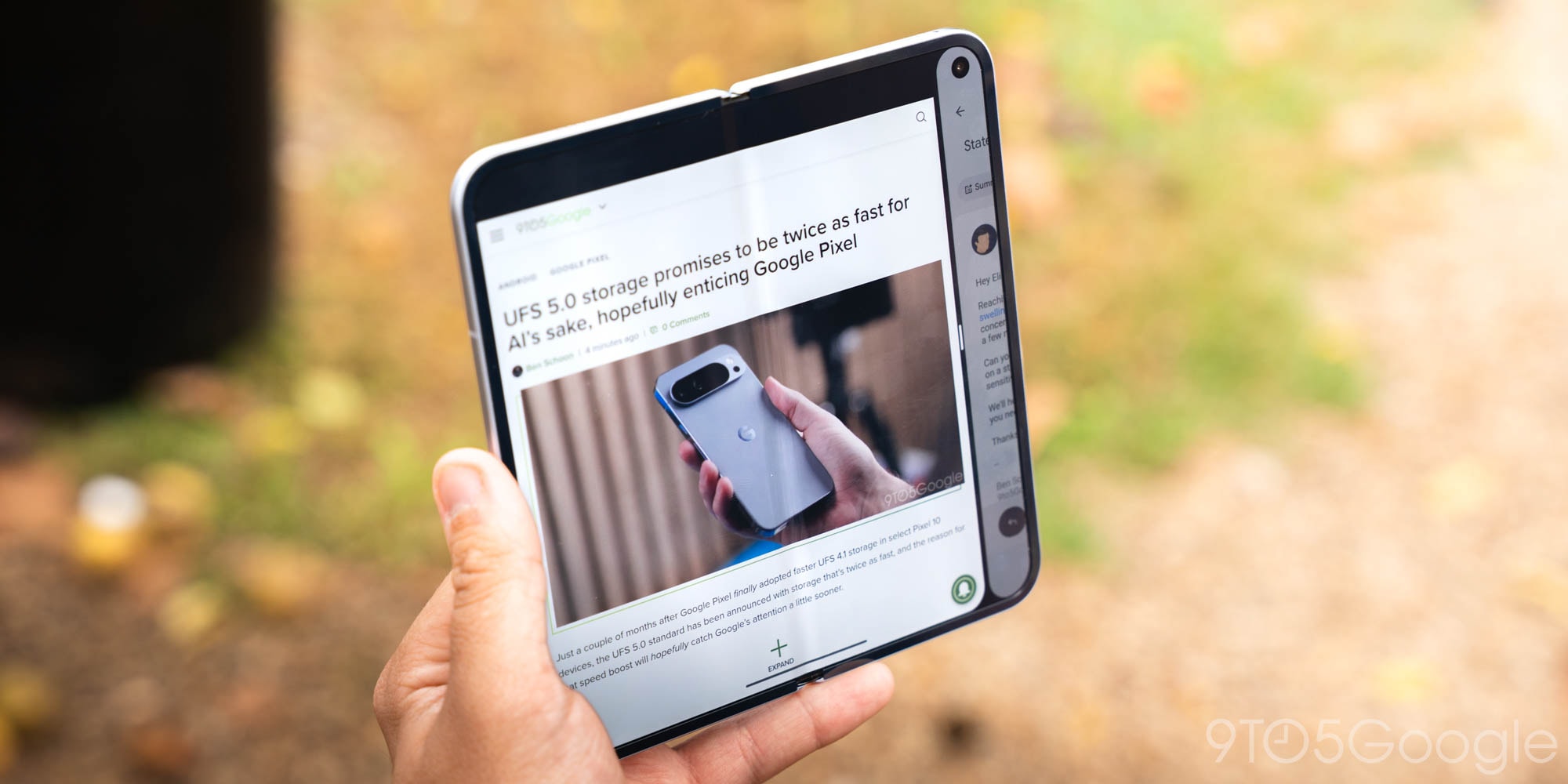
Google changed the hinge type on the Pixel 10 Pro Fold, resulting in two immediate benefits: IP68 dust and water resistance and a narrower body, although the overall thickness is only slightly increased. The "spine" that caused the phone to be unbalanced in the previous generation has been removed, giving it a more compact feel when folded and a more natural one-handed operation. Thinner bezels also optimize the display area. The hinge feels firm, smooth, and decisive at the end of its opening and closing motion.
However, the inner screen still has the familiar crease; Google, like the rest of the market, hasn't solved the "crease-free" problem. New color options like Moonstone and Jade offer a fresh aesthetic with a smooth, brushed gray frame and frosted glass back.
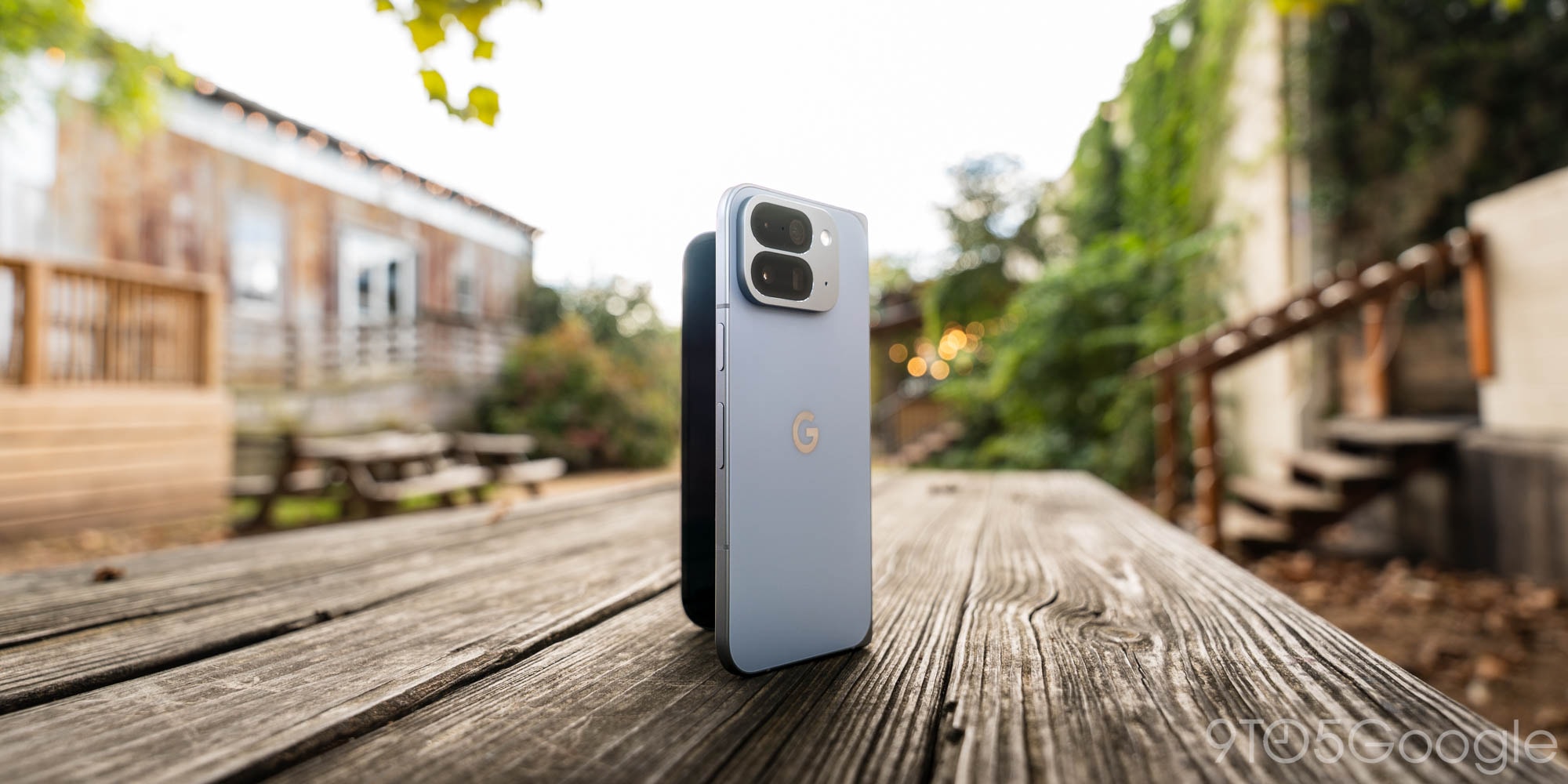
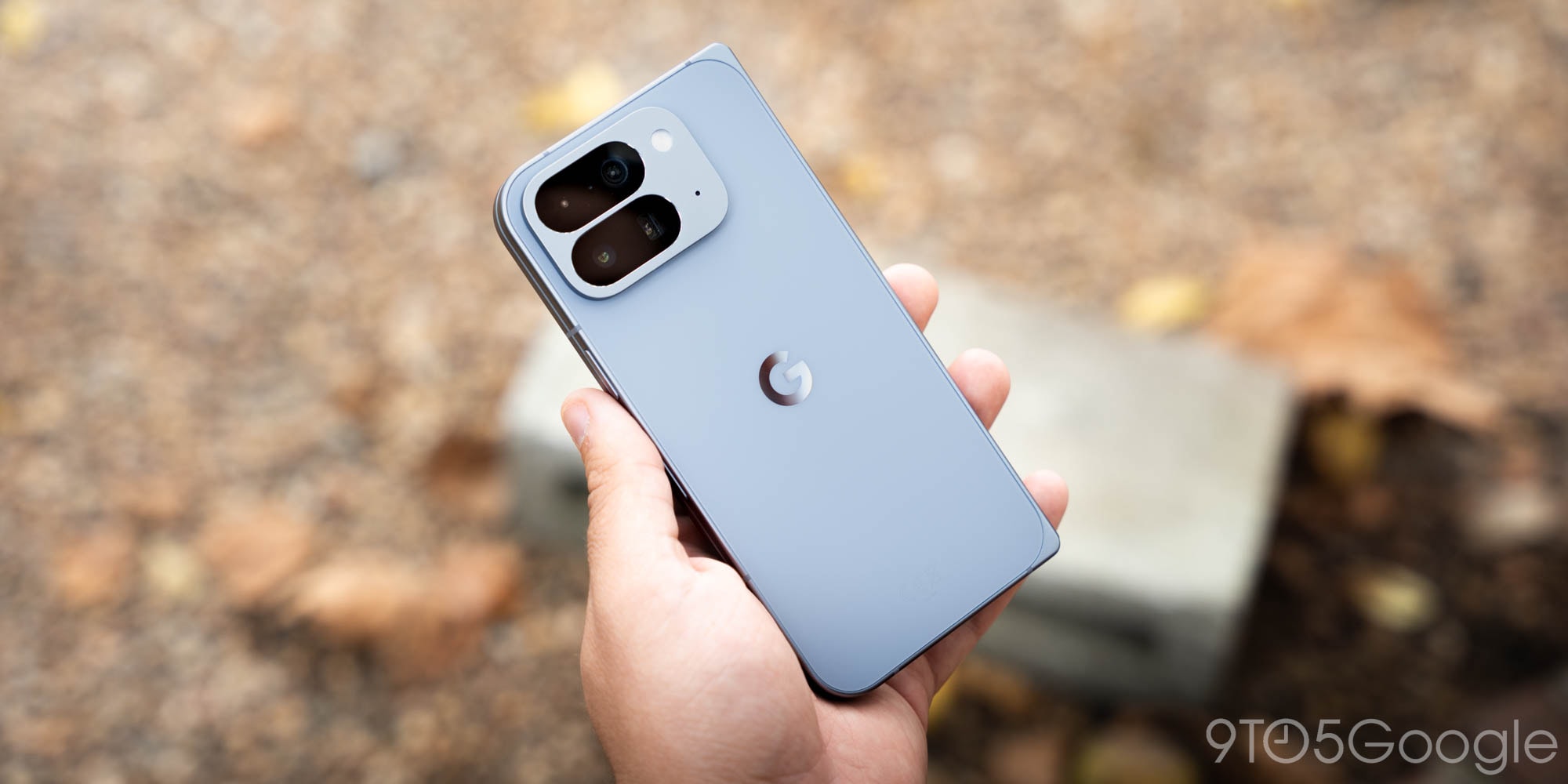
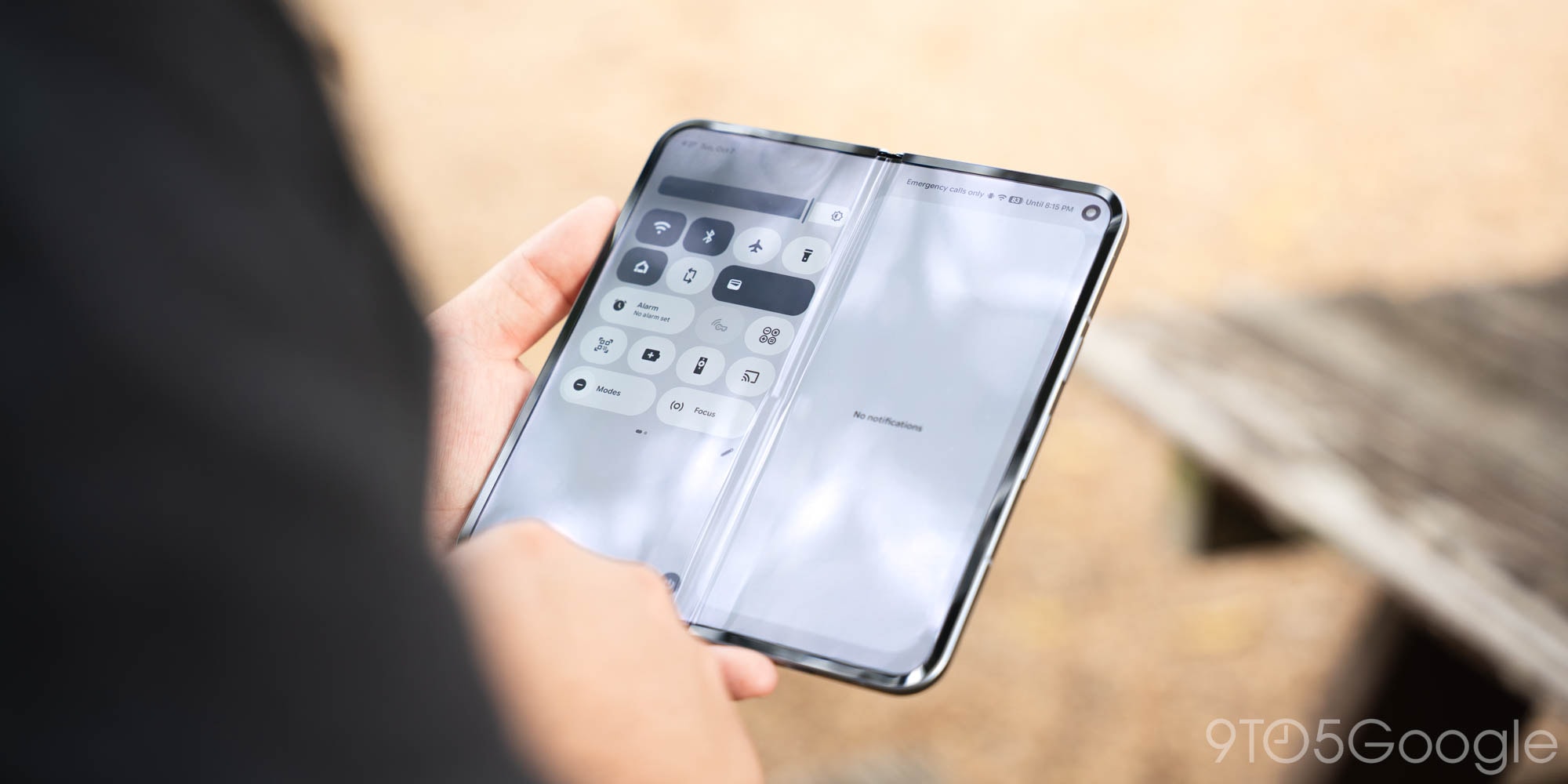
Super Actua display: brighter, with sufficient detail.
The resolution specifications remain unchanged: 1080 x 2364 for the external screen and 2076 x 2152 for the internal screen, with a pixel density of approximately 408 ppi. However, the actual display quality is impressive thanks to the LPTO OLED Super Actua panel with a peak brightness of 3,000 nits (internal screen) and 2,000 nits (external screen), resulting in better outdoor visibility than the previous generation. The 6.4-inch secondary screen has a convenient aspect ratio for one-handed operation, although the overall weight of the device is still slightly heavy.
The fingerprint sensor is located on the power button; the device does not have an under-display optical sensor – this makes sense given that the foldable design requires a trade-off between the location and number of sensors.
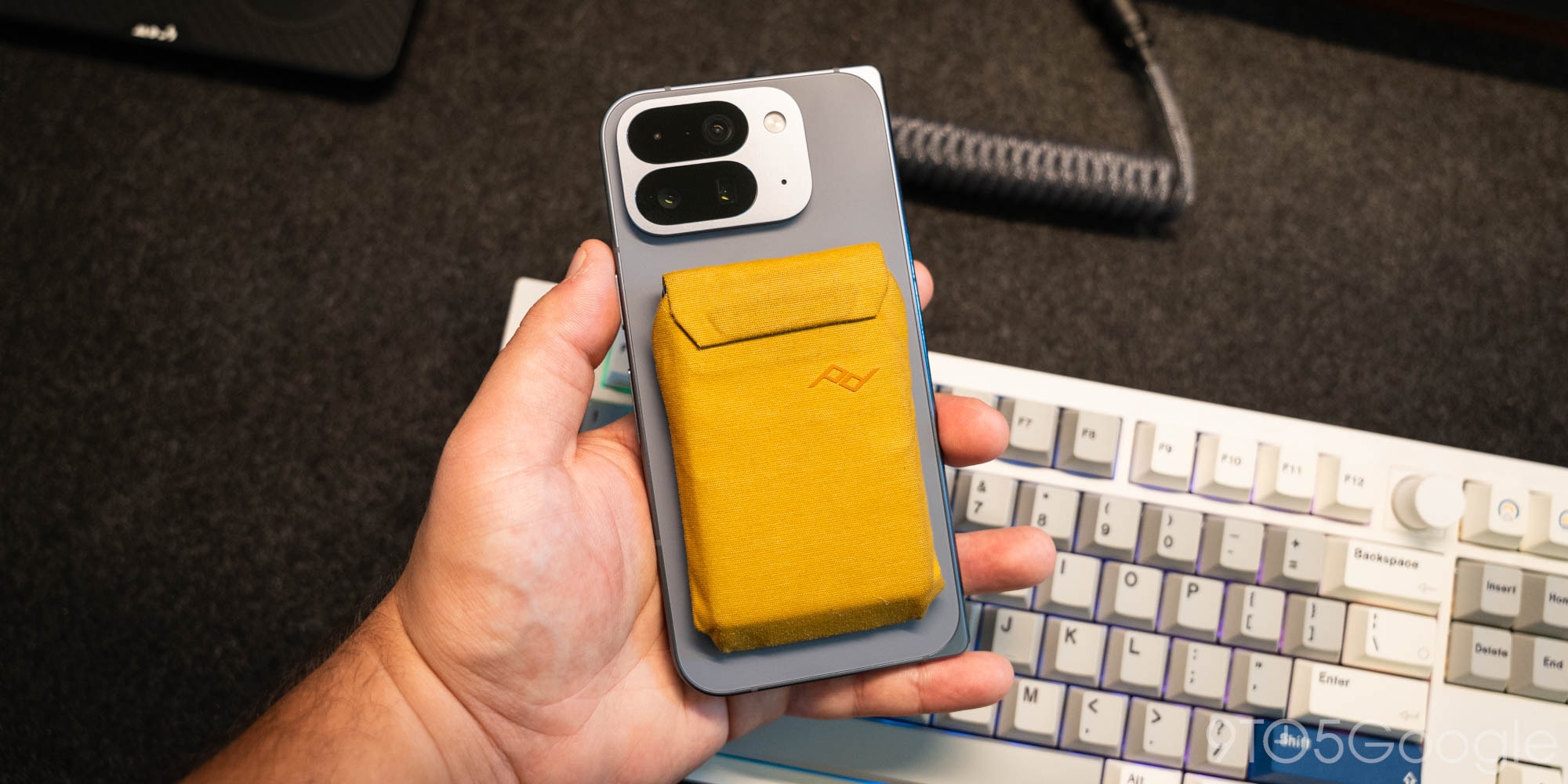
Qi2 and magnets: prioritizing the accessory ecosystem.
The strategic differentiator of the Pixel 10 Pro Fold is the integration of Qi2 magnets – a rare feature on foldable phones. Qi2 uses a standard-diameter magnetic array, offering broad compatibility with existing MagSafe accessories: wallets, charging docks, stands, etc. This priority might make it difficult for the device to achieve a thickness under 10 mm, but in return, users get a consistent accessory experience (even without a case), and it addresses the issue of the wireless charging coil being positioned too low on the previous generation.
In terms of speed, Qi2 wireless charging reaches 15W; suitable for overnight or desktop charging, but not yet a replacement for wired charging when fast charging is needed. Wired charging has a maximum of 39W: approximately half the battery in about 30 minutes, and a full charge in about an hour (depending on conditions).
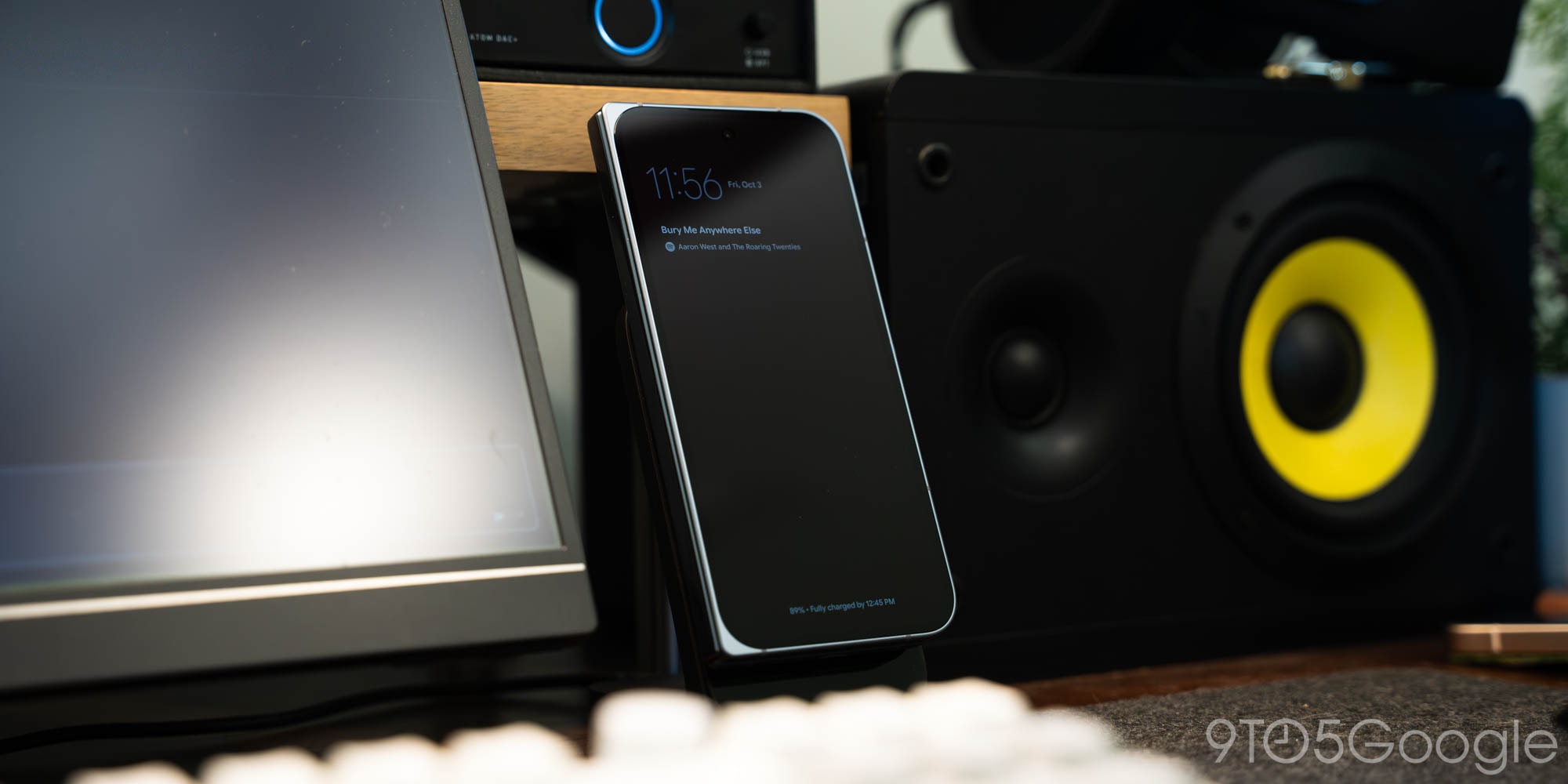
Android 16 and the foldable interface: optimized for simplicity.
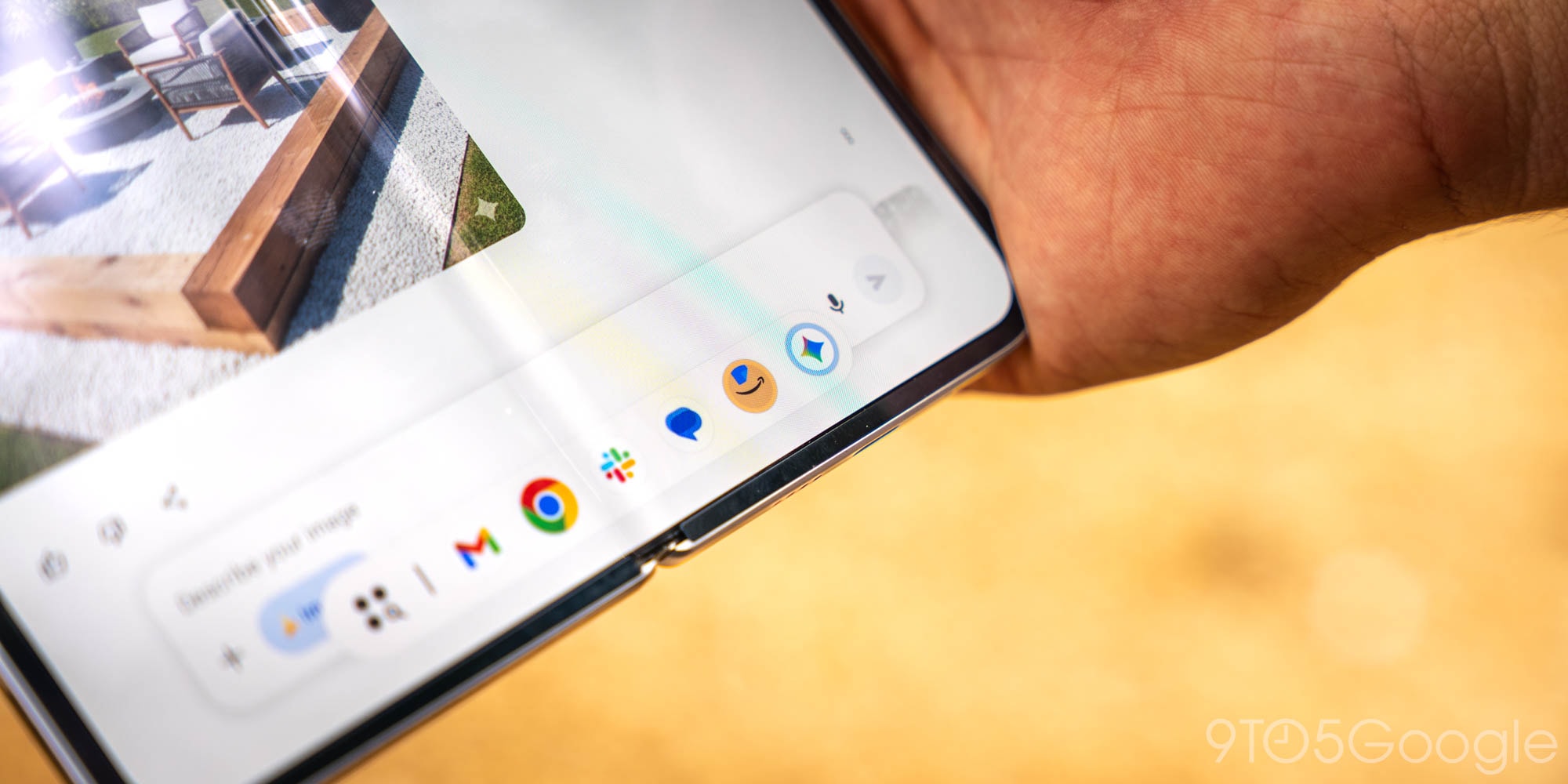
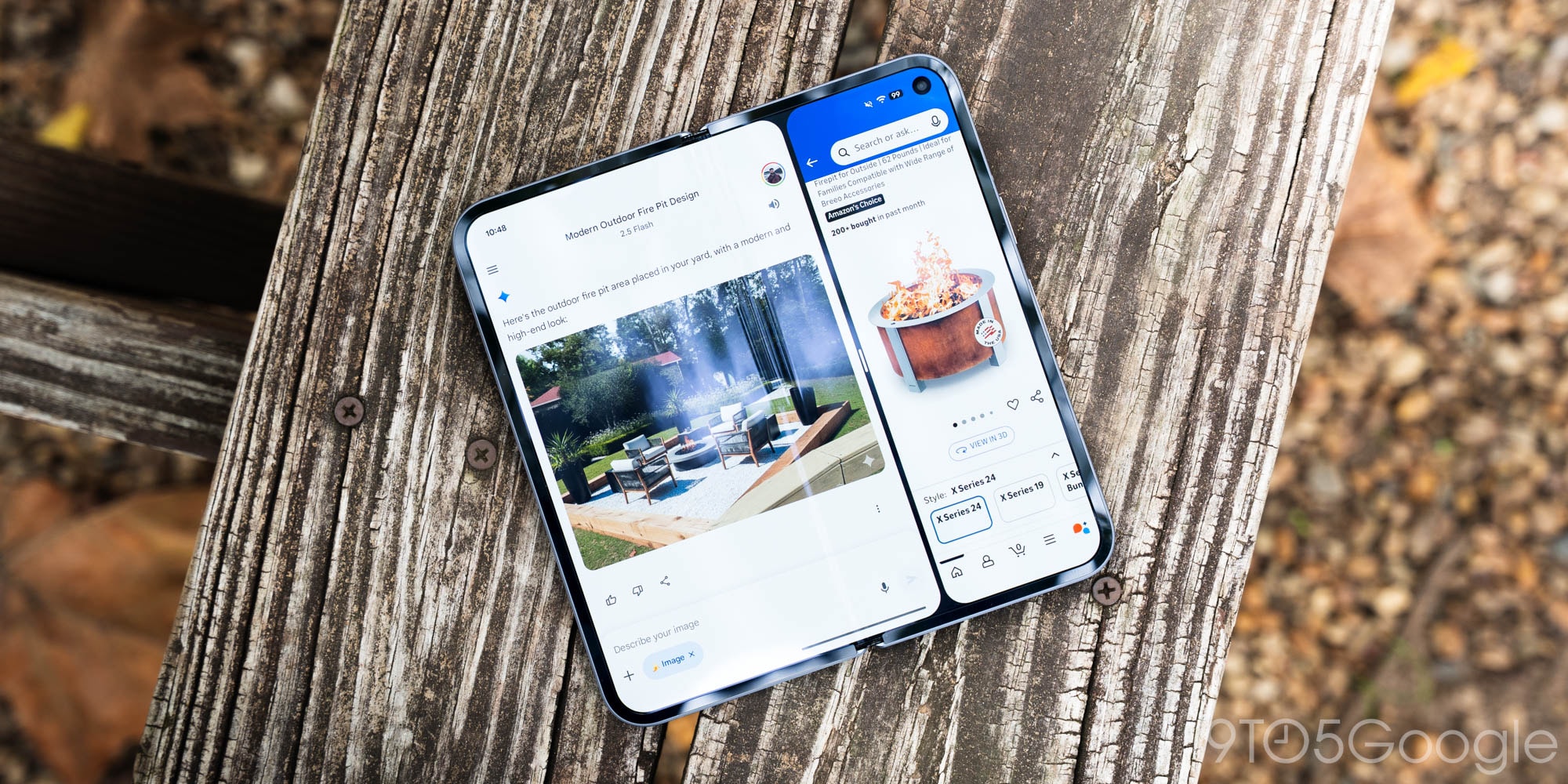
Android 16 runs smoothly on the Pixel 10 Pro Fold: unlocking, switching apps, and dragging and dropping are virtually trouble-free. The taskbar displays 6 apps when the device is open (5 when folded), allowing you to set fixed shortcuts or suggest recent apps. A notable new feature is the 90/10 split-screen function: secondary apps collapse like a "bar" to quickly switch to 90% screen space with a single tap. 50/50 or 60/40 options are still available, but 90/10 is more useful when many apps aren't yet optimized for the larger screen.
Google's approach leans towards simplicity and consistency: a maximum of two apps split-screen, no floating window at launch; this feature is expected to be added later in Android 16. For basic to moderate needs, the current experience is adequate; power users can expect more customization.
Tensor G5: Smooth, thermally stable
The Tensor G5 in the Pixel 10 Pro Fold comes from a different manufacturer and is aimed at addressing the heat issue. Initial observations indicate that the device only gets hot during app installation/restore; after that, it operates normally without significant glitches or lag. The overall experience is smooth, fitting the minimalist design philosophy of the foldable interface on Android 16.
Camera: good platform, algorithms need refinement.
The image quality from the Pixel 10 Pro Fold is generally good: detailed and natural. However, post-processing is affected: colors are sometimes off, and dark areas are "lifted," causing the image to lose depth – lacking the characteristic "magic" of recent Pixel models. This could be improved with a software update (adjusting color/brightness parameters). In terms of hardware, the device has a 10.5 MP telephoto lens, supporting up to 20x digital zoom with Super Res Zoom – less than the Pixel 10 Pro's 48 MP periscope, but still useful.
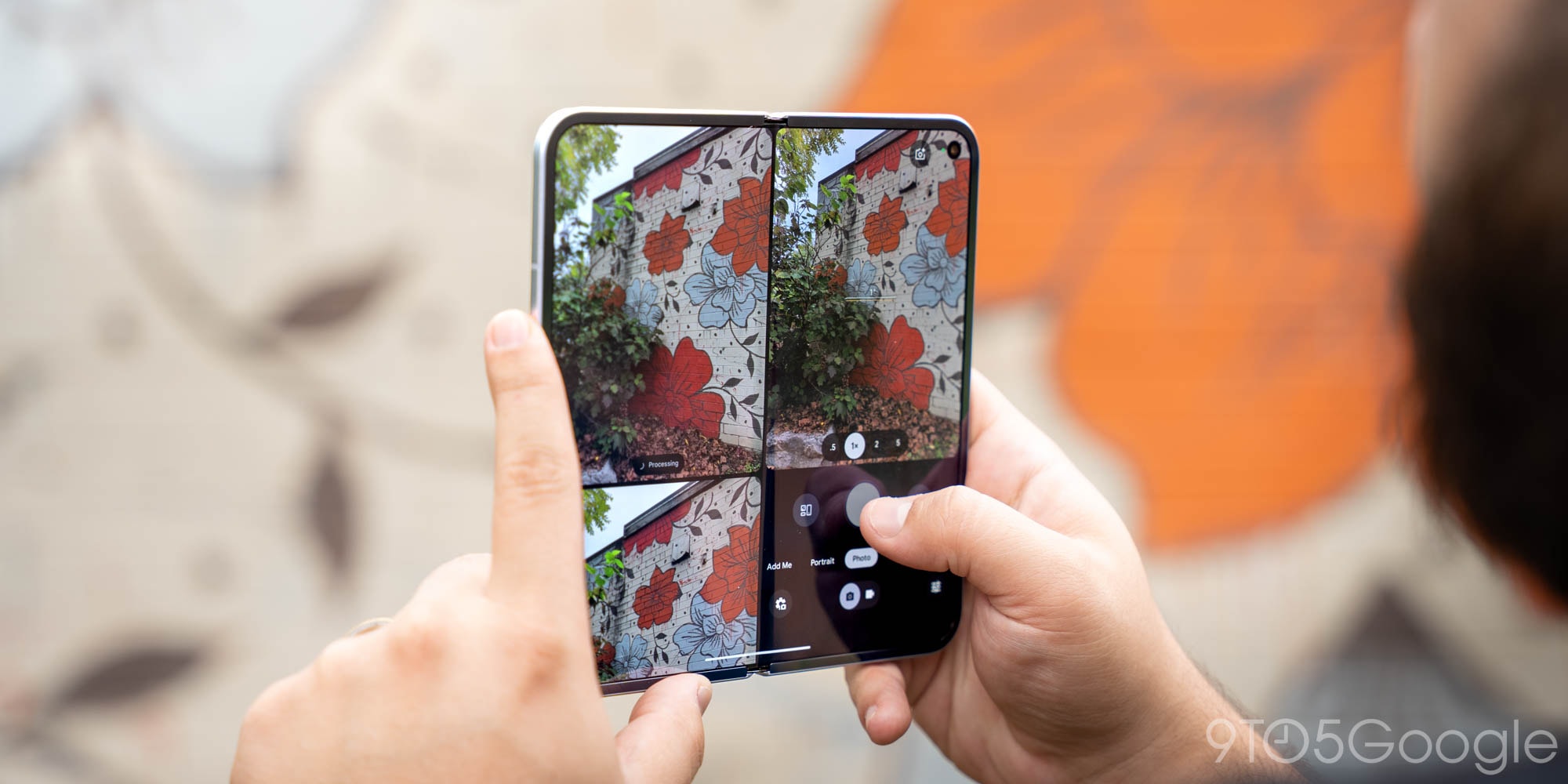
The camera interface on foldable phones showcases its strengths: Dual Screen Preview allows the subject to preview the photo on the external screen; Instant View displays the captured image right next to the viewfinder for quick comparison and adjustment. The option to switch the entire interface to the external screen allows for selfies taken with the rear camera to have superior quality compared to the front camera.
5,015 mAh battery: lasts almost all day, flexible charging.
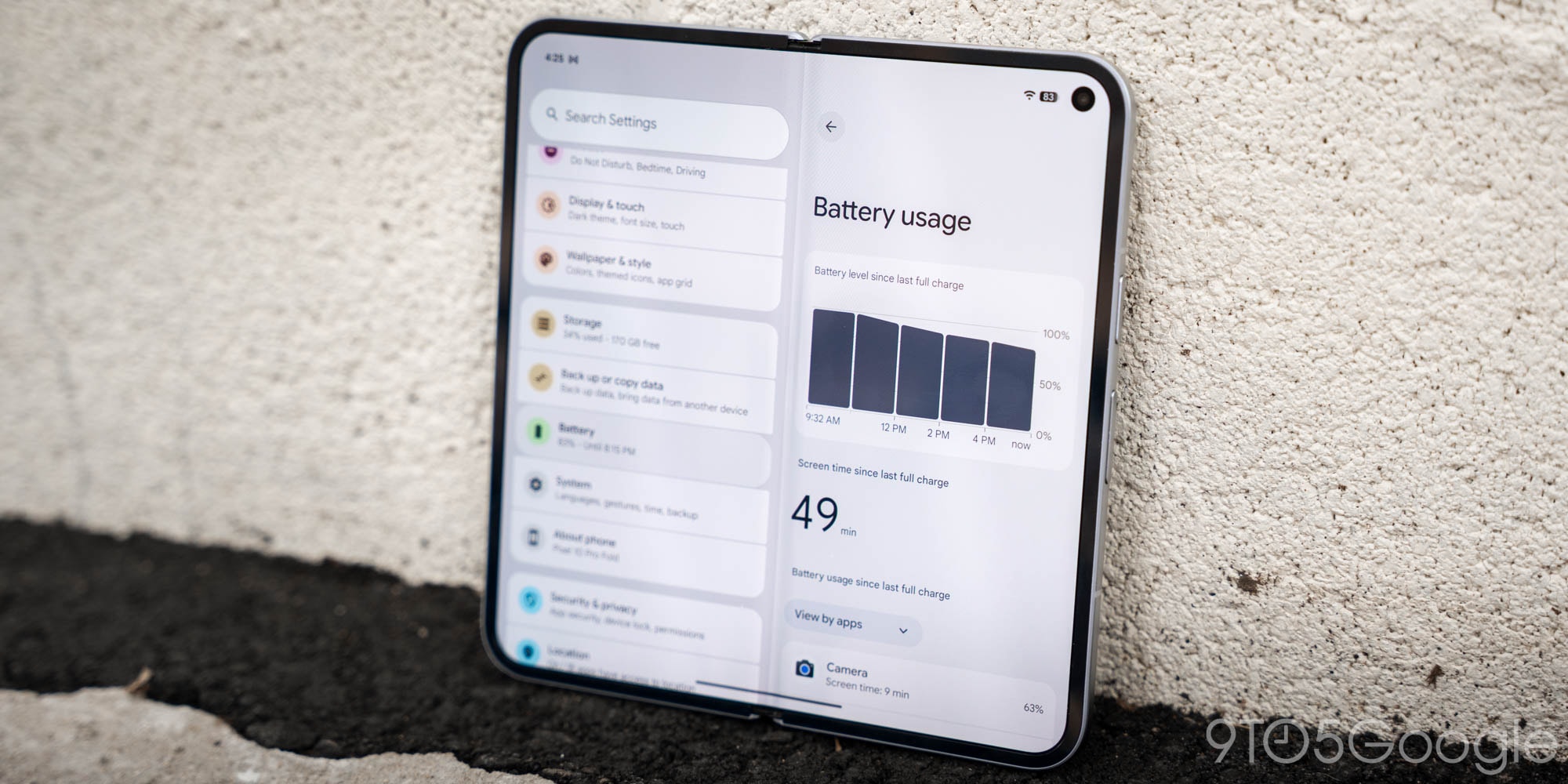
The 5,015 mAh battery is a significant upgrade from the previous 4,650 mAh. With light to moderate use, the battery was at around 30% at 8 PM; on a similarly heavy day, it was at around 7 PM with about 4 hours of screen time. The 39W wired charger charged to about 50% in about 30 minutes; a full charge took about an hour. The 15W Qi2 wireless charger is suitable for overnight use and offers convenience thanks to its magnetic base.
Main technical specifications table
| Category | Parameter |
|---|---|
| Dust and water resistance standard | IP68 |
| External display | 6.4-inch, 1080 x 2364, LPTO OLED, Super Active, 2,000 nit peak brightness. |
| Inner screen | 2076 x 2152, LPTO OLED, Super Active, 3,000 nit peak brightness |
| Pixel density | ~408 ppi |
| Foundation | Android 16 |
| Processor chip | Tensor G5 |
| Battery | 5,015 mAh |
| Wired charging | Maximum 39W (approximately 50% full ~30 minutes; full ~1 hour) |
| Wireless charging | Qi2 15W, MagSafe compatible magnets |
| Telephoto camera | 10.5 MP; Super Res Zoom up to 20x |
| Reference price | $1,799 |
Comparison and prospects
Compared to competitors pursuing extreme thinness and lightness, the Pixel 10 Pro Fold accepts a slightly thicker design in exchange for Qi2 technology and a more balanced feel in the hand. It lacks the "Pro" camera setup found on the slimmer Pixel 10 Pro series and still features a screen crease, but compensates with clean software, useful multitasking (90/10, 6-icon taskbar), high screen brightness, and improved battery life. At $1,799 – still at the lower end of the price range when some foldable flagships are approaching $2,000 – the device differentiates itself with a magnetic accessory ecosystem and a smooth, consistent Android 16 experience.
The future direction is likely to lie on two axes: optimizing image algorithms (color and dark areas) through software updates, and expanding multitasking tools (floating windows) to meet the needs of advanced users. If these two pieces are completed, the "small but powerful" refinements of the Pixel 10 Pro Fold will become even more valuable.


