
Decoding OpenAI's AI smartphone: 2nm hardware and the ambition to completely replace traditional applications.
OpenAI plans to mass-produce its first AI smartphone in 2027 with a 2nm chip, LPDDR6 RAM, and dual NPU architecture to replace apps with smart assistants.
OpenAI is getting closer to realizing its ambition to enter the hardware market with a smartphone project specifically designed for artificial intelligence. According to the latest report from analyst Ming-Chi Kuo, this device is not just a regular smartphone with integrated AI, but a completely redesigned system at the hardware level to optimize machine learning tasks.
Superior hardware configuration with 2nm process.
OpenAI's first phone is expected to feature the most advanced semiconductor technologies at the time of its release. Sources indicate the device will utilize a 2nm processor, combined with LPDDR6 RAM and UFS 5.0 storage. This combination aims to eliminate bandwidth bottlenecks, ensuring high-speed data streams for large language models (LLMs).
Dual NPU architecture: The foundation for an AI-first era.
The core difference in OpenAI Phone's architecture lies in its dual NPU (Neural Processing Unit) system. This design supports layered computing, allowing for flexible separation between tasks requiring immediate on-device processing and complex processes that need cloud computing power. In addition, the image signal processor (ISP) has been significantly upgraded to enhance the ability to interpret the real-world environment, helping the AI assistant understand the spatial context in which the user is present.
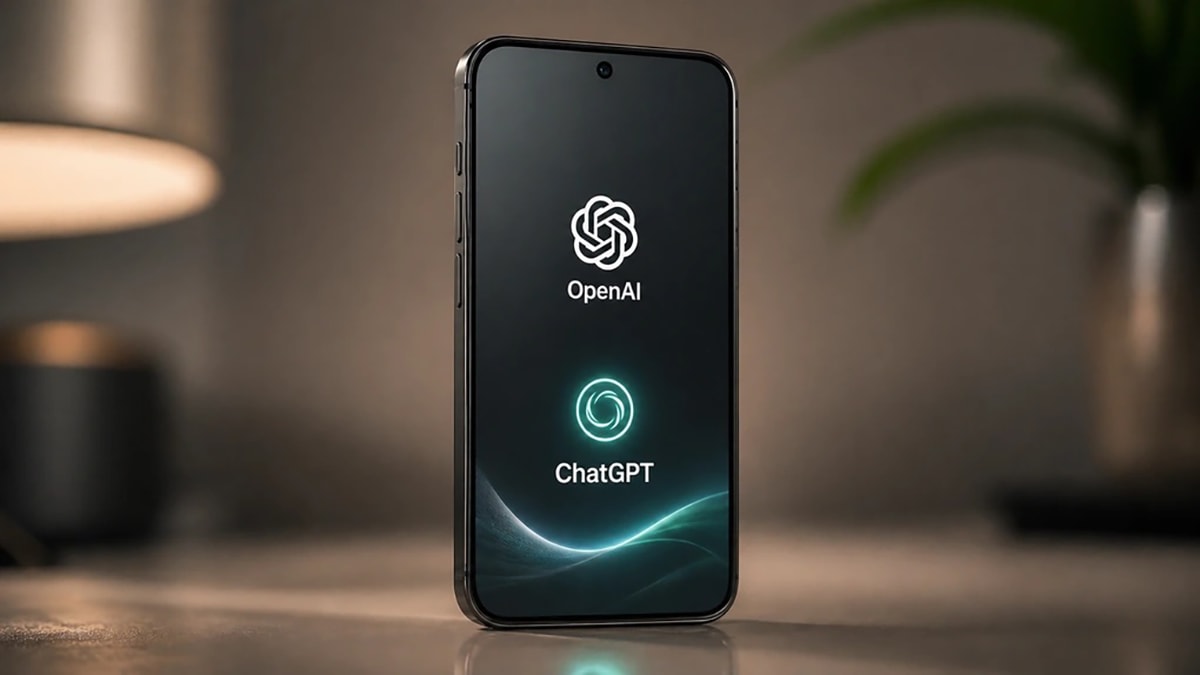
OpenAI's strategic goal is to change how users interact with mobile devices. Instead of opening individual apps for each task, users will interact directly with AI agents. These agents are capable of automatically performing sequences of actions based on the owner's intentions, thereby blurring the lines between software and the operating system.
Production roadmap and market outlook
According to current plans, OpenAI aims to mass-produce devices in the first half of 2027. The projected production volume could reach 30 million units between 2027 and 2028. This is considered an ambitious figure for a brand entering the hardware market for the first time, affirming OpenAI's determination to no longer rely on existing operating system platforms from Apple or Google.
Controlling the entire ecosystem, from the processor chip to the virtual assistant software, will allow OpenAI to deeply optimize privacy and performance. The device will continuously learn from user behavior and habits to become smarter over time, while still ensuring security through the ability to locally process sensitive data.


