
Decoding North Korea's latest cruise missile test.
Earlier this week, North Korea announced the successful testing of a cruise missile capable of reaching much of Japan.
Unlike ballistic missiles, cruise missiles can change direction and strike targets from unexpected angles.
In an article published on BBC on September 17th, analyst Ankit Panda pointed out that the test showed...ChosenPyongyang is continuing to develop increasingly diverse and sophisticated nuclear weapons delivery systems. It also demonstrates that Covid-19, natural disasters, and economic difficulties cannot stop Pyongyang from advancing its nuclear deterrence capabilities.
According to Panda, the test raises a series of questions, such as why North Korea tested a missile at this time, how significant it is, and what the test reveals about Pyongyang's priorities.
|
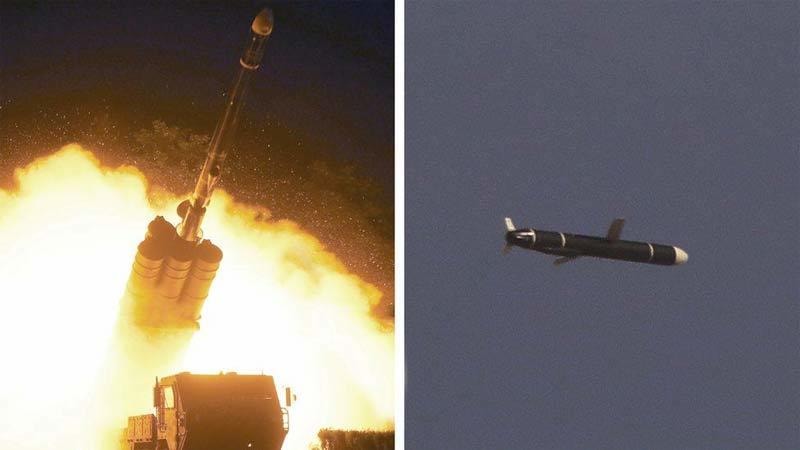
| North Korean media publishes images of a new cruise missile. Source: KCNA |
North Korea remains unchanged.
Following the unsuccessful summit with US President Donald Trump, Chairman Kim Jong-un has expressed his determination to continue investing in North Korea's nuclear deterrence capabilities and pursue a "self-reliant" defense strategy.
Regarding North Korea's reasons for testing missiles while struggling with food shortages and a worsening economic crisis, Panda analysts suggest that North Korea is pursuing multiple objectives.
Such tests further highlight Kim Jong-un's commitment to enhancing national defense self-reliance. In addition, new weapons – such as the recently test-fired cruise missile – make it more difficult for North Korea's enemies to plan a countermeasure.
Unlike ballistic missiles, cruise missiles fly low and slowly as they approach their target. The missiles recently tested by North Korea have a range of approximately 1,500km and a flight time of about two hours. Ballistic missiles with a similar range are faster, but what Pyongyang is concerned about is that it will be difficult for enemies to detect the cruise missiles and defend against them effectively.
North Korea's latest move shows that, despite facing numerous difficulties, Kim Jong-un remains determined to develop the country's nuclear capabilities.
|
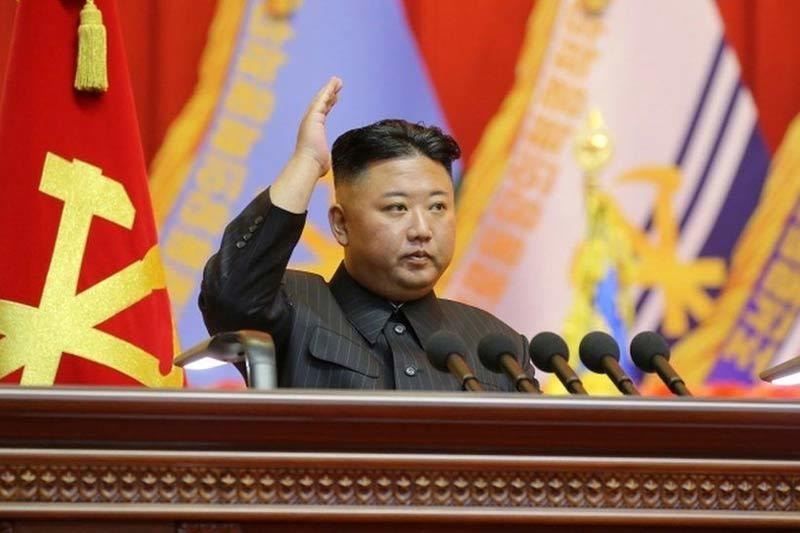
| North Korean leader Kim Jong-un. Photo: Reuters |
Nuclear carrying capability
The biggest concern for South Korea, Japan, and the international community right now is what North Korean media has described as "strategic weapons" for the newly tested missiles. Typically, this phrase implies that Pyongyang hopes to be able to attach nuclear warheads to the missiles.
None of North Korea's previous cruise missile systems were capable of carrying nuclear warheads.
In January 2021, Chairman Kim Jong-un announced that such a system was under development. He also implied that, in the future, this missile system could be used for a potential tactical nuclear weapons delivery role.
United Nations resolutions prohibit North Korea from testing ballistic missiles, but not cruise missiles.
Ballistic missiles are more dangerous because they can carry one or more powerful warheads and can fly faster. Cruise missiles, on the other hand, can change direction for much of their flight, allowing them to strike targets from unpredictable angles. They fly low, so ground-based radar systems can only detect them in the final stages of flight, or may not detect them at all.


