
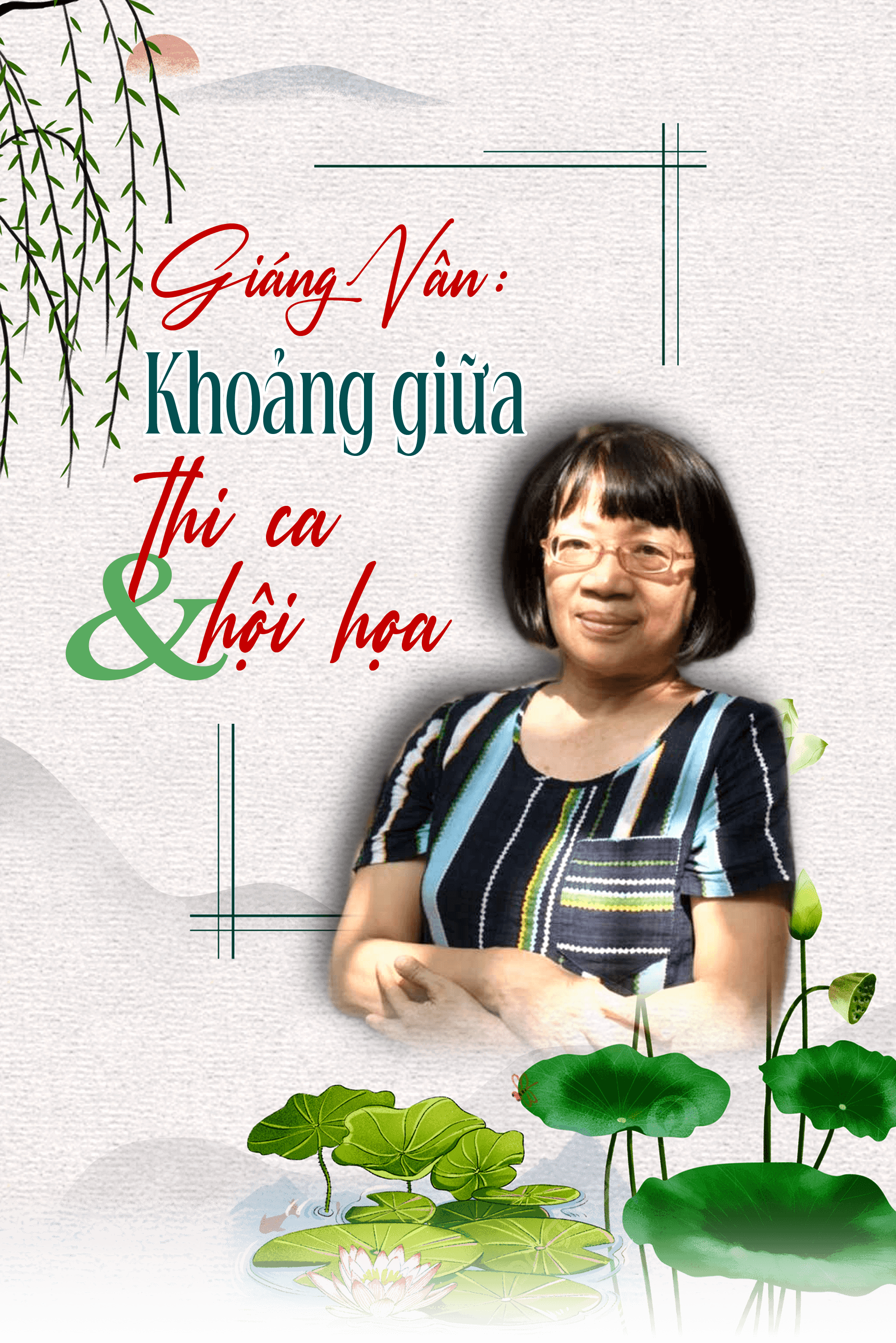
Giang Van: Between Poetry and Painting
Four poetry collections spanning over three decades; less than 10 years of painting, yet she's held seven solo exhibitions and numerous group displays. Reading her poetry, viewing her paintings, and conversing with journalist, poet, and painter Giáng Vân (born in 1959), I realized that behind these numbers lies a strong family cultural foundation, a strict approach to nurturing talent, and a need for creative freedom.
Le Trang/Present: Hong Toai •16/10/2026
*****
Four poetry collections spanning over three decades; less than 10 years of painting, yet she's held seven solo exhibitions and numerous group displays. Reading her poetry, viewing her paintings, and conversing with journalist, poet, and painter Giáng Vân (born in 1959), I realized that behind these numbers lies a strong family cultural foundation, a strict approach to nurturing talent, and a need for creative freedom.
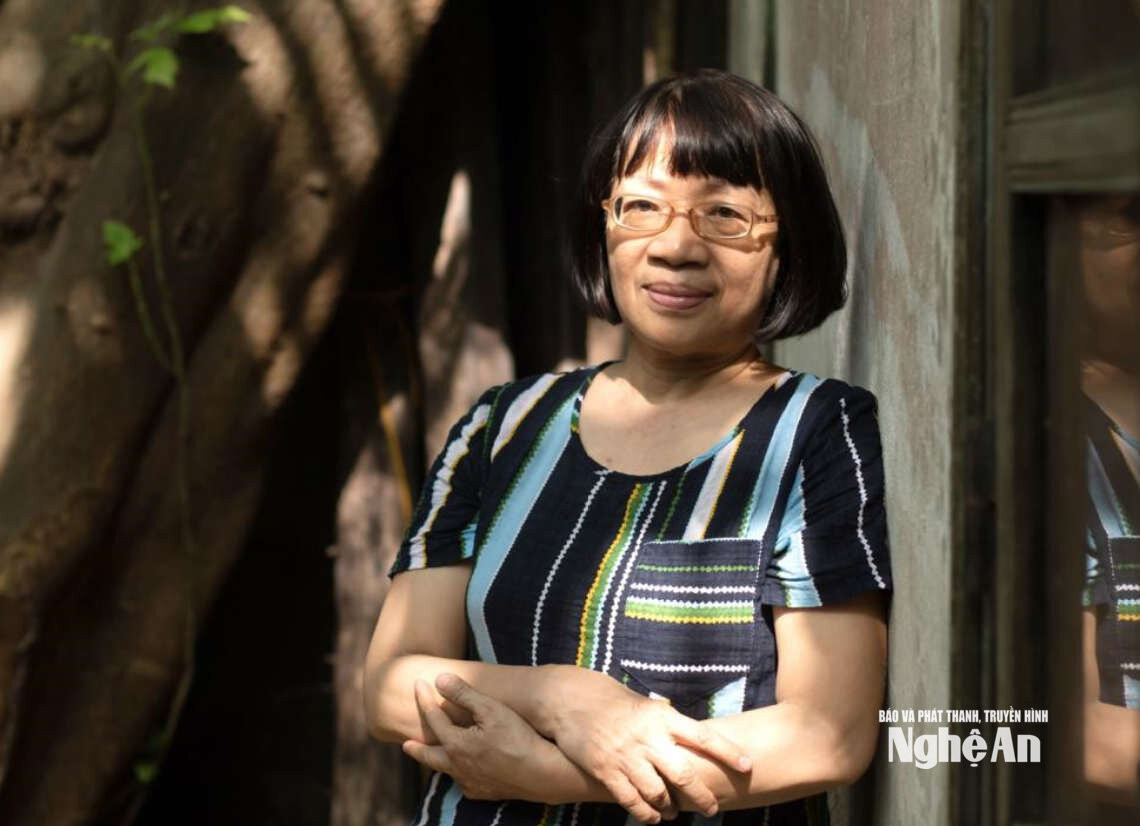
The name Giáng Vân comes from a cloud. When his daughter was born, writer Nguyễn Trọng Oánh was on Tam Đảo mountain and saw a beautiful cloud, so he named her that. I liked that moment of emotion from the father. But in our story, the people who appeared most vividly in her childhood memories were her maternal grandfather and her uncle.
As a frail child, with her mother having two more children and her father often away, Giáng Vân lived with her maternal grandfather in a rural village in Nghi Lộc, Nghệ An. He would lull her to sleep with songs like "Truyện Kiều," "Phạm Công Cúc Hoa," and "Phạm Tải Ngọc Hoa"... He had a beautiful garden and wove beautiful household items. Many years later, when his granddaughter had learned to paint, she still remembered those objects as works of art. Thus, from a time when she knew nothing about art, she had seen beauty through her grandfather's labor.
Her uncle brought her a vast world of literature. According to her, due to his family background, he didn't go to university and stayed home to garden. He had a memory that, to her, was "extraordinary"; he knew "The Tale of Kieu" so well that he could recite it forwards and backwards fluently, understood allusions, admired Nguyen Trai and Cao Ba Quat, and knew many Tang Dynasty poems by heart. At night, he would light a kerosene lamp to water the garden and recite poetry aloud, his voice echoing throughout the neighborhood. His literary companions included a few friends and his young niece. From the fifth grade, Giang Van had read and discussed with her uncle the novel "War and Peace" by the Russian writer Lev Tolstoy.
I imagine the appeal of books to a child who is treated as a conversational companion by adults. Her mother taught Math and Physics, and also worked as a librarian; her maternal grandfather's house used to house the library of Vinh Pedagogical University during the evacuation. Books surrounded her, and she read whenever she could…
Her father held a different perspective. She recounted that when she was a child, she sent poems to her father on the B2 battlefield and received a reply: "I received your poems." Only later did he explain that her poems could have been published in newspapers, but early fame could easily lead to ruin. "If a child possesses true inner strength, it will develop naturally."Buthe said.
On another occasion, around 1980, her poem "Midland" was nominated for first prize in a poetry competition organized by the Army Literature and Arts Magazine. Her father, who was the head of the judging panel, dismissed the idea, saying, "First or second prize doesn't matter to her; just give her a calendar, that's enough."
She recounted her story without a word of reproach. What I heard more clearly was her gratitude for her father's desire to stand on his own two feet. She was reserved when speaking about family influence, because those things are intangible and difficult to measure. But I understood that the roots of Nghe An province had permeated her artistic life through her thirst for knowledge, her respect for literature, and the self-respect of a writer.
“Thơ cũng trời cho, mà vẽ cũng trời cho. Đâu biết nó đến khi nào?”- bà nói. Còn công việc kiếm sống, bà xác định rõ: “Nghề của tôi là làm báo”. Phóng viên, biên tập, thư ký toà soạn, bà tự tin mình đều làm tốt.
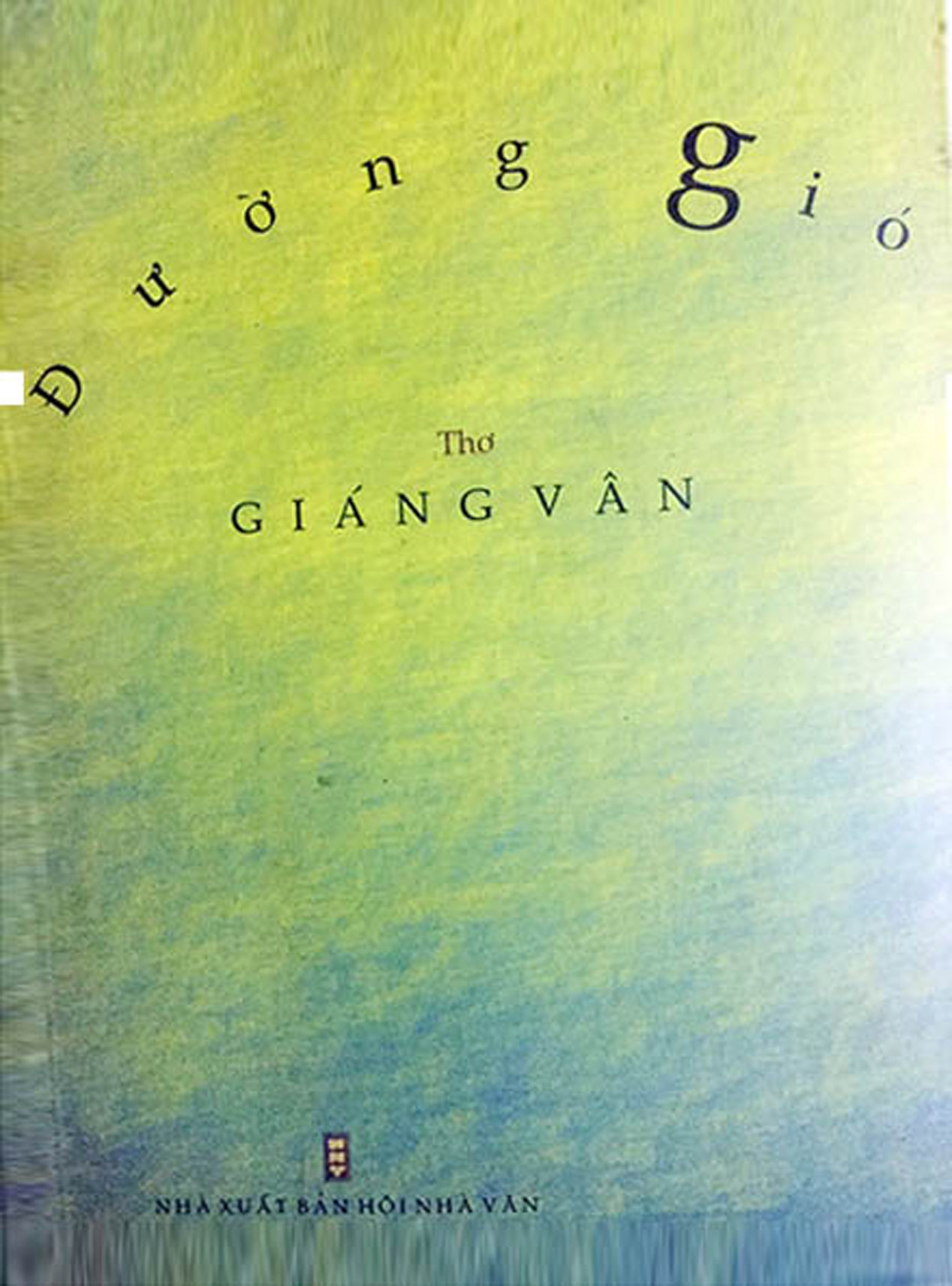
Đến nay, Giáng Vân đã xuất bản bốn tập thơ: “Năm tháng lãng quên” (1990); “Trên những ngày buồn” (1995) - Giải thưởng Văn học nghệ thuật giai đoạn 1991-1995 của Hội Liên hiệp VHNT Hà Nội; “Đường gió” (2013) - Giải thưởng hàng năm Hội Liên hiệp VHNT Hà Nội; “Cây từ bi nở hoa” (2024). Qua những quãng dài ấy là sự mở rộng của một cái tôi: Từ tổn thương tình yêu đến suy tư về thân phận, tự do và khả năng sống tử tế giữa đời.
Cảm xúc trong thơ bà thường tìm đường qua trực giác, giấc mơ, những hình ảnh biến đổi. Nhà thơ Mai Văn Phấn gọi vẻ đẹp ấy là “trong suốt và tĩnh lặng”. Nhưng trong chùm thơ bà gửi, tôi gặp những câu hỏi gắt gao về cái ác, sự lọc lừa và những tổn thương con người gây cho nhau: “Bọn tàn độc, tham lam người có làm gì được họ?” (Thơ), hay “Phản bội / Lọc lừa / Đê tiện / Khiến tim con bao lần chảy máu…” (Mẹ đã mơ một giấc mơ). Giáng Vân nhìn thấy sự tàn nhẫn rồi vẫn tin vào khả năng thương yêu. Thơ bà có lúc mong manh mà không yếu đuối. Cũng trong bài “Mẹ đã mơ một giấc mơ”, viết cho con gái Huệ An, bà viết: “Mẹ biết không gì có thể bẻ gãy được một tia nắng/ Một tia nắng biết sưởi ấm cuộc đời này”. Đặc biệt, Giáng Vân là tác giả bài thơ “Yên tĩnh”, được nhạc sĩ Phú Quang phổ nhạc thành ca khúc nổi tiếng “Đâu phải bởi mùa Thu”.
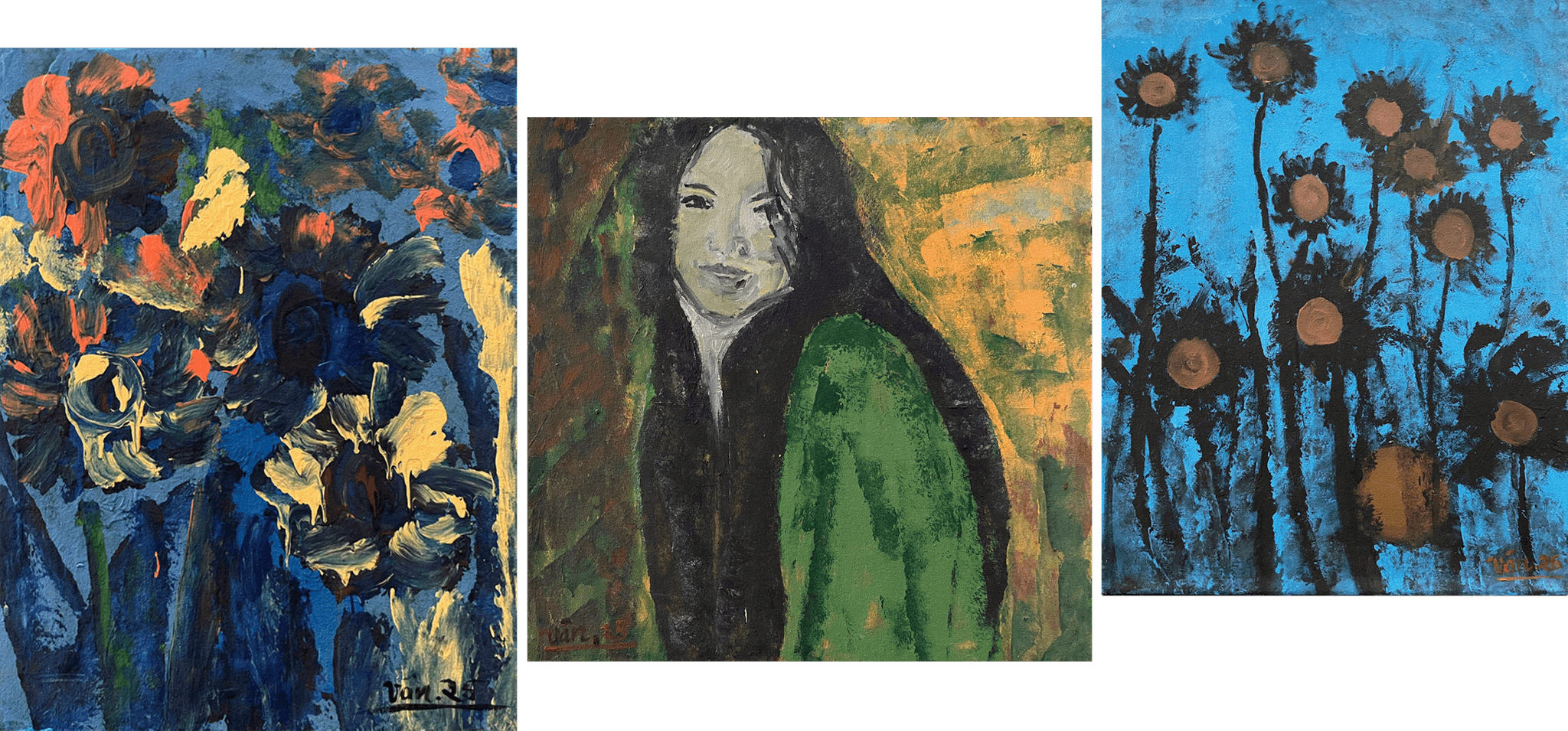
Gần sáu mươi tuổi, bà phát hiện mình biết vẽ. Với giới hội hoạ, đó là một “vỉa đầy năng lượng” chờ dịp bộc phát. Trước khi cầm cọ, bà đã tham gia làm “Từ điển mỹ thuật thế giới”, tổ chức triển lãm, làm việc trong không gian nghệ thuật. Khi bắt đầu vẽ, những tích lũy ấy lập tức tìm được hình thức biểu đạt.
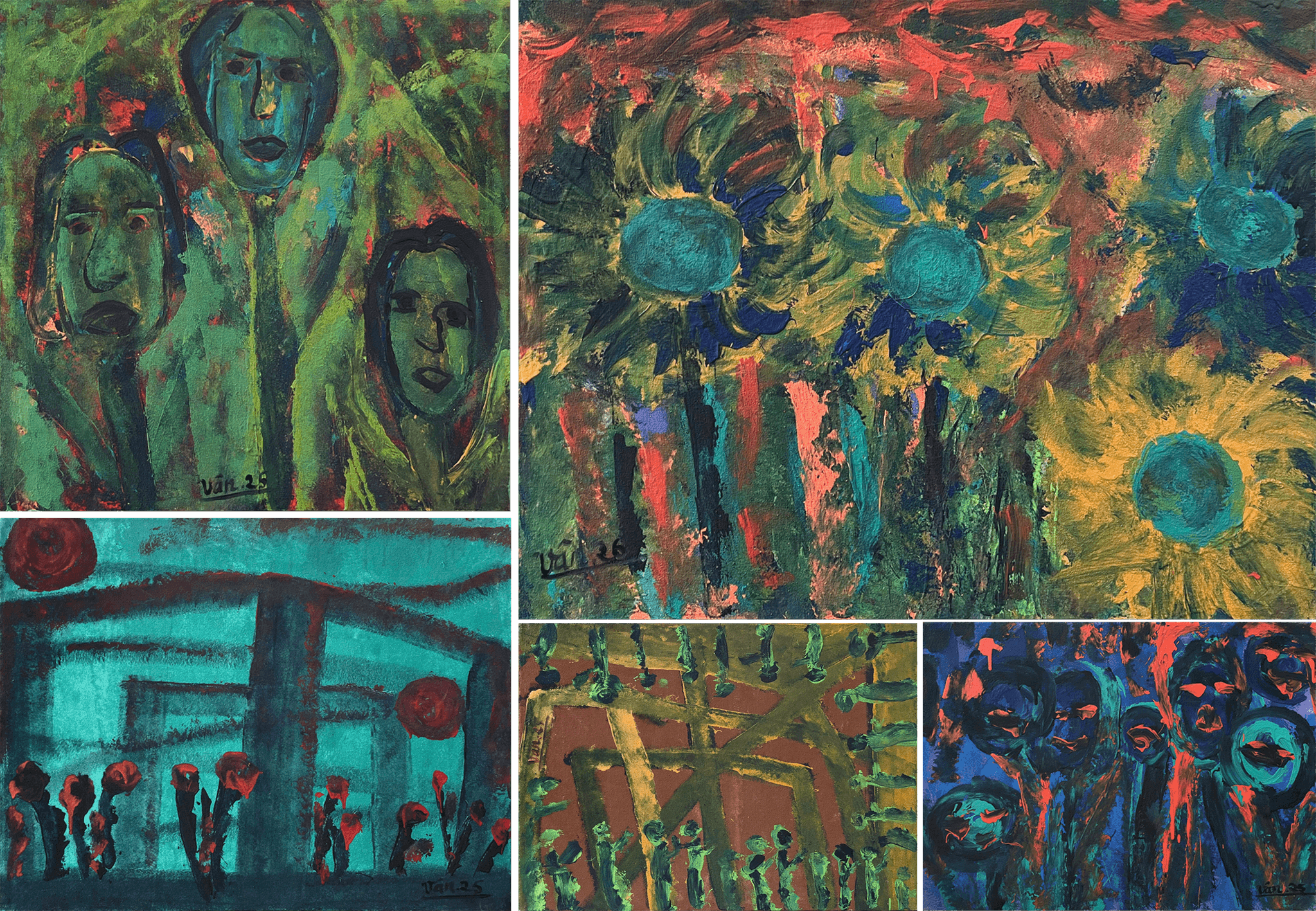
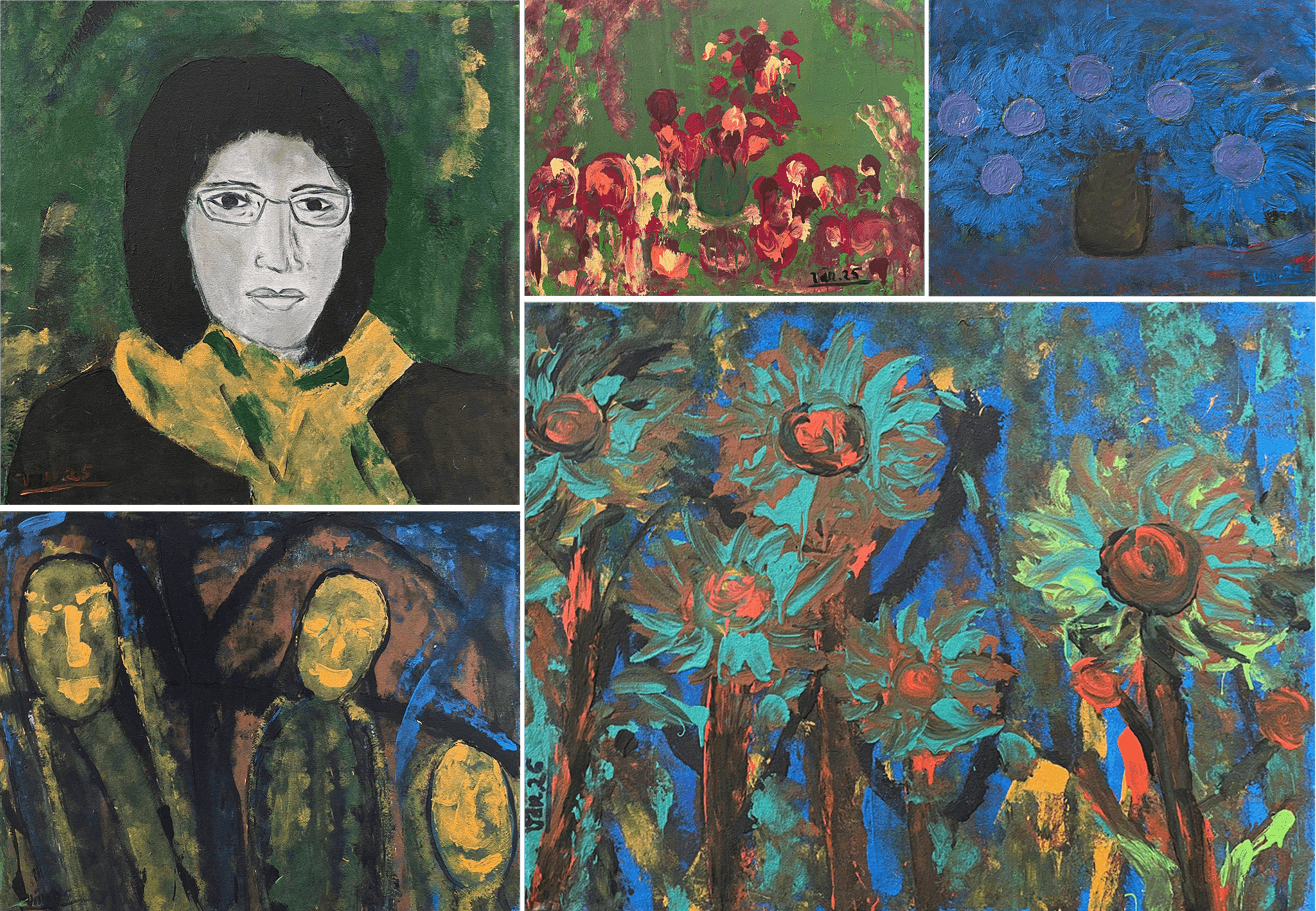
From the 2017 drawing class for "retired elders" (in her words), Giáng Vân has successively held solo exhibitions: "Portraits and Still Lifes", "Mods of Color" (2018); "Giáng Vân - 2021" (2021); "Ceramic Life" (2022); "Giáng Vân - 2023" (2023); "Giáng Vân, Portraits, Still Lifes, and Surrealism" (2024); "Street, People, and Flowers" (2025), along with many group exhibitions.
"A gift from heaven" is how she describes the mysterious aspect of her creative ability. The story of painter Giáng Vân's artistic life also reveals her dedication to reading, learning, and experience. What resonated with me was the way she recounted her beginnings: a woman already renowned in poetry still attending painting classes, accepting her first clumsy strokes…

Giáng Vân's style can be identified from her perspective on the world: things always carry a certain mental state. Flowers, water, streets, and people's faces appear with their own anxieties, compassions, and memories. In poetry, this state is expressed through association; in painting, it takes shape and color.
Her poetry is evocative, but the images rarely remain static. In "Water," she writes:"She entered the water / She dissolved in the water / Her hair turned into moss."These successive transformations blur the boundaries between man and nature, suggesting that both body and soul can change form.
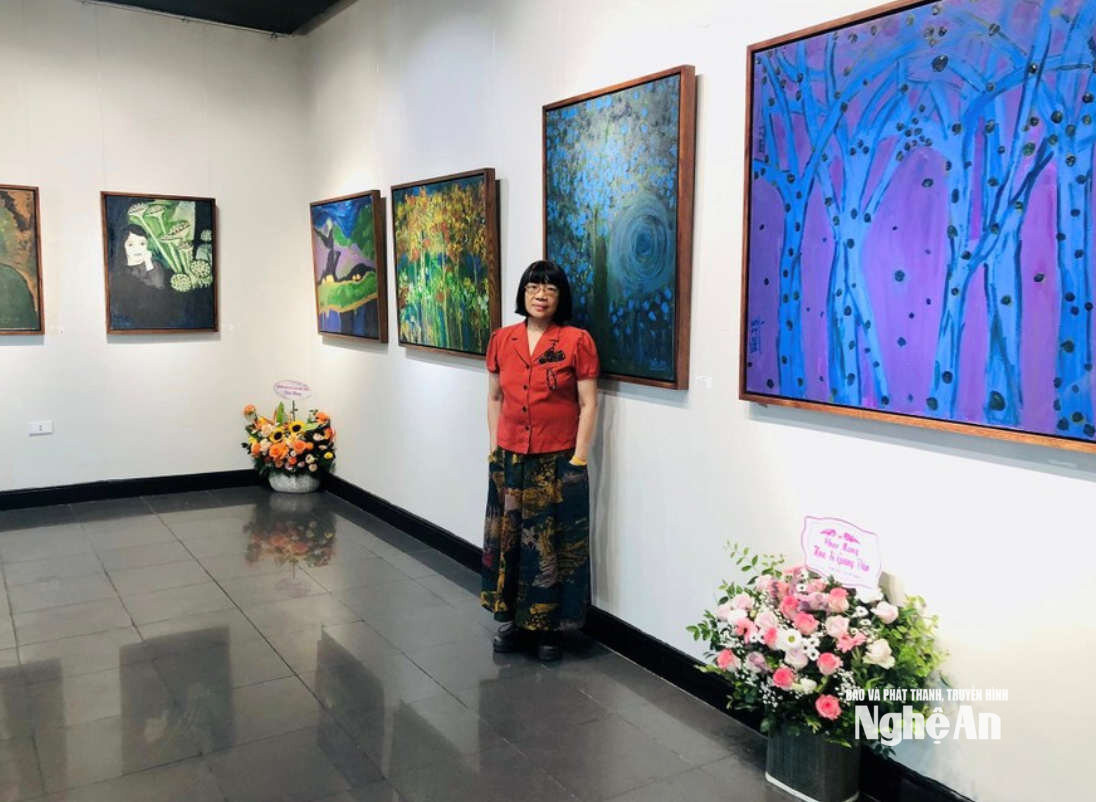
Her paintings are often described as having a somber tone, large forms, a strong brushstroke, and a blend of figurative and abstract styles. In his essay "The Melancholy Period," Tobi Tran wrote:"She always tried to depict the state of existence of things."A face, a flower branch, or an architectural structure is brought to life by the weight of color, the rhythm of lines, and the spacing between forms. The suffocating feeling of the city fuels works about urban life; the muted tones contain the frustration of modern living.
When I asked her where her poetry and painting meet and diverge, she said: "What's there to merge or diverge about? It's the difference between two languages." And she mentioned intuition and things that are difficult to explain, very difficult for outsiders to understand.
Lately, artist Giáng Vân has devoted almost all her time to painting. This makes me think of her childhood books and her father who waited for his daughter's abilities to develop naturally. Many years have passed, yet she still has much to discover about herself. Before a new canvas, she begins again…
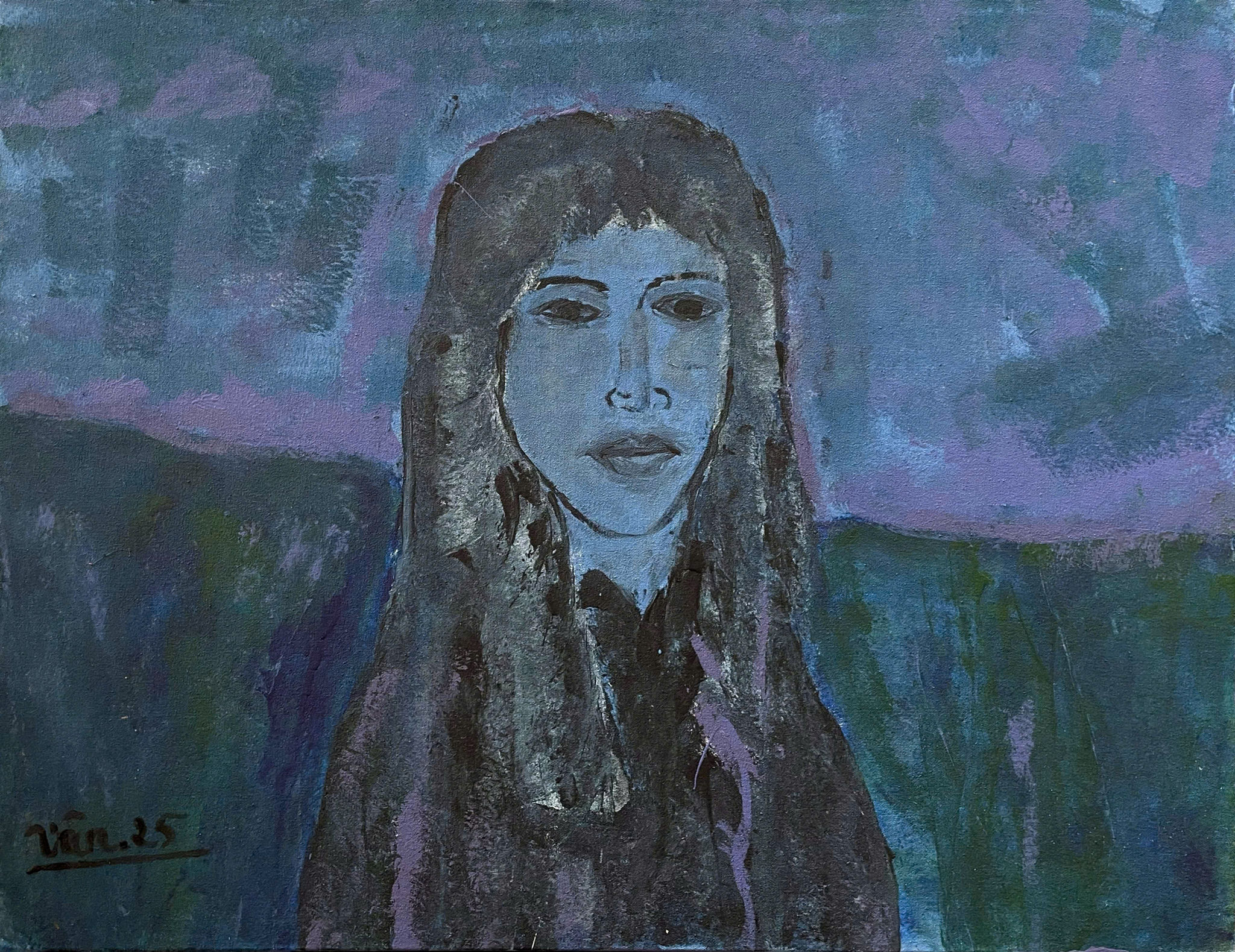
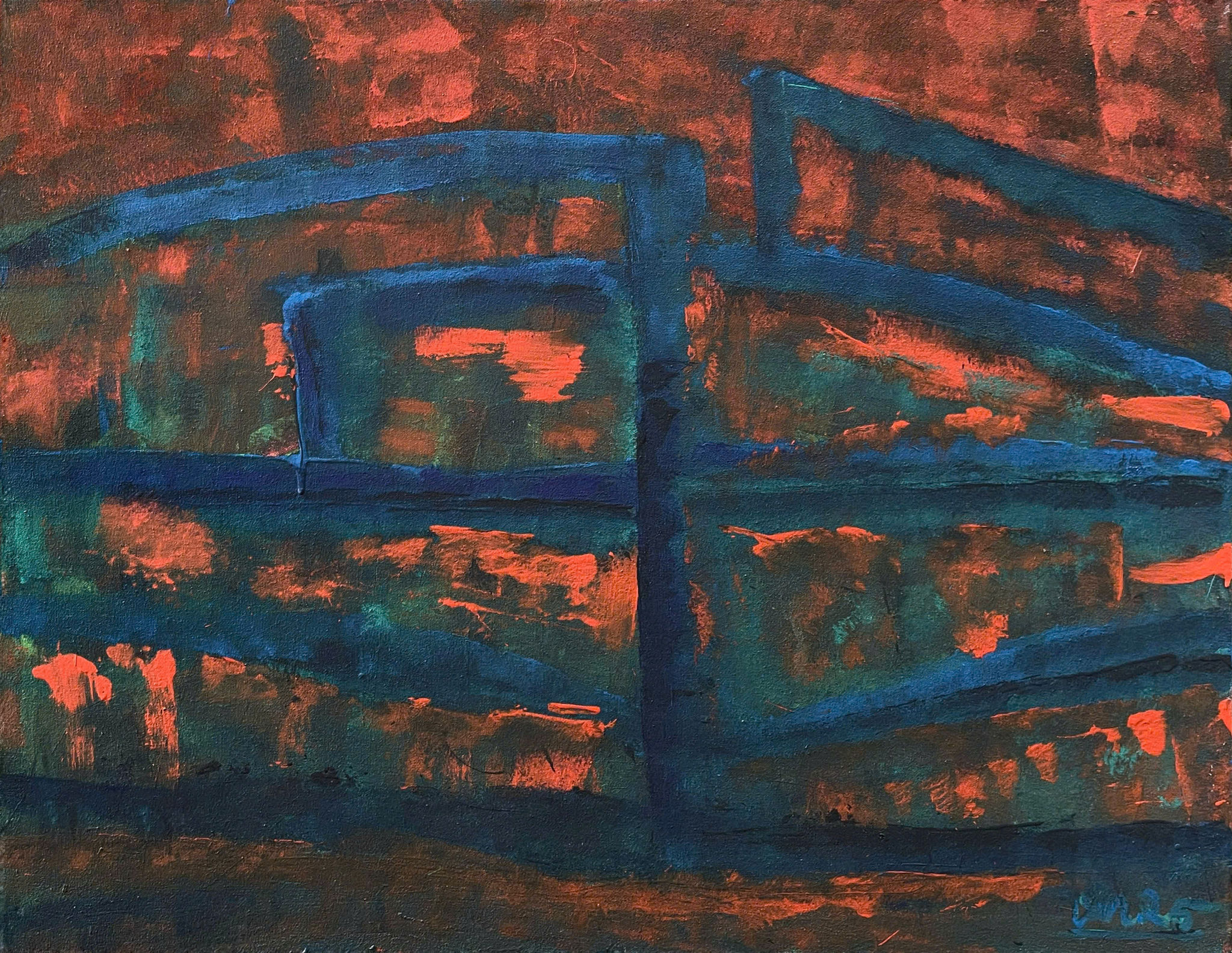
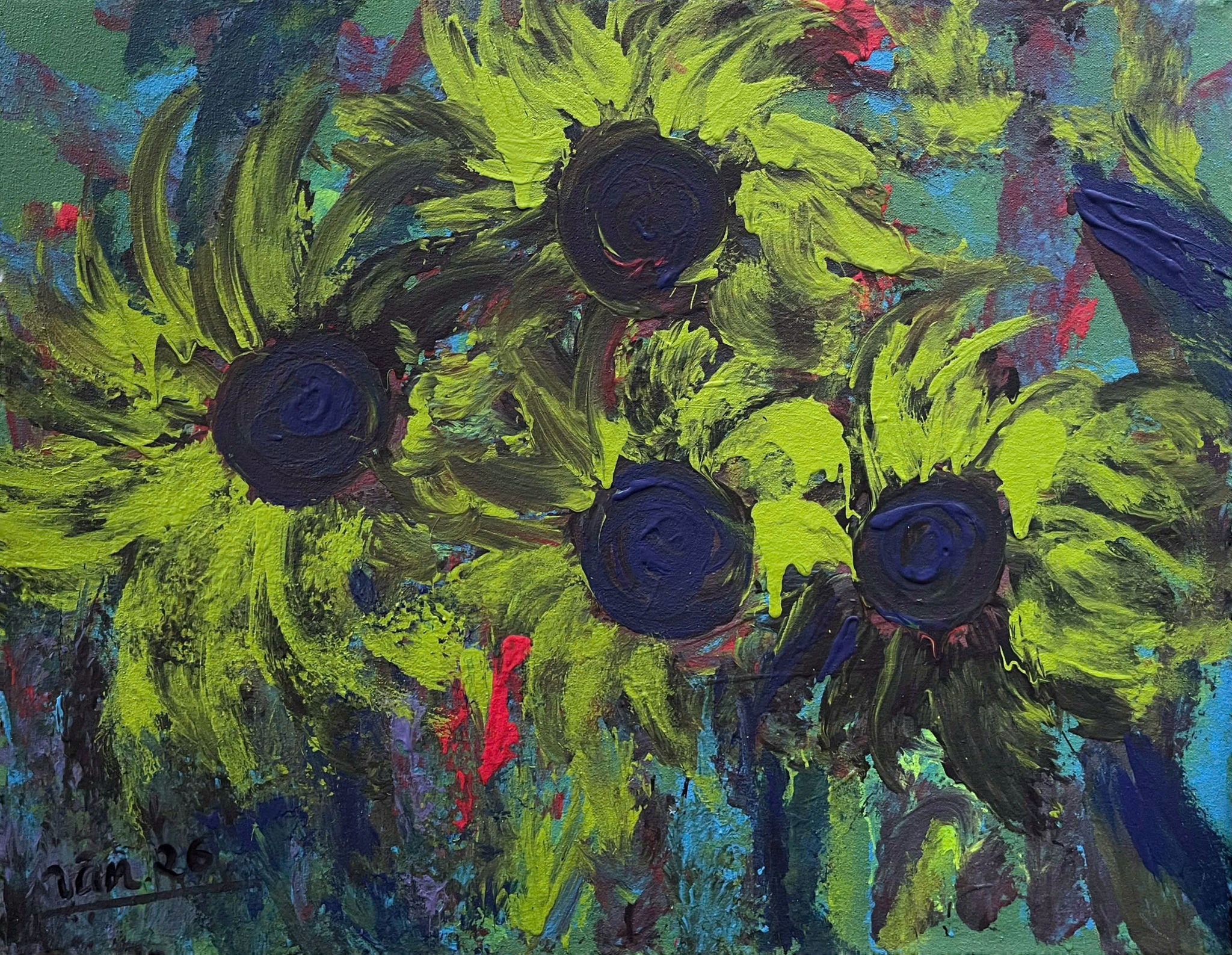
Journalist, poet, and painter Nguyen Thi Giang Van
Year of birth: 1959
Hometown:Nghi Loc, Nghe An. Currently living and working in Hanoi.
Published poetry works:Forgotten Years (1990); On Sad Days (1995); Windy Path (2013); The Tree of Compassion Blooms (2024). Besides writing poetry, she also translates, writes criticism, and essays on literature and art.
Painting:
Solo exhibition:Seven exhibitions, including Portraits and Still Life (2018), Color Variations (2018), Giang Van – 2021, Ceramic Life (2022), Giang Van – 2023, Giang Van, Portraits, Still Life and Surrealism (2024), Street, People and Flowers (2025).
Group exhibition:Participated in numerous exhibitions in Hanoi and abroad; notably, exhibitions at ChuArt Space, Nha San Studio, Long Bien Affairs, and Form & Formlosigkeit in Berlin, Germany in 2026.
Prize:On Sad Days – Hanoi Union of Literature and Arts Award 1991–1995; Windy Path – Hanoi Union of Literature and Arts Annual Award 2013.
Giáng Vân is the author of the poem "Quietness," which was set to music by composer Phú Quang and became the famous song "It's Not Because of Autumn."


