
Cao Minh Hai, a parishioner, is successful in business and remains faithful to his faith throughout his life.
Cao Minh Hai, a parishioner of Thien Tuoc parish, An Chau commune (Nghe An province) – a former soldier of Uncle Ho's army, now the Chairman of the Parish Pastoral Council and Head of the Veterans' Association in Hamlet 3 – is remembered as a gentle and responsible person. He is always exemplary in his work, religious duties, and secular life, contributing to the enduring unity between Catholics and non-Catholics in his hometown.
The soldier returned home and started a career in construction.
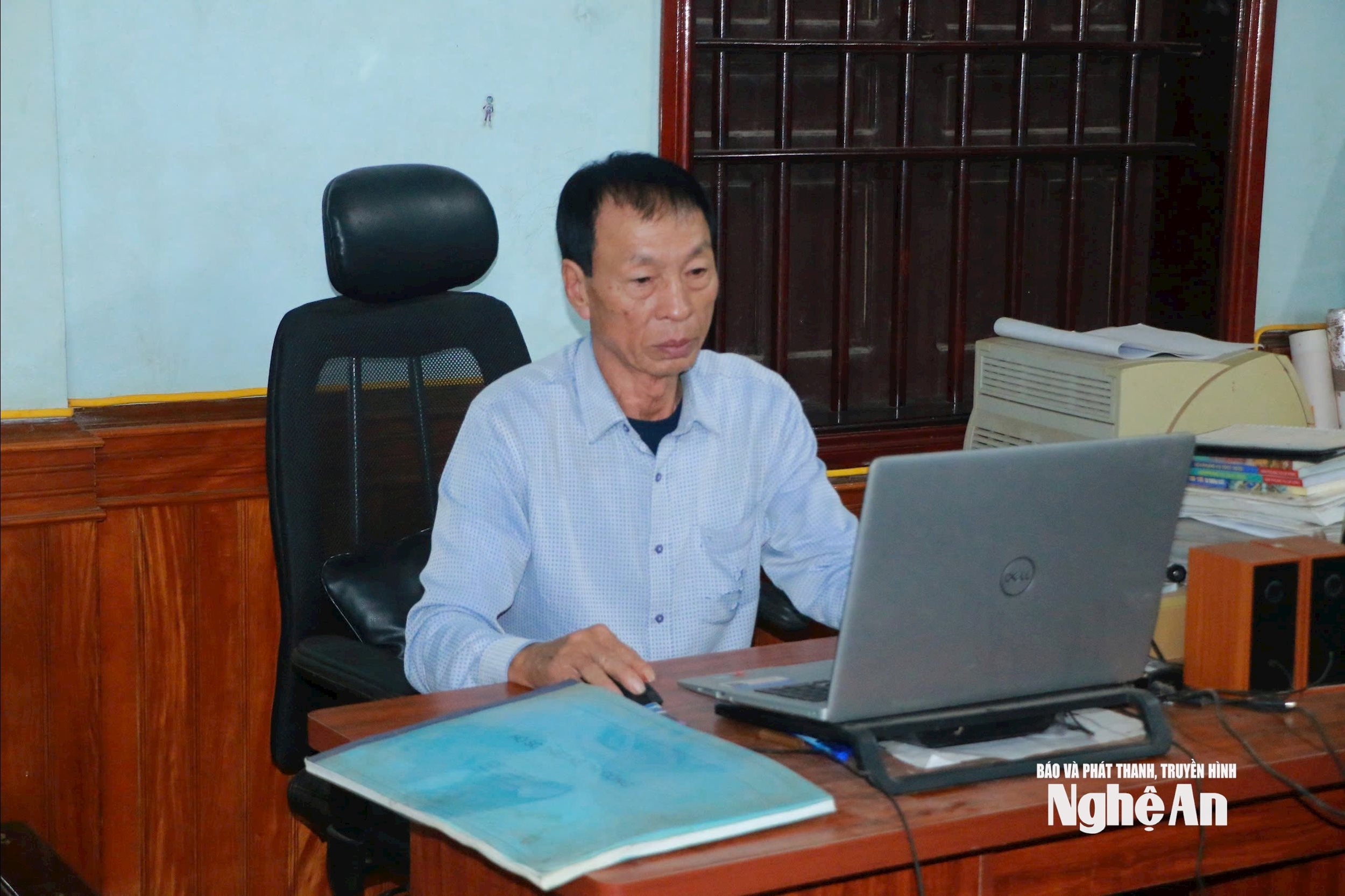
Few people know that his life journey began in university. In 1976, he passed the entrance exam and became a student at Hanoi University of Architecture. While in his third year, in 1979, responding to the general mobilization call, the young student put aside his dreams and went to the battlefield. Six years in the military, from training grounds to difficult areas, he honed the character of a soldier of Uncle Ho, fostering a will to overcome difficulties, a spirit of discipline, and a deep love for his country. In 1984, having completed his duties, he returned to university, continued his unfinished studies, and graduated.
After graduating with a degree in architecture and construction, he was hired by several large construction and transportation companies in Hanoi. After some time, he returned to Nghe An to start his own business. He married a woman from his hometown, and given his difficult family circumstances – his elderly parents and the frequent long journeys required by his construction work – he decided to resign from his permanent position and work for private businesses and workshops to gain more control over his life. This period of hard work allowed him to accumulate practical experience, expand his professional network, and gradually build his economic foundation.
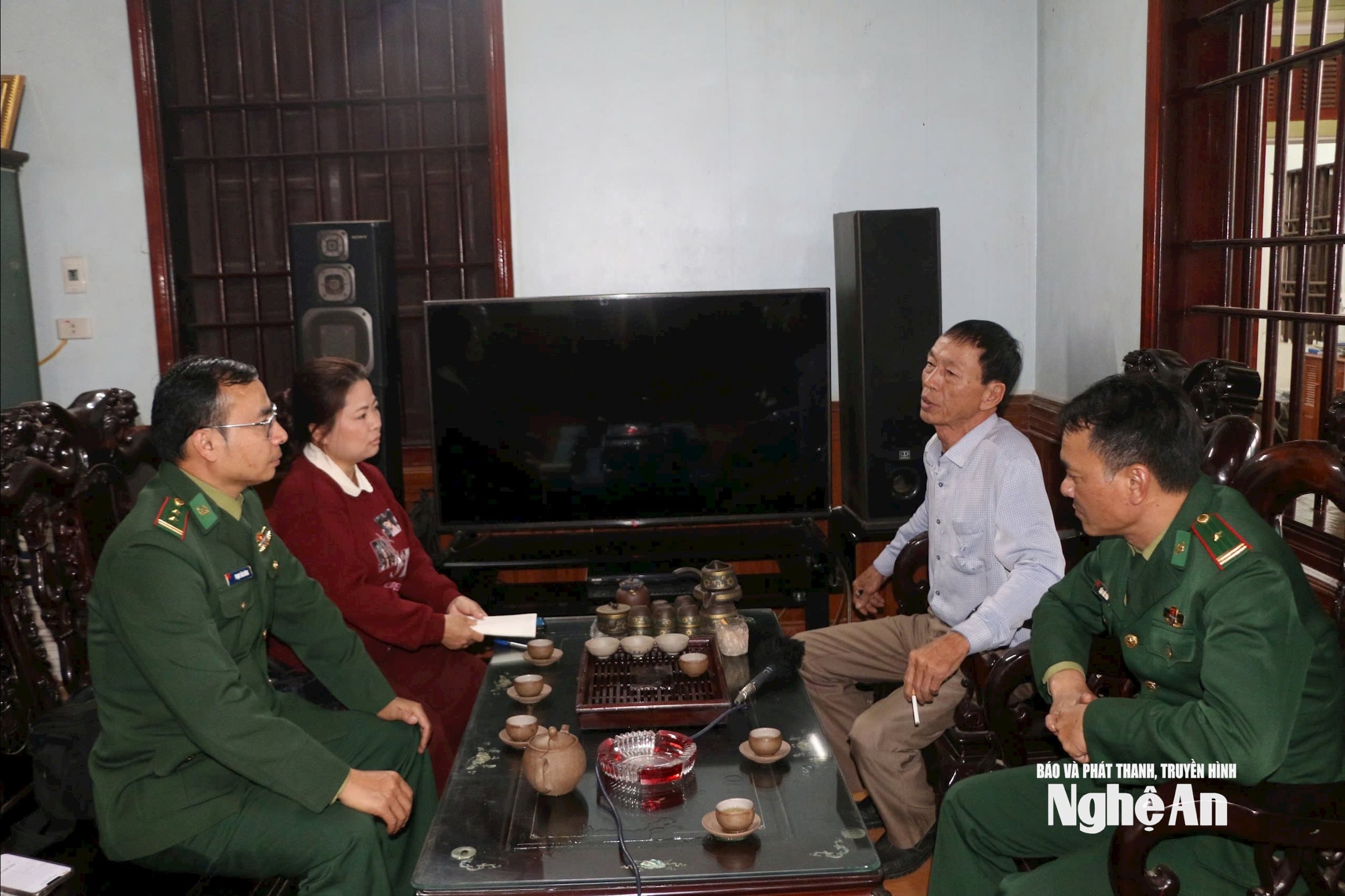
Having accumulated some capital, he boldly established a Construction Consulting and Supervision Company Limited. Not only is his business profitable, but it also provides regular employment for many local workers. Currently, he organizes 18 construction teams operating in the area, each with 20-30 workers, contributing to job creation and increased income for hundreds of rural laborers. Besides directly managing the business, Mr. Cao Minh Hai also focuses on building a systematic and sustainable approach to production and business operations.
Drawing on years of experience in the construction industry, he recognizes that reputation is crucial for survival. Every project, large or small, is meticulously supervised by him in terms of technical aspects, progress, and workplace safety. This careful approach and sense of responsibility have helped his company build trust with partners, investors, and residents in the area.
During the organization of construction teams, Mr. Hai paid special attention to training and mentoring young workers, especially children from the neighborhood and parish. Many workers, initially seasonal and with limited skills, became skilled workers after working with the construction teams for a period of time, earning a stable income sufficient to support their families. For Mr. Hai, economic development is not only about enriching his family but also a practical way to "live his faith in the world," sharing opportunities and spreading a sense of responsibility to the community.
Fostering unity between Catholics and non-Catholics.
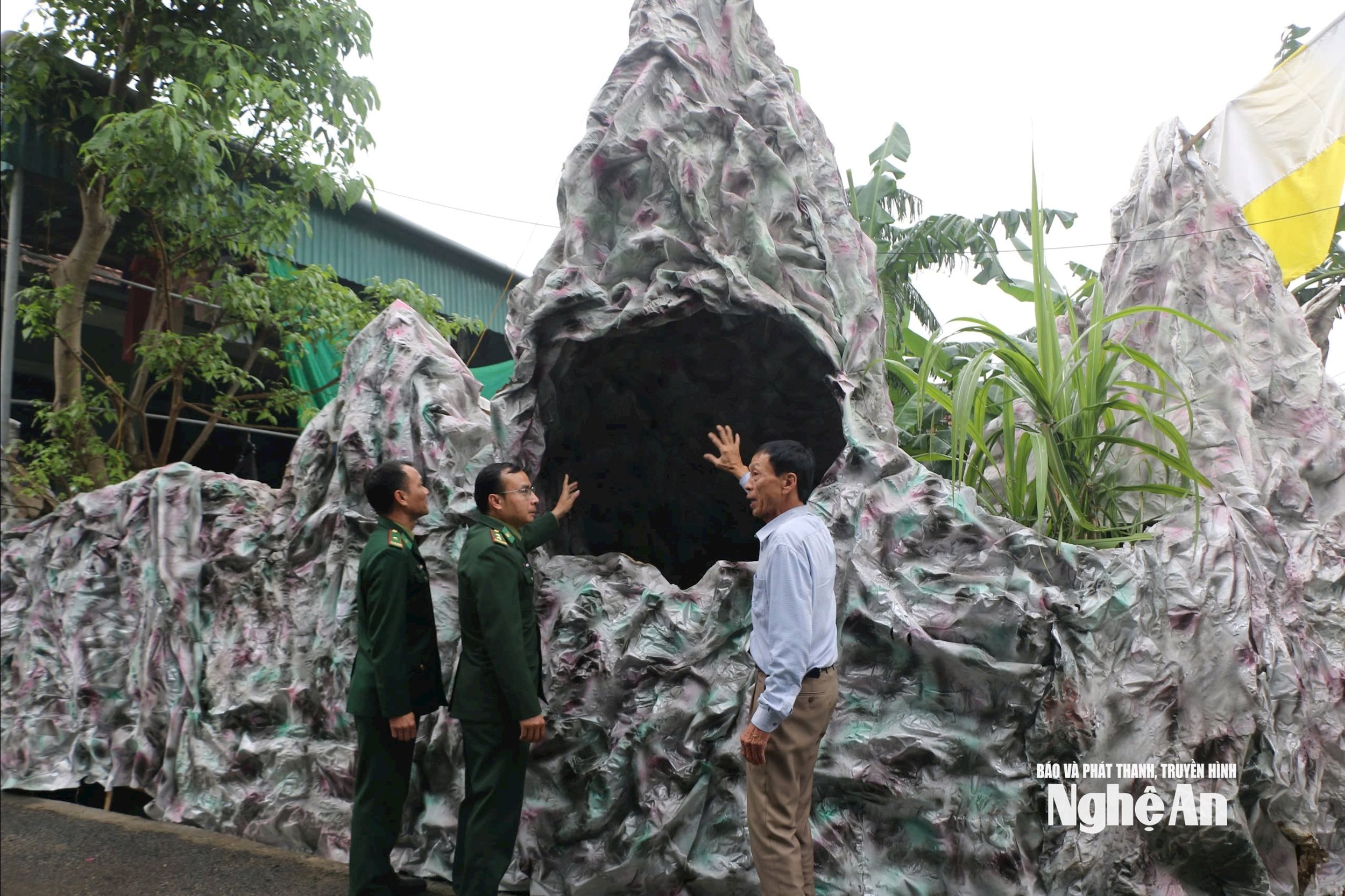
As a Catholic and a member of the Fatherland Front Committee of An Chau commune, Mr. Cao Minh Hai has always clearly defined the motto "living a good life and upholding moral values." He actively cooperates with the local government to propagate and encourage parishioners to comply with the Party's guidelines and the State's policies and laws; participating in patriotic emulation movements and building a civilized new rural area. He is a leading example in many movements in the village: donating land for road construction, contributing to the construction of new rural infrastructure, supporting funds for the poor, and funds for promoting education and talent.
Not content with just contributing to society, Mr. Hai also quietly cared for and helped those in difficult circumstances within his religious community. Near his house was the family of Cao Cong Ton Sang – whose father passed away early, leaving his mother to single-handedly raise five siblings and their elderly grandparents. Understanding their hardships, Mr. Hai frequently visited to encourage, guide, and support them; occasionally giving gifts and motivating Sang to be well-behaved and to excel in his studies. Mr. Cao Hong Minh, Sang's grandfather, emotionally shared that during a time of great difficulty for his family, the care and support of neighbors, especially Mr. Hai, gave them the strength to overcome their challenges in life.
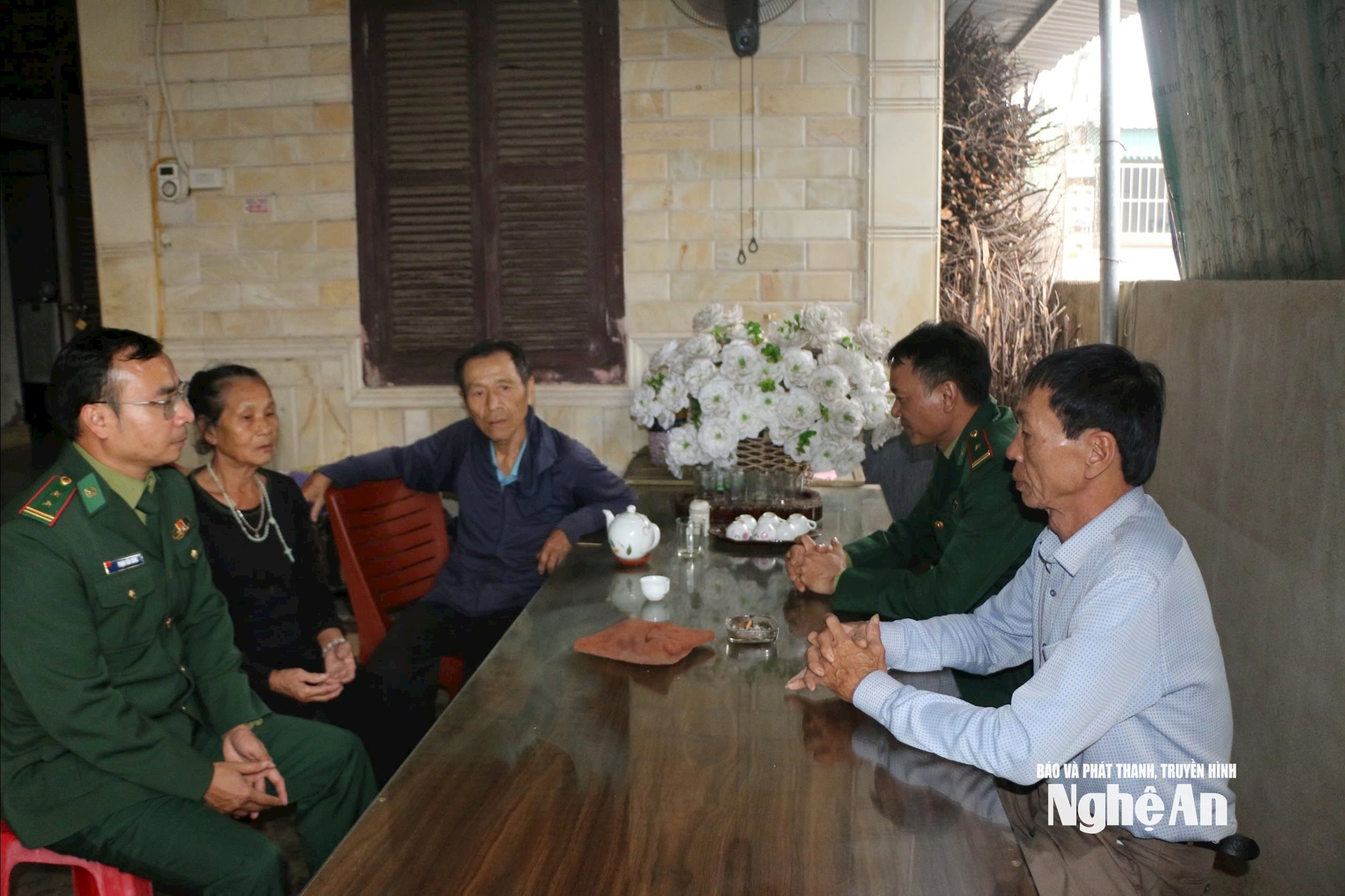
As the head of the Veterans Association in Hamlet 3, Mr. Hai always keeps in mind the importance of preserving and promoting the qualities of a soldier of Uncle Ho in peacetime. He actively encourages members to set a good example in labor, production, and law enforcement; becoming a core force in building a cultured, united, and civilized residential area. Association meetings are not only a place to reminisce about traditions but also an opportunity for veterans to share experiences in economic development, educating their children, and contributing to maintaining security and order at the grassroots level.
As a member of the Provincial Catholic Solidarity Committee, Mr. Cao Minh Hai clearly demonstrates the role of an exemplary Catholic, actively participating in activities to build national unity. He regularly coordinates with organizations and functional forces, including the Border Guard Post in the area, to support the people from ideological work to guidance on economic development and stabilizing their lives. His outreach and mobilization efforts are conducted with sincerity and persuasiveness, creating high levels of consensus within the Catholic community.
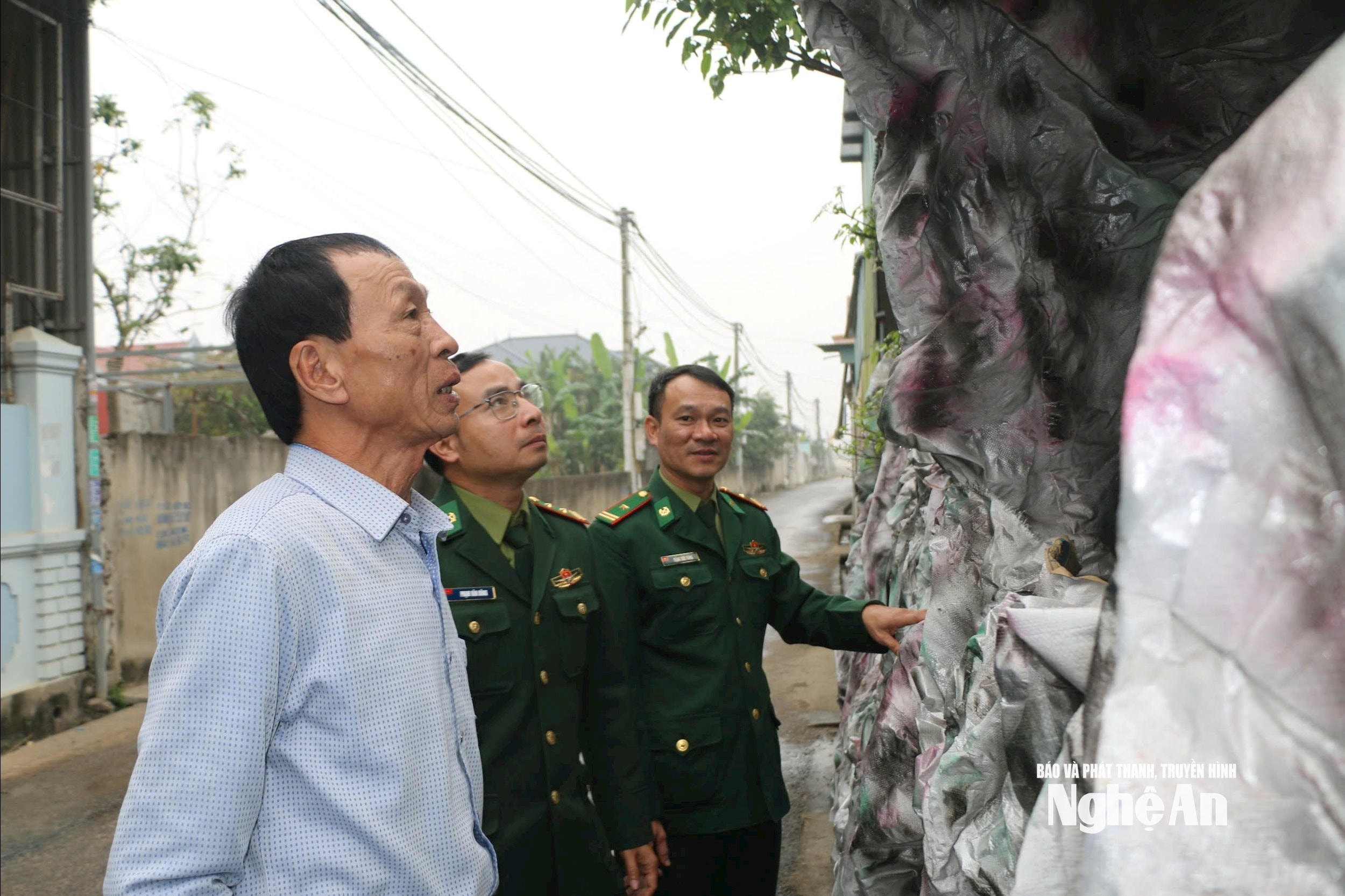
Thanks to the persistent efforts of each parishioner, Hamlet 3, An Chau Commune, has undergone many positive changes. The residential area has become a shining example in building a cultured way of life; the percentage of children attending university is increasing; many laborers work abroad, bringing stable incomes back to their hometowns. Village roads and alleys are clean and beautiful; neighborly relations are strong; and people of both Catholic and non-Catholic faiths live in harmony and unity, working together to build a peaceful life.


