
Siri interface on iOS 27 reveals new Dynamic Island design for iPhone 18 Pro Max.
The iOS 27 beta update shows Siri AI changing to a spherical shape, indirectly confirming that the iPhone 18 Pro Max will shrink Dynamic Island by an additional 35% thanks to under-display Face ID technology.
The iOS 27 beta version has just officially opened for users to experience the Siri AI super assistant. However, instead of focusing solely on smart features, tech enthusiasts are paying special attention to a small change in the user interface. This detail is believed to indirectly confirm the front design of the upcoming iPhone 18 Pro and iPhone 18 Pro Max.
Siri AI and its connection to Dynamic Island size.
For many years, Dynamic Island has been a distinctive identifying feature of newer iPhone models. While highly praised for its ability to transform hardware shortcomings into interactive software areas, users still expect Apple to simplify this space to expand the display area. The changes in iOS 27 show that Apple is realizing that desire through a consistent design philosophy.
On current iPhone generations, due to the wide width of Dynamic Island, Apple was forced to stretch Siri AI's effect into a long oval shape to create visual balance. This design is completely different from iPads or Macs, where Siri always appears as a round sphere of light. However, on iOS 27, Siri AI unexpectedly returned to a round sphere shape without creating a sense of asymmetry. This only makes sense given that the iPhone 18 Pro Max's hardware features a significantly streamlined Dynamic Island.
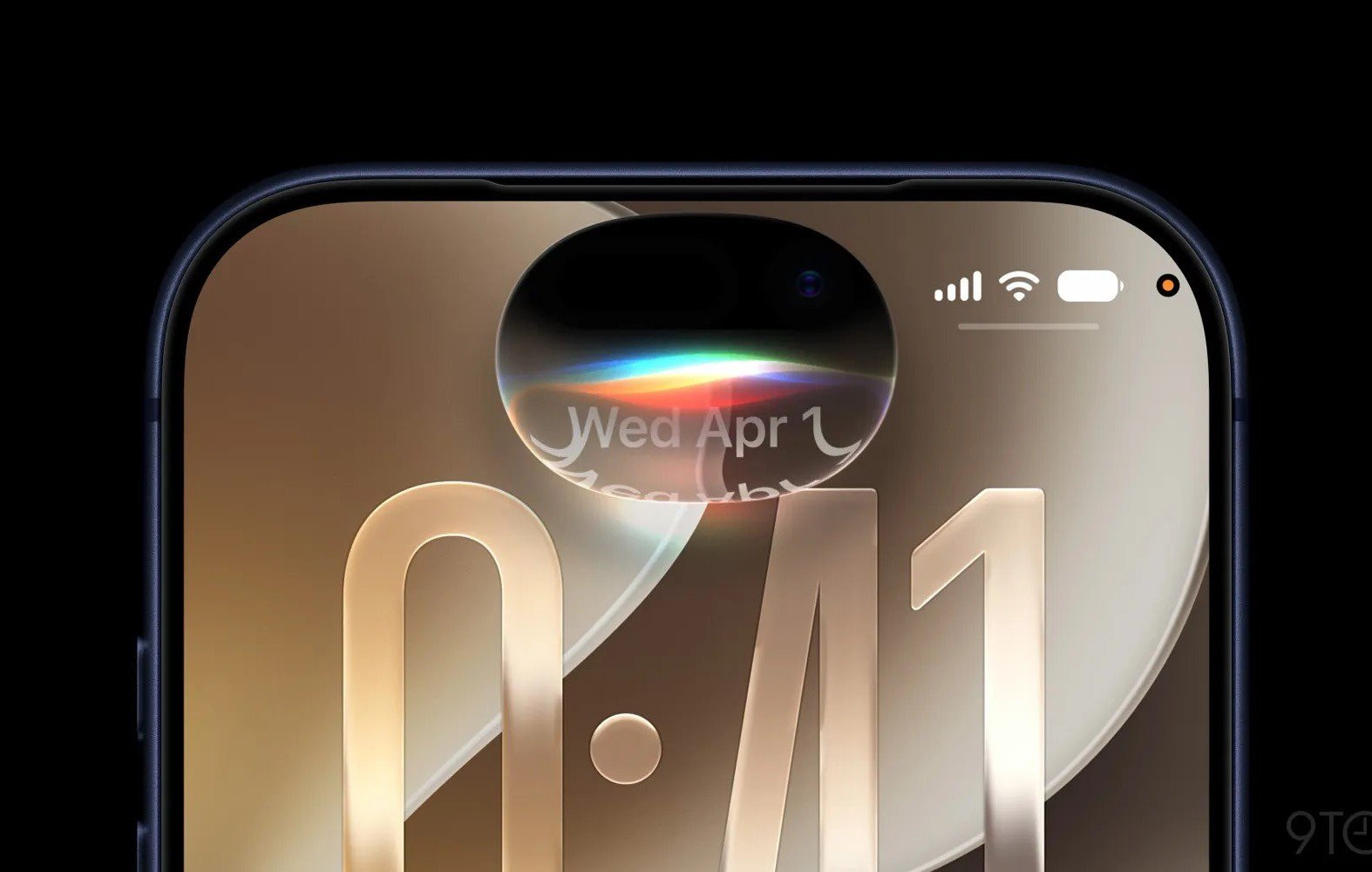
Under-display Face ID technology: The key to change.
To achieve the ultra-compact Dynamic Island design, reducing the screen area by up to 35% compared to its predecessor, Apple had to solve complex engineering problems. Leaked information indicates that the company successfully moved part of the Face ID system beneath the display. Specifically, the new Dot Projector technology will be located under the screen, narrowing the notch while ensuring absolute security.
Initially, many experts expected Apple to completely hide the Face ID system and use a small punch-hole selfie camera like those on Android phones. However, barriers related to sensor quality and screen light transmission caused this approach to change. The current solution of reducing the screen area by 35% is considered the most feasible step, balancing aesthetics and hardware performance.
Mixed reactions and Apple's upgrade strategy
Despite offering a more refined appearance, Apple's improvement efforts have faced mixed reactions from the tech community. Many users on forums argue that even with a 35% reduction in size, the notch on the iPhone 18 Pro Max is still too large compared to high-end Android competitors that have long since switched to completely bezel-less designs. Some customers believe this is merely a cosmetic upgrade, not enough to create a significant leap forward in daily experience.
Overall, the iPhone 18 Pro Max resembles Apple's historical "S" series devices — focusing on refinement rather than revolution. The device is expected to retain the design language with its unibody aluminum frame and signature camera array. The miniaturization of Dynamic Island can be seen as a necessary step for Apple to perfect the technology before officially unveiling a truly perfect full-screen iPhone in the future.
For the market, the fact that the iPhone 17 Pro Max is already a comprehensive flagship makes the small, incremental changes in the new generation a difficult challenge for Apple. The company will need more than just tweaking the Siri interface to convince users to upgrade to the next-generation flagship.


