
Improved transportation infrastructure opens up opportunities for tourism in Tam Thai.
A year after the two-tiered local government came into operation, Tam Thai is changing day by day. Roads that were once muddy and impassable during the rainy season are now being paved with concrete, and bridges over streams are taking shape. With transportation no longer a "bottleneck," this area, situated along National Highway 7, is beginning to aspire to become a tourist destination.
Joy from forging new paths
Amidst the early July sun, the sounds of road rollers and excavators still reverberate along the road from Huoi Son village to Pha Lom village. Groups of workers are busily laying the final meters of asphalt to complete the road that the local people have been waiting for for many years.
Standing beside the new road, Mr. Xong Ba Cho, head of Pha Lom village, could not hide his emotion. "Everyone is thrilled. For so many years, we've only hoped to have a road like this," he said.
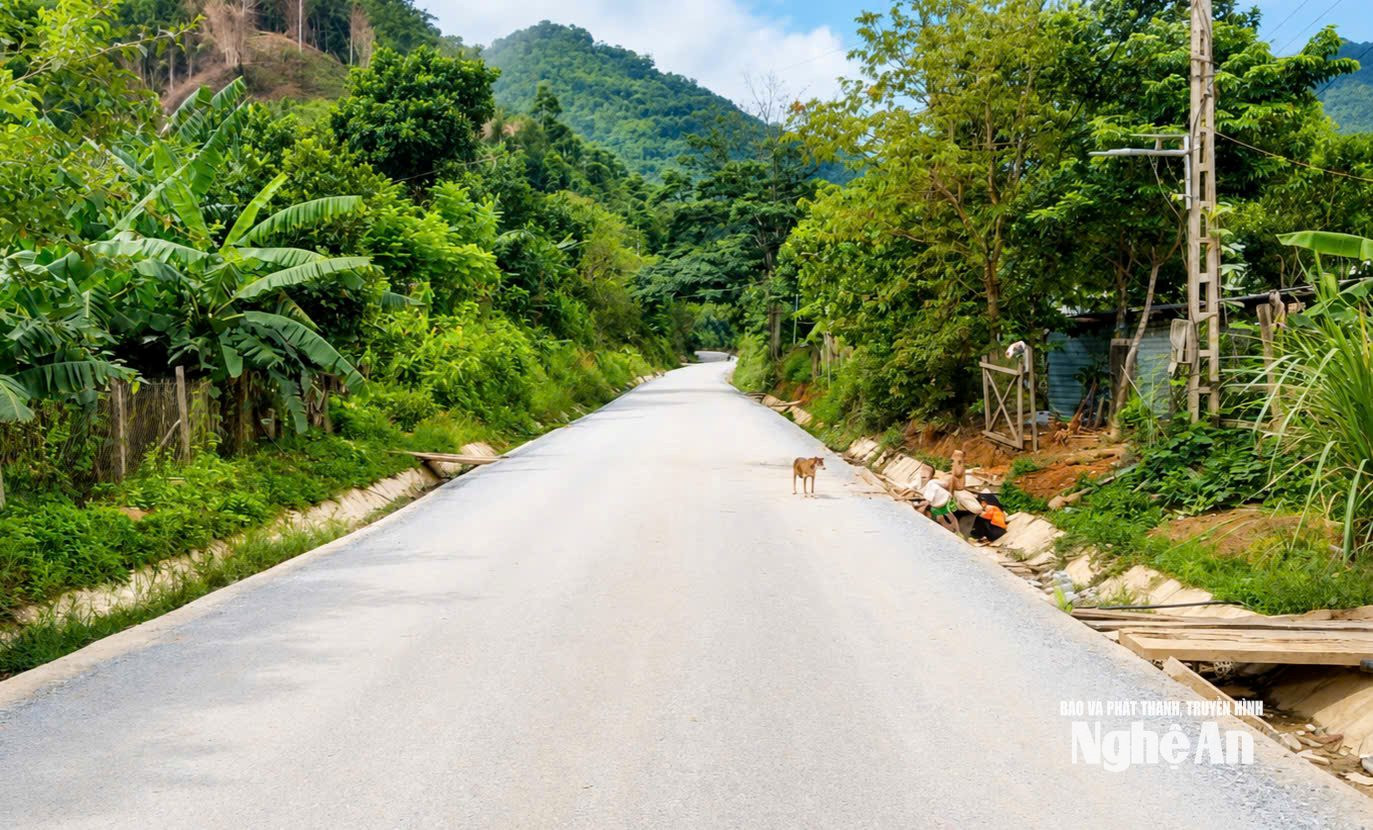
Tam Thai commune was established by merging the former Tam Thai and Tam Hop communes. The commune covers an area of over 356 km² with 14 villages scattered amidst mountains and forests, its terrain fragmented by numerous streams. For many years, transportation has been the biggest obstacle to the local development.
Among them, Pha Lom is one of the most difficult villages. More than 150 Mong households live there, located only about 10km from the commune center, but every rainy season, that road is almost completely cut off.
Mr. Chớ recalled that after just one heavy rain, the dirt road would instantly turn into a muddy mess, full of potholes. Motorbikes couldn't pass, and cars certainly couldn't get through. The only way to reach the commune center was to walk for hours.
"The hardest times are when someone in the village gets sick. People have to take turns carrying them in hammocks for kilometers to reach a place where there's a vehicle. Teachers at the school sometimes can't even go home on weekends because the roads are cut off," he recounted.
Therefore, when the project to upgrade the road to Pha Lom ferry was implemented, joy spread throughout the village. In just one year, the dream road gradually became a reality, opening up opportunities for people to travel more conveniently, children to go to school more safely, and agricultural products to reach the market.
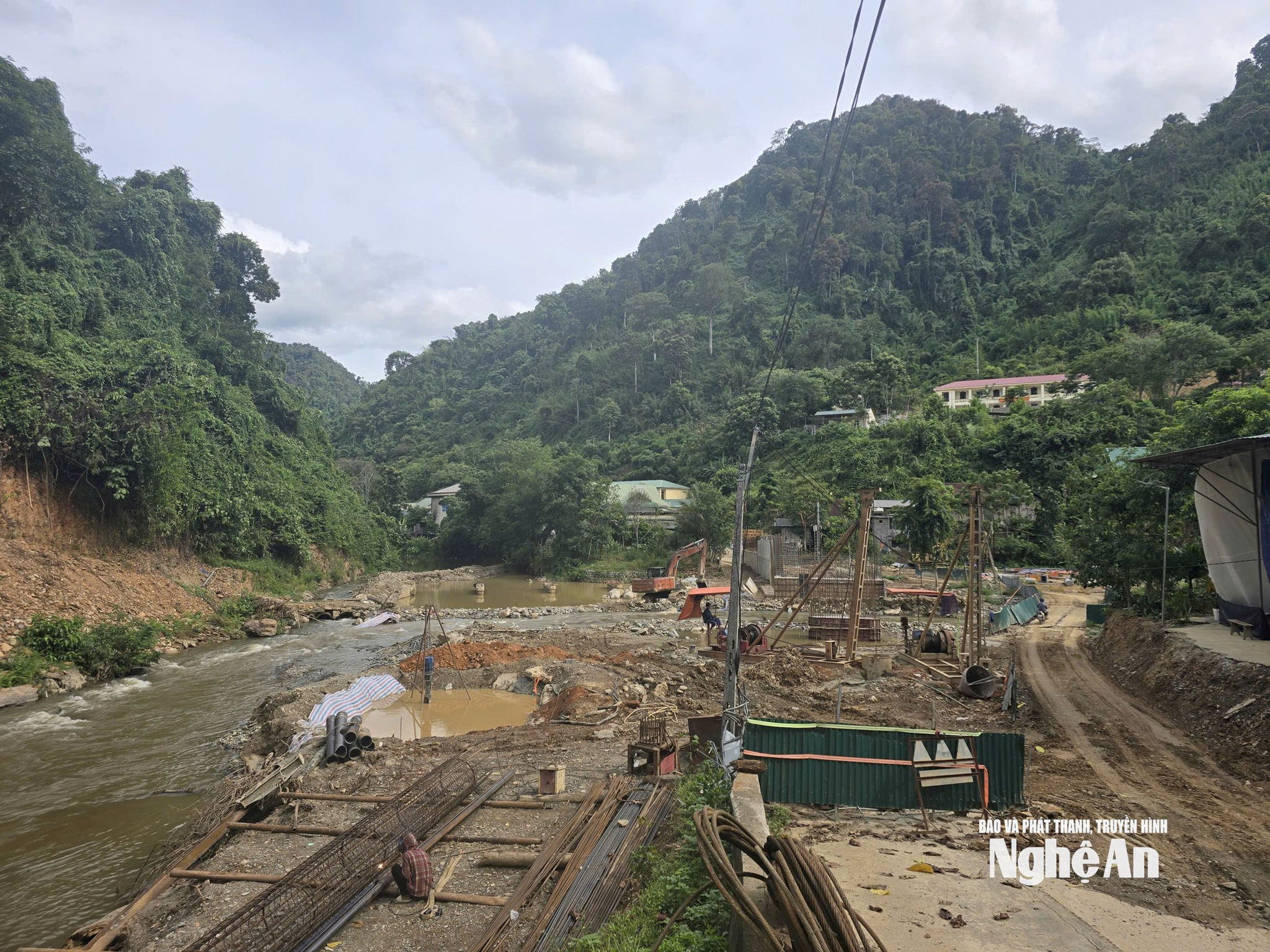
Not only the Lom Ferry, but many other roads in Tam Thai commune are also being invested in, constructed, repaired, and maintained. Roads that were once just dirt and rocks are now gradually being paved, contributing to changing the appearance of this border commune.
The biggest highlight is the construction of three permanent bridges on Provincial Road 541B, with a total investment of over 56 billion VND. This is the only transportation route connecting National Highway 7 with the center of the commune and the villages in the former Tam Hop area.
Previously, these locations only had low-lying culverts. Whenever there was heavy rain, water from the streams would rush in, cutting off traffic and isolating many villages for days on end. With the completion of these bridges, that worry will gradually become a thing of the past.
According to statistics from the People's Committee of Tam Thai commune, in just the past year, the locality has implemented nearly 20 transportation and irrigation projects with a total capital of tens of billions of VND, mainly from the National Target Program for socio-economic development in ethnic minority and mountainous areas.
These figures not only reflect the scale of investment but also show a clear transformation of a region that had been isolated for many years.
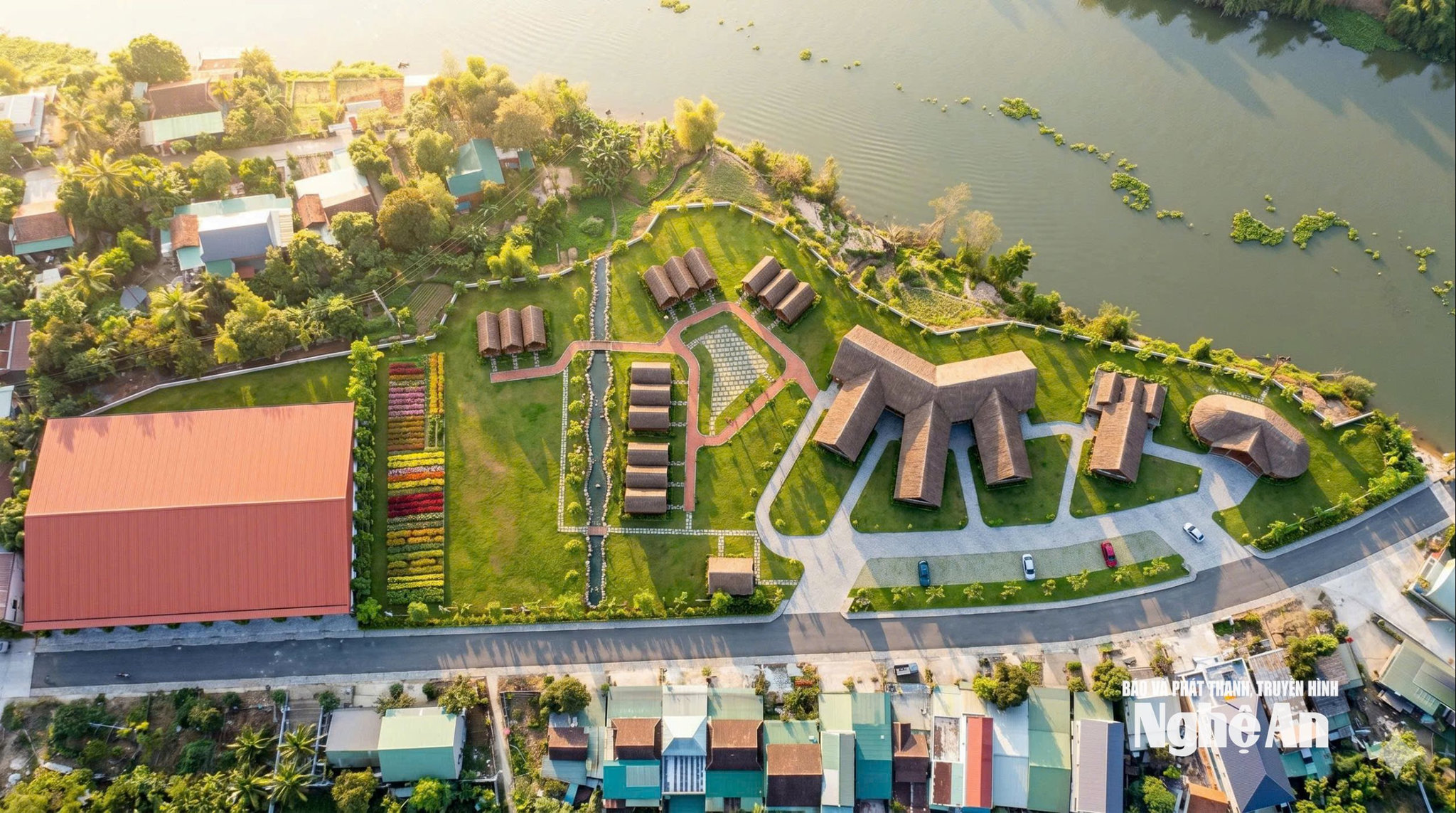
From transportation infrastructure to aspirations for tourism development.
As traffic bottlenecks are gradually resolved, Tam Thai is not only aiming for more convenient travel but is also beginning to consider a long-term goal: leveraging its advantageous location to develop services and tourism.
Located right next to National Highway 7, beside the still-unspoiled Chà Lạp river, the Na Coi area is being planned by the local authorities to become a new development focal point.
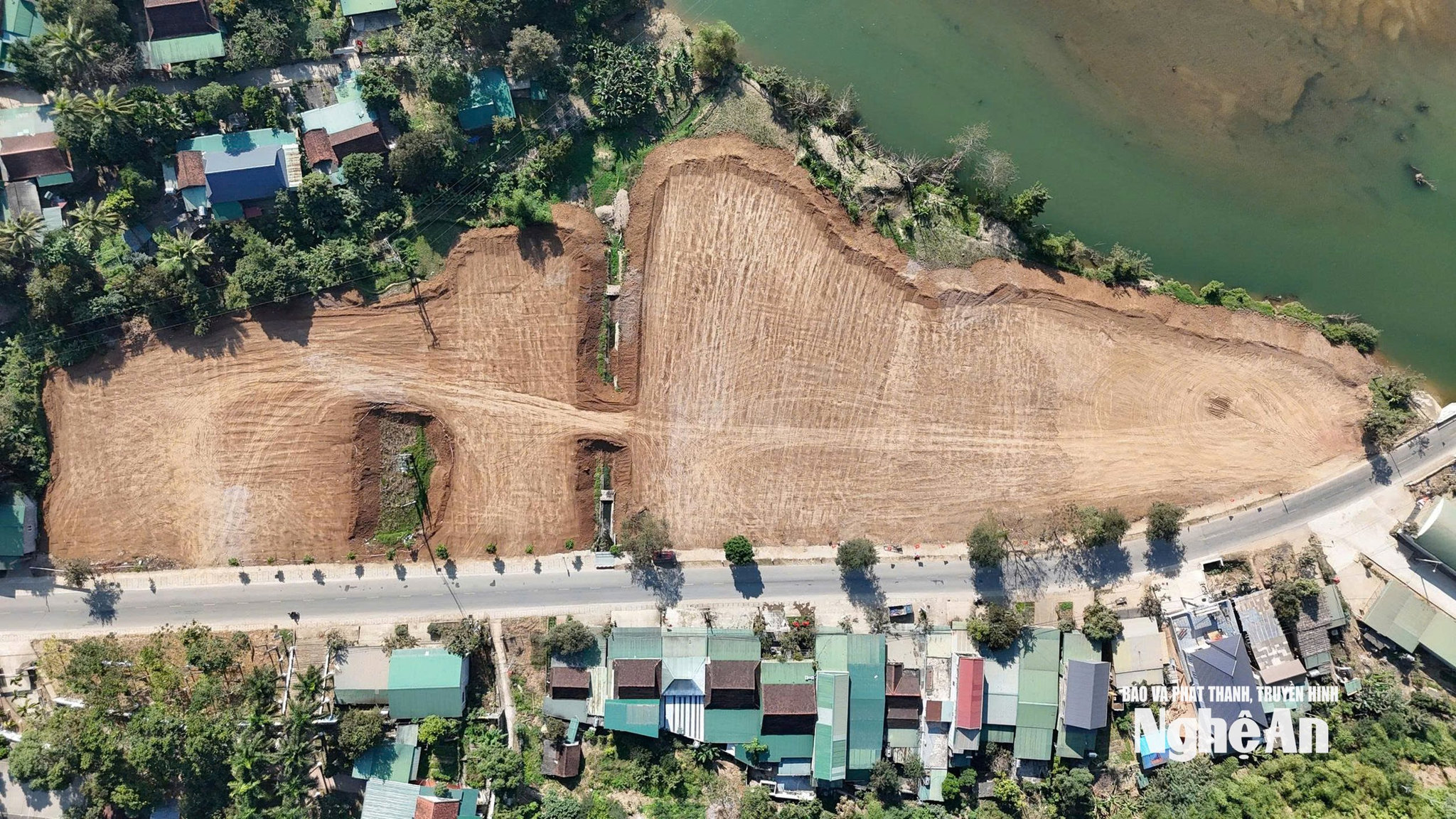
According to Mr. Lo Duong Khanh, Chairman of the Tam Thai Commune People's Committee, the locality has basically completed the land leveling work on an area of about 1 hectare to invite businesses to survey and invest in the Na Coi eco-tourism and service area.
The plot of land has nearly 300 meters of frontage along National Highway 7, making it ideal for establishing a rest stop to serve tourists, businesspeople, and international transport vehicles traveling on the Vietnam-Laos route.
According to local leaders, with its reasonable travel distance from the former Vinh city to Xieng Khouang (Laos), Na Coi has many advantages to become a natural resting place for tourists. Here, the locality hopes to develop a chain of services including restaurants, cafes, accommodation, a point of sale for OCOP products, and community cultural experience activities.
Besides its beautiful natural scenery, Na Coi is also situated within the cultural and commercial development area of Tam Thai commune. Opposite this area is a planned cultural space featuring a central square, community activity area, spiritual and cultural zone, and an exhibition area showcasing the unique identities of ethnic groups. Adjacent to it are the Tam Thai Border Market and many other essential services, creating favorable conditions for attracting investment.
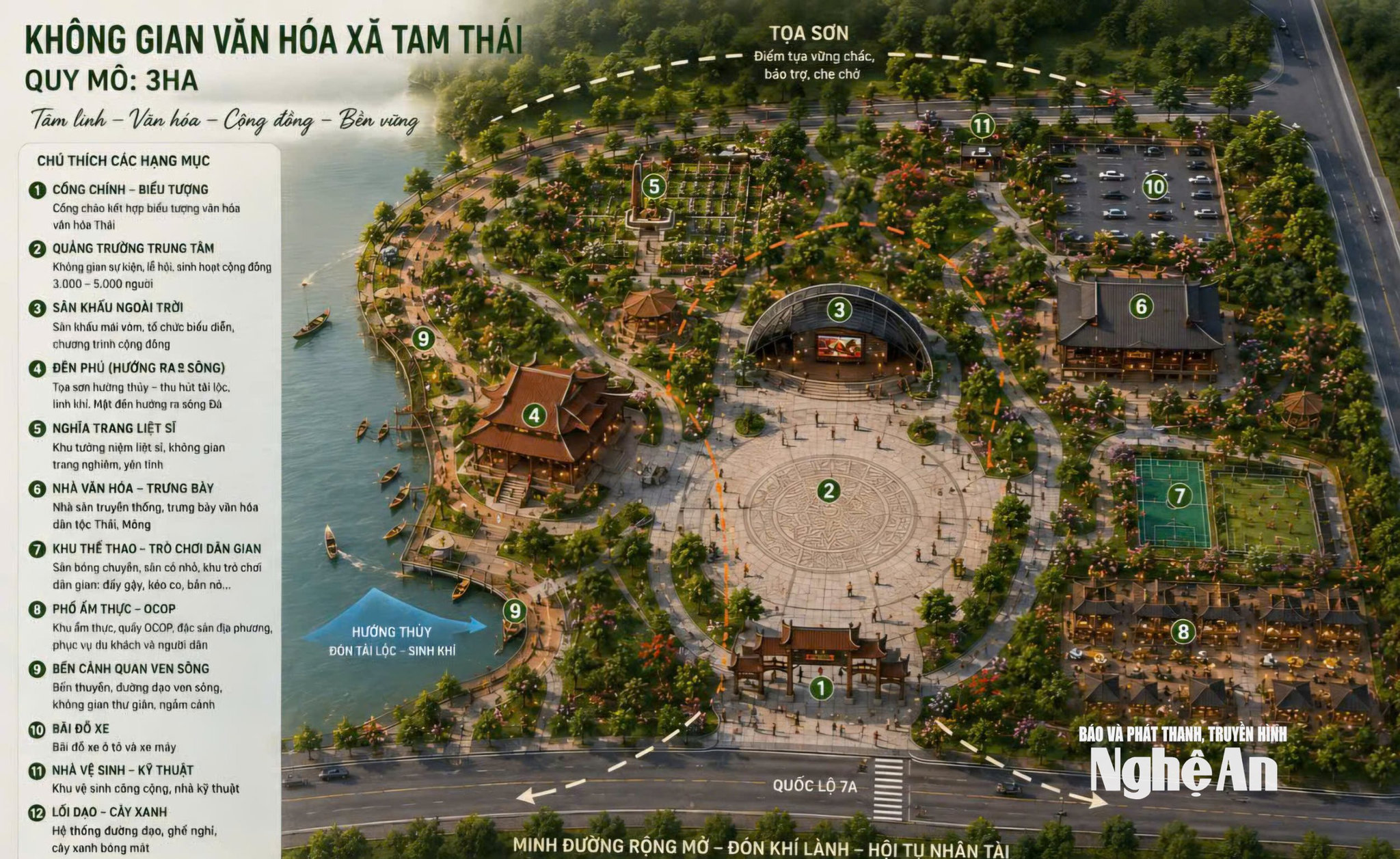
The Chairman of the People's Committee of Tam Thai commune stated that, in the local development strategy, transportation is considered the foundation, while tourism and services will be the driving force creating long-term livelihoods for the people. The new roads not only shorten the distance between villages but also expand trade opportunities, attract businesses, and effectively exploit the advantages of being a border gateway.
From newly completed roads to plots of land awaiting investors, Tam Thai today is showing a different face from the image of a highland commune that was once constantly worried about being isolated.


