
Teachers from Nghe An province comment on the Literature exam.
The 2026 high school graduation exam has received mixed reviews, with some arguing that the questions posed could be difficult for some students. Meanwhile, others believe the exam is suitable for university admissions because it is highly differentiating and requires students to possess knowledge and literary appreciation.
The exam questions changed the approach to the problem.
Comments on the examLiteratureRegarding the 2026 High School Graduation Exam, Mr. Ngo Chien Thang, a teacher at Que Phong High School, believes that this is a good exam with high differentiation, simultaneously meeting the two objectives of graduation assessment and university entrance examination, while further affirming the innovative direction of the 2018 General Education Program.
According to Mr. Thang, the reading comprehension section uses an excerpt from the work "CODE and SAND – The Technological Powers That Change the World" by author Phan Tuan. From this point on, the exam clearly demonstrates its differentiating nature. In particular, question 4 requires students to comment on the relationship between the thesis and the arguments in the text, demanding that they not only understand the content but also grasp the argumentative structure and reasoning of the text.
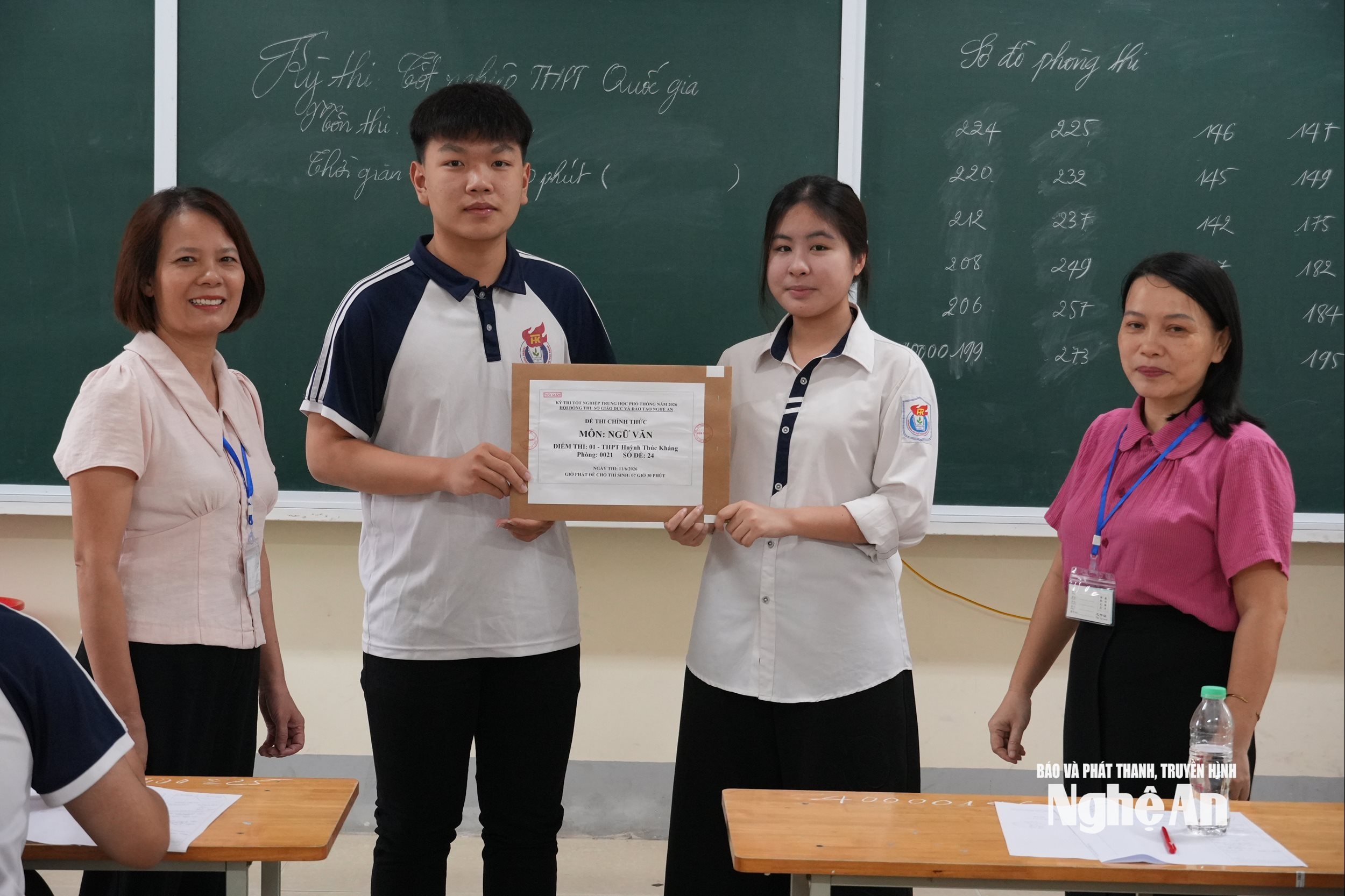
In the social commentary essay question, the prompt stated: “America has Steve Jobs, Mark Zuckerberg, Elon Musk… with technological inventions that have contributed to changing the world. Based on this prompt, as a young person, write an argumentative essay answering the question: How can we have Vietnamese Steve Jobs?” According to Mr. Thang, this topic is not outside the focus of teachers' and students' review, as it still focuses on issues of creativity, innovation, entrepreneurship, and the development of science and technology.
However, the novelty of the exam lies in its approach and problem-solving. Instead of directly stating specific requirements, the exam uses the concept of "Steve Jobs Vietnam" as a suggestive image. This forces students to decipher the meaning of the concept themselves, thereby identifying the core issue and proposing their own thoughts and solutions.
For the literary analysis question, the prompt asked for an analysis of Nguyen Dinh Thi's poem "The Leaves." According to Mr. Thang, this type of question is not unfamiliar to students, but conducting a deep and comprehensive analysis of the work is by no means a simple task.
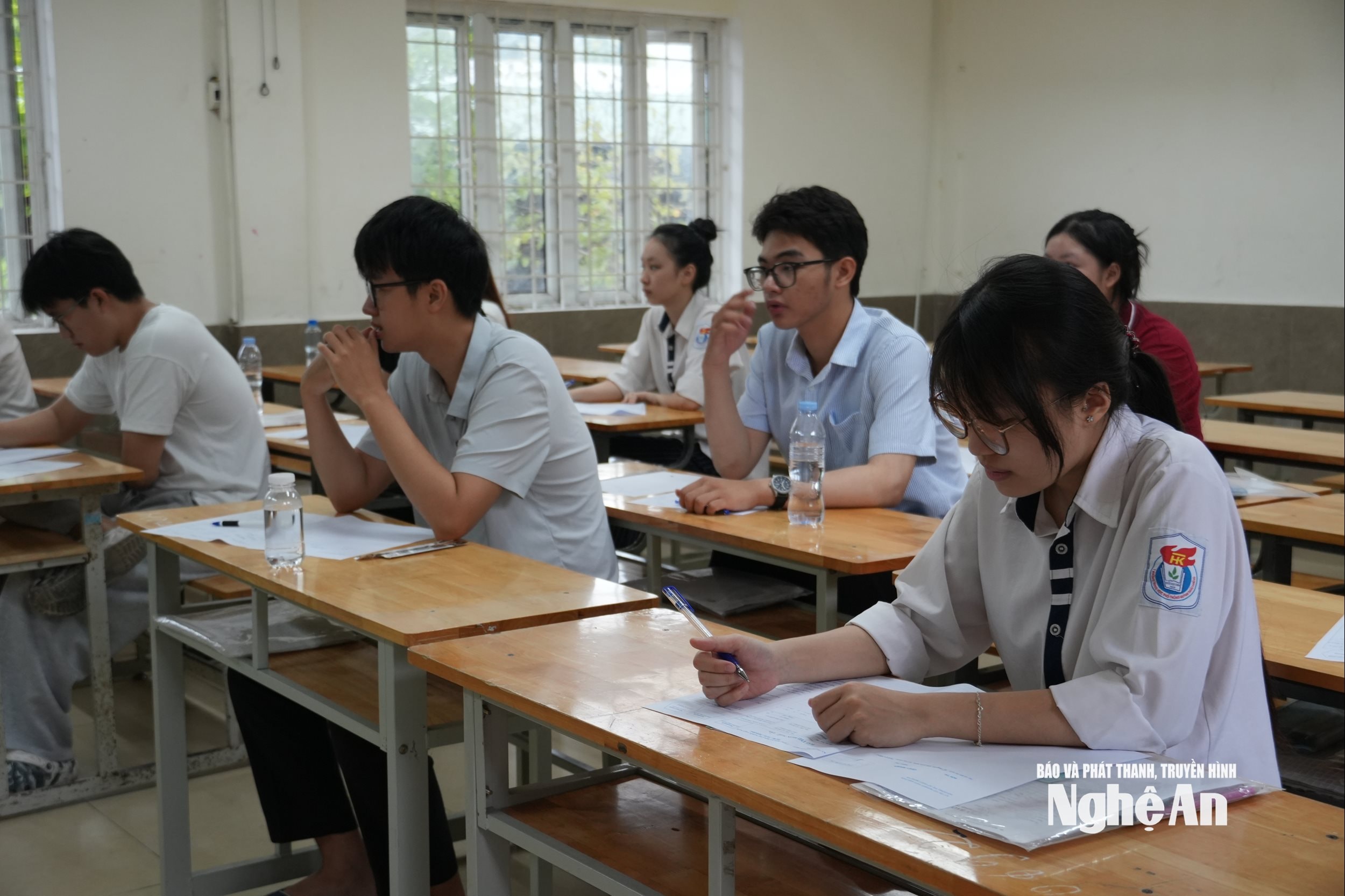
"This exam is comprehensive, not focusing on just one area of knowledge or a specific part of the curriculum. With this exam, it's entirely possible to identify students with strong critical thinking skills, solid test-taking abilities, sharp reasoning, and a deep appreciation for literature," Mr. Thang said.
From the perspective of a teacher, Mr. Thang believes that this year's exam continues to have a positive impact on the teaching and learning of Literature in schools. While in the old curriculum, teaching often focused on works in the textbooks, with the 2018 General Education Program, the exam materials are no longer limited to textbooks. Exams oriented towards developing competencies, like the one in 2026, will contribute to promoting the innovation of Literature teaching methods towards a more substantive, modern approach that aligns with the requirements of the new education program.
To get a score of 9, you need exceptional ability.
Commenting on the Literature exam for the 2026 High School Graduation Examination, Ms. Nguyen Thanh Binh, a teacher at Nguyen Duy Trinh High School, said that the exam had a familiar structure but showed clearer differentiation compared to the previous year.
According to Ms. Binh, many students' initial impression of the exam might be one of being overwhelmed by its relatively long length. However, if they calmly read it carefully, they will find that the chosen material is quite clear, familiar, and not tricky. In terms of structure, the exam doesn't present any major surprises because students are already familiar with it through revision and mock exams throughout the school year. Especially in Nghe An, teachers have guided and trained students according to this format, so most candidates will not have difficulty with the exam-taking techniques.

However, the difference in this year's exam lies in its level of differentiation. In the Reading Comprehension section, the differentiation begins with the comprehension questions. According to Ms. Binh, these questions require students not only to read and identify information but also to understand the meaning of words and images in the text, and to recognize the relationship between the thesis and the arguments. Students with good reading comprehension skills will easily handle this requirement, while those who only learn by rote memorization will face considerable difficulties.
For the Social Commentary section, the topic of technology and artificial intelligence (AI) is considered familiar to students. This is an issue that has been discussed extensively in the curriculum and in real life recently. According to Ms. Binh, the important thing the exam aims for is not how much knowledge students have about technology, but how they perceive the role of humans in an era of rapid technological development.
Regarding the inclusion of Steve Jobs' image in the text, Ms. Binh believes that students don't necessarily need to know exactly which technological products he created. In the exam, Steve Jobs is used as a symbol of innovation, daring to think and act, and having a vision to create positive values for the community. Therefore, it is important for students to understand the message that this figure conveys, rather than getting bogged down in recounting the biography or achievements of the person.
To write a good social commentary essay, students need to offer solutions from various perspectives. These could include the role of young people themselves in learning, training, and nurturing creative aspirations; the role of families in encouraging children to develop independent thinking; the role of schools in creating an open learning environment; or the responsibility of society in identifying, nurturing, and utilizing talent.
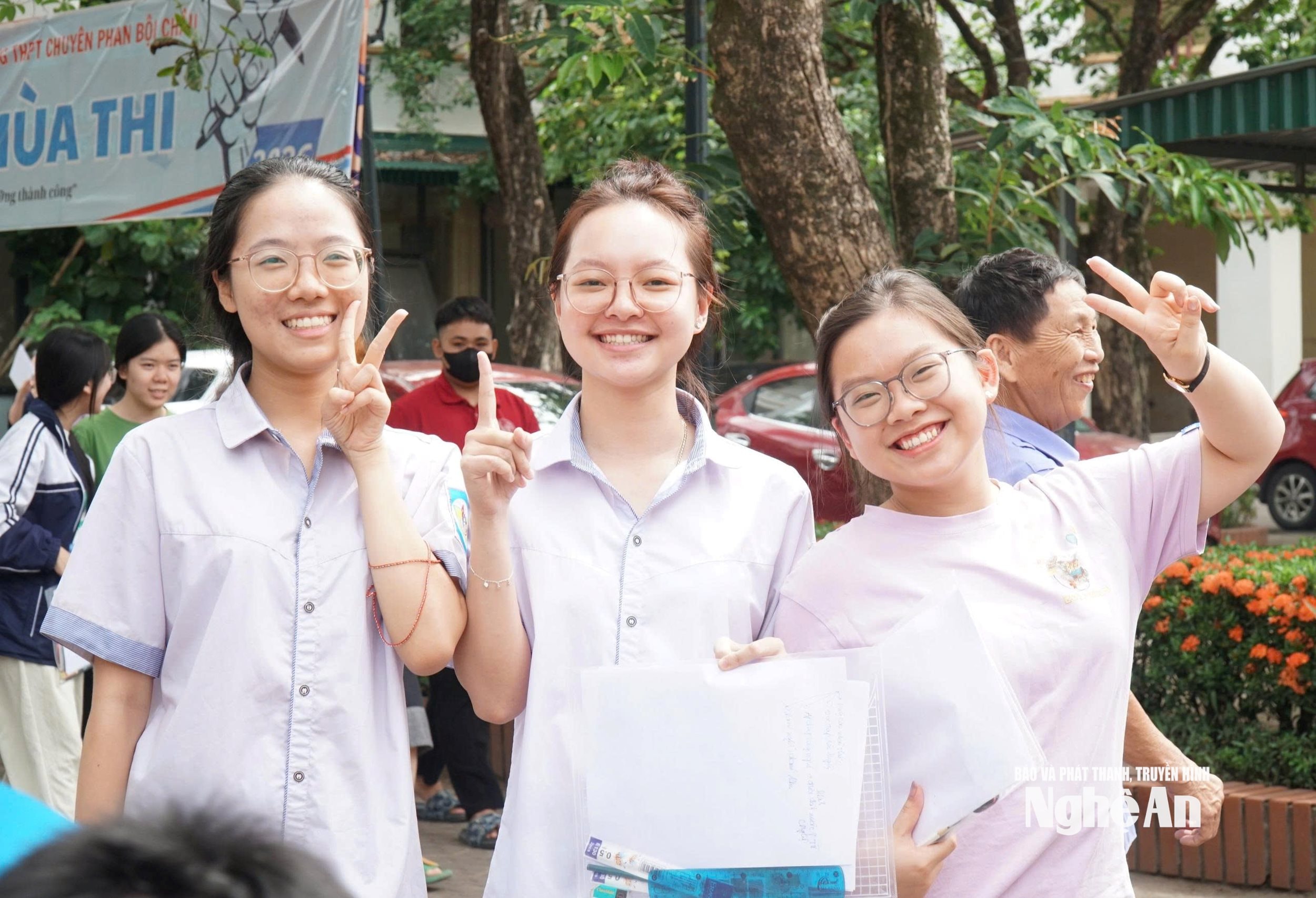
While the social commentary section demands a critical thinking approach to current events, the literary analysis question best demonstrates students' ability to appreciate literature. According to Ms. Binh, this is also the question with the highest differentiation potential in the entire exam.
The key to the question lies in the imagery of the "leaf" in Nguyen Dinh Thi's poem. This seemingly simple image carries multiple layers of meaning. Students aiming for a high score must be able to explore both the literal and symbolic meanings of this image.
At a basic level, students can appreciate the beauty of leaves within the natural cycle of the seasons. These are relatively easy perceptions and suitable for students of average ability.
However, to achieve good or excellent grades, students need to go further. They must realize that a leaf is not just an object in nature, but also a symbol of human life. From the journey of growth, verdant foliage, and then silently falling from the branch, readers can draw parallels to the journey of life, contribution, and integration into the flow of life.
According to Ms. Binh, students with strong comprehension skills will see the profound philosophy of life behind the image of the leaf: the value of silent dedication. It's the value of simple, quiet, yet persistent contributions, like a leaf contributing to the life of a tree without needing to be mentioned or acknowledged. This is the most difficult layer of meaning and also the decisive factor in differentiating candidates.
"The poem doesn't use grandiose words or slogan-like messages. Everything is simple and relatable, yet it contains profound reflections. This creates an opportunity for students to demonstrate their ability to make associations, contemplate, and appreciate literature," Ms. Binh shared.
In her overall assessment of the exam, Ms. Binh believes it simultaneously fulfills both objectives of the High School Graduation Examination. For the graduation objective, students with average academic ability can easily achieve a score of 5 if they have a solid grasp of basic knowledge and test-taking skills. Meanwhile, for the university entrance objective, the exam remains challenging enough to select truly outstanding candidates.


