
Sowing seeds of hope in the highlands.
The election of deputies to the 16th National Assembly and representatives to the People's Councils at all levels for the 2026-2031 term in Nghe An has concluded with a voter turnout rate of 99.86%. This almost absolute figure not only reflects the sense of responsibility of the people but also shows the great trust that voters place in the representatives of the new term.
In the remote villages of Nghe An province, where the roads to the commune center still wind along the mountain slopes, and where many villages are tens of kilometers from the commune center, each ballot cast is not only an exercise of civic rights but also an expression of hope for a better future. After the national election, the initial excitement gradually subsides. But in the minds of many voters in the mountainous areas of Nghe An, new hopes have begun to take root.
Expectations of voters in mountainous regions
The election of deputies to the 16th National Assembly and representatives to the People's Councils at all levels for the 2026-2031 term holds special significance as voters in Nghe An province exercise their democratic rights for the first time within a two-tiered local government model. This organizational change has created a clear psychological effect at the grassroots level. Many citizens feel a greater sense of closeness between the provincial government and their lives.
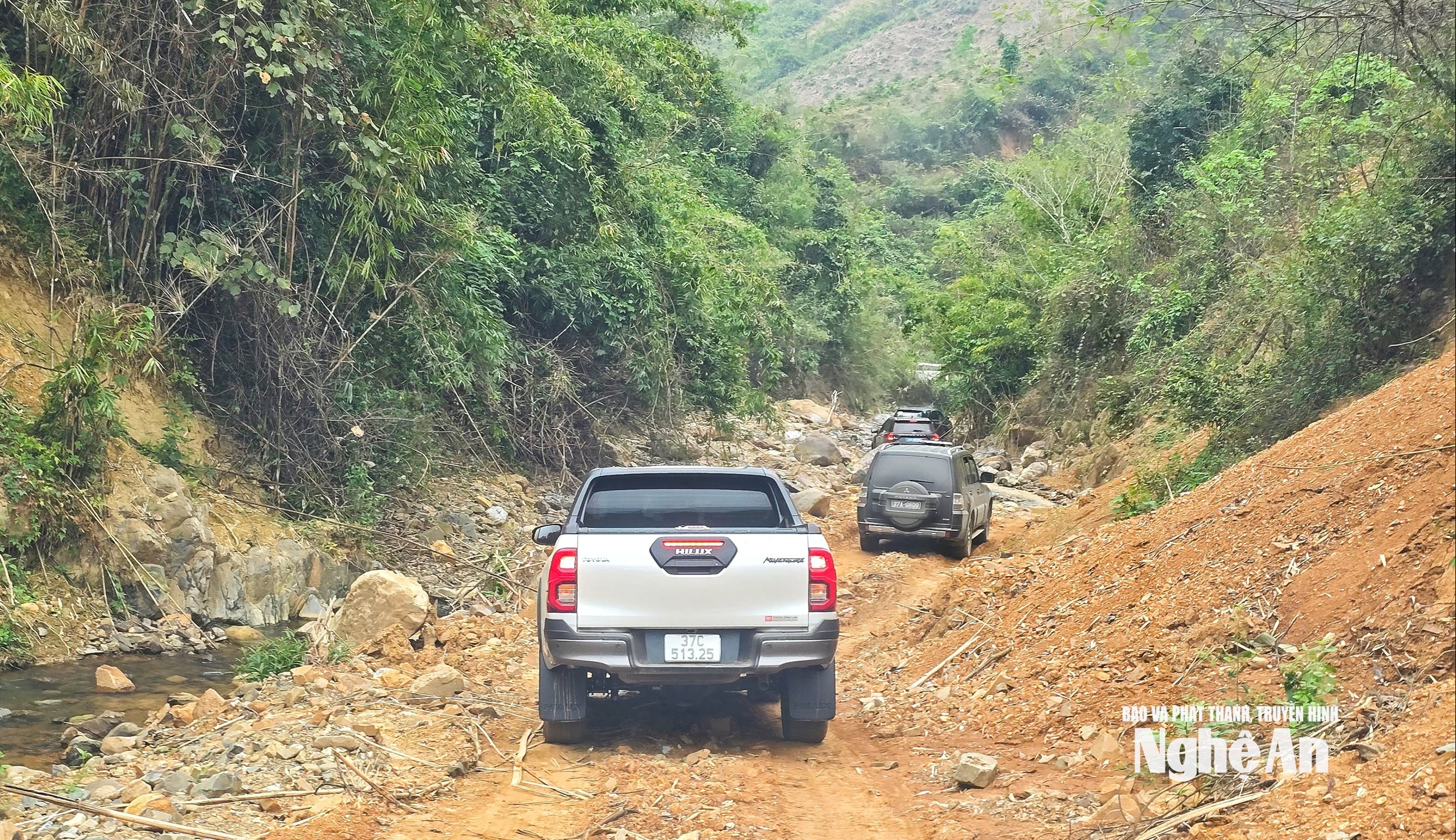
In Keng Du border commune – one of the most remote areas of the province – the familiar story of "waiting for the district" in many administrative procedures is no longer a thing of the past. On the early election day of March 13th, when Ms. Vo Thi Minh Sinh – Deputy Secretary of the Provincial Party Committee and Head of the Provincial National Assembly Delegation – was present in Huoi Xui village to inspect and direct the election organization, many people clearly felt this change.
Mr. Luong Van Dooc, head of Huoi Xui village, shared: “Our people are very excited to see the provincial leaders come to our village. This makes us feel that our voices are being heard more directly. We hope that with the new administrative apparatus, the difficulties of the border region will be resolved more promptly.”
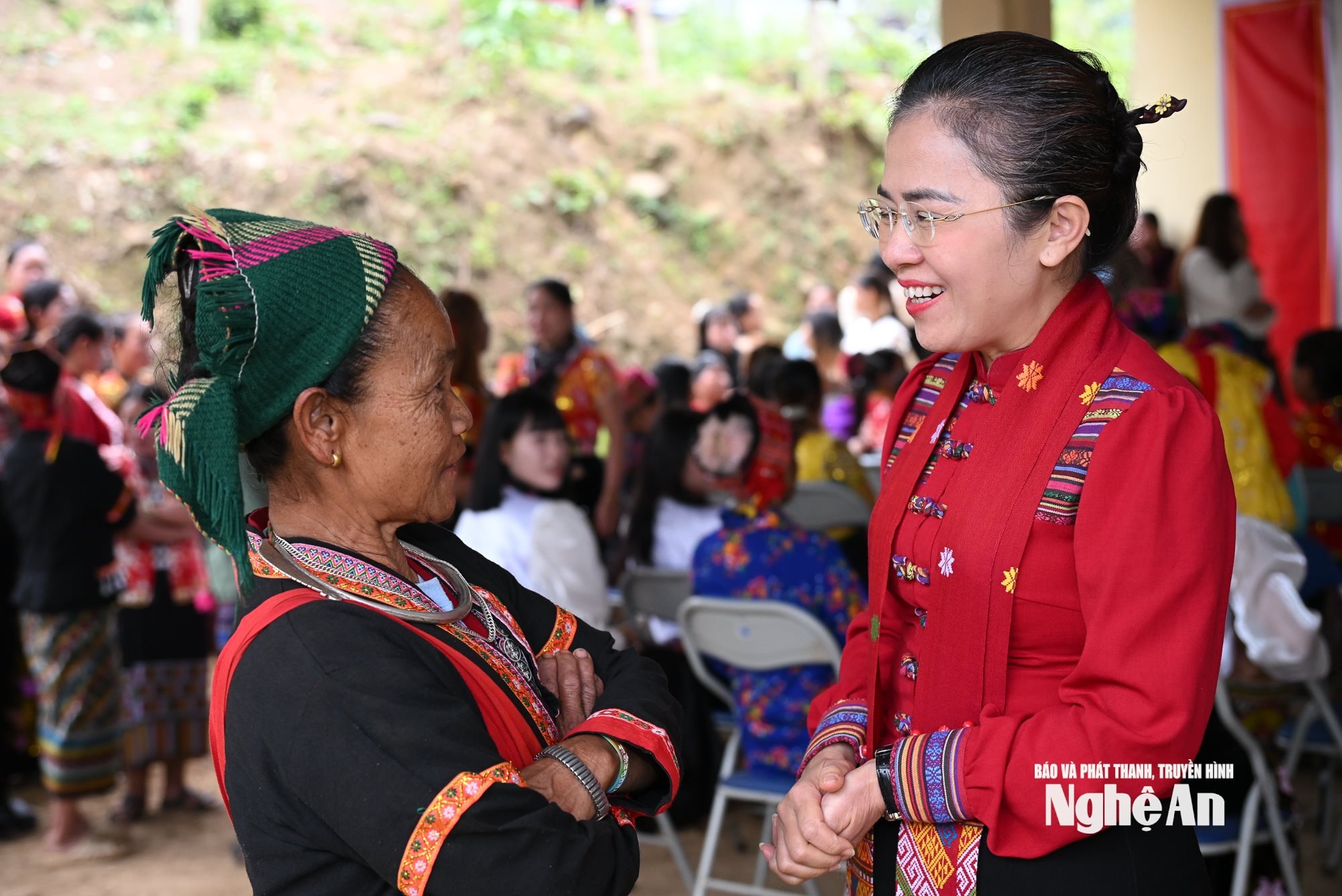
In a two-tiered local government system, all decisions from the province directly impact the grassroots. This means that the gap between the central area and the remote villages in the highlands needs to be narrowed through understanding, responsibility, and a spirit of service to the people. For people in mountainous regions, streamlining the administrative apparatus is not an abstract administrative concept. What they expect is faster decisions and policies that are more relevant to their lives.
Huoi Xui village currently has 89 households with 502 inhabitants, of which over 97% are poor or near-poor. Only two households have recently escaped poverty: the village head's family and the family of the head of the Fatherland Front's working committee. Due to difficult economic conditions and poor transportation, early elections were held in this area.
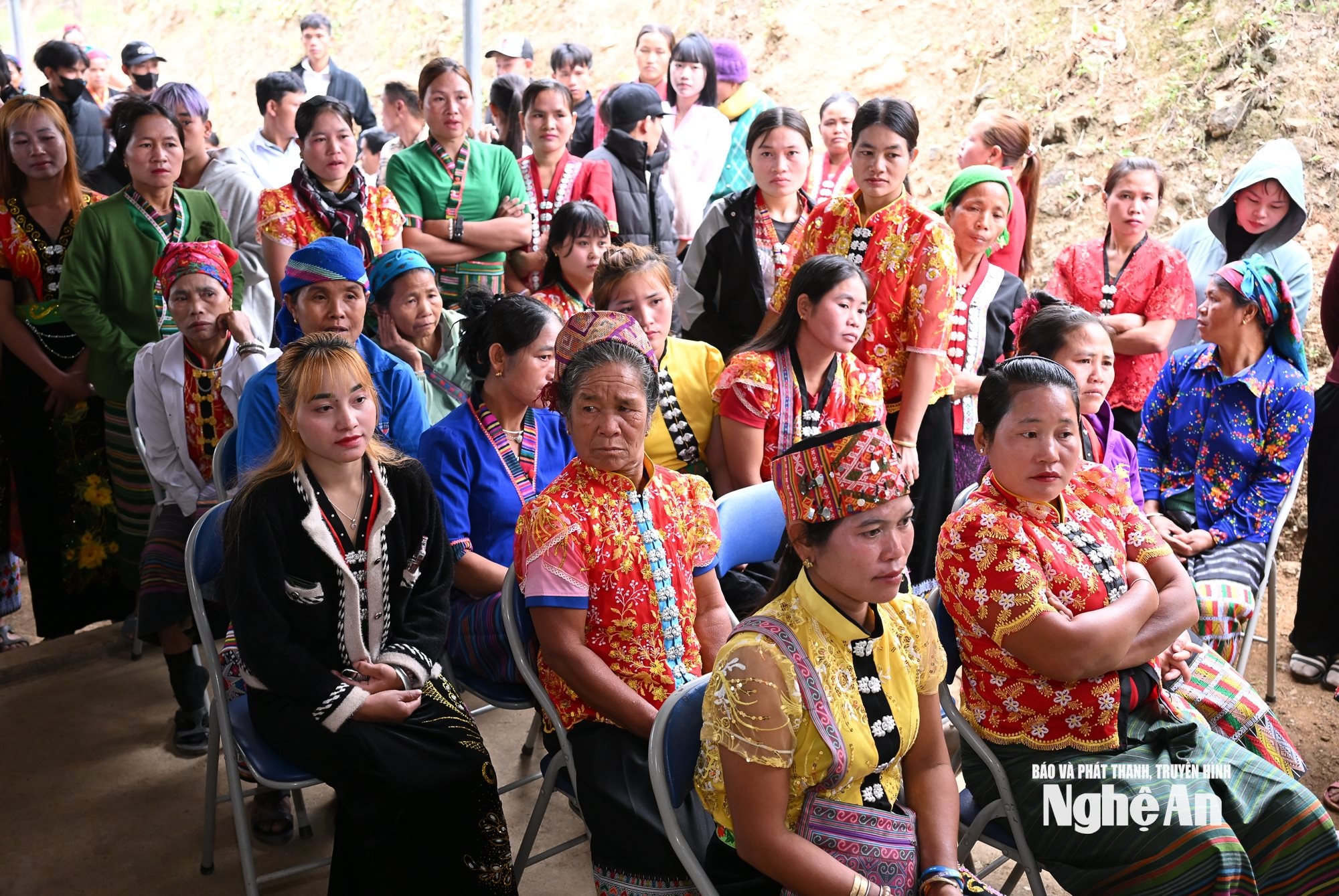
On election day, voter Ven Van Vien from Huoi Xui village expressed: "We hope that after being elected, the representatives will pay more attention to transportation in mountainous areas. If the roads are better, people will be able to travel more easily, and their businesses will also be easier to operate."
These aspirations reflect a clear reality: for people in mountainous regions, transportation infrastructure remains key to development.
Climbing up to the "gateway to heaven" of Muong Long, where mist and clouds cover the area almost year-round, the atmosphere on election day in Trung Tam village left a deep impression. Amidst the vibrant colors of their traditional costumes, 361 Hmong voters arrived early at the polling station to learn about and choose representatives to voice their people's opinions.
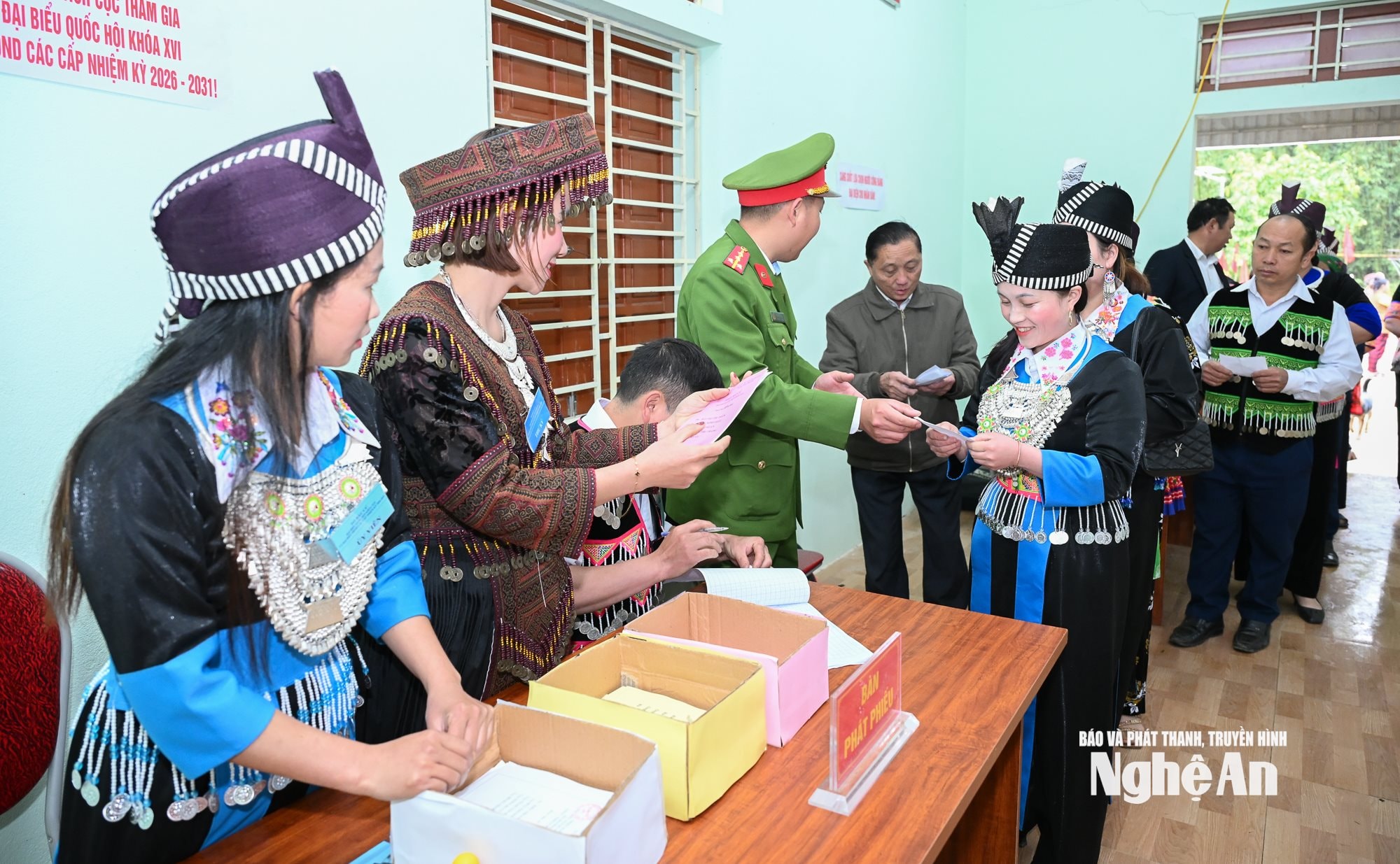
For the people of Muong Long, voting is not only about exercising their civic rights but also a way to affirm their village's position in the development of the province and the country. The 361 ballots in Trung Tam village represent 361 stories of livelihoods and hopes.
Standing beside the ballot box on National Day, Va Ba Co, a young voter from Trung Tam village, shared: “Muong Long is beautiful, and the plums are delicious. But not many tourists come here because the roads are still difficult. I hope that those elected will pay attention to improving the roads so that more tourists can come to Muong Long.”

That expectation is not far-fetched. In Nghe An's development strategy, tourism and high-tech agriculture are identified as important economic pillars. For Muong Long – a region often referred to as the "Sa Pa of Nghe An" – with improved transportation infrastructure and a specific mechanism, it could become an attractive destination for ecotourism and community-based tourism. Voter Cu Y Va, a long-time plum grower in Trung Tam village, also expressed: "If there were more tourists, our people would be able to sell more agricultural products. Then life would certainly be better."
Responsibilities of delegates in the new term
While in Muong Long, the greatest aspiration is to develop tourism, in border communes like Tri Le or Muong Tip, voters' wishes are much more specific: stable phone signal and convenient transportation routes.
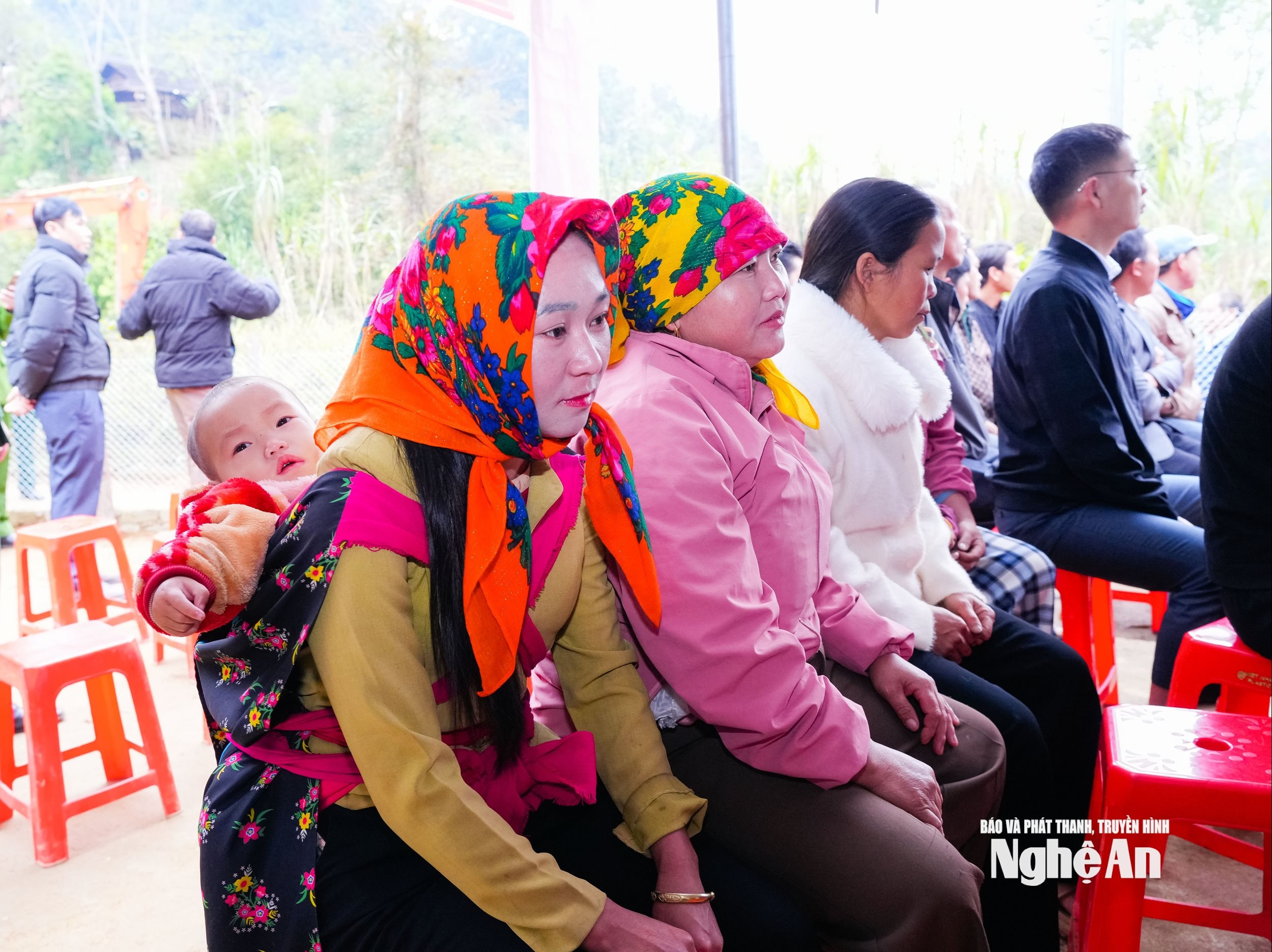
In reality, many remote areas still lack telecommunication coverage or have unstable signals. This not only affects communication but also limits people's access to knowledge and markets.
Mr. Va Ba Va, a voter from Muong Long village, Tri Le commune, said: “Thanks to the government's attention, the village now has access to the national power grid, making life less difficult. However, the phone signal is still weak. We hope for a stronger signal so that people can learn more new things, and our children can study more easily.”
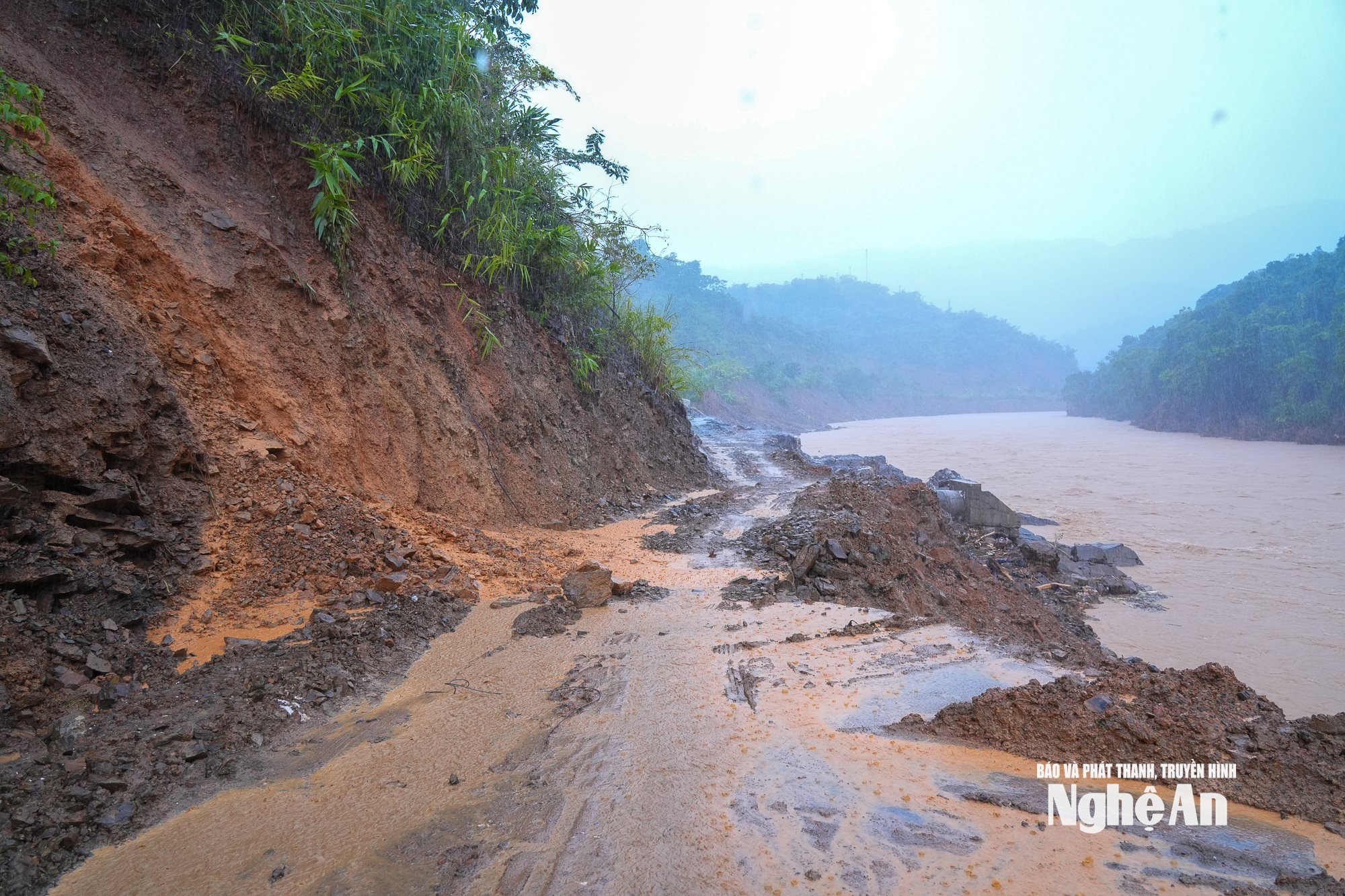
In Muong Tip commune, where the Nam Mo River meanders through the villages of the Khmu ethnic group, many voters expressed their desire for a more comprehensive investment in inter-commune transportation systems. Mr. Lu Van Lun, a livestock farmer in Xop Lau village, shared: “People often face unfair pricing from traders because of the difficult roads. If transportation were better, people would have better opportunities to do business.”
The election has concluded. But for many voters in the mountainous region of Nghe An, the journey of hope has only just begun. The ballots cast represent not only the choice of personnel but also the expectation of a more streamlined and efficient government; of stronger investment in transportation and telecommunications infrastructure; and of practical policies to develop livelihoods for ethnic minorities.
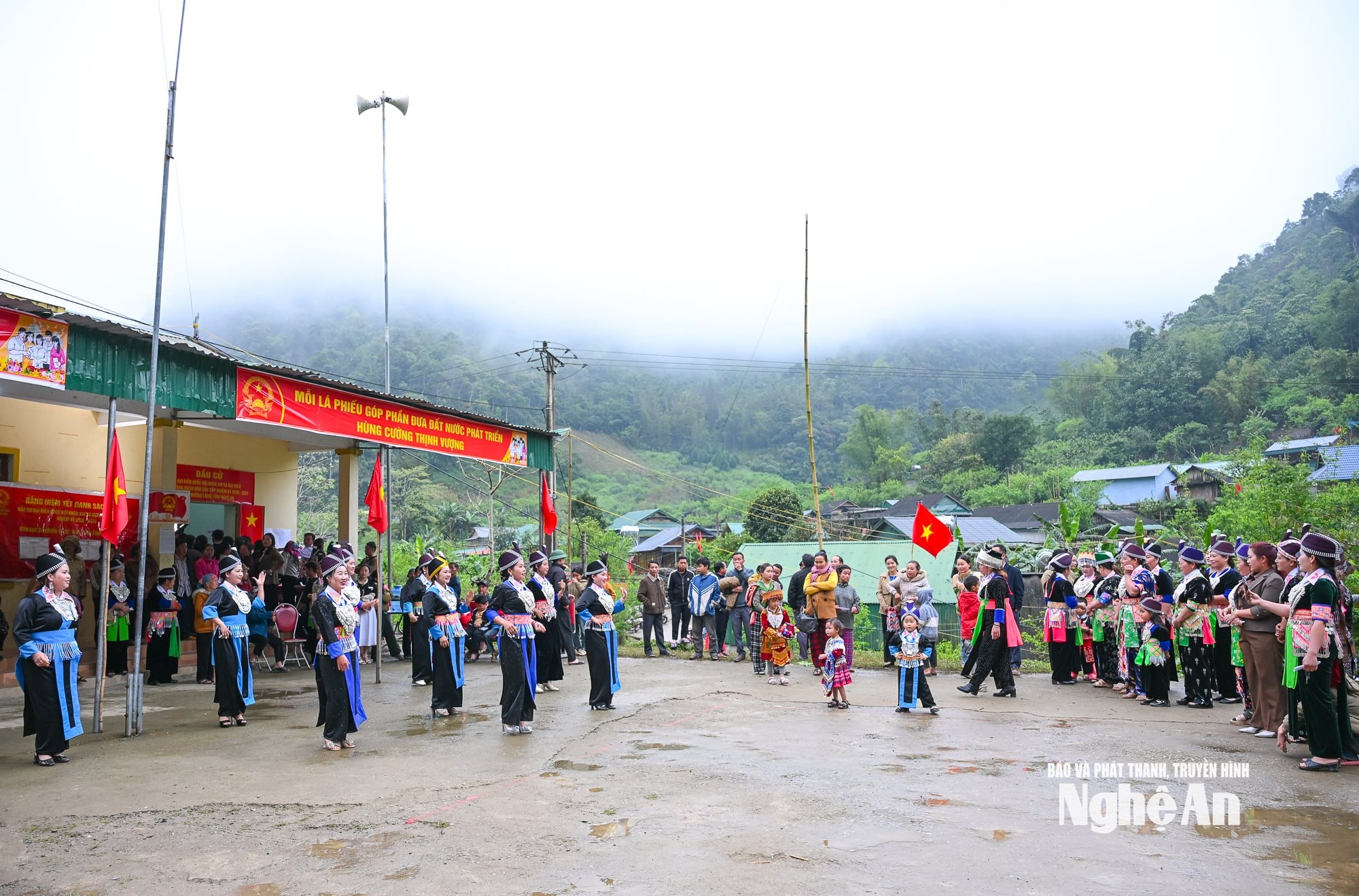
Nghe An province has 3,116 polling stations, with 2,339,786 out of 2,343,017 registered voters participating. The voter turnout rate reached 99.86%. 2,911 polling stations (over 93%) achieved a 100% voter turnout rate. 83 out of 130 communes and wards also had a 100% voter turnout rate.
Voters in the communes of Keng Du, Muong Long, Tri Le, Muong Tip, and many other highland communes fulfilled their responsibilities with an almost absolute turnout. The rest belongs to those chosen by the people. The ballots from the villages have sown the seeds of faith. And for those seeds to sprout, what the people expect is not just promises, but concrete policies and practical actions to turn the aspirations for development of their villages into reality.


