
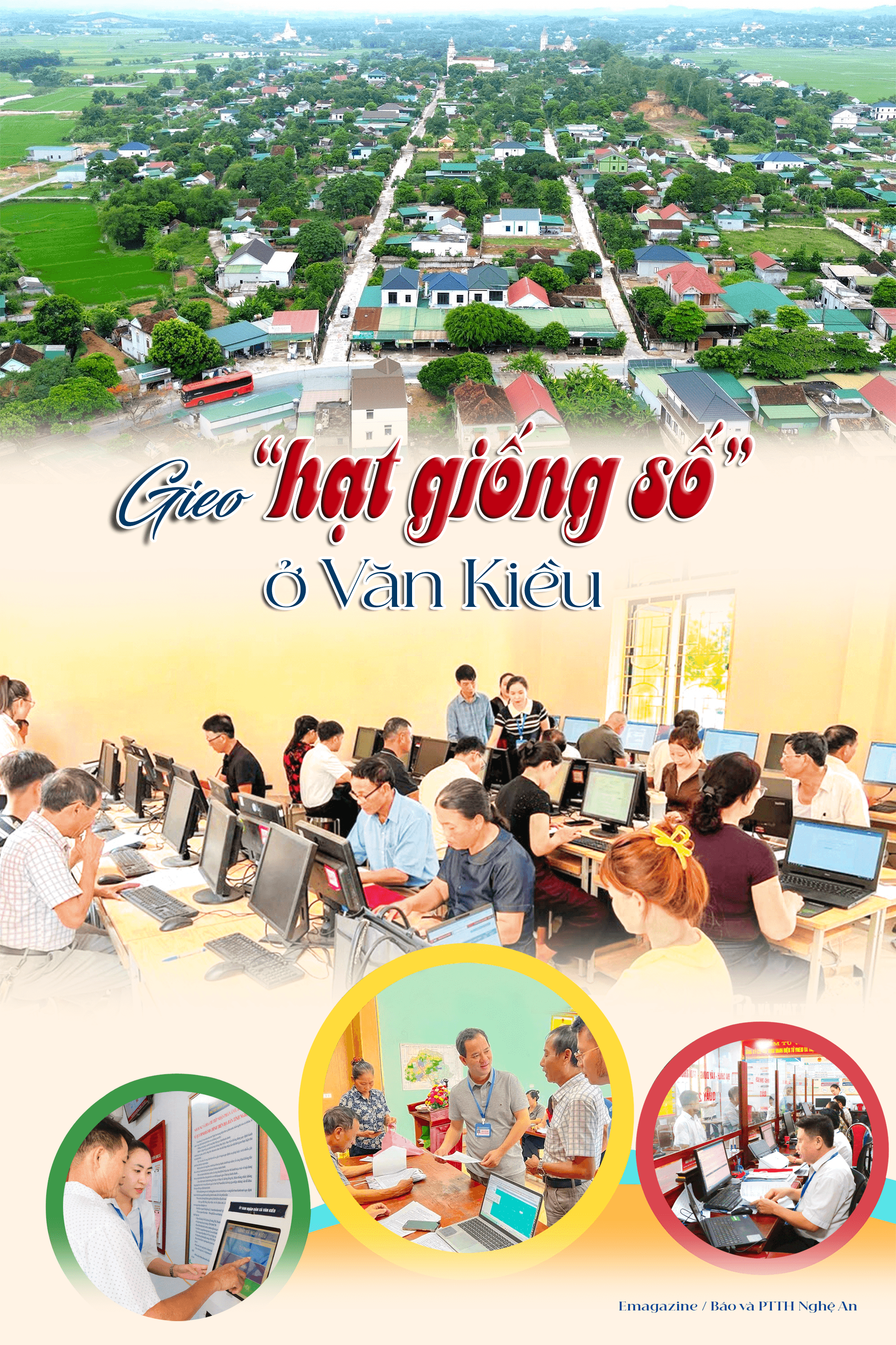
Sowing the "number seeds" in Van Kieu
Computer systems, printers, and Wi-Fi have been brought to every village; hands-on training courses taught by IT teachers are regularly held for community digital technology groups; data is cleaned at the grassroots level; and officials set an example in applying technology… This is how Van Kieu commune is gradually cultivating "digital seeds" right from the villages. When digital transformation begins with things close to daily life, the digital divide in this still-challenged area is gradually narrowing.
Gia Huy - Thanh Phuc/Present:Hong ToaiAugust 20, 2026
*****
Computer systems, printers, and Wi-Fi are provided to villages and hamlets; hands-on training courses are conducted for community digital technology teams; data is cleaned at the grassroots level; and officials set an example in applying technology… This is how Van Kieu commune is gradually cultivating "digital seeds" right from the villages and hamlets. When digital transformation begins with things close to daily life, the "digital divide" in this still-challenged area is gradually being narrowed.

One morning in the fields of Hamlet 14, Van Kieu Commune, Hamlet Head Le Dinh Sy, with his trousers rolled up unevenly, chatted with the villagers tending their turmeric fields while simultaneously taking out his phone to record images of the production.
There are no elaborate shots, just turmeric fields, farmers, and everyday tasks. But for Mr. Sy, these authentic images are the most accessible, understandable, and easily spreadable way to disseminate information.
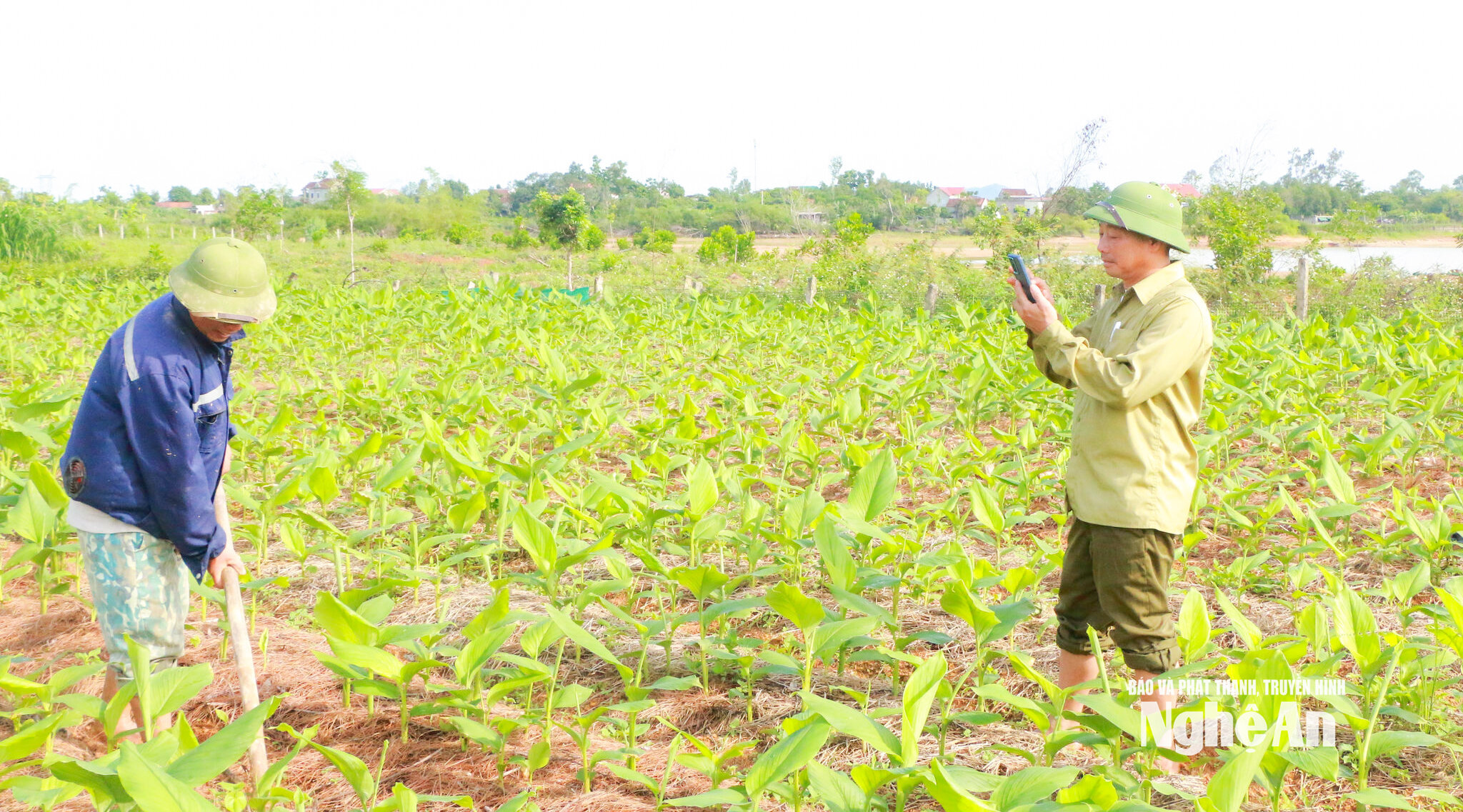
The commune is planning to revive the traditional turmeric-growing village of Kieu Moc, concentrated in Hamlet 14. I'm taking the opportunity to check on the production situation while also promoting the initiative to the villagers. Nothing spreads more effectively than real people and real work."
Mr. Le Dinh Sy shared.
After the merger, Hamlet 14 has 592 households and 2,811 inhabitants, with approximately 80% being Catholic. The larger population size makes it more difficult to monitor the situation and convey information to each household than before.
Therefore, Mr. Sy uses Zalo groups and also transforms his personal Facebook page into an "information channel." From production and irrigation to daily life activities, he records and shares everything through simple images and video clips. Thanks to this, people working far away, even abroad, can still follow what's happening back home.
"On peak days, we get nearly 20,000 views. I'm planning to build a channel to spread the information faster and prevent people from lacking access to it," Mr. Sy said.

Interestingly, his personal Facebook account not only served for propaganda purposes but also became a bridge for sharing within the community. The case of Mrs. Hoang Thi Kinh, 70 years old, who is raising a seriously ill child and four young grandchildren, is one example.
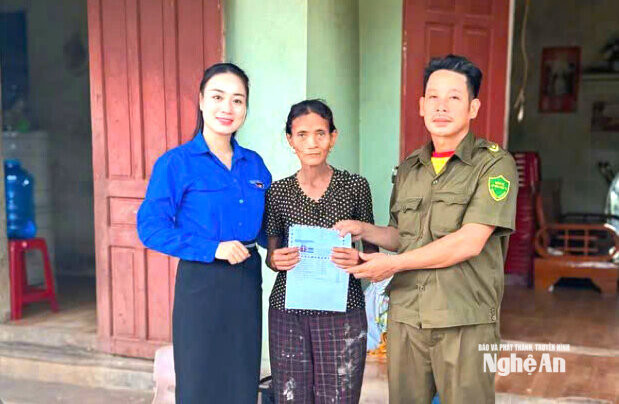
Through social media connections, Mr. Sy appealed to and mobilized philanthropists and the community to help Mrs. Kinh's family "erase" their 8 million VND bank loan and over 2.6 million VND in interest. In addition, Mrs. Kinh's family also received a small amount to help cover their living expenses.
"A mobile phone is not just for communication; it can also become an 'information channel' to bring policies and guidelines to the people through vivid and engaging visuals, while simultaneously connecting those with a community-oriented mindset," Mr. Sy expressed.
.jpg)
Following the village merger, in order to effectively fulfill his role as the "leader," Mr. Sy actively participated in information technology and digital transformation training courses. From being initially hesitant, he can now draft documents, create lists, prepare reports, and store records electronically.
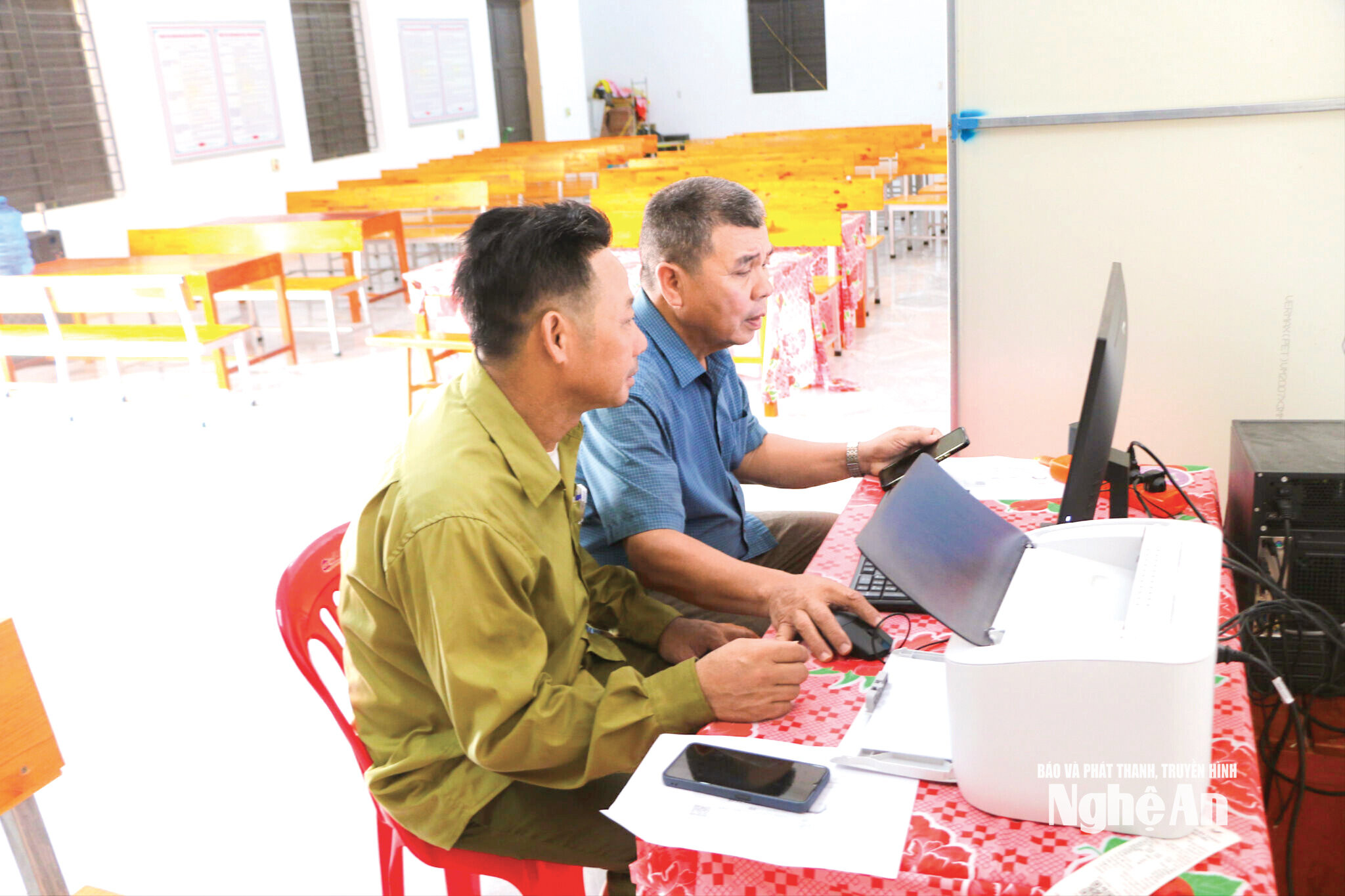
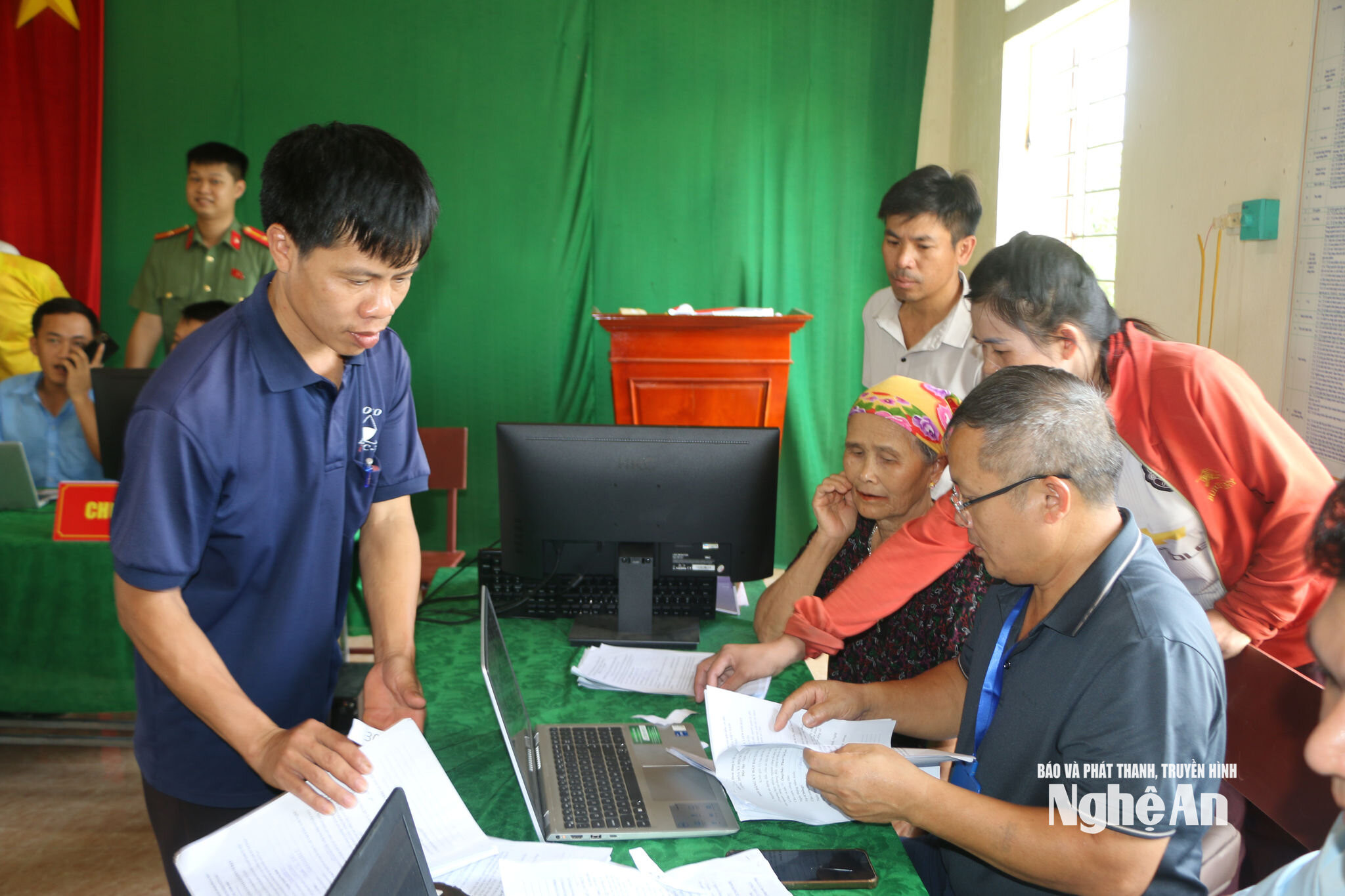
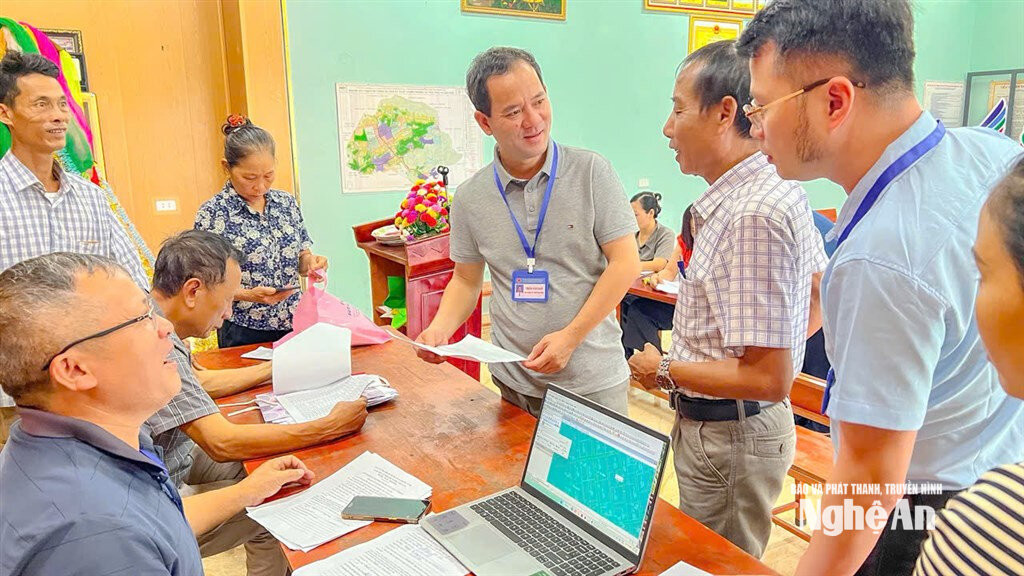
At the office of Hamlet 5, these days, Hamlet Head Nguyen Nhu Nhung is also busy working with the commune's task forces to collect, review, compare, and standardize land data.
What might seem like a dry job involving numbers, land plots, files, and paperwork actually requires close coordination among multiple forces.
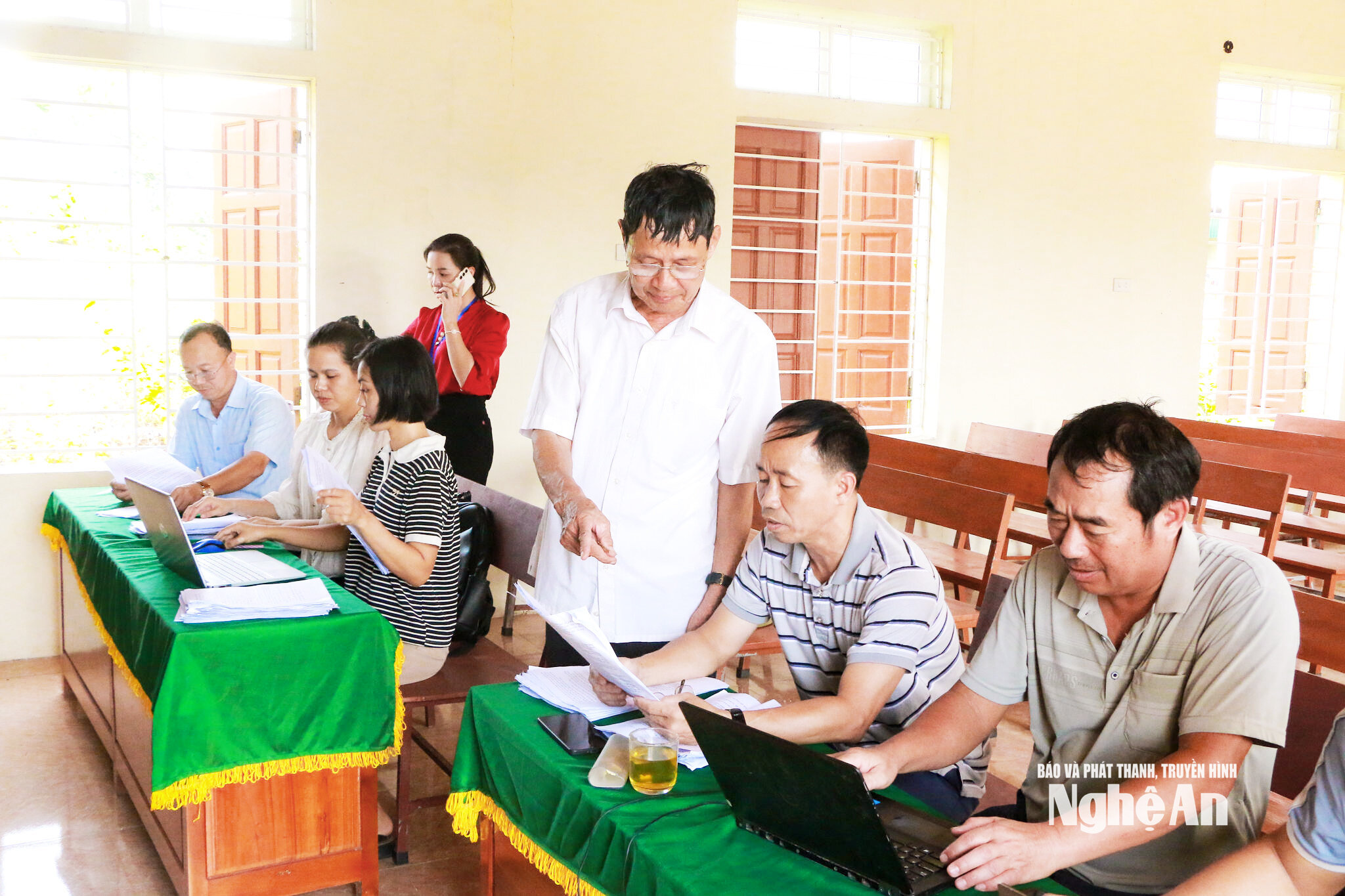
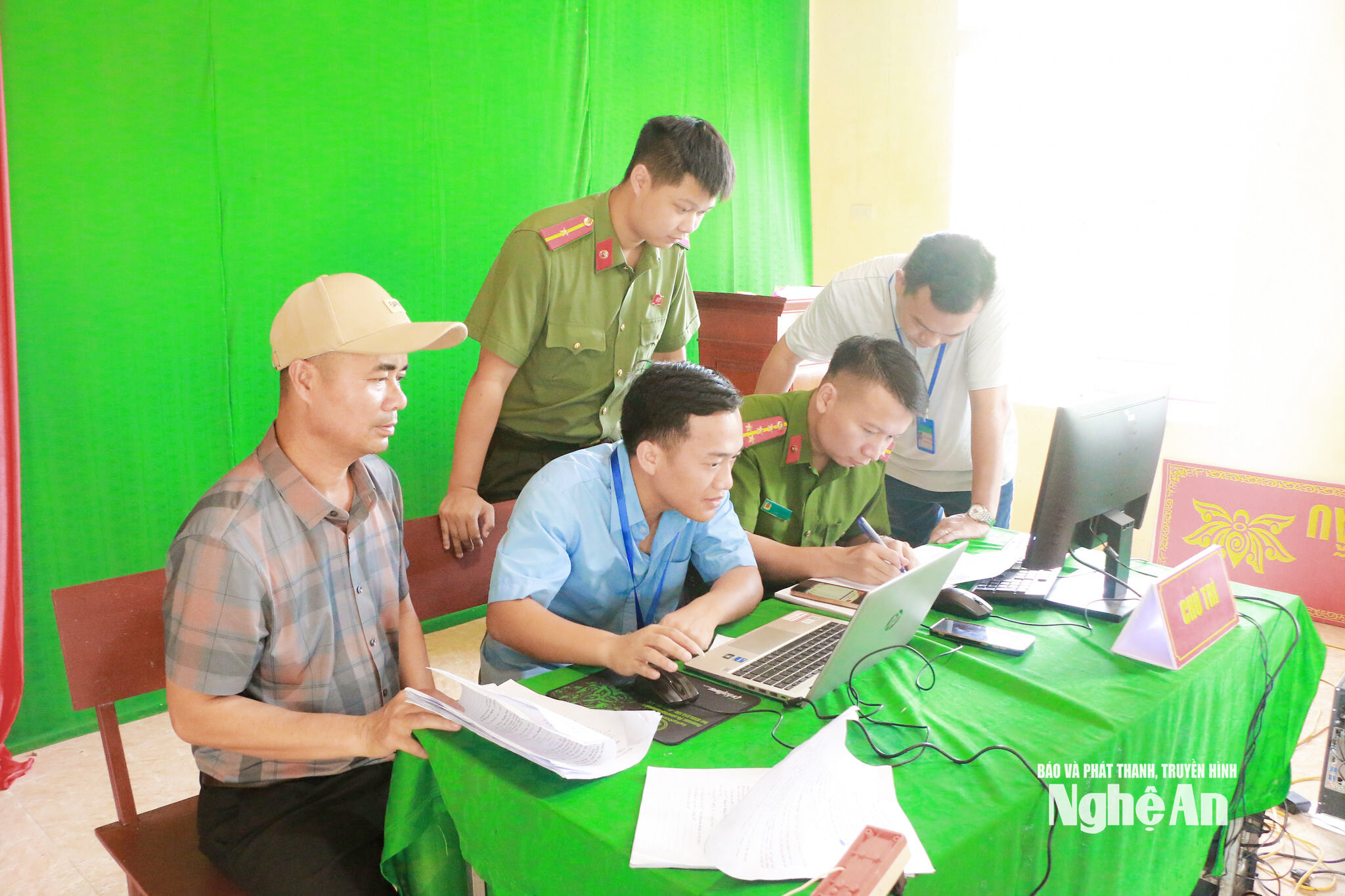
In addition to commune officials, police officers, and school teachers, members of the community digital technology team—those proficient in technology—also participate. The various stages follow each other more smoothly, helping to speed up the work process.
"People no longer have to travel back and forth multiple times or go through many different gates," said Nguyen Van Ton, a resident of Hamlet 5, expressing his delight after the completion of the land data update for his rice fields.
Citizen satisfaction is also the clearest measure of the effectiveness of digital technology application efforts at the grassroots level.

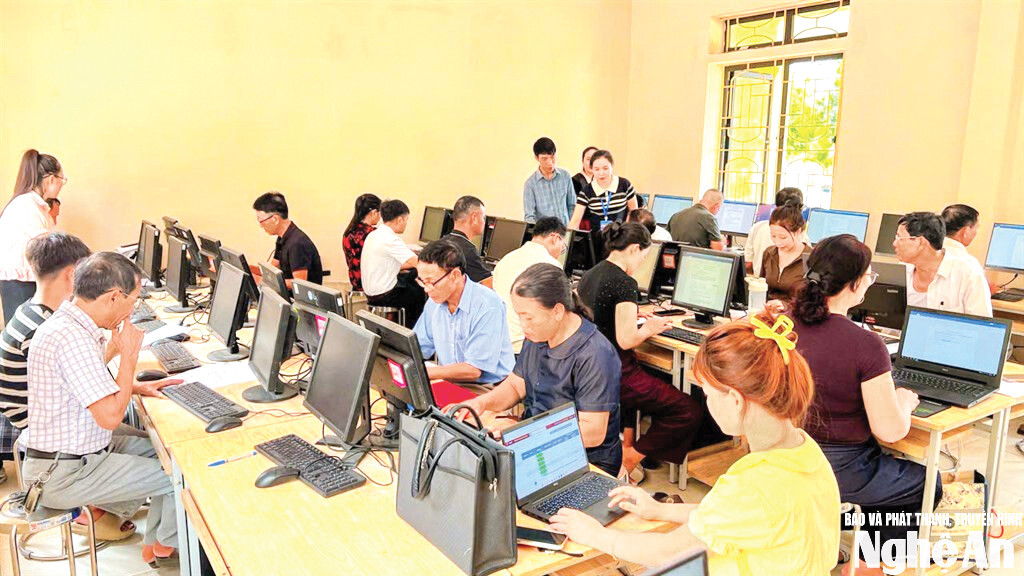
To prevent digital transformation from becoming a "burden" on village officials, in addition to inviting technology experts, Van Kieu commune proactively utilizes existing resources: mobilizing the computer lab system with more than 50 computers in schools in the area to serve training courses, and turning IT teachers into "digital instructors," directly guiding village officials and members of community digital technology teams.
The classes are not heavily focused on theory. Learners are guided through specific actions closely related to their daily work: installing applications, creating electronic identity accounts, logging into the Public Service Portal, submitting online applications, making online payments, tracking application processing results; along with basic computer skills… After each training session, participants are also tested, evaluated, and graded on their skills.
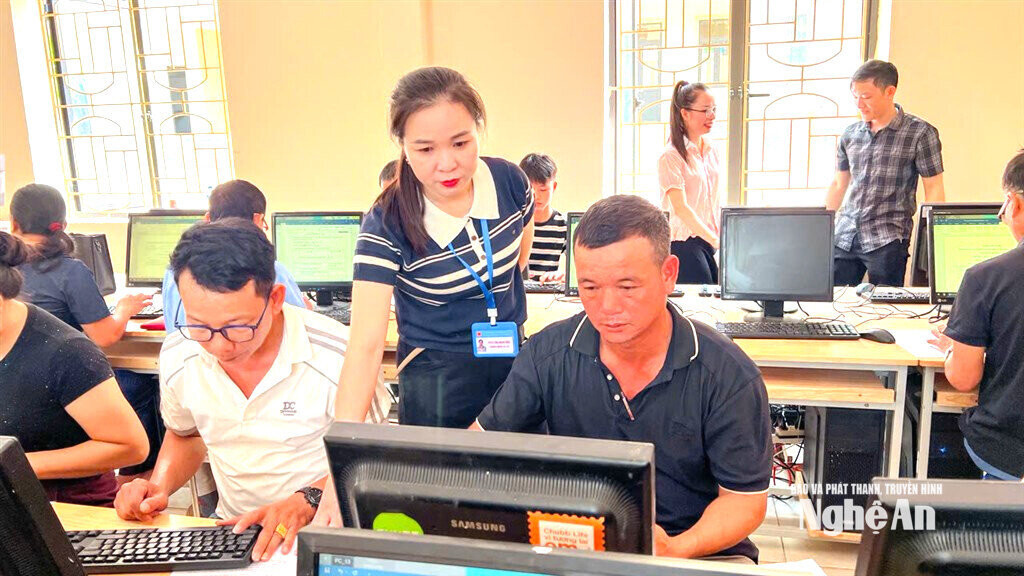
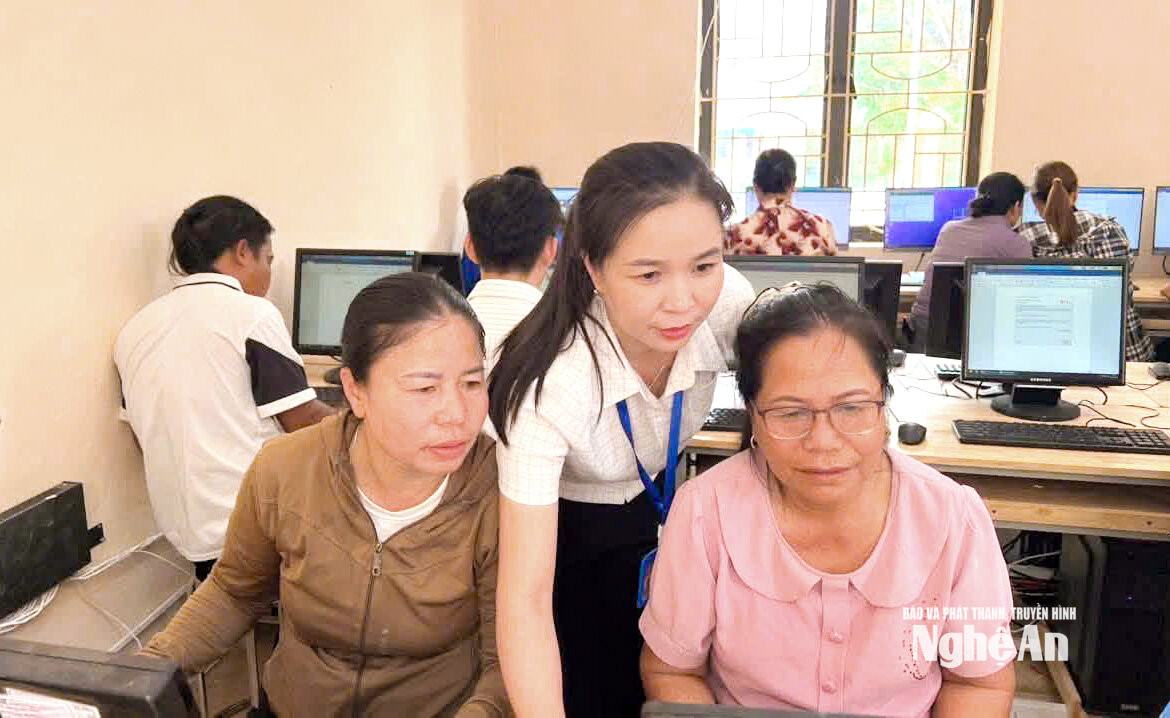
The "hands-on" approach may seem simple, but it is particularly suitable for conditions at the grassroots level, especially for older officials who have limited opportunities to regularly interact with technology.
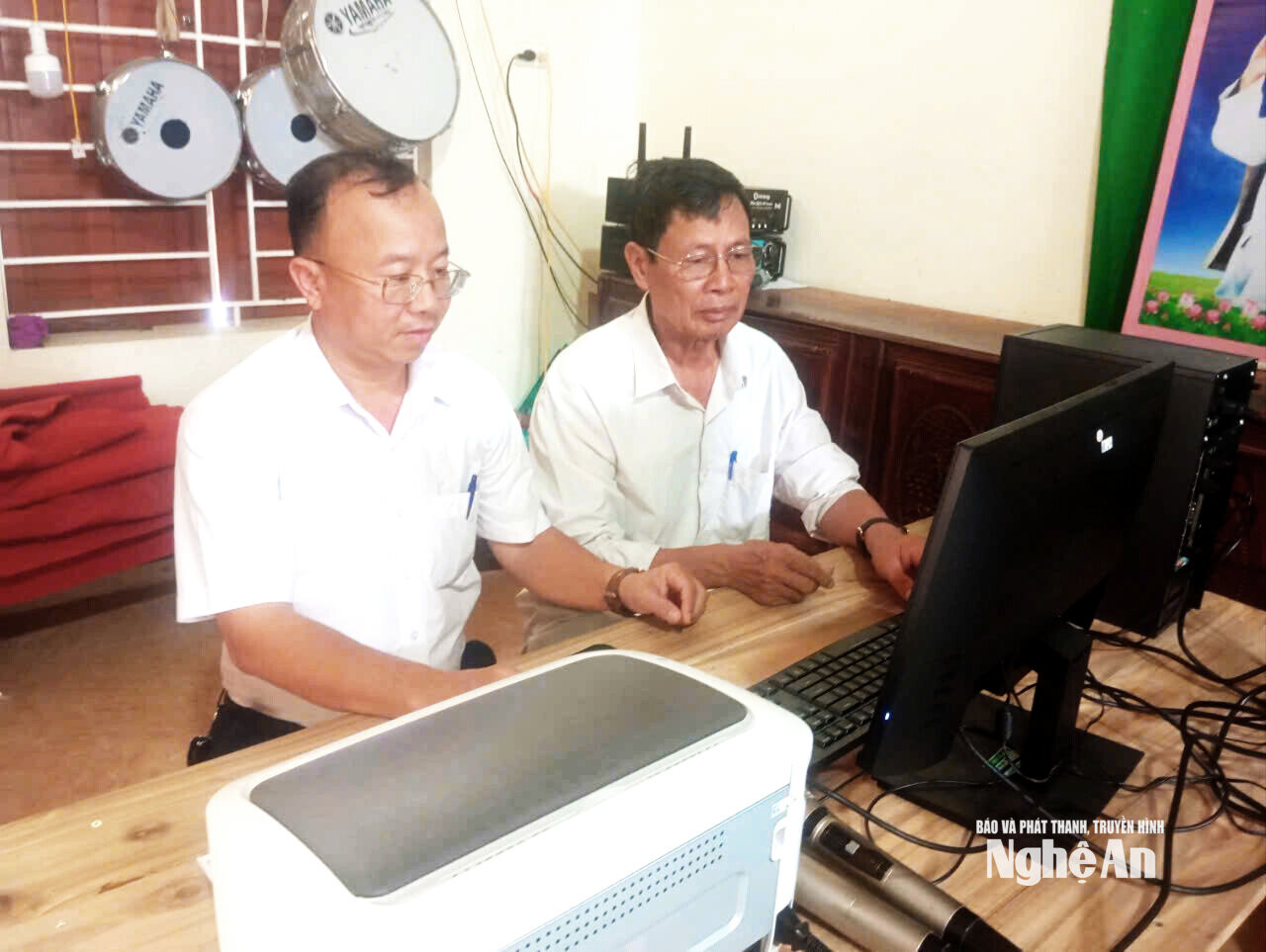
Starting from the "leaders" at the grassroots level, digital skills continue to be passed down to the community.
The entire commune has established 15 community digital technology teams in villages and hamlets. Each team has about 10-15 members, including village/hamlet officials, youth union members, association members, and people proficient in technology; the commune official in charge of the area serves as the team leader.
The goal is not just to know how to use it, but more importantly, to know how to guide and support people.
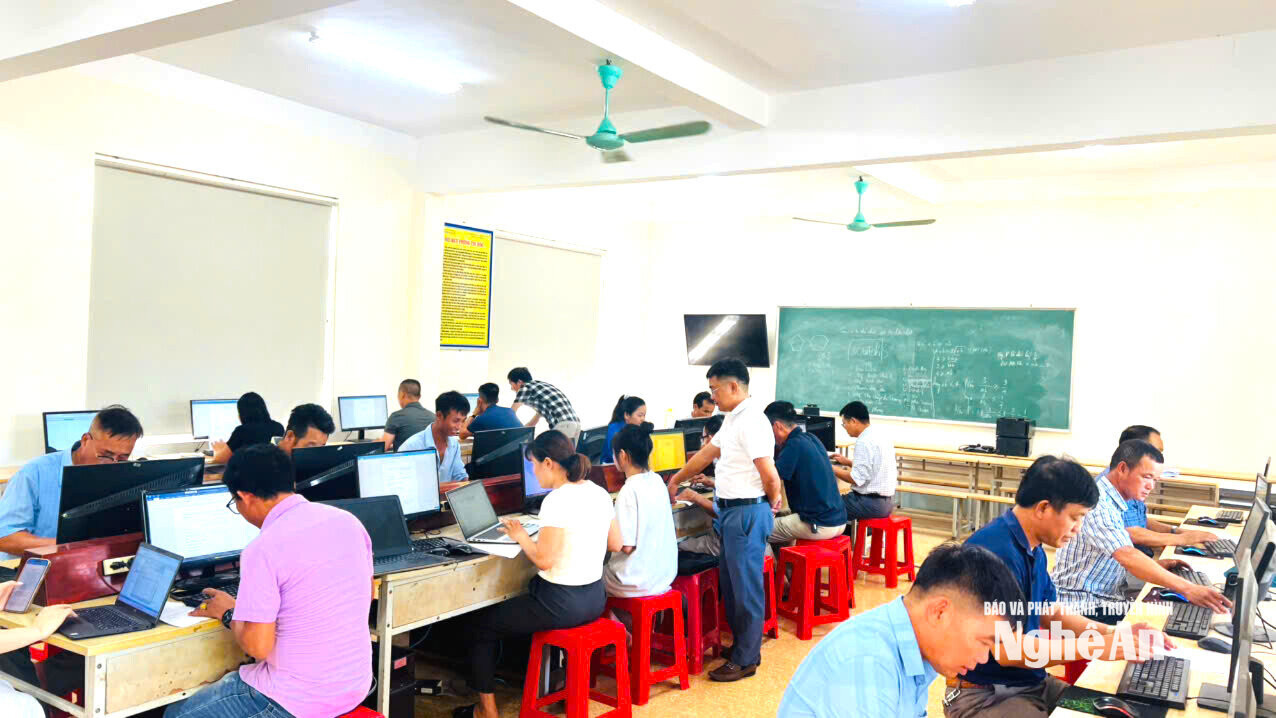
According to Ms. Nguyen Thi Minh Tien, Head of the Culture Department of Van Kieu commune, right from the start of the two-tiered government system, the locality has focused on training the team of Party branch secretaries, village heads, heads of the Fatherland Front Committee, and members of the community digital technology team.
The content focuses on practical skills such as using online public services, VNe ID, and supporting citizens in accessing digital platforms.
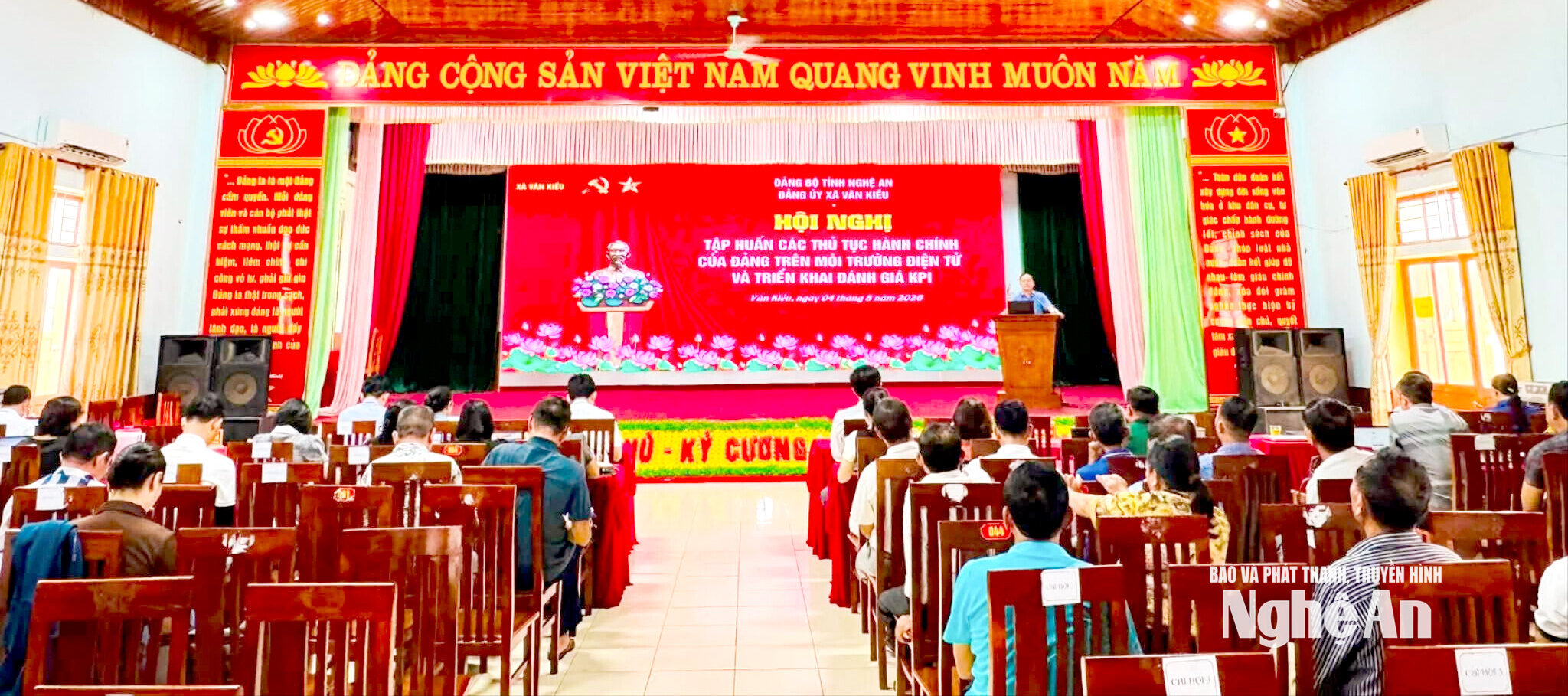
The People's Committee of the commune also organized a conference to deploy tasks for the Community Digital Technology Teams, creating a forum for members to exchange practical issues, identify difficulties, and propose solutions to address problems arising at the grassroots level.
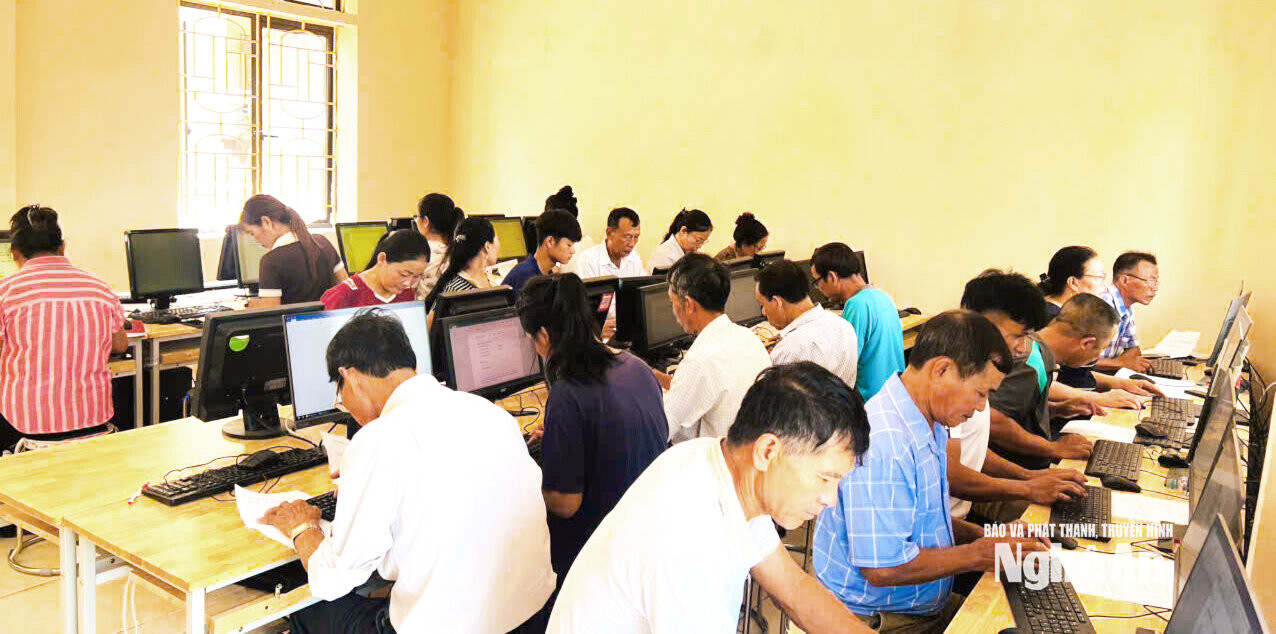
According to Mr. Nguyen Dinh Tho, Vice Chairman of the Commune People's Committee: These activities aim to further improve the skills and qualifications, and promote the sense of responsibility of members of community digital technology groups in supporting people to access and effectively use online public services, digital platforms, and digital utilities.
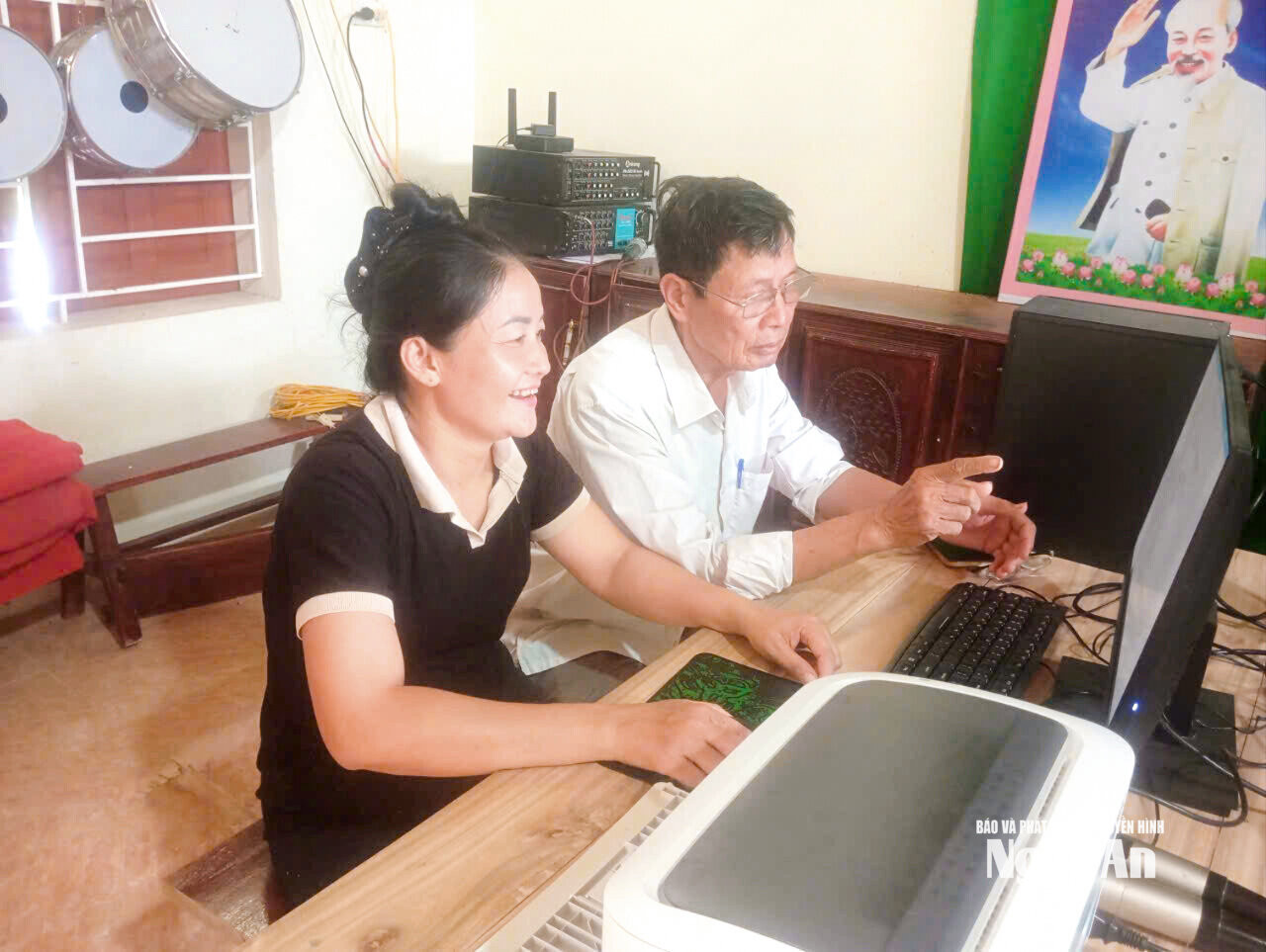
Even more encouragingly, thanks to these training courses, the awareness of local officials is also changing.
Ms. Tran Thi Tham, the village head, and Mr. Ha Huy Giap, the Party Secretary of Hamlet 7, despite being provided with two desktop computers by the commune for work at the community cultural center, still independently purchased laptops each to enable them to work remotely in various locations.
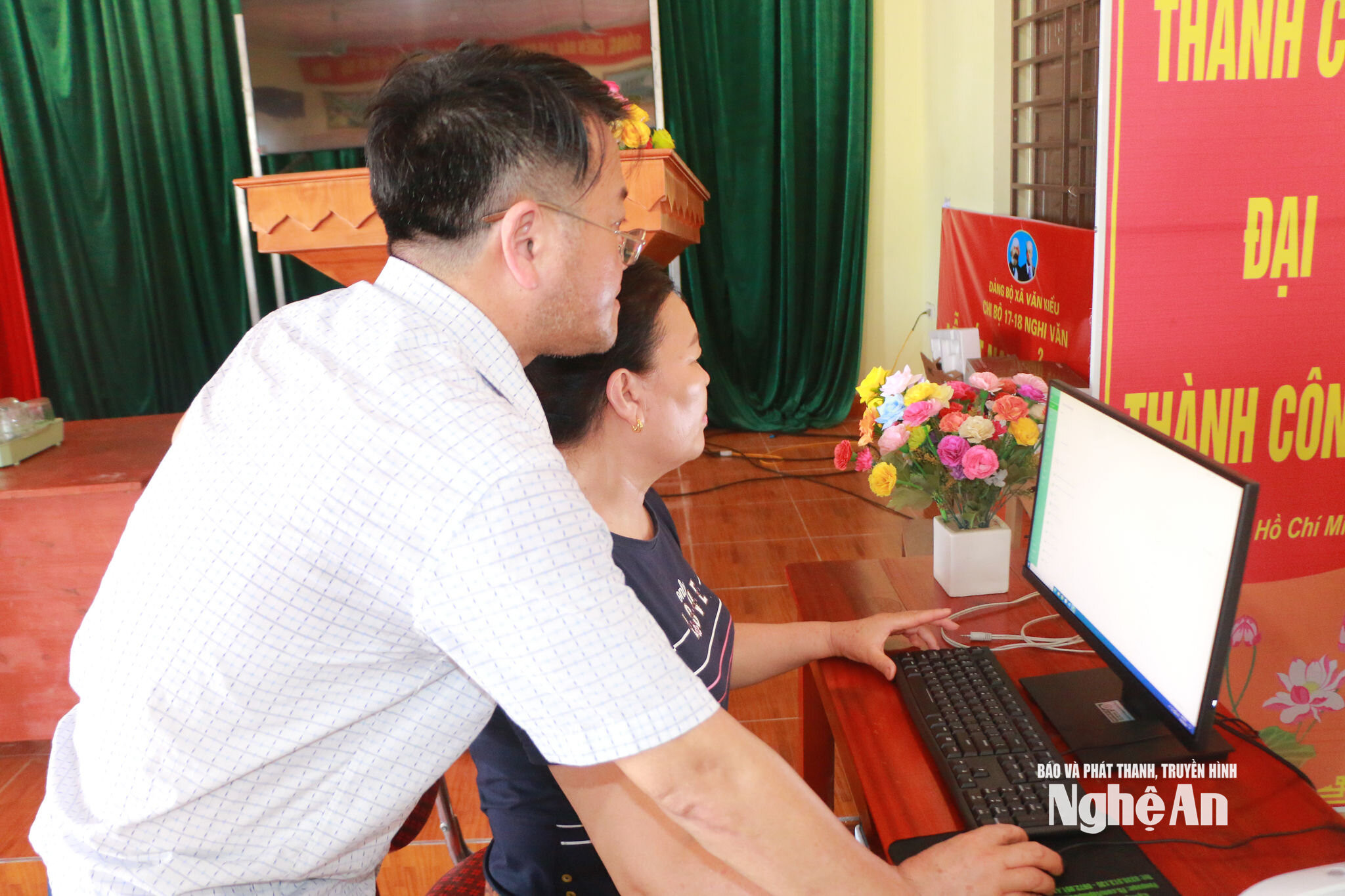
"It's crucial to spread awareness throughout the community about the benefits of digital applications in daily life and production; to cultivate the habit of using electronic devices and overcome fear of technology."
Ms. Tran Thi Tham shared
A simple statement that hits the core of digital transformation at the grassroots level: technology is not a destination, but a tool to serve people.
.png)
While in villages and hamlets, digital transformation is beginning with mobile phones, computers, and community digital technology groups, at the commune level, Van Kieu is gradually developing a management and operational method in a digital environment.
Local authorities have identified digital transformation as a crucial driving force for promoting administrative reform, improving the effectiveness and efficiency of state management, and enhancing the quality of service to the people.
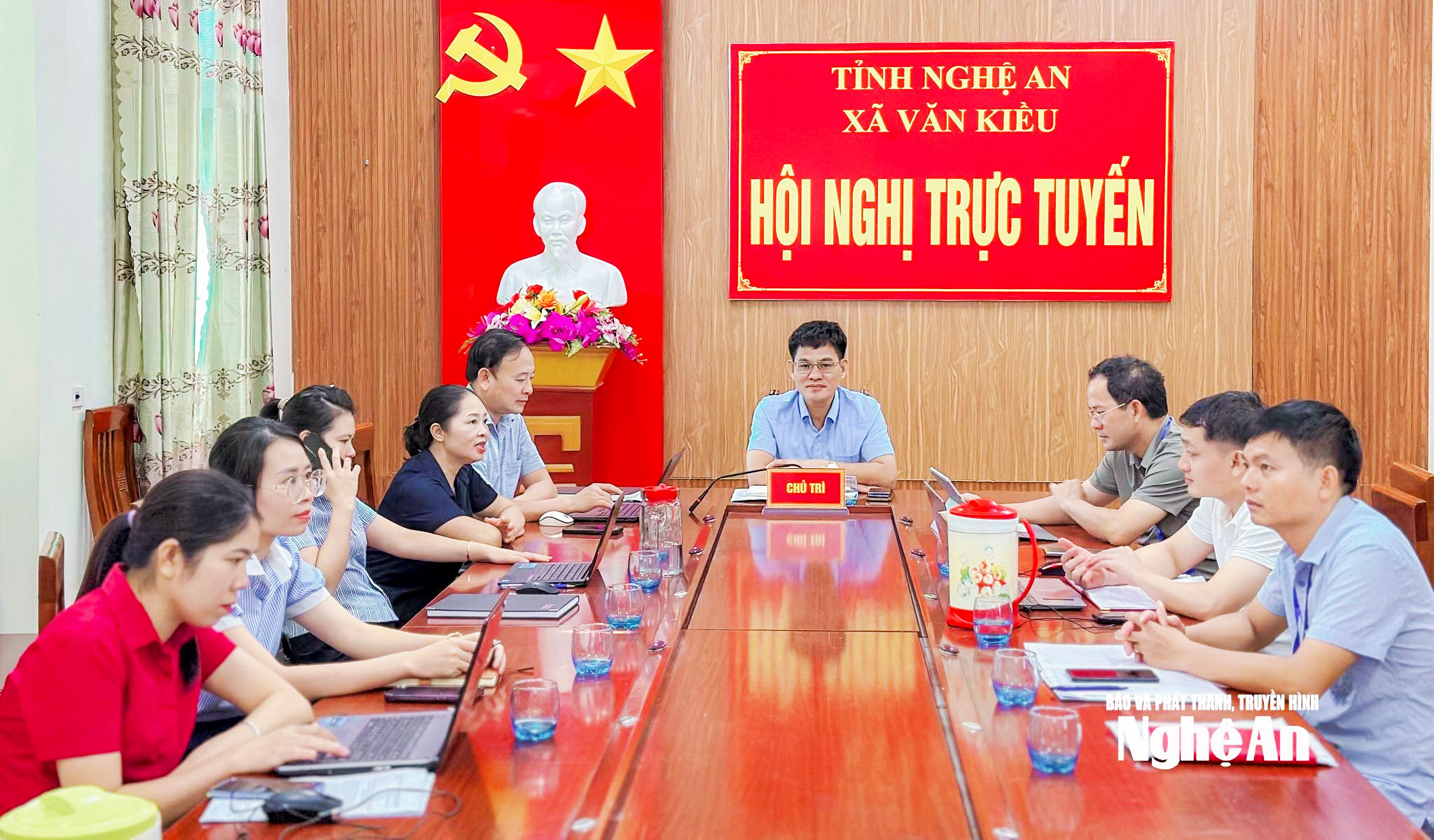
With the motto of putting the people and businesses at the center, and using people's satisfaction as a measure of service quality, the Party Committee and government of Van Kieu commune have focused on decisively leading and directing administrative reform associated with digital transformation in all fields according to the spirit of 6 clear points: "clear person, clear task, clear responsibility, clear authority, clear time, clear result".
One of the new initiatives is that the People's Committee of the commune has put into operation a software system for managing, reminding, and monitoring the progress of tasks for members of the People's Committee, heads of specialized departments, and officials and civil servants.
Tasks arising from briefings, leadership conclusions, directives from superiors, or emerging tasks are all updated and assigned directly to individuals, along with deadlines, coordinating units, and expected outcomes.
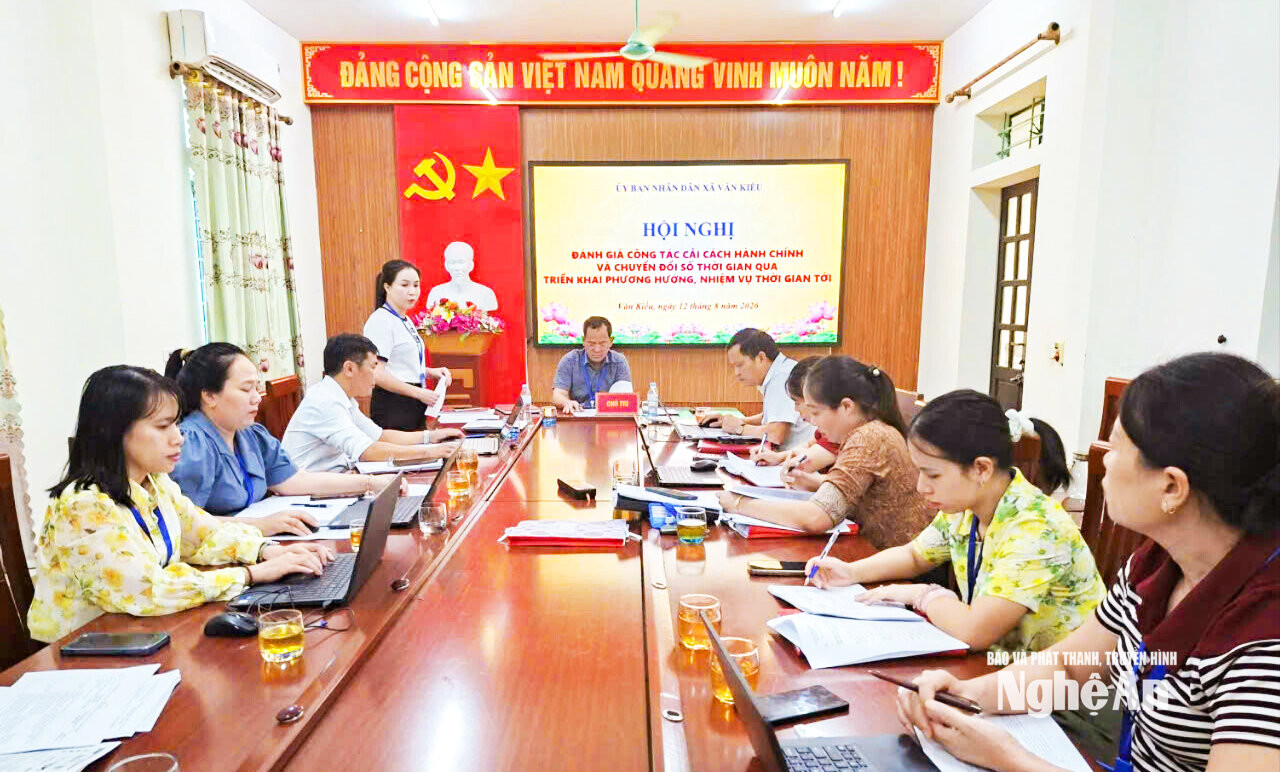
The commune's People's Council also aims for 100% "paperless meetings," with documents scanned via QR code and uploaded online, thereby facilitating delegates' research and reducing administrative costs.
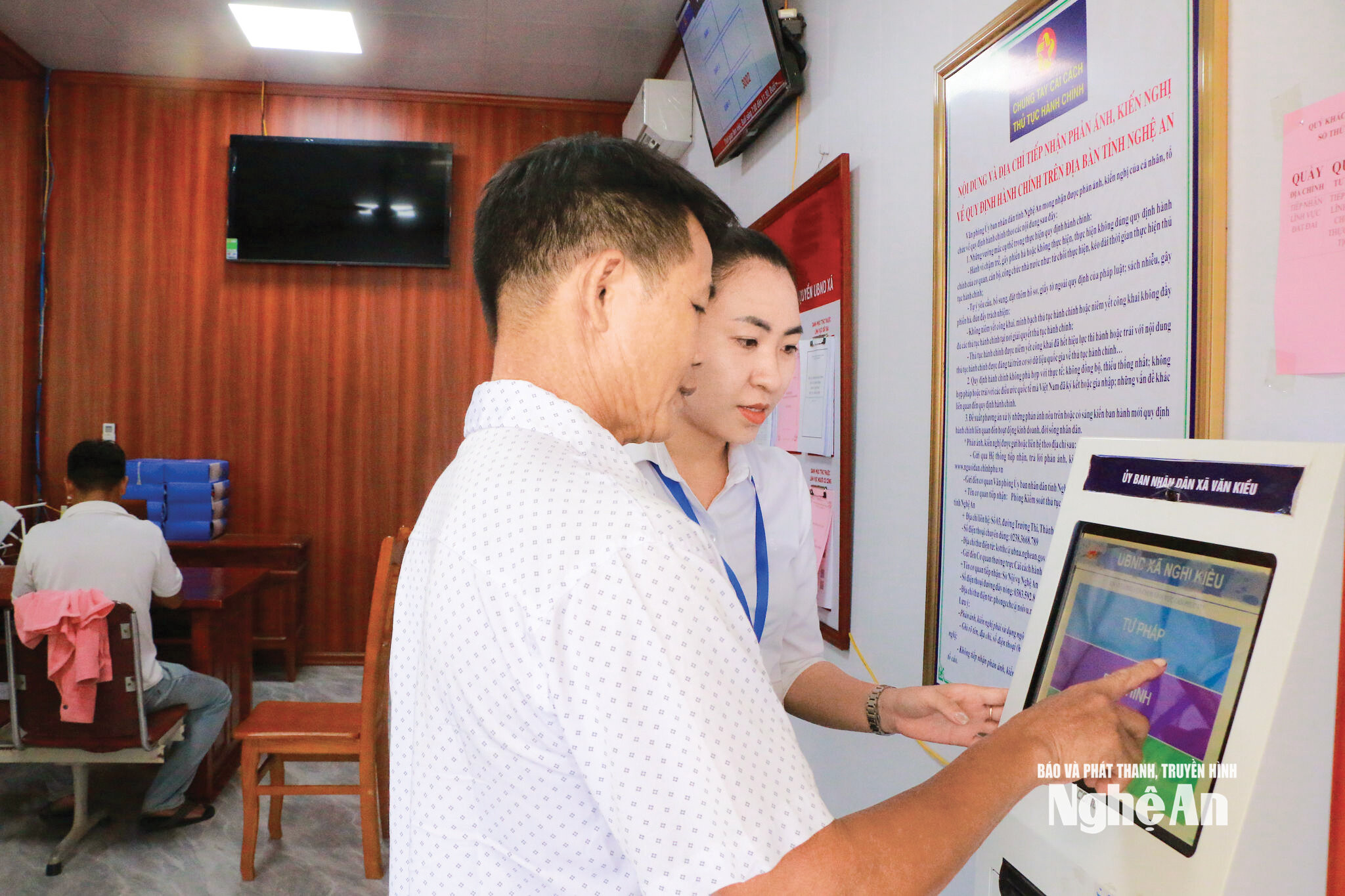
A hotline for receiving feedback related to the handling of administrative procedures at the Public Administrative Service Center has also been made public to increase interaction with citizens.
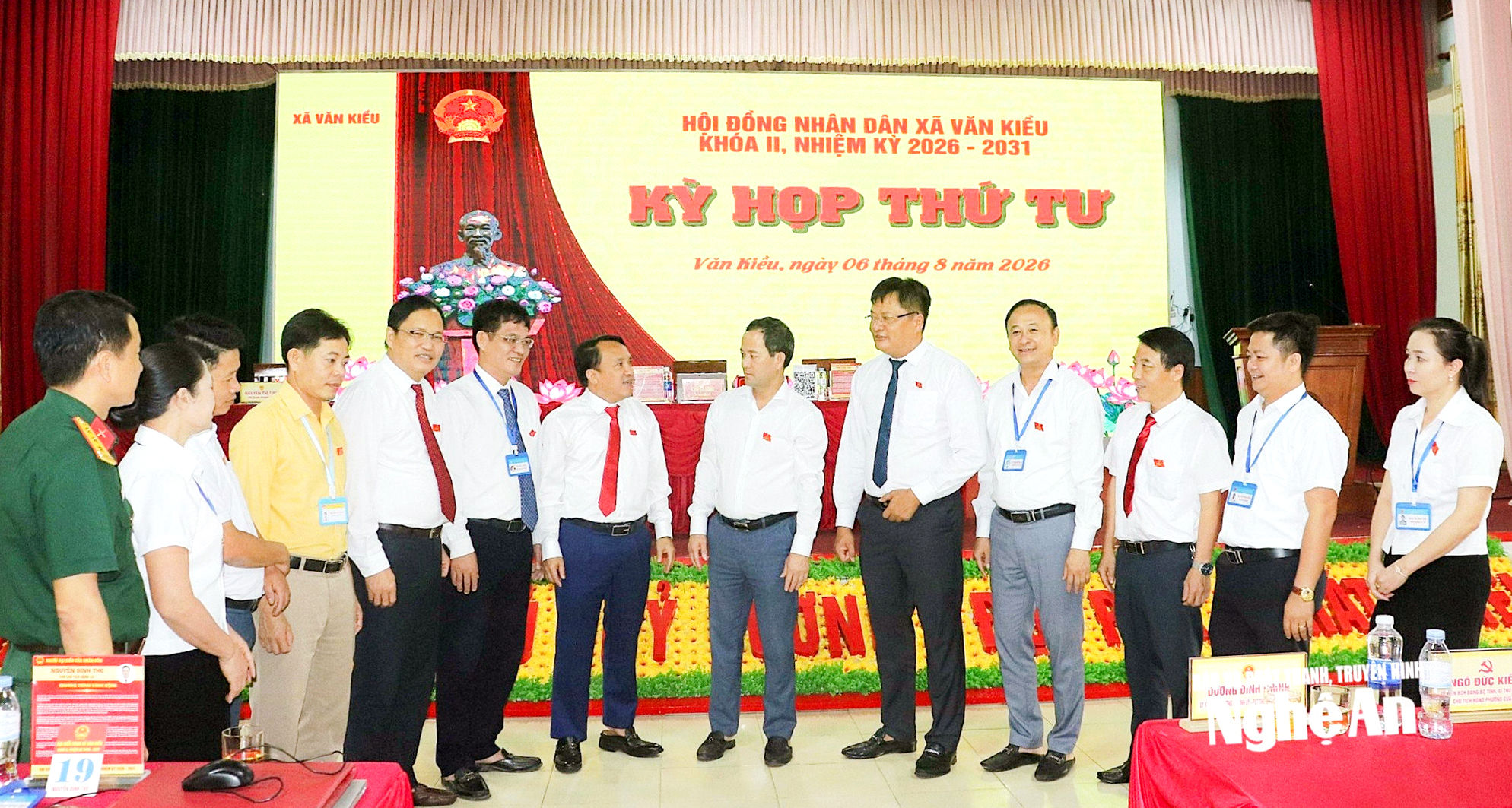
Along with "soft infrastructure," digital infrastructure at the grassroots level has also been emphasized. Through social mobilization, the commune has equipped all 15 hamlets with computers connected to the Internet; each hamlet has two computers, two printers, and Wi-Fi internet access. As a result, the gap between the "commune" and the "hamlets" has been further narrowed.
Digital transformation is also evident in campaigns to collect and clean up land databases; and the 90-day review, cleaning, and standardization of specialized healthcare databases.
In addition, there is a 100-day plan to address bottlenecks in digital transformation, linked to four breakthrough tasks: applying science and technology to turmeric starch production; building a system for assigning, tracking, monitoring, and reminding tasks; a system for receiving and processing field reports; and an AI camera system for detecting and warning of forest fires.
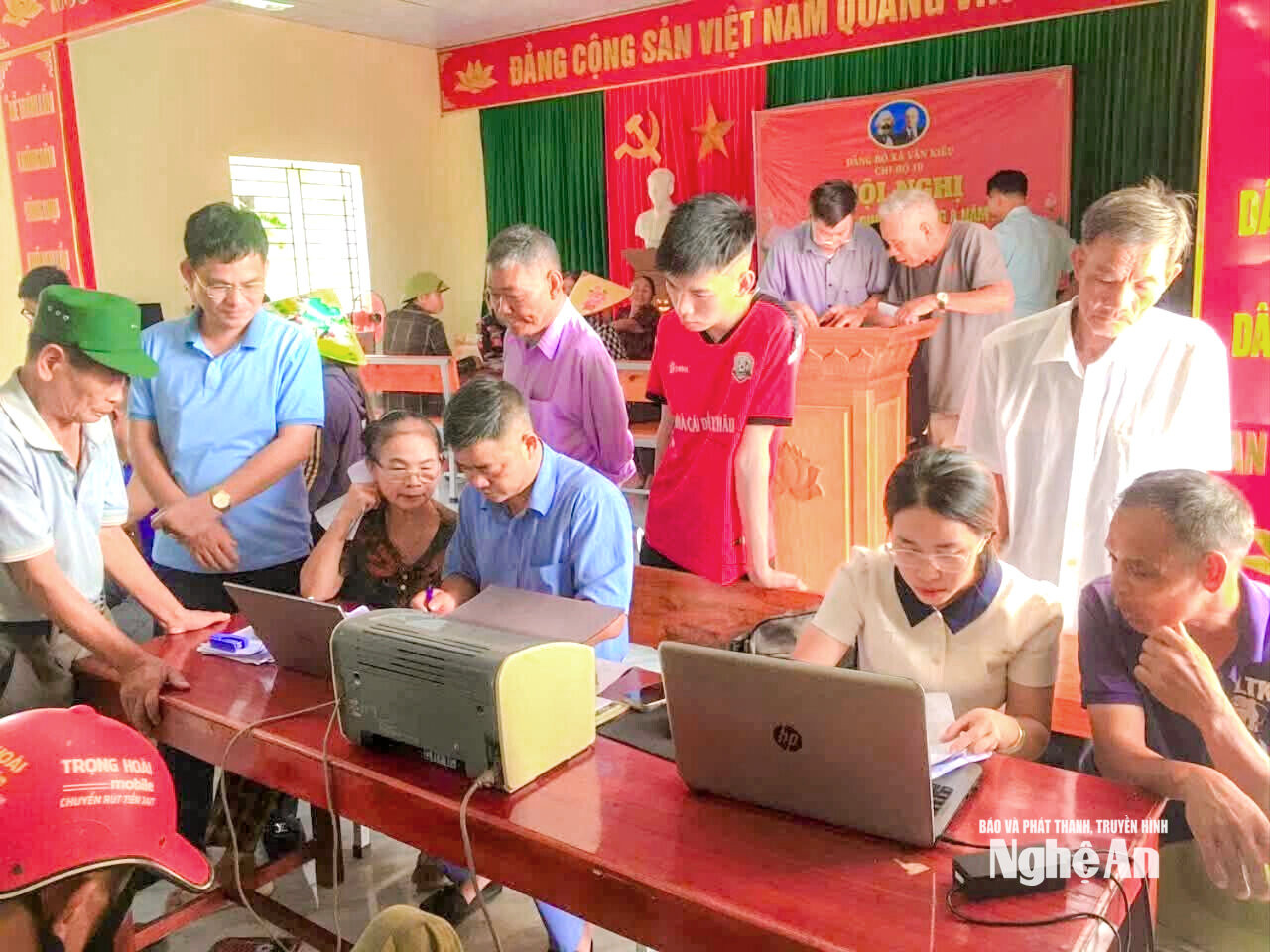
Throughout this journey, the demands placed on leaders are also higher: direct leadership, guidance, supervision, and accountability for results; proactively addressing tasks within their authority, without waiting, shirking responsibility, or avoiding them.
Initial figures show the effectiveness of this approach. The rate of timely processing of applications at the Public Administrative Service Center reached 99.75%. The "Saturday for the People" model continues to be maintained, supporting people in resolving land procedures and using online public services.
These results are a commendable start, but in an area still facing many challenges, the journey to building a digital government, digital economy, and digital society still has much work to be done; the focus is on changing from awareness to habits, from the way officials operate to the way people access services.
.jpg)
And Van Kieu is choosing to start with the smallest things. That means people knowing how to use online public services instead of traveling multiple times; producers knowing how to bring agricultural products to the digital environment; grassroots officials knowing how to work on electronic and data-driven platforms; village heads and Party branch secretaries knowing how to use the internet to connect and disseminate information to the community…
Each small step, each accumulated skill, is creating a new way of doing things.
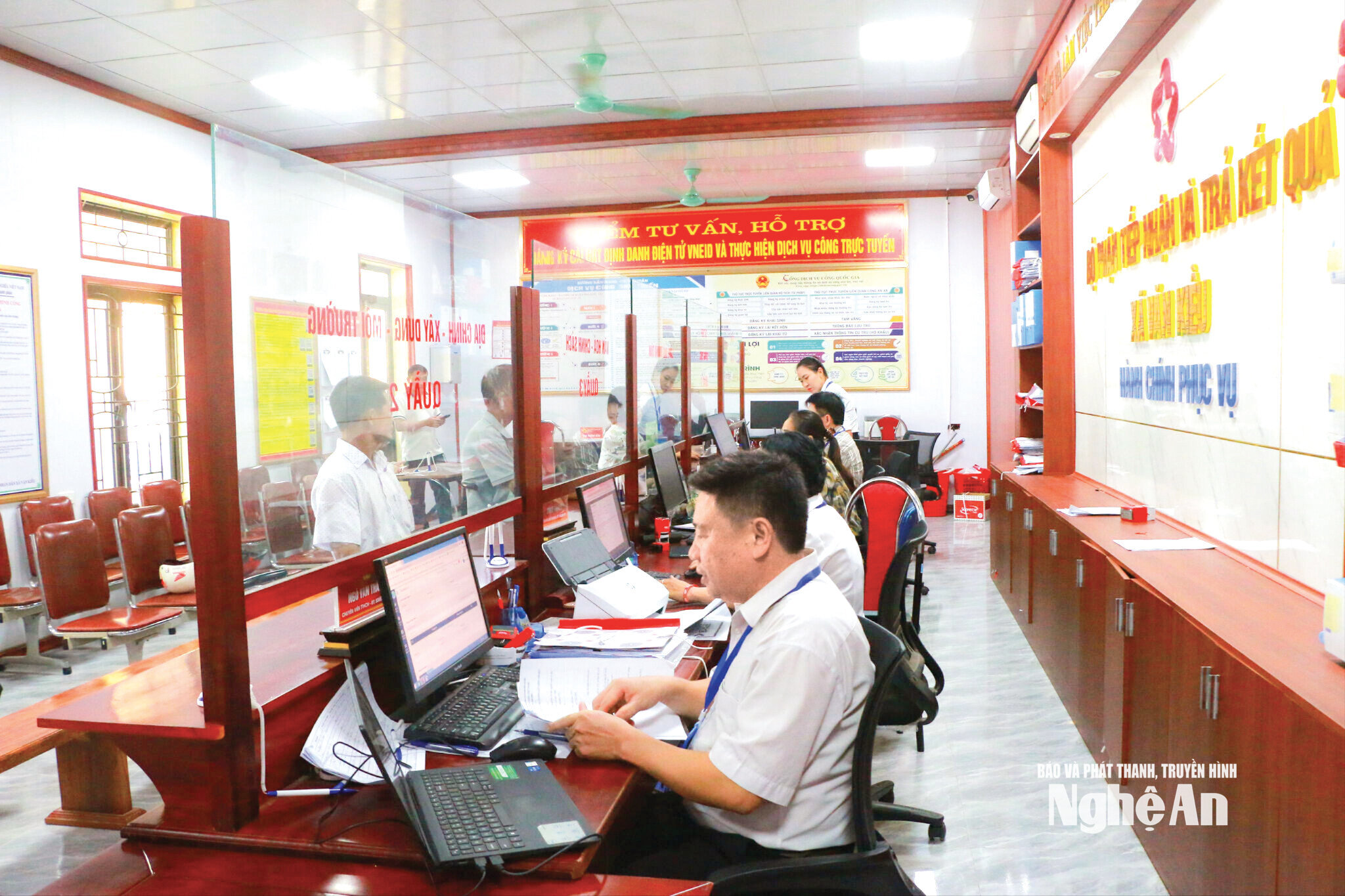
From then on, digital transformation was no longer just a plan, a resolution, or computer software; it was present in the work of officials, in the way the government served the people, in the production stories of each village, and in the daily lives and production activities of the people of Van Kieu.


