
'Now we don't have to worry about getting paperwork done anymore!': The joy of people in the highlands of Nghe An province as they no longer have to 'go down to the district'
From the beginning of July 2025, along with other localities nationwide, mountainous communes in Nghe An province simultaneously implemented a two-tiered local government system. Although there were still some difficulties in the initial stages of implementation, according to observations in the highland communes, ethnic minority people were delighted to have their administrative procedures handled right in the commune, no longer having to travel far or wait for a long time as before.
Getting paperwork done is no longer a worry.
On July 3rd, the Chau Tien Commune Public Administrative Service Center in Nghe An Province was bustling with activity from early morning. People from all over the villages and hamlets came to complete administrative procedures ranging from birth registration and land verification to business registration and certification of documents for overseas employment. Everyone was eager, as many were experiencing such a convenient and accessible administrative system for the first time.
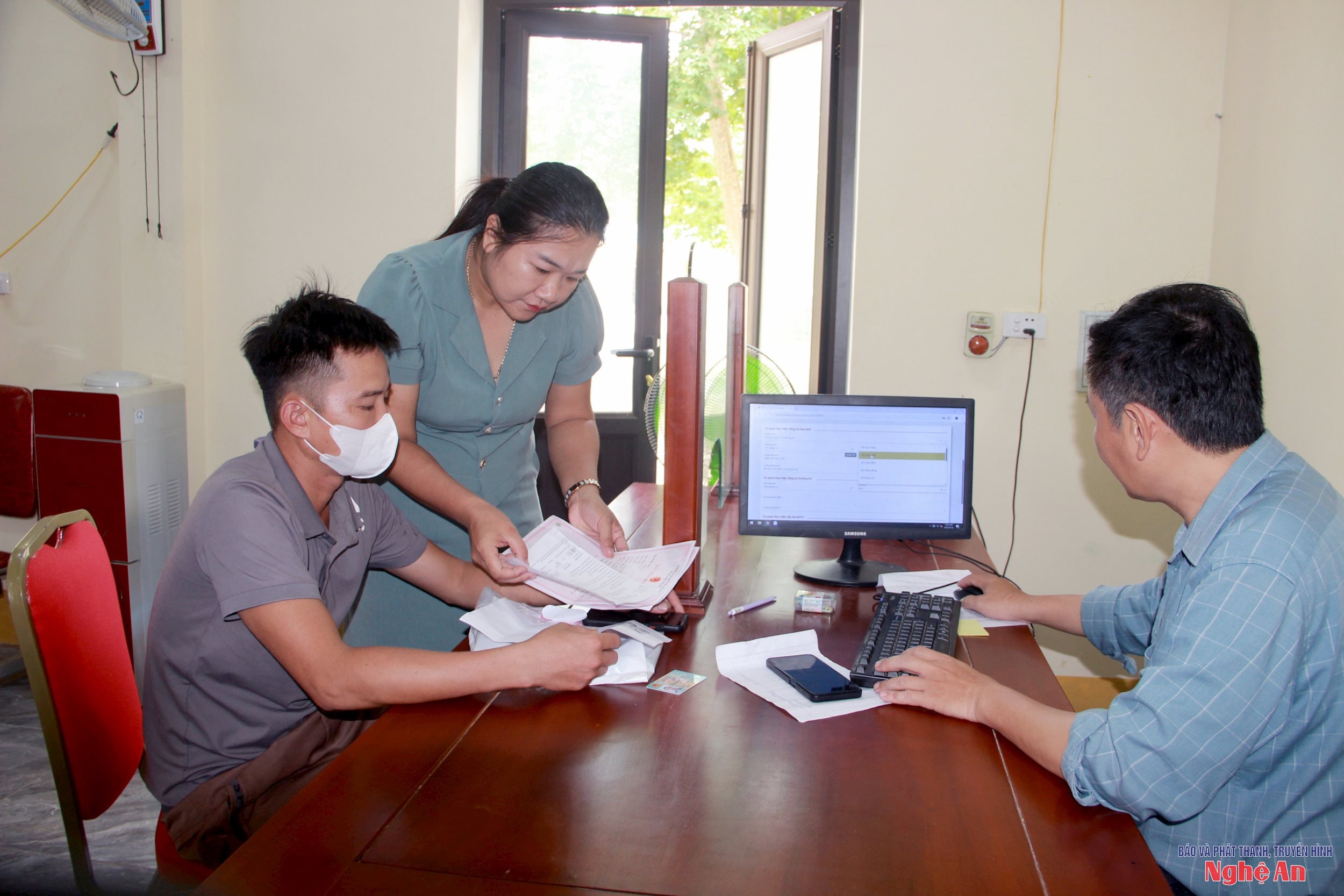
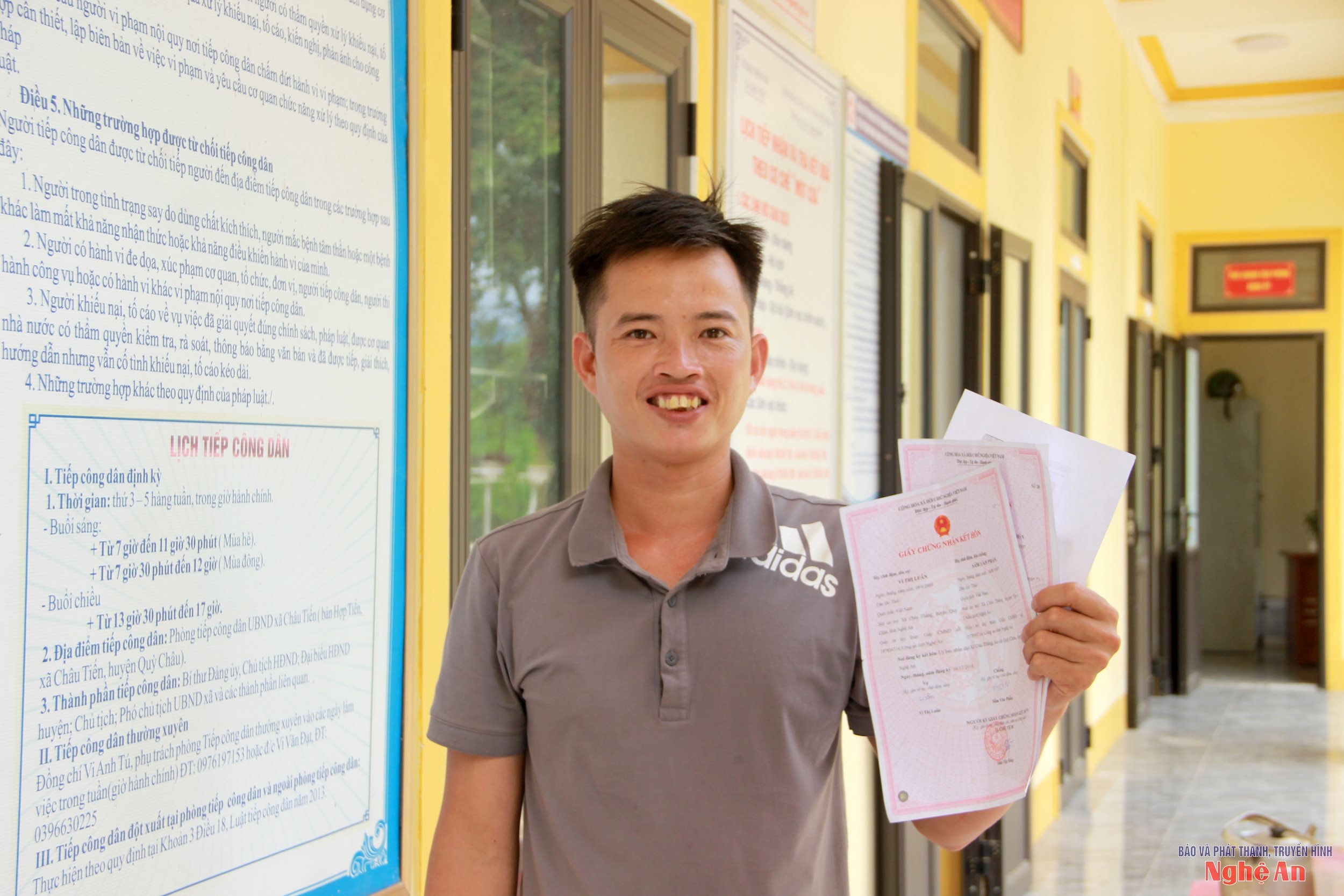
Mr. Sam Van Phan, a Thai ethnic minority resident of Chau Tien commune, took advantage of his leave from work in Ha Tinh to return home to register his child's birth. “I arrived at 10 a.m., quite late, so I thought I would have to wait a long time like usual. But surprisingly, it only took a few dozen minutes. All the paperwork was checked and explained thoroughly by the staff. Anything that wasn't right or complete was immediately corrected. I'm so happy,” Mr. Phan shared.
Ms. Luong Thi Le Na, also from Chau Tien commune, went to complete the procedures for confirming her marital status to finalize her application for overseas employment. After completing the paperwork in less than an hour, she excitedly said: “Before leaving, I was very worried because I rarely go through these procedures and paperwork, and I was afraid of making mistakes and having to go back and forth many times. Unexpectedly, the officials here were both helpful and efficient, so people no longer feel apprehensive like before.” It is known that Ms. Na's house is in the former Chau Binh commune, about 10 km from the Chau Tien commune office. Even so, because her application was processed quickly, she was able to return home that same day.
Chau Tien commune was formed by merging four former communes: Chau Tien, Chau Thang, Chau Binh, and Chau Thuan. With over 18,000 inhabitants, 90% of whom are ethnic minorities, mainly Thai people, the need for access to public administrative services is very high.
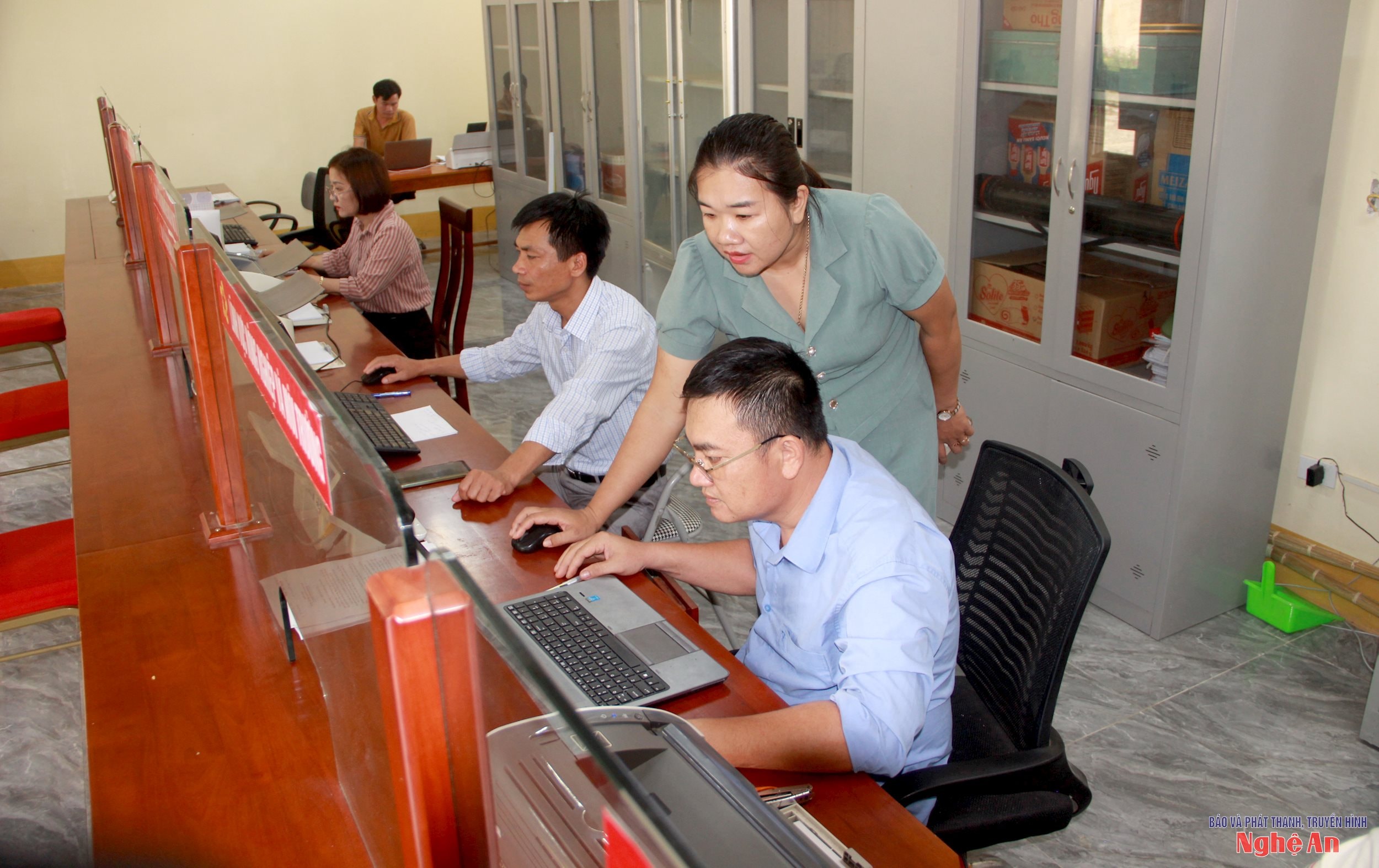
Mr. Nguyen Tien Hung, Chairman of the Chau Tien Commune People's Committee, said: “Right from the time of the merger, we recognized that the new model would lead to an increase in workload, but the officials did not hesitate. Choosing to locate the central office in Chau Tien commune was the most convenient location, within a radius of 8-10km from the old communes, making it easy for people to come and complete procedures. Before operating the two-tiered government, the locality coordinated with VNPT Quy Chau to upgrade the internet connection and assigned appropriate specialized staff to receive and process documents for the people.”
Reportedly, during the first three days of the two-tiered administrative system's operation, the commune center received dozens of citizens each day who came to complete administrative procedures. Many people, especially the elderly, completed their administrative paperwork for the first time without needing their children or grandchildren to accompany them.
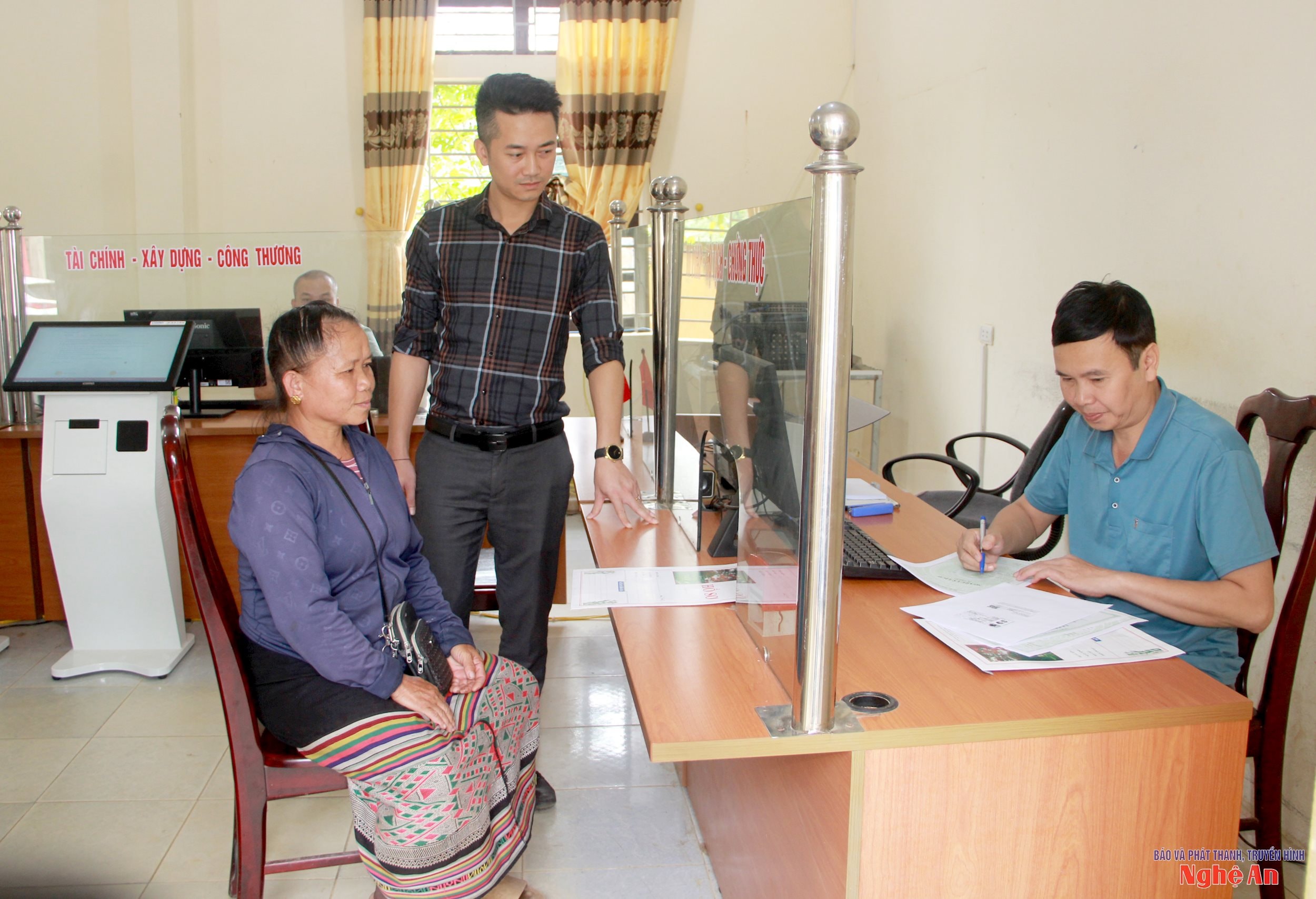
Tri Le commune, a border area of Nghe An province, saw a vibrant and bustling atmosphere during the initial stages of implementing the two-tiered government model. According to observations, the commune's public administrative service center was quite well-equipped, with computers, printers, scanners, an automatic queuing system, and detailed instruction boards, making it easy for people to access and complete procedures.
After being merged from the two former communes of Tri Le and Nam Nhoong, Tri Le commune now has over 14,000 inhabitants, of which over 90% are ethnic minorities such as the Mong, Thai, and Kho Mu. These groups previously faced some obstacles in accessing public services; however, they are now confident in handling administrative documents and procedures.
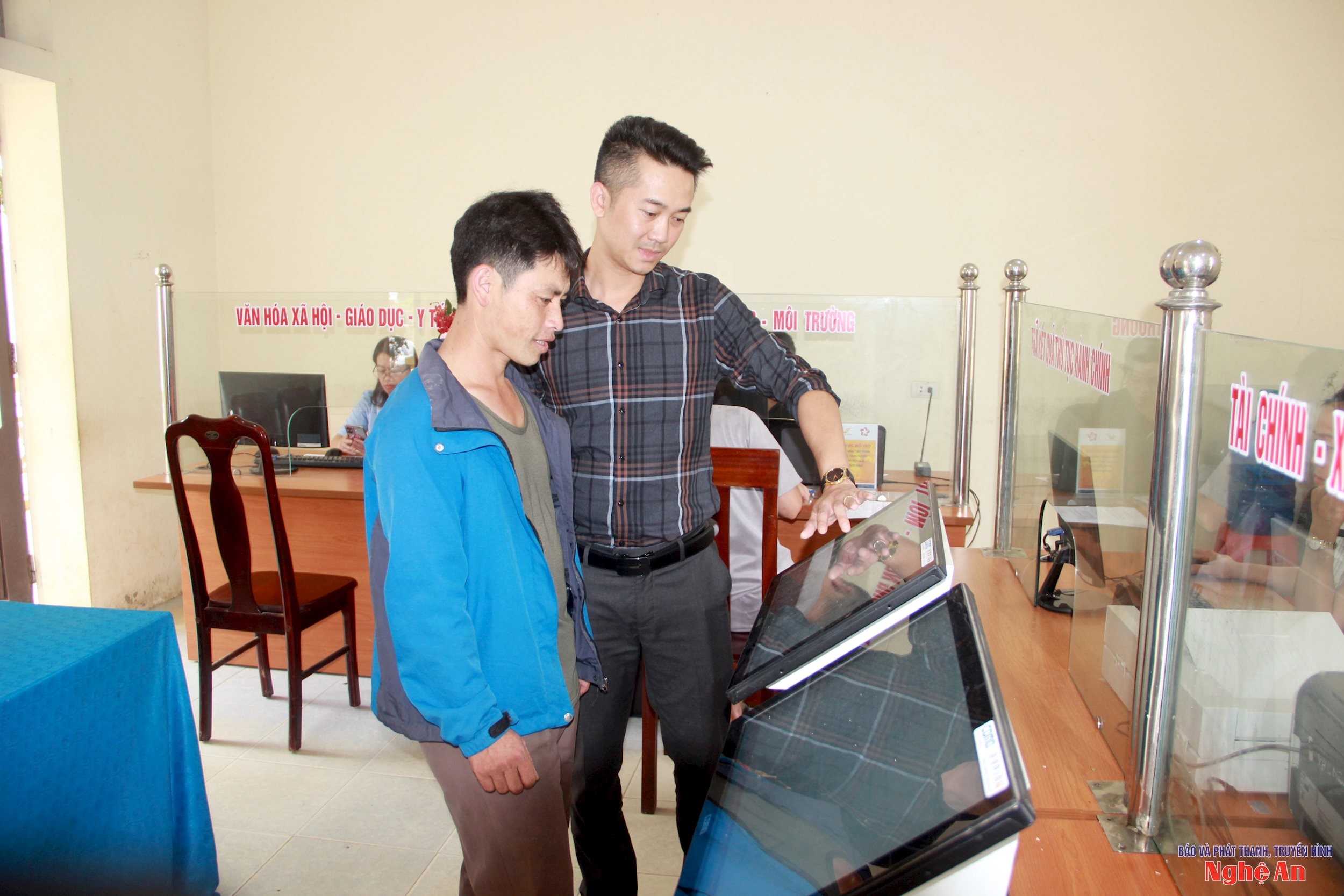
On July 3rd, Ms. Luong Thi Huyen (born in 1969), residing in Na Lanh village, brought her granddaughter to the commune's People's Committee office to complete and certify documents for an upcoming job application at a company. After receiving attentive guidance from the commune officials, she happily recounted: "I'm not very literate, but here, the staff guided me step by step, helped me write the application, and checked the documents. Everything was done in less than an hour. Now I'm not afraid of doing paperwork anymore!"

Mr. and Mrs. Ba Mai, residents of Muong Long village, happily shared their experience after traveling nearly 26km by motorbike to the commune's People's Committee office to have their documents certified. "It's a long journey, but getting documents done is so much easier now. Before, we had to go to the district, traveling from morning till night, and queuing in crowded lines. Now, we can get it done right away at the commune office; the officials are welcoming and answer all our questions clearly."
Overcoming language barriers
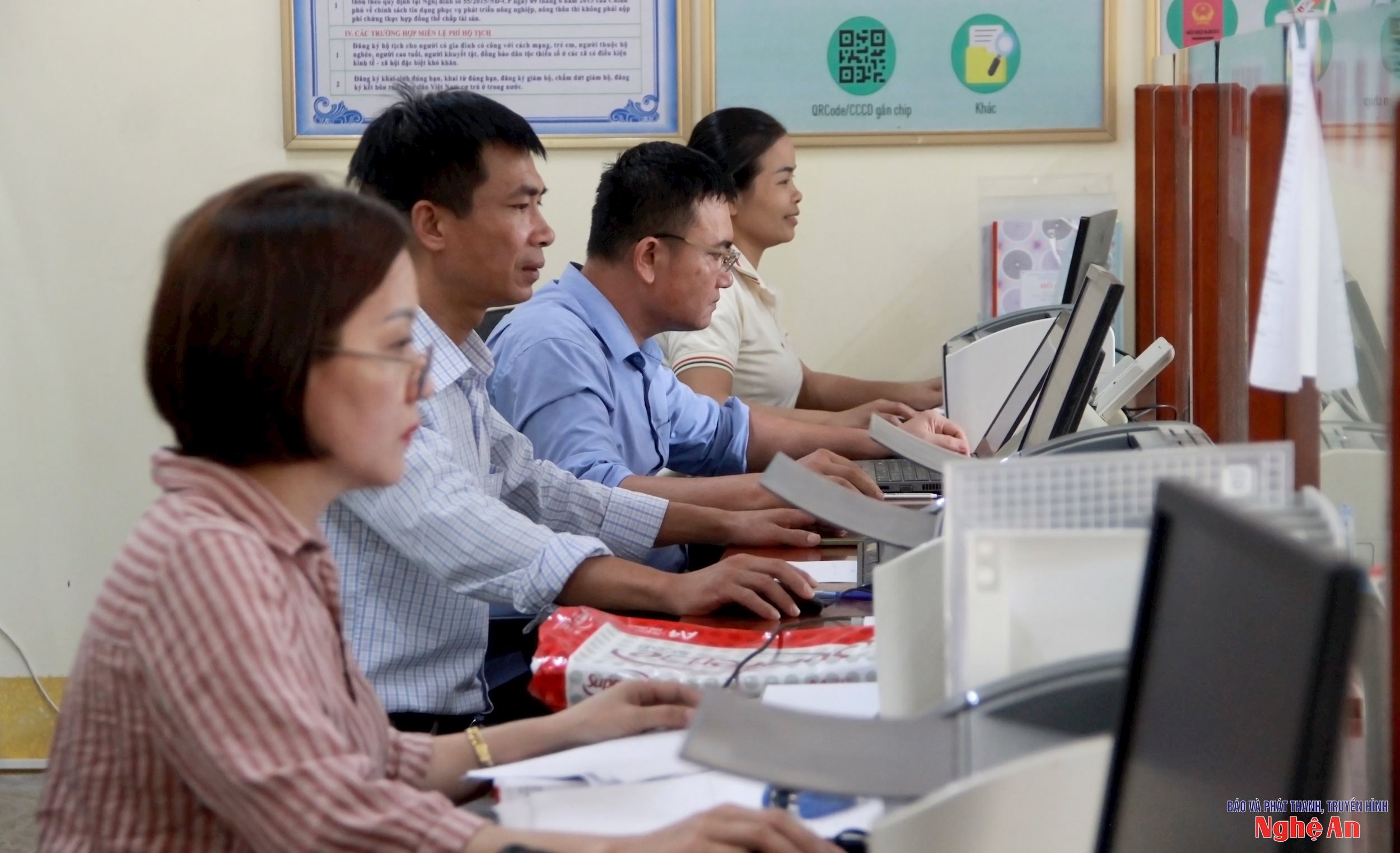
Mr. Nguyen Tien Hung, Chairman of the Chau Tien Commune People's Committee, added: "A unique characteristic of the highlands is the lifestyle and production habits of the people. Early in the morning, from 6 to 10 a.m., people usually go to work in the fields, and only return to the commune office around 10 a.m. to complete procedures. Sometimes, there are few people in the morning, but then a rush at noon, increasing the workload outside of regular working hours. Despite this, the commune still assigns officials to receive and process people's applications outside of regular working hours, so that people don't return empty-handed."
In Tri Le commune, to overcome the language barrier after the commune merger, the local authorities established a rapid response team of 12 members, including local officials who understand the Mong, Thai, and Khmu languages, making it easier to communicate and understand the needs of the people when they come to complete procedures.
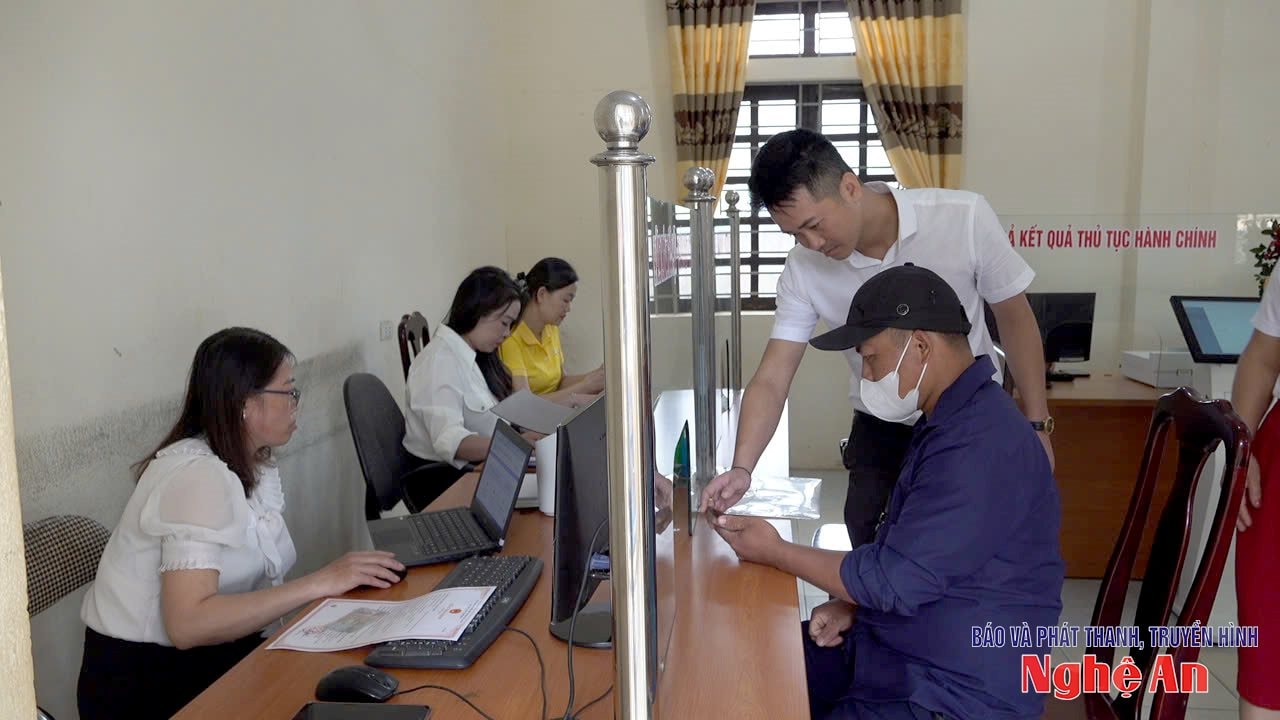
Mr. Lu Thanh Long, Vice Chairman of the People's Committee and Director of the Public Administration Center of Tri Le Commune, said: "Due to the limited education level of the people in the highlands, some difficulties arose in the early days of implementing the two-tiered government system. People came to the commune without their citizen identification cards, some without phones, or without having their electronic identification on the VNeID application. Some people filled out applications incorrectly or submitted procedures outside of working hours... But the local officials were always on duty to help wholeheartedly and without hesitation."
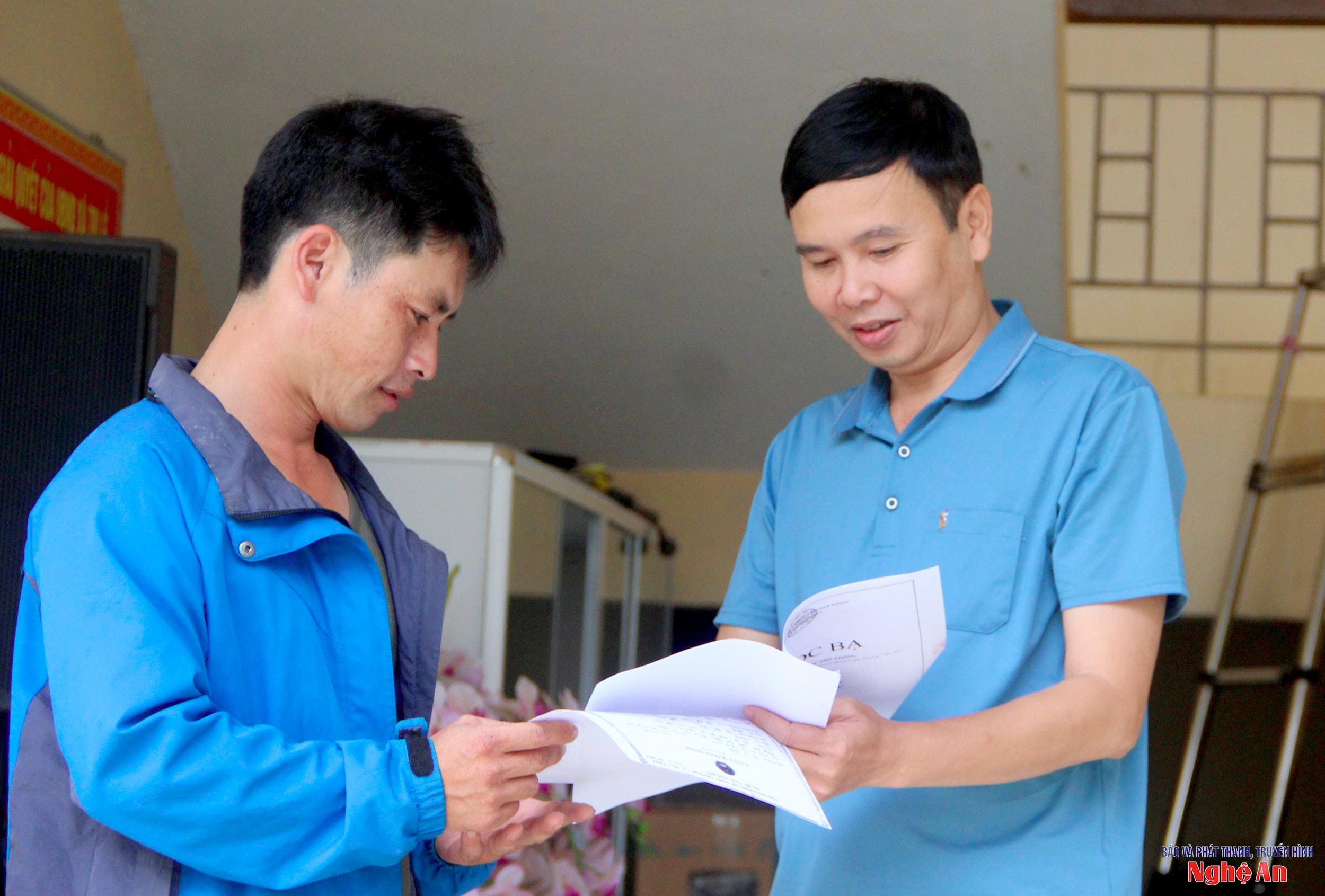
It is evident that the implementation of a two-tiered government system nationwide, and particularly in the mountainous communes of Nghe An province, has initially yielded positive results. Documents are received and processed on-site, saving people time and travel costs, and significantly eliminating the feeling of reluctance to approach administrative procedures. Despite certain challenges regarding infrastructure, human resources, technology, and lifestyle habits, the proactive and flexible approach of the government, coupled with the active cooperation of the people, is creating tangible changes, marking the beginning of a more people-oriented and people-centered public administration in the highlands of Nghe An.


