
Keep your baby warm properly.
While in the womb, a baby's body temperature remains stable, but immediately after birth, they lose heat due to the lower ambient temperature, especially in cold weather. Since their bodies are still weak, their ability to regulate body temperature is not yet well-developed, and their immune system is poor, they are very susceptible to illness. Therefore, newborns need to be kept warm properly.
Breastfeed your baby immediately after birth.
Breastfeeding adequately is also an effective way to keep babies warm. Immediately after birth, babies should be kept close to their mothers and breastfed as soon as possible. Breast milk helps babies maintain their body temperature and fight infections, boosting their immunity. All mothers should breastfeed on demand. Mother and baby should always be close to each other to make it easier to breastfeed whenever the baby needs it and to keep them warm.
Change your baby's diapers regularly.
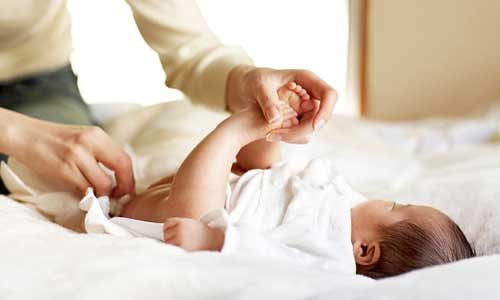 |
The baby's room should be warm, well-lit, well-ventilated, and free from drafts. Dress the baby in warm clothes, a soft cloth hat that covers the ears, and mittens and socks. Regularly check the baby's hands and feet; if they feel cold, add more clothes, blankets, hold the baby close, and breastfeed. Skin-to-skin contact is also a way to keep the baby warm, especially for premature babies, babies with hypothermia, or when you need to take the baby outside in cold weather.
Do not wrap the baby too tightly in thick blankets or overuse heaters, as this can cause the baby to overheat. Absolutely do not use charcoal braziers or honeycomb charcoal stoves in enclosed rooms to heat mothers and newborns, as this can easily lead to carbon monoxide poisoning, which can be fatal.
Cleanse the skin thoroughly.
Caring for newborns in cold weather requires ensuring they are kept warm to prevent respiratory illnesses, but it's also crucial to regularly clean their skin. If the baby's skin isn't kept clean and breathable, its metabolic processes are restricted, making it prone to diaper rash and dermatitis. Overly tight umbilical cord dressing creates a favorable environment for bacteria to cause umbilical cord infections and delay cord detachment.
Keep the baby warm enough.
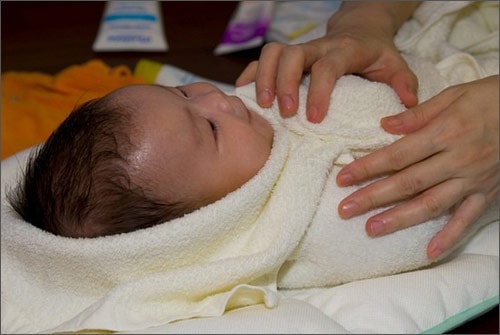 |
On cold days, it's important to quickly wash and bathe your baby with warm water and keep them warm immediately after bathing to prevent them from catching a cold. If possible, use a heater, but be sure to follow the instructions and maintain a safe distance from the baby's bathing area. If the weather is very cold, it's not necessary to bathe your baby every day; 2-3 times a week is sufficient. However, daily hygiene is important in areas with skin folds such as the knees, elbows, neck, armpits, and anal and genital areas, using warm water. Newborns often have frequent bowel movements and urination, especially at night. Each time your baby urinates or defecates, change their diaper immediately, clean away the feces and urine with warm water, dry them, wrap them in a diaper, and keep them warm.
According to Health and Life


