
Preserve your home, spread love.
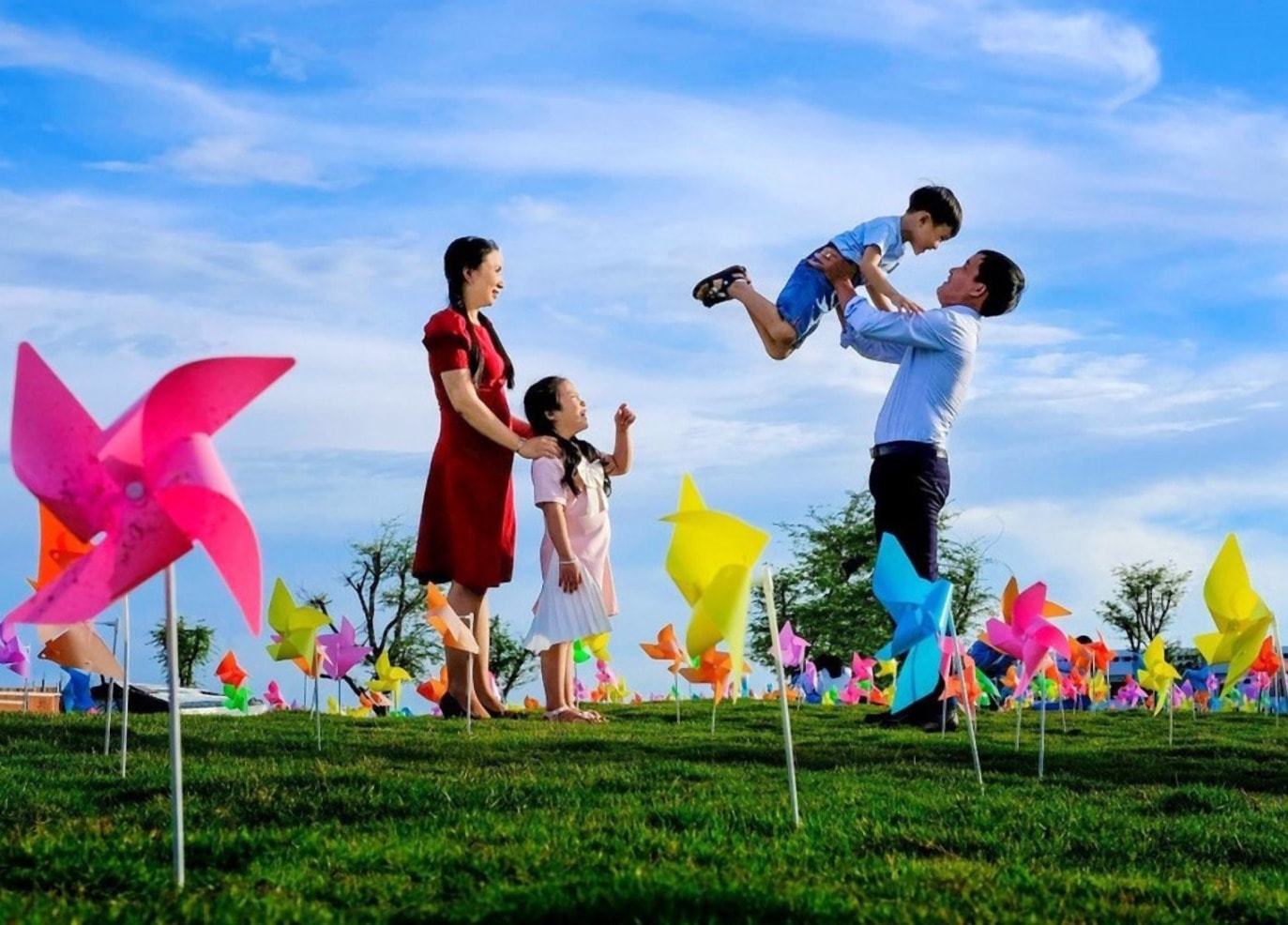
Vietnamese Family Day (June 28th) is an occasion for each person in the family to reflect on themselves, nurture family bonds, and fill their lives with love. In 2025, Vietnamese Family Day will be celebrated with the theme "Happy Family – Prosperous Nation".
Nghe An Newspaper had an interview with Ms. Quach Thi Cuong, Deputy Director of the Department of Culture, Sports and Tourism, about the results, concerns, and future directions in the work of building cultured families in the province.
PV: Madam, many people refer to Vietnamese Family Day as a more "symbolic" milestone than a meaningful one. How do you view the true significance of this day, especially in the context of today's society with many changes in lifestyles and family relationships?
Ms. Quách Thị Cường:For over two decades, the Government decided to designate June 28th as Vietnam Family Day – a milestone reminding each of us of our role and responsibility in nurturing family happiness. In my opinion, this is a day of profound significance. Through generations, the Vietnamese family has always been the place where core values are preserved and passed down, such as love for one's homeland, national pride, tolerance, filial piety, and unwavering determination to overcome challenges. It is within the family home that these qualities are nurtured and cultivated, creating the unique cultural identity of our nation. Despite societal changes, I still believe that the core function of the family – the foundation for shaping character, morality, and life ideals – will never change.
This year, Vietnamese Family Day continues with the theme "Happy Family – Prosperous Nation." This seemingly simple slogan contains a profound message: the family is the cell of society, the foundation for a strong nation. A nation cannot prosper if individual families are dilapidated and lacking in love. Conversely, when each home truly nurtures happiness, love, and responsibility, then society will develop sustainably, becoming more humane and equitable.
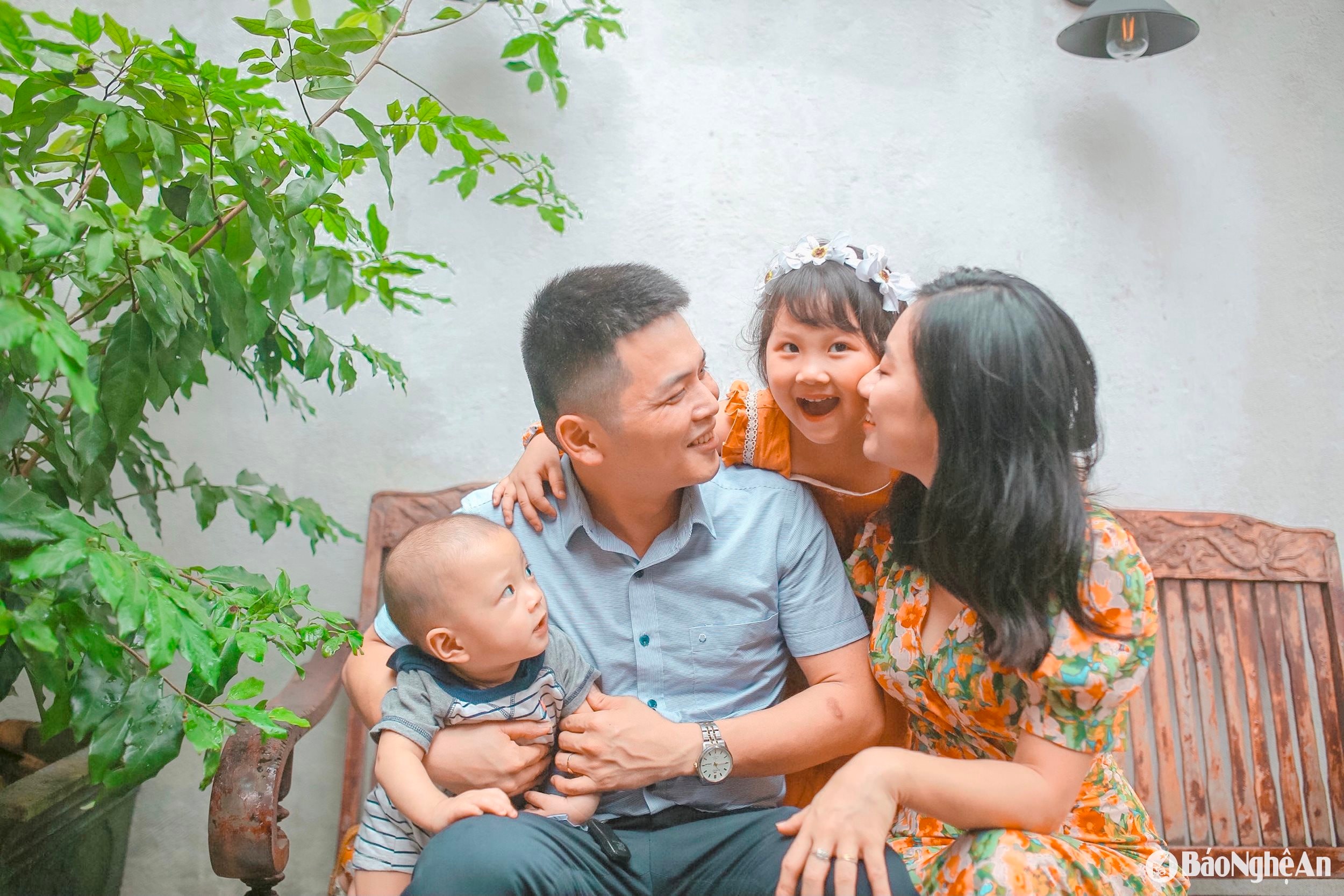
In Nghe An – a land rich in historical and cultural traditions – family affairs have always received special attention. In particular, Resolution No. 05 of the Provincial Party Committee, issued in 2016, clearly demonstrates the determination to build cultured individuals and families in Nghe An – meeting the requirements of development and integration.
I feel proud to witness many families and clans in this land together preserving and promoting traditional values: "Remembering the source when drinking water," "Respecting elders, yielding to juniors," nurturing love and mutual support through generations. It is from this solid foundation that happy and progressive families have been contributing to building a more developed, culturally rich, and sustainable Nghe An province in the future.
PV: To maintain a harmonious family life in the modern era, it certainly requires many policies and support from the State. In Nghe An, could you share some of the outstanding achievements in building culturally exemplary families in recent times?
Ms. Quách Thị Cường:Over the years, in its role as the permanent agency for family affairs,Department of Culture, Sports and TourismWe have closely coordinated with various sectors and localities to promote communication about building happy families through mass media, spreading messages of love, sharing, and bonding among family members. In particular, each time we launch movements such as "Families with 5 No's and 3 Cleanliness Standards," "Learning Families," and "Learning Clans," it's an opportunity to encourage people to learn, cultivate diligence, a love of learning, and to cherish family values.
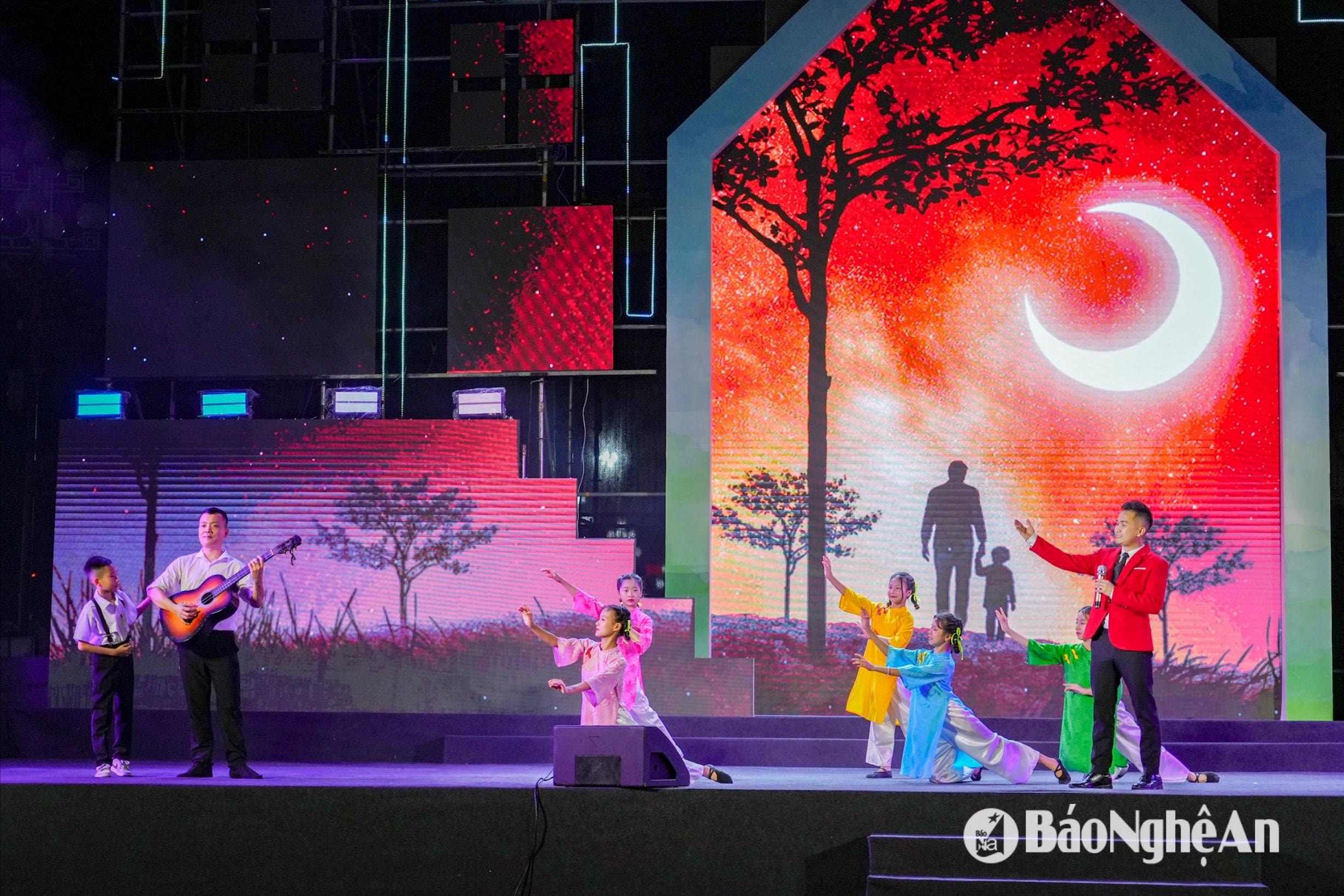
Besides communication efforts, we also focus on organizing many rich and practical activities such as: writing competitions on the theme of family, cultural and artistic competitions among families, thematic seminars on parenting skills, caring for the elderly, etc. These are not only healthy playgrounds, but also forums for families to meet, interact, and exchange experiences, thereby contributing to spreading the beautiful values of Nghe An's family traditions.
At the grassroots level, localities in the province have proactively integrated family-related work into patriotic emulation movements and programs for building new rural areas and civilized urban areas. As a result, many models of culturally exemplary families have emerged and developed extensively in villages and hamlets. The province currently has hundreds of such effective models, along with over 1,000 clubs and community groups actively participating in family building efforts. In particular, thousands of hotlines and reliable addresses have been established at the grassroots level, contributing to the timely reception and handling of cases requiring assistance. Thanks to this coordinated effort, awareness of preventing and responding to domestic violence has been increasingly enhanced, contributing to a significant reduction in violations within family life. By the end of 2024, the province had 737,186 out of 851,151 households recognized as culturally exemplary families – achieving a rate of 87%.
PV: In the context of integration and development, Vietnamese families also face many challenges. In your opinion, besides the achievements mentioned above, what are some notable limitations and shortcomings in family work in Nghe An?
Ms. Quách Thị Cường:We need to recognize an important fact: "The more modern family values become, the more they need to be built on a foundation of tradition." This is not a contradiction, but rather a complementarity. It is encouraging that the quality of life for people is improving, but this is accompanied by the emergence of new challenges in family life. I observe that today's younger generation is easily drawn to individualistic lifestyles, lacking connection with their families. Many traditional moral values such as filial piety, respect for grandparents and parents, and fidelity in marriage are showing signs of decline. Furthermore, some families are neglecting their children's education, leading them to fall into unhealthy urban life. Conflicts between generations, and between parents and children, are therefore becoming increasingly common – and this is a reality present in many families in Nghe An.
Another issue that we are particularly concerned about is the situationdomestic violenceAnd social evils are infiltrating the very cells of society. In fact, in recent times, public opinion has been shocked many times by cases of child abuse and violence against women right in their own homes. This is not only the pain of individual families, but also a shared concern of the entire society.
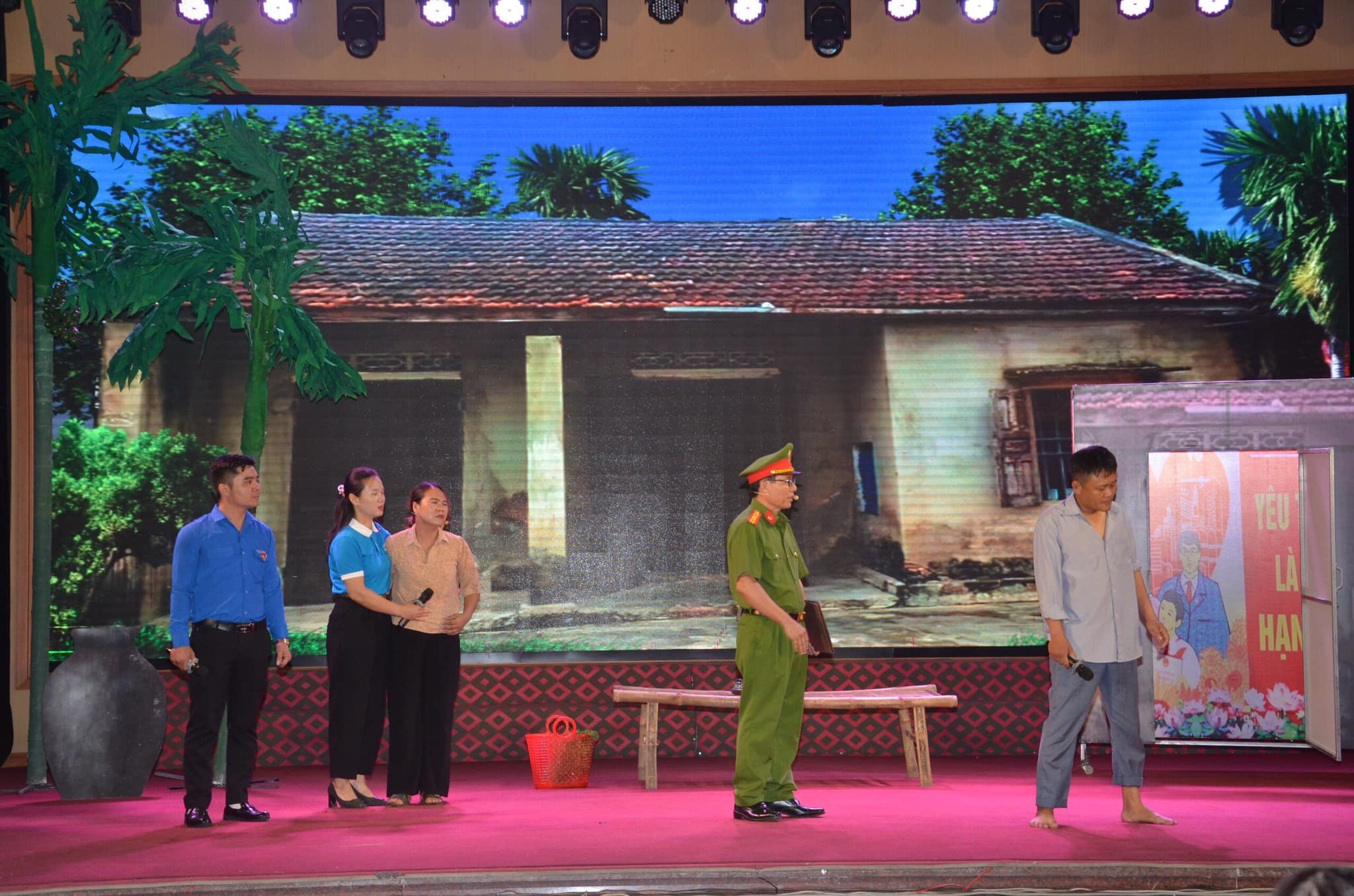
The causes are both objective and subjective: from limited legal awareness regarding family matters among some people to insufficient resources for preventing domestic violence at the grassroots level – a lack of dedicated staff, funding, and timely information. On the part of the management agencies, we have made efforts to implement many solutions, but we cannot comprehensively address and handle every situation promptly. Detecting, intervening in, and resolving domestic violence cases at their root still faces many obstacles.
We have achieved many positive results, but clearly there is still much work to be done. From building a culture of proper conduct within families to preventing and addressing deviant behaviors, all require the joint efforts of the entire society. Only then can we realize the grand goal set by the Party and the State: "Peaceful families – happy society."
Ms. Quach Thi Cuong – Deputy Director of the Department of Culture, Sports and Tourism
PV: Could you please tell us what tasks and solutions the Department and local authorities will focus on in the coming period to further promote family-related work, both building cultured families and preventing domestic violence?
Ms. Quách Thị Cường:First and foremost, we will continue to strengthen our communication efforts across all media channels – from traditional newspapers to the internet and social media – to raise public awareness of the important role of the family in social life. Specifically, the Department will coordinate and implement activities on occasions such as International Happiness Day (March 20), International Family Day (May 15), especially Vietnamese Family Day (June 28) and the Month of Action for Gender Equality and Prevention of Domestic Violence. Through these activities, people will also gain a better understanding of relevant policies and legal regulations such as the Law on Prevention and Control of Domestic Violence, the Law on Gender Equality, and the Law on Children…
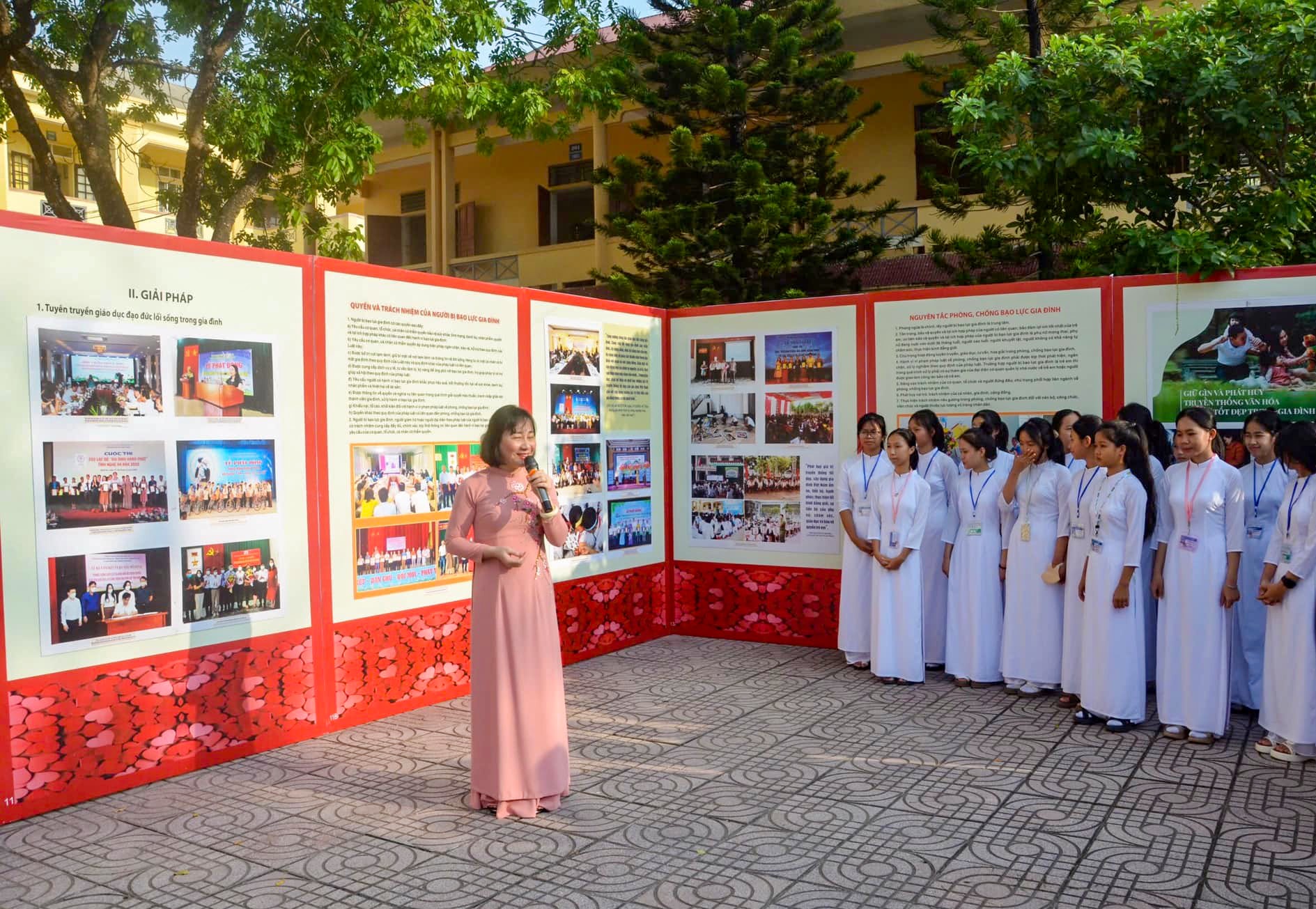
Alongside media campaigns, we will continue to promote movements to build culturally refined families. Simultaneously, the prevention and control of domestic violence will be emphasized by expanding models that combine moral education and violence prevention. We call for the establishment of more peer groups and clubs for women and those in difficult circumstances – providing them with places to connect, protect themselves, and share their life's challenges.
In addition, every year, the organization recognizes and rewards exemplary families – whether it's a compassionate couple, a family dedicated to education, or a lineage that has preserved traditional values for generations. These shining examples contribute to spreading positive energy in the community, reminding everyone that "love and sharing" are always core values cherished by society.
Above all, I believe that each individual also needs to raise their own awareness. No matter how practical a program or movement is, if each family member doesn't truly change from within, the effect will only be superficial. I often remind my own family that parents and children alike must learn to "respect, treat each other equally, love, and share." When these values are nurtured within each home, they form a solid foundation for spreading throughout society. And from there, we can realize the great aspiration of "Happy Families - Prosperous Nation."
Interviewer: Thank you for the interview!


