
Preserving the spirit of Vietnamese Tet amidst modern life.
To gain more diverse perspectives on Tet in Nghe An province within the context of modern life, and to suggest approaches to preserving and continuing the core values of traditional Tet amidst the inevitable changes of the times, Nghe An Newspaper and Radio & Television conducted interviews with two individuals: researcher Dao Tam Tinh and Ms. Nguyen Thi Huyen Thuong, a member of the Executive Committee of the Vietnam Student Association of Nghe An province.
.png)
Thanh Quynh(Perform) /Present:Hong Toai• January 25, 2026
*****
To gain more diverse perspectives on Tet in Nghe An province within the context of modern life, and to suggest approaches to preserving and continuing the core values of traditional Tet amidst the inevitable changes of the times, Nghe An Newspaper and Radio & Television conducted interviews with two individuals: researcher Dao Tam Tinh and Ms. Nguyen Thi Huyen Thuong, a member of the Executive Committee of the Vietnam Student Association of Nghe An province.
Researcher Dao Tam Tinh - currently Vice President of the Nghe An Folk Arts Association, Vice President of the Lam River Ancient Cultural Heritage Branch ( thuộc the Vietnam Cultural Heritage Association). Student Nguyen Thi Huyen Thuong is a member of the Executive Committee of the Vietnam Student Association of Nghe An province, the only representative from Nghe An to receive the "January Star" Award from the Central Youth Union in 2025.
Researcher Dao Tam Tinh:First and foremost, it must be affirmed that the Vietnamese Tet holiday is not simply a time of year, but a synthesis of core values such as family reunion, filial piety towards ancestors, community spirit, and a humanistic and sharing spirit that has been nurtured over many generations. These values have become deeply ingrained in the spiritual life of the Vietnamese people, becoming a way of life and a lasting cultural identity.
In reality, in many families, especially in rural areas like Nghe An province, these traditional values are still being preserved through familiar Tet practices such as intergenerational gatherings, visiting and showing gratitude to grandparents and parents, strengthening family and neighborhood bonds, and maintaining affectionate relationships. This is the cultural space where Tet values are naturally and enduringly continued.
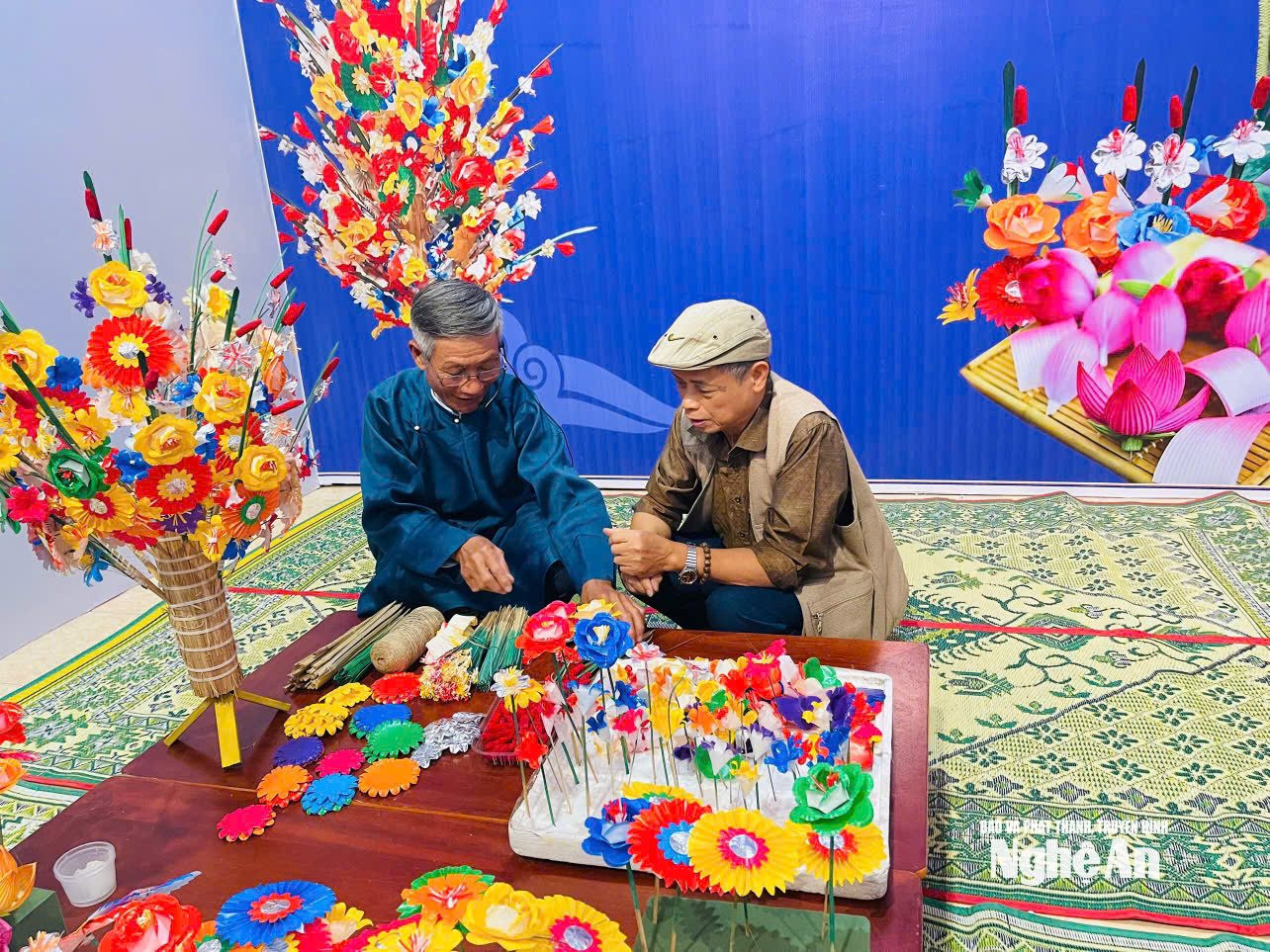
As times change and life becomes more prosperous, people have the means to celebrate Tet (Lunar New Year) in a more complete and convenient way. However, this does not mean that Tet has lost its core values.
Although the formal and material aspects of Tet (Vietnamese New Year) celebrations are currently on the rise, in my opinion, this is primarily a natural consequence of socio-economic development and an increasingly higher standard of living, and can be seen as a "new feature" of Tet in the current context. These elements reflect the living conditions and ways people enjoy life in modern times, but they are not the identity or core values that constitute the cultural significance of Tet.
Student Nguyen Thi Huyen Thuong:I believe that the core spiritual values of Tet are still being preserved, especially among young people. From understanding the thoughts and aspirations of students, it is clear that the desire to return home to reunite with family during Tet remains a common and very evident need.
Driven by strong bonds with family and hometowns, many young people proactively spread the spirit of sharing through volunteer activities and social welfare initiatives such as "Sharing Tet," caring for the poor and disadvantaged children during the Lunar New Year. At the same time, they actively participate in movements promoting the wearing of traditional ao dai (Vietnamese long dress), contributing to preserving and spreading the image of traditional Tet in a way that is appropriate for modern life.
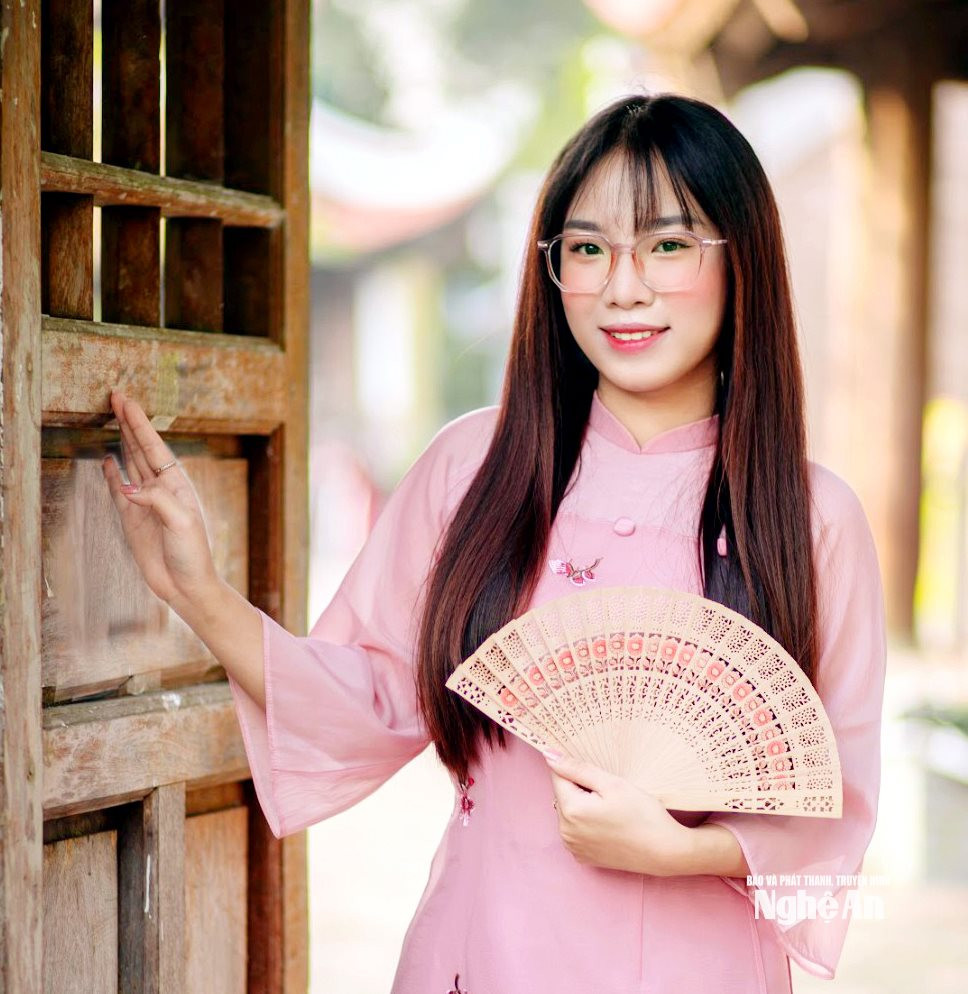
For young people, the process of both cherishing traditional spiritual values and embracing new elements of the modern era can be seen as an expression of "integration without assimilation" in Tet culture. Despite living in a fast-paced, modern life, most young people remain conscious of preserving the "spirit of Tet"—the warmth of family affection, reunion, and connection among family members and in the community where they live.
.png)
PV:From a cultural research perspective, within the broader value system of Vietnamese Tet (Lunar New Year), what are the distinctive characteristics of Tet in Nghe An province? In contemporary life, how are these distinctive features being preserved, continued, or are they undergoing transformation?
Researcher Dao Tam Tinh:The Tet holiday in Nghe An province is inseparable from universal values such as family reunion, filial piety, and gratitude to ancestors, but it also has its own unique characteristics that have been formed and nurtured through the long history of a land that has faced many hardships.
The harsh natural conditions and frugal lifestyle have fostered a thrifty, simple, and unpretentious way of life, making Tet in Nghe An province more about warmth and togetherness than outward displays of affection.
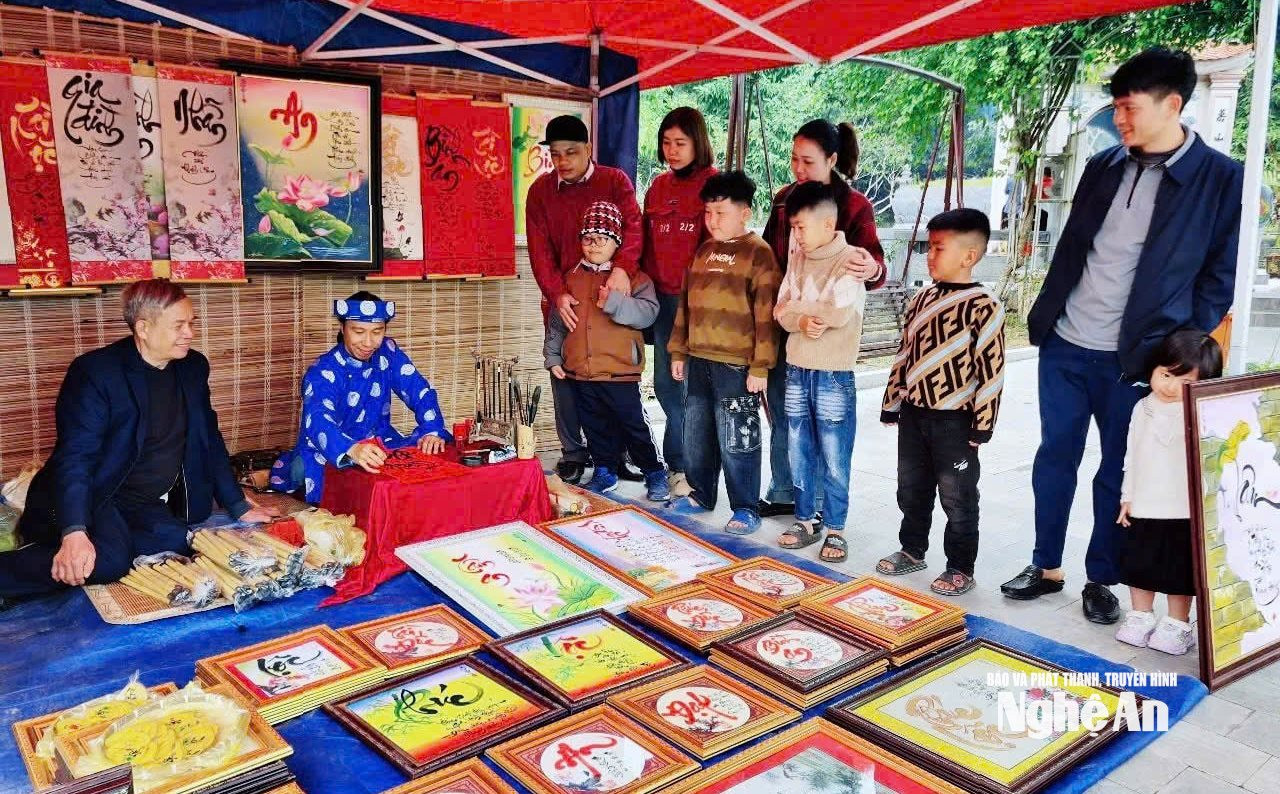
Furthermore, Nghe An is a land with a long-standing tradition of valuing education and respecting teachers. During Tet (Lunar New Year), the teacher-student relationship is especially important, as evidenced by the custom of visiting and wishing former teachers a Happy New Year as a way of showing gratitude to those who have contributed to guiding and nurturing the character and knowledge of generations. This is a unique cultural feature, reflecting the profound humanistic values of Tet in Nghe An, where "learning to be a good person" is placed on par with learning to read and write.
A prominent characteristic of Tet in Nghe An province is the deep emphasis on kinship ties. The first days of the year are not only a time for family reunions, but also a time for descendants to practice filial piety by visiting and showing respect to grandparents and parents, remembering ancestors, and participating in family rituals. This helps maintain family order, strengthen blood ties, and foster a sense of origin.
In today's life, these values are no longer practiced in their original form, but their essence is still preserved and continued; the form may change, but the cultural content and core meaning remain.
PV:Should we accept "new versions of Tet" such as "simplified Tet," "travel-oriented Tet," "digitalized Tet," etc., as an inevitable trend?
Researcher Dao Tam Tinh:"Simple Tet" or "Tet for tourism" cannot be considered an inevitable trend in the sense of replacing the traditional Tet. Rather, they are manifestations of changes arising from the dynamics of modern society, from economic and scientific-technological development, and especially from the needs and lifestyles of today's youth.
In the face of changing lifestyles, when children and grandchildren have a need for experiences, spring excursions, exploring scenic spots, or resting after a year of stressful studying and working, families also need to share and adjust accordingly. In fact, if properly guided, spring excursions and visits to historical sites and cultural landmarks in the early days of the year can even become a form of education, helping children and grandchildren broaden their understanding and cultivate knowledge about the nation's history and culture. In this way, the new does not oppose the old, but complements each other, contributing to the continued preservation and spread of the traditional Tet holiday in a modern context.
Of course, if there is a balance, and descendants show concern for family and ancestors before participating in spring outings and travel, then innovation will become a complementary element rather than losing the essence of traditional Tet.
The older members of the family also need to change their perspective: while maintaining their role in educating and guiding their children and grandchildren according to traditional values, they also need to be understanding, empathetic, and create conditions for the younger generation to have their legitimate needs met in the modern era. In my family, Tet is still preserved according to the old customs, but when the children and grandchildren want to travel and experience new things, we still facilitate it, as long as it does not lose the basic rituals and meaning of Tet.
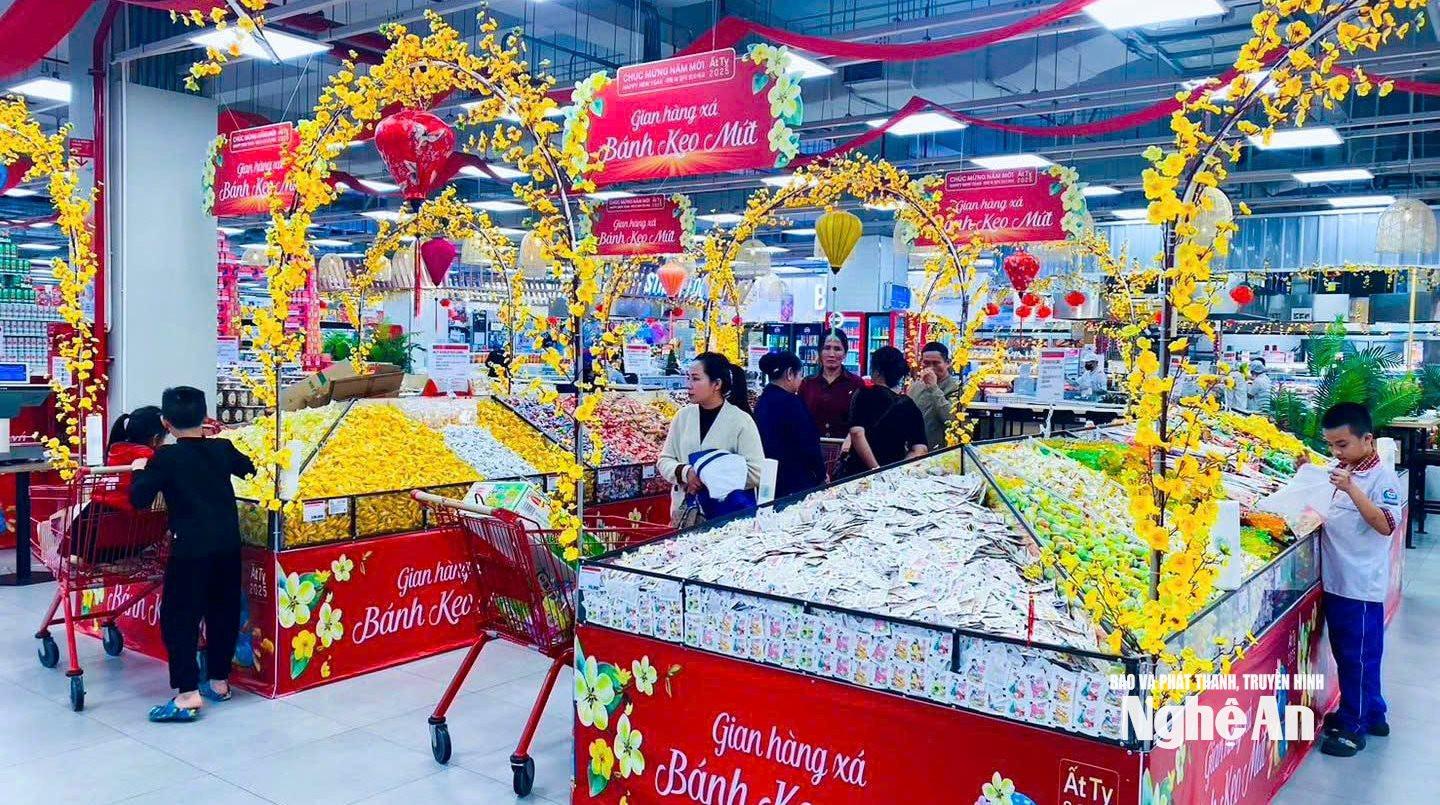
Student Nguyen Thi Huyen Thuong:From a young person's perspective, I believe that these "new versions of Tet" shouldn't be seen as a deviation from traditional Tet customs – but rather as a way for the younger generation to adapt to modern life. With time becoming scarce and academic and work pressures increasing, the need for a simpler, more flexible Tet celebration is a practical choice.
However, the difference among young people lies not in "shortening" Tet, but in rearranging their priorities. Many young people still value the moment of returning home and spending time with family, but at the same time, they desire new experiences such as spring outings, travel, or connecting through digital spaces. For them, this is not a replacement for traditional Tet, but a way to expand the enjoyment of Tet.
I believe the issue isn't about accepting or rejecting "new versions of Tet," but rather how we orient ourselves and make choices. When young people understand the irreplaceable values and actively preserve them in new forms of celebrating Tet, then these changes won't diminish Tet; on the contrary, they will help Tet continue to be vibrantly present in contemporary life.
Researcher Dao Tam Tinh:I think Tet will continue to evolve towards diversifying its forms. Besides the traditional Lunar New Year, a modern form of Tet associated with the Gregorian New Year and international festivals like Christmas will become increasingly prominent, becoming a familiar part of people's lives.
This trend stems from the increasingly deep process of international integration, as people increasingly assume the status of "global citizens," having more opportunities to interact with different cultures, especially Western culture. For young people, the acceptance of new cultural values and the need to innovate in how they enjoy their spiritual lives is inevitable in the modern context.
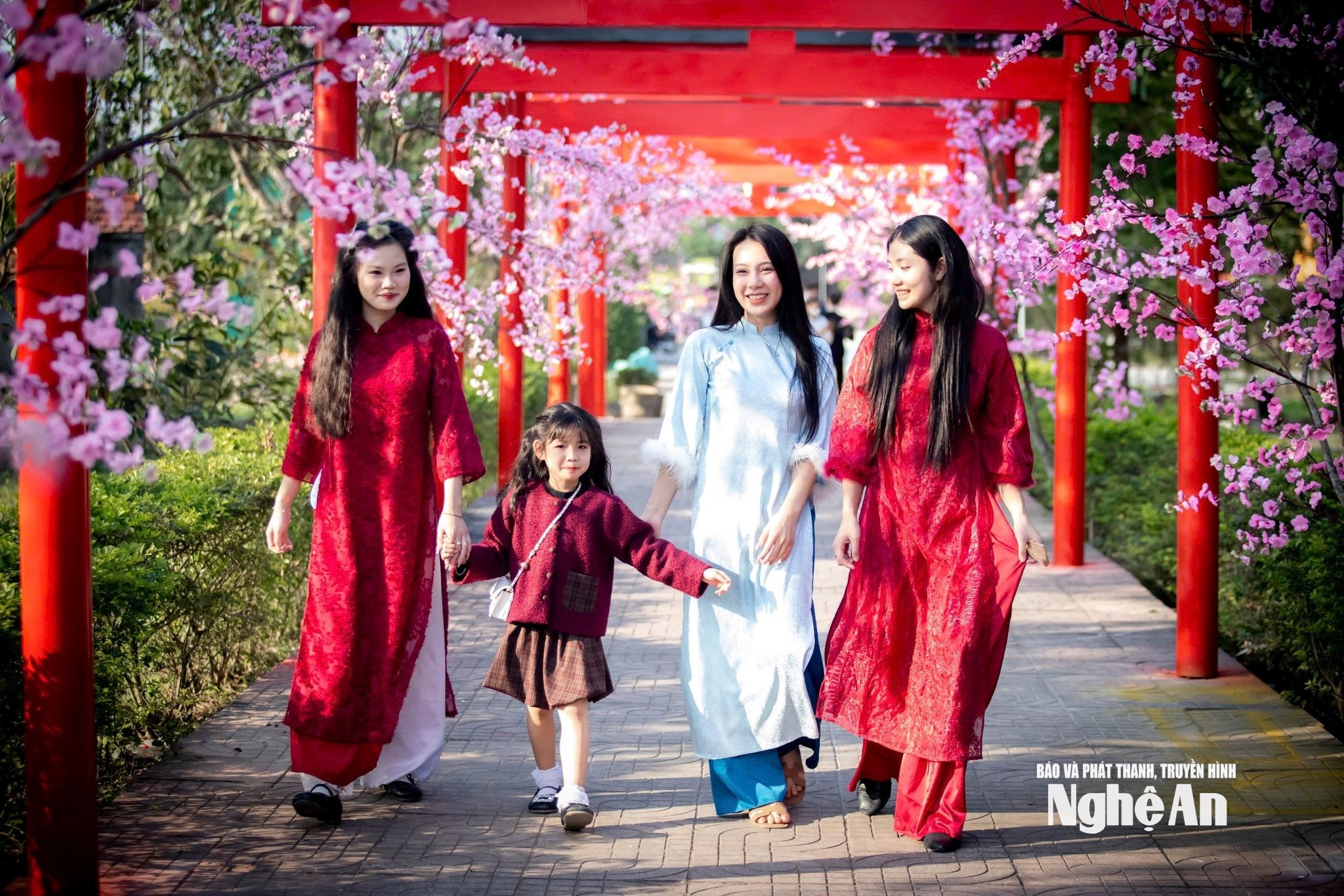
If adopted selectively, these new elements not only bring joy but also enrich the cultural and spiritual landscape of contemporary society, in which the traditional Lunar New Year remains a pillar of value and a foundation of identity.
In my opinion, for Tet (Vietnamese Lunar New Year) to continue to thrive in modern life, it's crucial to focus on restoring and increasing traditional community-based cultural activities. Back when I was born and raised in the Le Mao area (formerly Vinh City), every Tet holiday, the urban space was still filled with folk cultural activities such as playing human chess, participating in traditional games, Tet markets, and other community-based spring festivities, creating a vibrant and distinctive Tet atmosphere. Today, with rapid urbanization, these spaces and activities are shrinking, making Tet in urban areas somewhat more isolated, leaning towards family or individual activities.
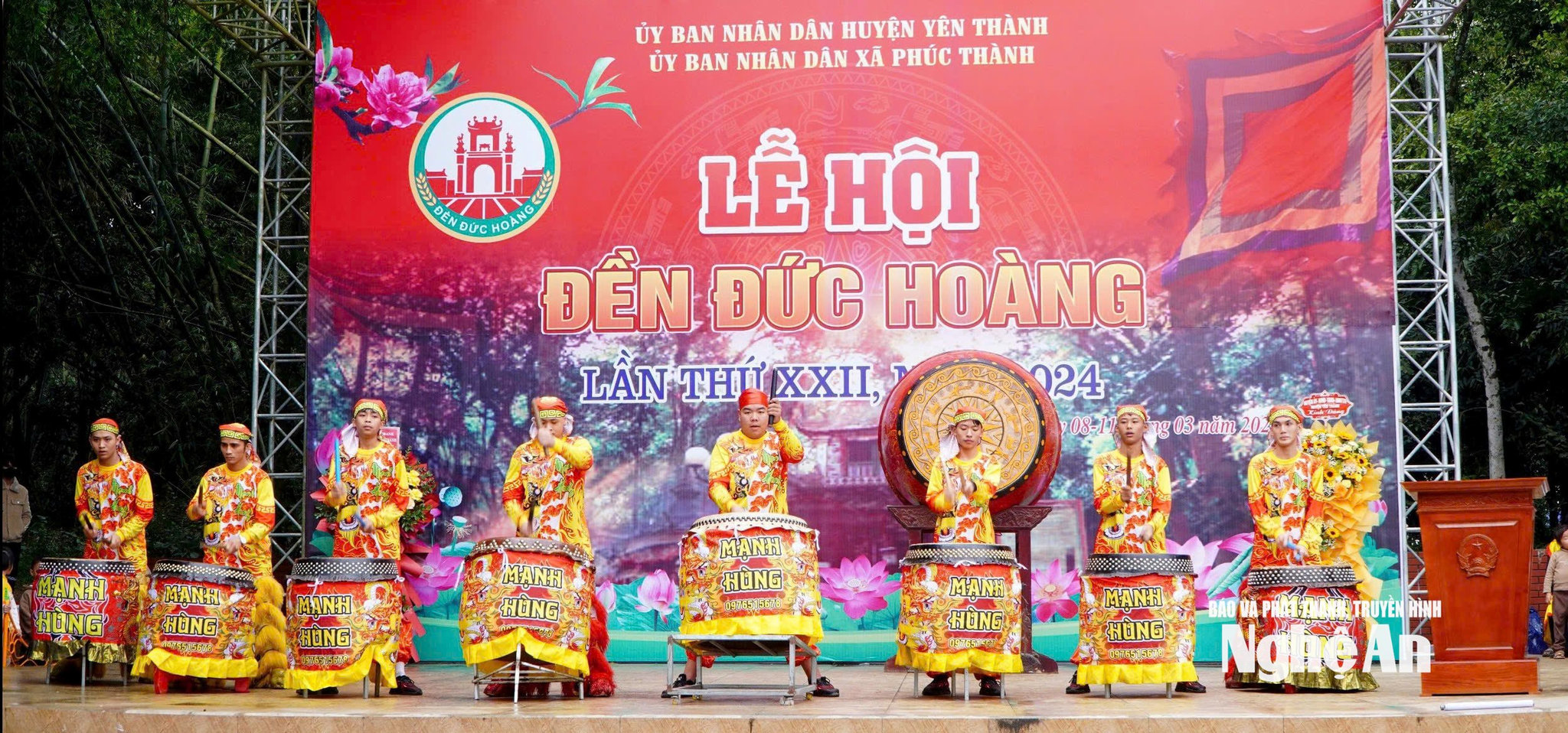
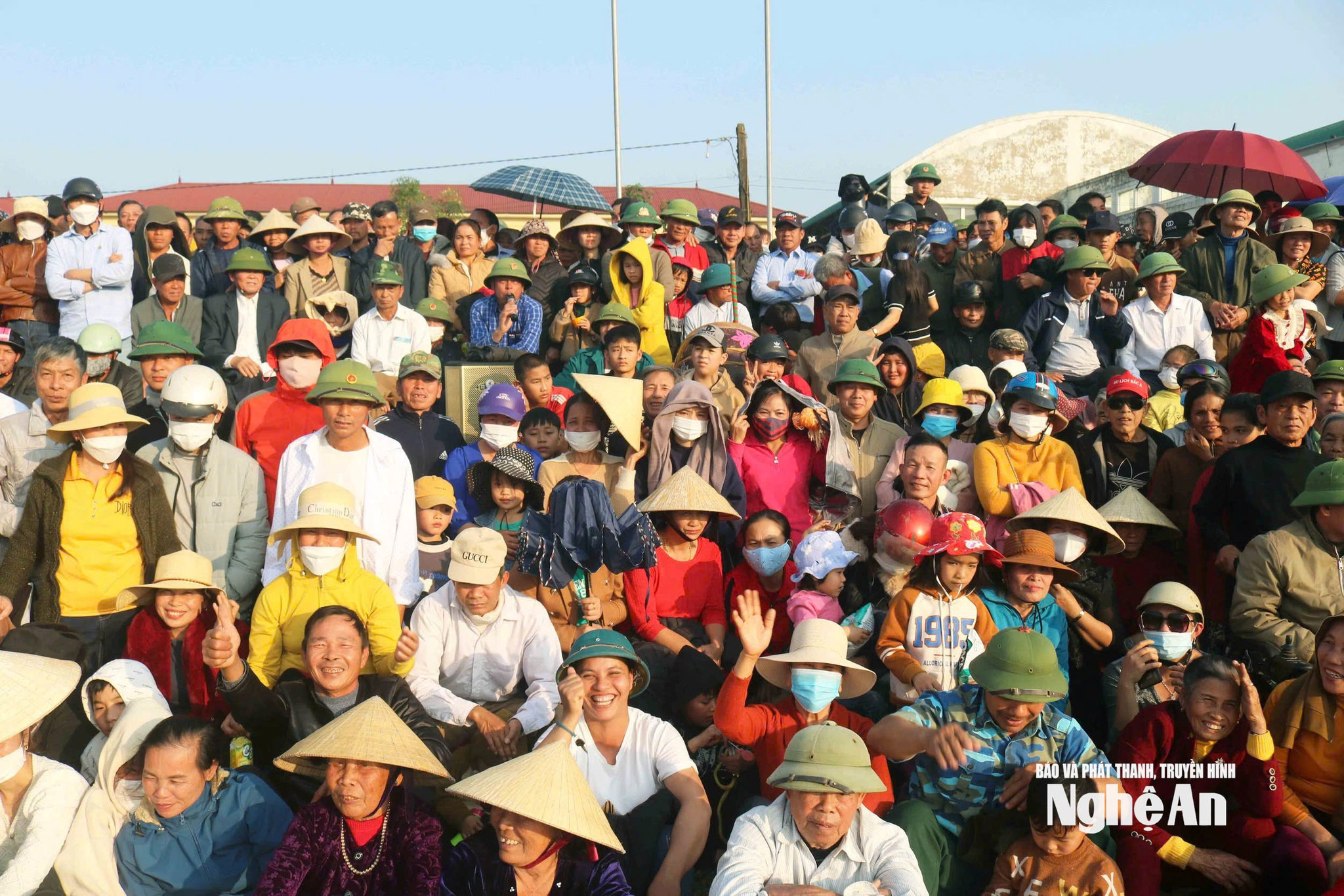
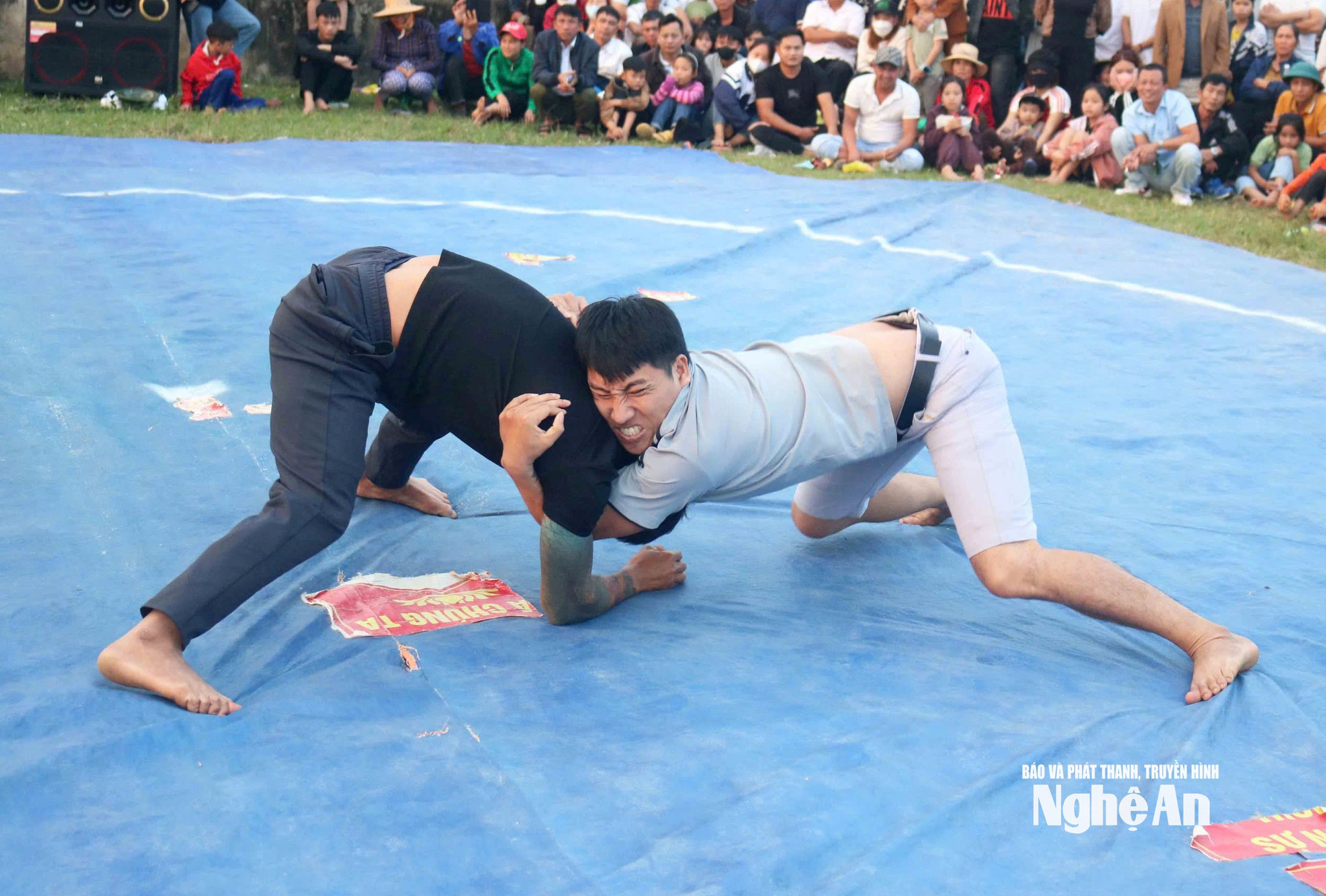

Therefore, there is a need for investment and reorganization of public cultural spaces during Tet, encouraging traditional cultural activities, folk games, and community activities suitable for the urban context.
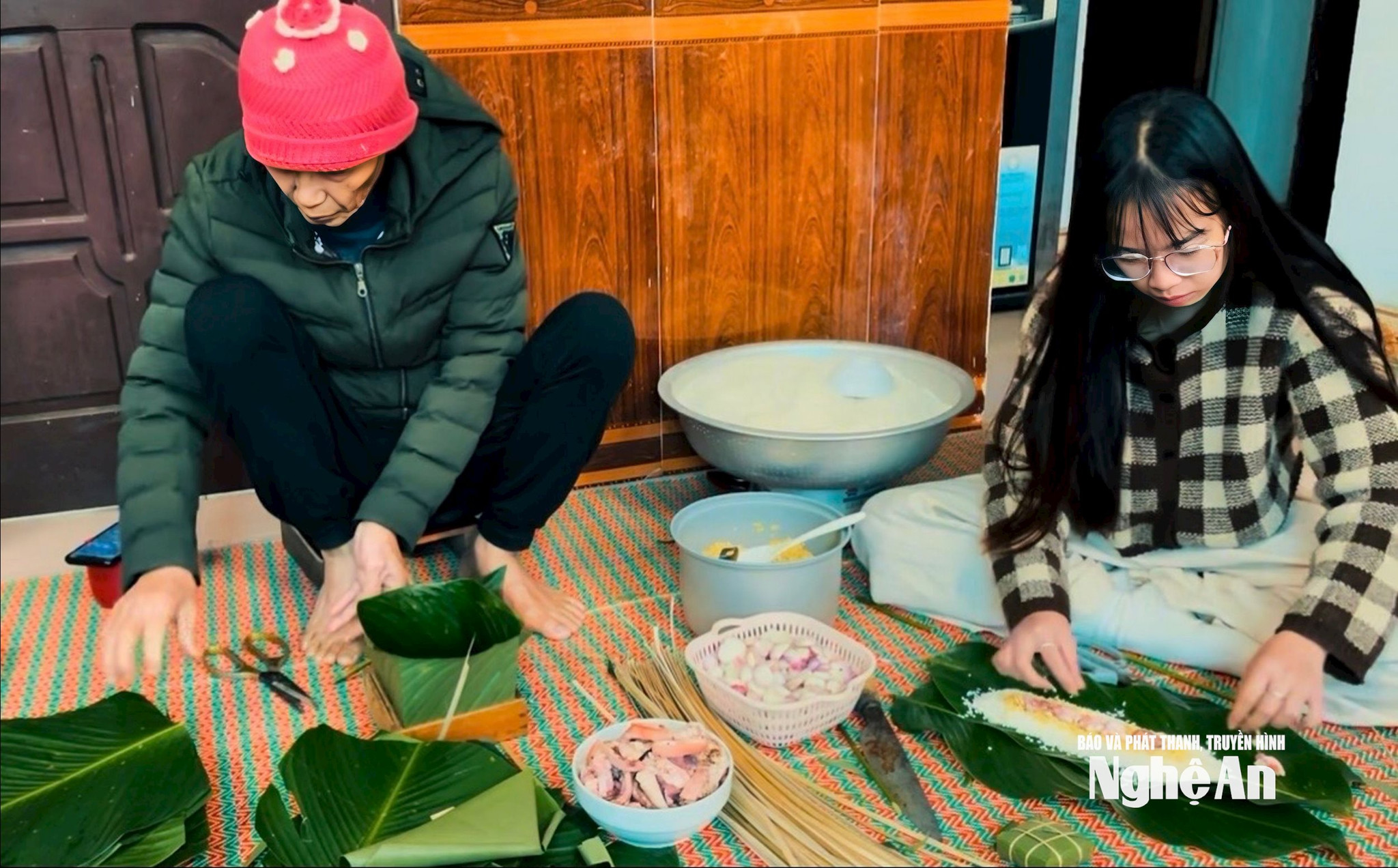
Furthermore, the transmission of Tet values should not be limited to theory or slogans, but should be done through practical experiences such as making traditional cakes, sharing stories of Tet in the past, learning about local customs, and participating in community activities before and during Tet. When generations, especially young people, "live in the Tet atmosphere" instead of just "taking Tet holidays," traditional values will be accepted more naturally.
Student Nguyen Thi Huyen Thuong:In my opinion, young people need to be empowered to take an active role in the Tet holiday. Instead of just being "participants," young people should be encouraged to actively participate in organizing Tet activities within their families, clans, and communities, such as preparing the Tet feast in new ways, suggesting common activities at the beginning of the year, or taking on the role of connecting generations. When they participate as active agents, young people will feel a greater sense of responsibility in preserving Tet, rather than viewing it as a legacy of previous generations.
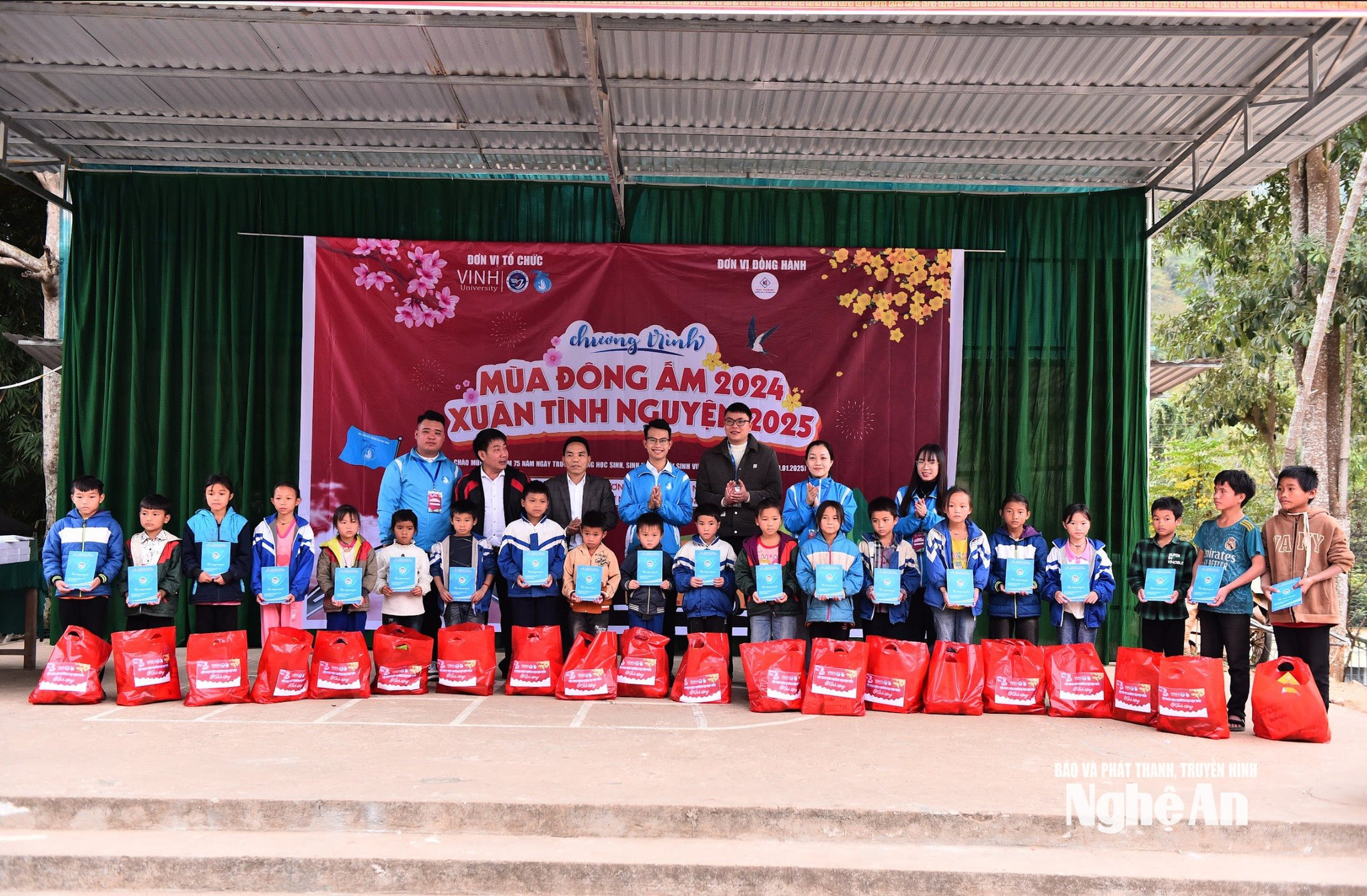
Furthermore, don't view Tet as a series of social rituals. In the context of increasing pressure from studies, work, and competition, Tet can be adjusted to create a truly relaxing space for young people: Reduce prolonged parties, limit alcohol consumption, and increase activities that promote relaxation, conversation, and bonding.
In conclusion, I believe that not all old customs need to be rigidly preserved, and not all changes mean losing tradition. By selectively adapting and renewing what is appropriate, Tet will be vividly present in the lives of future generations!


