
Keeping the blacksmithing craft alive in the border region of Nghe An.
For generations, blacksmithing has not only created tools for daily life but has also been an integral part of the cultural identity of the Mong people in western Nghe An province. While industrial products are gradually replacing handcrafted blacksmithing, there are still those who quietly keep the flame of this traditional craft alive, including Mr. Va Tong De in Xoi Voi village, Nhon Mai commune, Nghe An province.
The clanging of hammers on the anvil, mingled with the crackling of the fire in the charcoal stove, had become a familiar sound in the small house of Mr. Va Tong De. In the high mountains, perpetually shrouded in clouds, where the Hmong people have lived for generations, blacksmithing was once an indispensable craft for creating tools for farming and hunting.
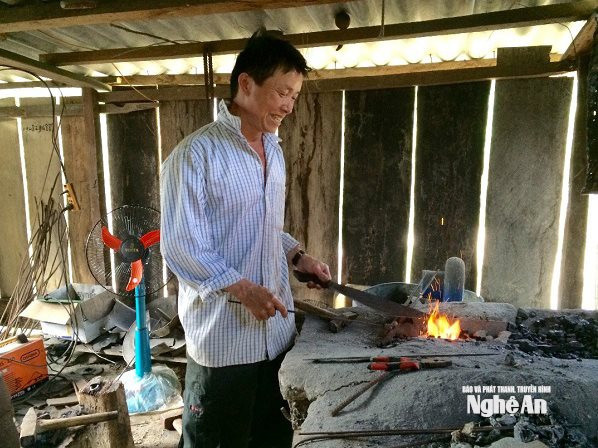
For the Hmong people, a good knife is not just an everyday tool but also a "companion" that accompanies them to the fields and into the forest. Therefore, blacksmithing is always highly valued, and skilled craftsmen are respected by the community. In the past, almost every clan had a few members who knew how to blacksmith to make knives, hoes, plow blades, axes, or repair production tools for the villagers.
At 65 years old, Mr. Va Tong De still maintains a healthy physique. His calloused hands, strong arms, and sharp eyes are testament to decades spent working with hammers, anvils, and the furnace. He recounts that he learned the trade from his father when he was only 15. By the age of 20, he was proficient in forging various agricultural tools. Later, despite doing many jobs to make a living, the blacksmithing trade never left his memory.
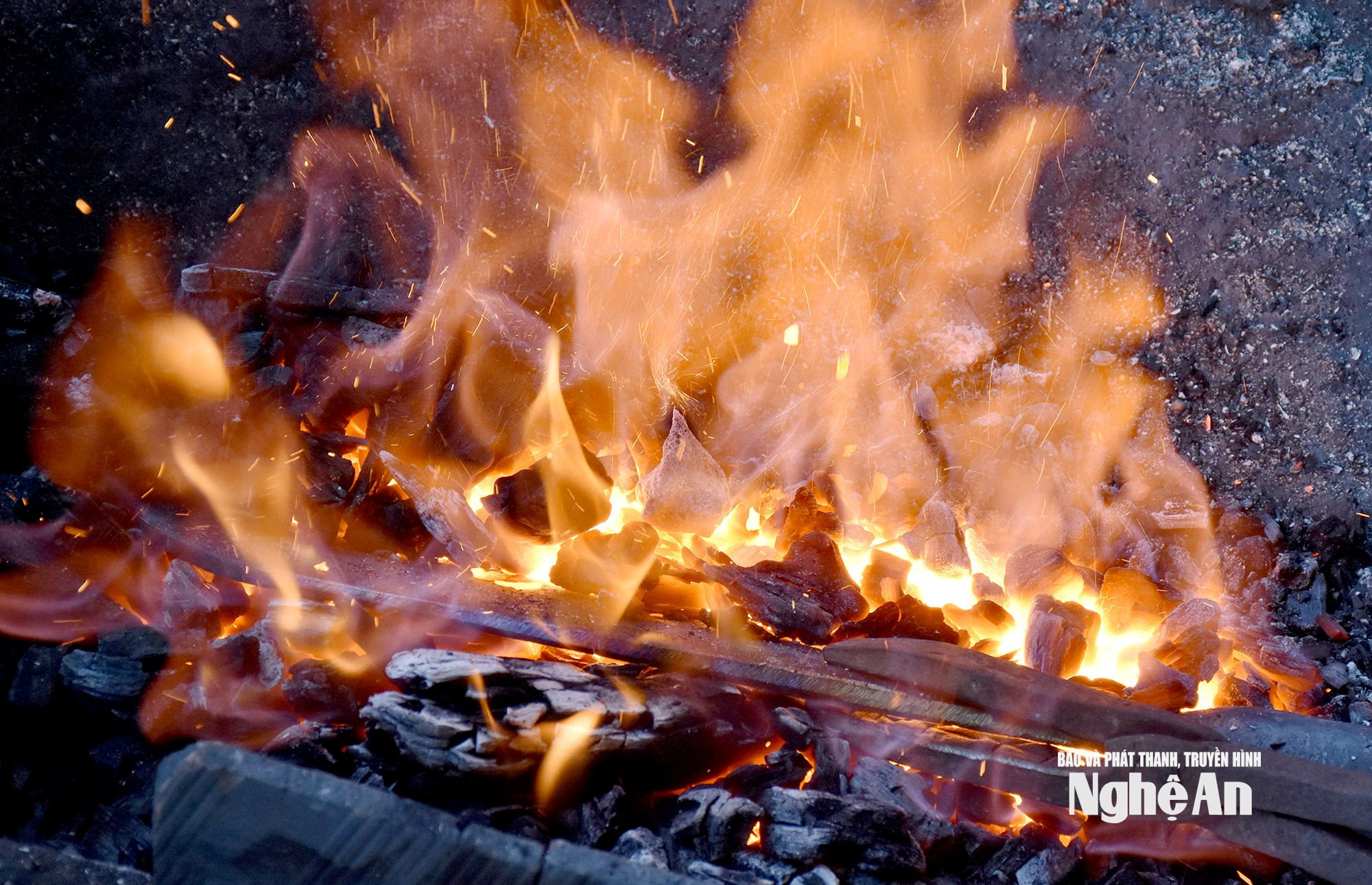
In his old age, witnessing many blacksmiths' workshops in the village gradually extinguishing their fires due to the increasing presence of industrial goods, he decided to bring out the anvil and hammer he had carefully stored away for many years and use them again. "If we don't preserve it, our descendants will no longer know the craft of our ancestors," Mr. Va Tong De confided.
Since the blacksmith's forge resumed its work, people from the surrounding villages have been coming to order machetes, hoes, shovels, and other agricultural tools. What earns their trust is not only the sharpness and durability of the products but also the meticulous attention to detail in each step of the process. The handles of the knives and hoes are fitted tightly and securely, remaining stable even after many years of use.
According to Mr. Va Tong De, the secret to blacksmithing lies in the selection and tempering of the steel. The craftsman must be able to distinguish between different types of raw materials, accurately determine the heating temperature, and choose the right moment to put the product into the tempering water so that the blade is both hard and flexible. A single mistake in any step can result in a brittle or dull blade.
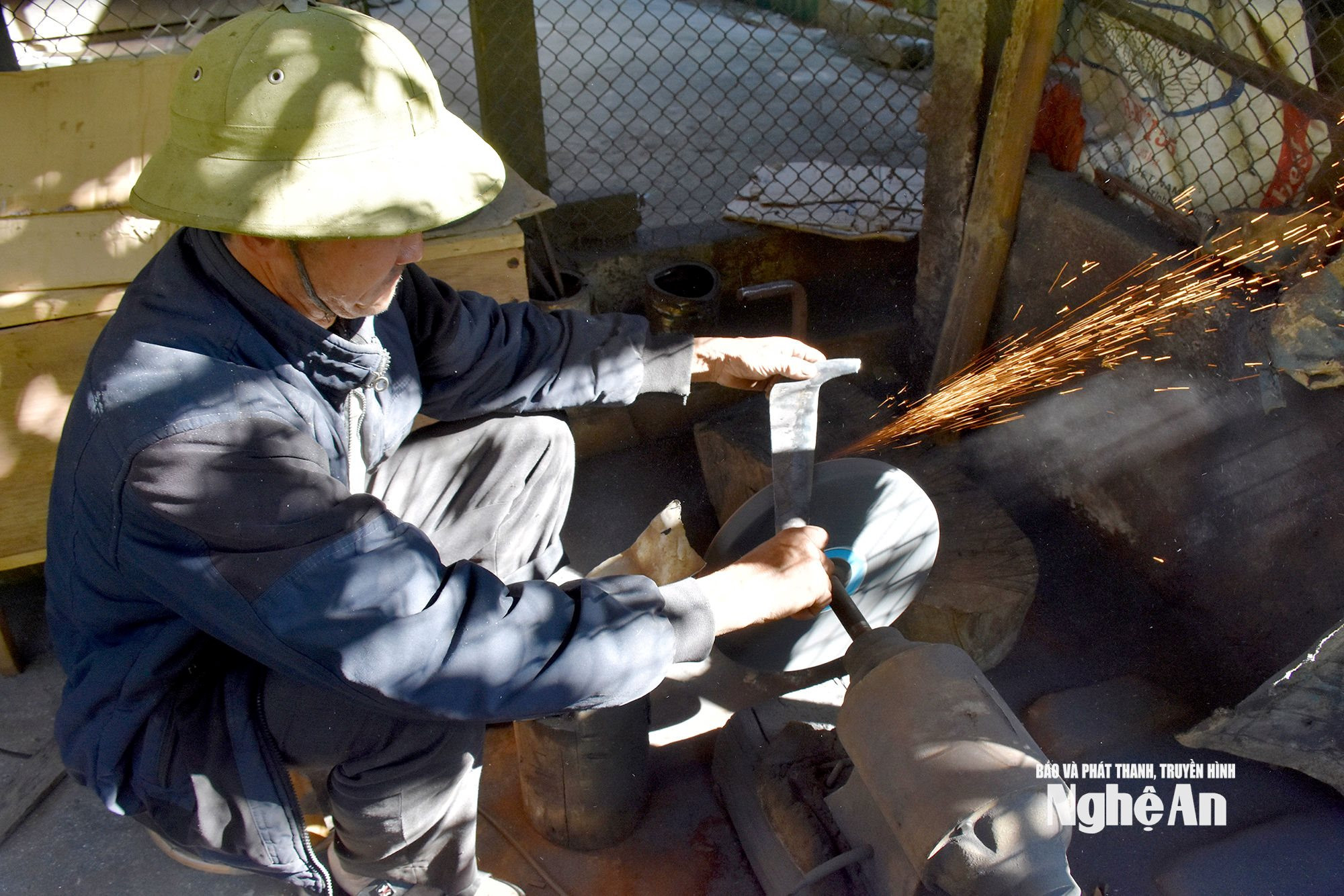
"Compared to the past, blacksmithing now has many advantages thanks to electric fans and grinding machines. But the most important stages still rely on the experience and hands of the craftsman," he said.
Each day, after deducting the costs of coal, electricity, and raw materials, the blacksmith's forge brings his family a modest income. However, what keeps the elderly craftsman attached to the profession is not the money, but the joy of seeing the sound of hammers still echoing in the village, and of seeing the products he made with his own hands still trusted by the villagers.
Currently, due to the impact of modern life, the number of Hmong people who know how to blacksmith in western Nghe An is decreasing. Many young people choose jobs with more stable incomes, while industrially produced agricultural tools are widely available at low prices. This puts traditional blacksmithing workshops at risk of disappearing.
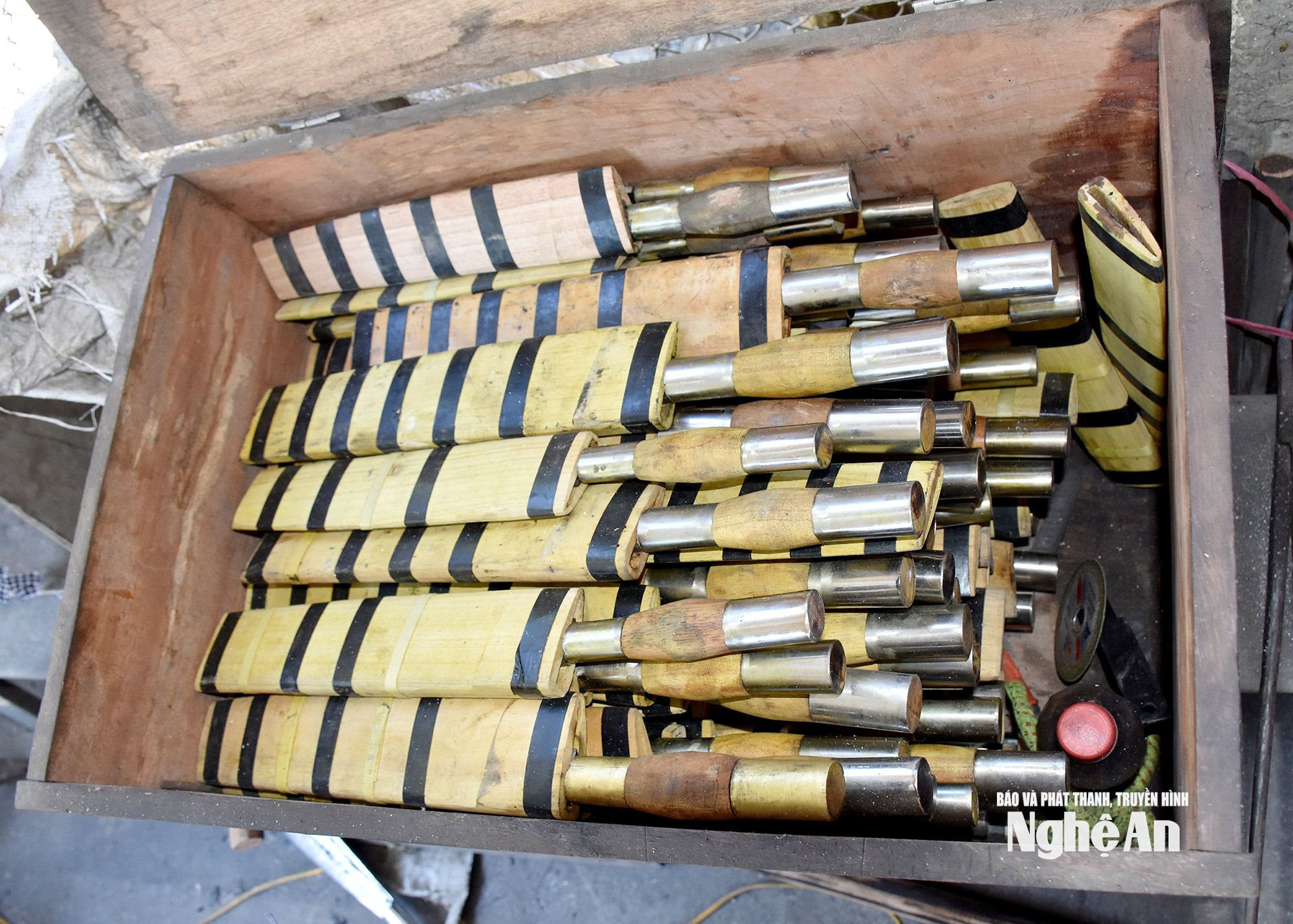
According to Mr. Va Tong De, in order to preserve the blacksmithing craft of the Mong people, in addition to the efforts of the artisans, it is necessary to have the attention of the government and the cultural sector in supporting the construction of craft village models, linking blacksmithing with community tourism development and cultural experiences.
When handcrafted products are recognized not only as tools but also as cultural products reflecting national identity, the blacksmithing craft will have a greater chance of continuing to exist.
Amidst the mountains and forests of the border region, the fire in Mr. Va Tong De's forge still burns brightly every day. It's not just a fire for forging steel, but also a fire that preserves the memories, knowledge, and cultural identity of the Hmong people, passed down from generation to generation.


