
Preserving the Vietnamese language in a foreign land.
In Vietnamese communities abroad, the environment for the mother tongue to be present in the lives of the younger generation is increasingly shrinking. Schools, friends, media, and social activities primarily use the language of the host country, leaving Vietnamese in many places confined to the family and at risk of diminishing with each generation. Preserving the Vietnamese language requires the perseverance of each family, the collective efforts of the community, and appropriate policies and resources from the State.
The Vietnamese language gap in a multilingual society.
About eight years ago, in a small town in the Pacific Northwest of the United States, Mr. and Mrs. Nguyen Nghia Tai (from Do Luong) desperately searched for Vietnamese books to read to their children. This desire seemed normal and easily achievable for a Vietnamese family, but in reality, it wasn't. Vietnamese children's books abroad were difficult to find, and if available, they were expensive; every time someone returned to Vietnam, the family would ask them to bring books over, but the content and quality weren't always suitable.
After moving to California and meeting more Vietnamese families, Tài realized that this situation was common in the community. Many children born in America to Vietnamese parents know very little Vietnamese, or even have little knowledge of Vietnam.
Dr. Nguyen Nghia Tai is a PhD in electronic engineering and currently works for a space industry company in Silicon Valley, USA. His story about books for children led him to a broader concern about connecting Vietnamese-American children with their roots.
His family, along with a group of parents, surveyed over 200 people raising children in multilingual environments. The feedback revealed a common concern: as children grow older and are exposed to the local culture, their interest in the Vietnamese language and culture decreases.
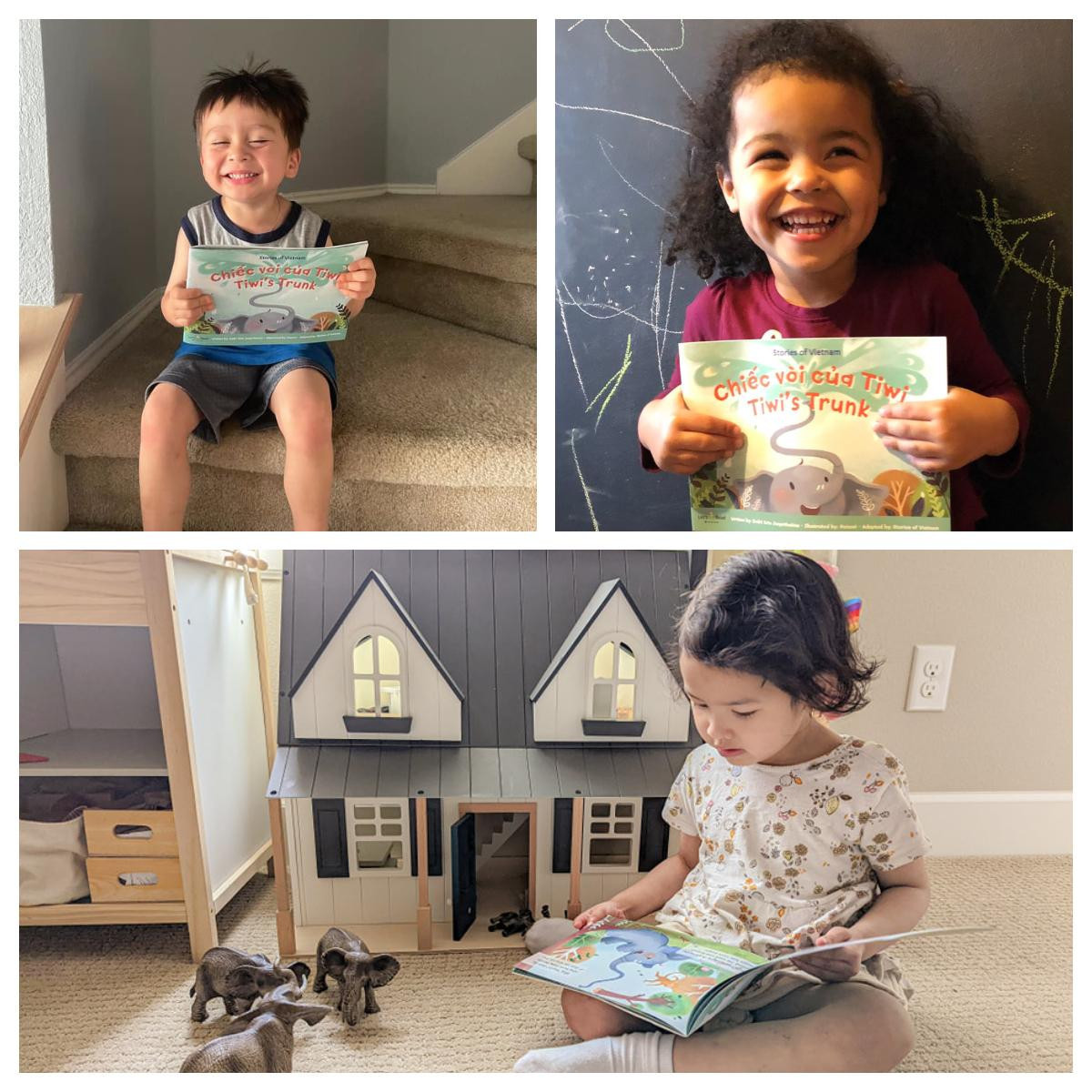
From there, Tài and his colleagues launched the non-profit project "Stories of Vietnam," supporting Vietnamese children living in the US to learn about the Vietnamese language and culture. The project raises funds to publish and donate free bilingual books to Vietnamese-American families, and also brings books to public libraries.
The project website currently records over 10,000 books shared, over 2,000 children reading the books; books have reached 382 cities in 46 US states, and online content is accessible in over 1,000 cities in many countries.
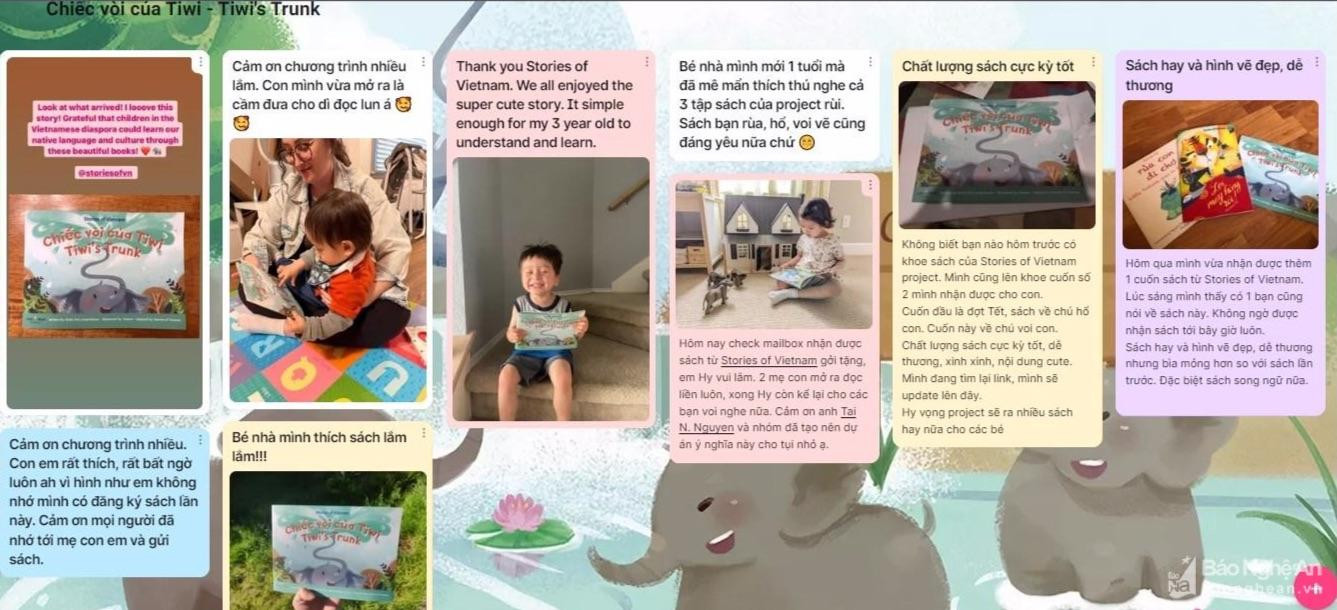
What deeply interested the project team was how a book could contribute to a natural connection with the Vietnamese language. According to Mr. Tai, children born in America may not yet understand the concept of "preserving identity," but they can remember a story their mother read, a dish, a Tet holiday, an animal in a story, or a Vietnamese riddle that made the whole family laugh. These memories accumulate over time, becoming threads that, when they grow up, they can trace back to the question, "Who am I? Where do I come from?"
According to him, many parents initially think that simply speaking Vietnamese to their children at home will naturally lead to them learning Vietnamese. "In reality, if we don't proactively create a Vietnamese-speaking environment, over time, English will almost certainly overshadow it," he shared. The biggest challenge for the second and third generations, he believes, isn't about learning more Vietnamese words, but rather "how to make children want to keep Vietnamese." If Vietnamese only appears in parental demands, in conversations with grandparents, in weekend classes, or in constant corrections for pronunciation mistakes, children easily feel it's the language of the previous generation, not their own.
Sharing the same view, Associate Professor Dr. Nguyen Thien Nam (from Dai Dong commune), after many years of research and teaching Vietnamese abroad, also identified the core reason why many children born abroad know very little Vietnamese as "lacking a Vietnamese-speaking environment." Children still have opportunities to be exposed to Vietnamese in their early years through their parents and grandparents, but upon entering school, the pressure of the local language increases. A family may maintain Vietnamese in daily conversations, but children still need a wider space to read, write, communicate, play, and absorb culture in their mother tongue.
According to Associate Professor Dr. Nguyen Thien Nam, when young people gradually lose the ability to use the Vietnamese language, their cultural values and identity are also at risk of being affected and eroded. For children born and raised abroad, the connection between language and memories of their homeland needs to be nurtured in a specific environment.
How can we preserve the Vietnamese language for the younger generation abroad?
The answer lies first and foremost with the family, but it cannot stop at the family. At the closing ceremony of the 2026 Day of Honoring the Vietnamese Language in the Overseas Vietnamese Community, held in mid-August, Deputy Minister of Foreign Affairs Le Thi Thu Hang emphasized that the State plays a guiding, facilitating, and supportive role; Vietnamese representative agencies abroad, associations, schools, and teachers are the forces directly involved in organizing and spreading the teaching and learning of the Vietnamese language.
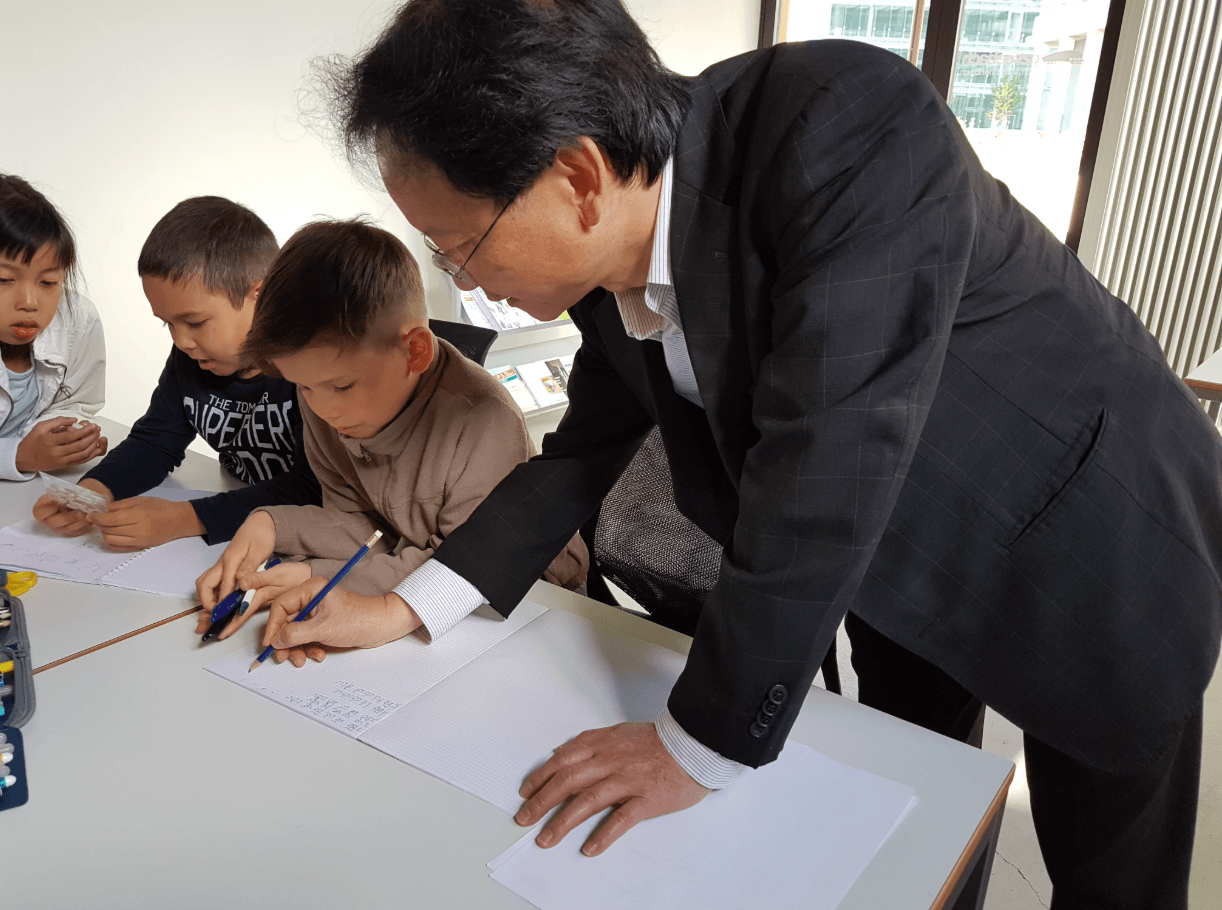
This approach was also proposed by Associate Professor Dr. Nguyen Thien Nam. According to him, maintaining the Vietnamese language requires a combination of families using Vietnamese at home, the community organizing schools and Vietnamese cultural activities; in areas where conditions permit, Vietnamese could be introduced into schools as a compulsory or optional foreign language for Vietnamese children, with grading based on scores. He suggested that Vietnam continue to invest in teacher training, compile Vietnamese language textbooks for Vietnamese people abroad, and lobby the governments of countries with large Vietnamese populations to support the inclusion of Vietnamese in the education curriculum.
These tasks have been included in a long-term program by the State. The project "Day of Honoring the Vietnamese Language in the Overseas Vietnamese Community, 2023-2030," after more than four years of implementation, has seen the emergence of many models and initiatives from teachers currently teaching Vietnamese in various countries and territories. At this year's closing ceremony, 50 overseas Vietnamese teachers from 14 countries and territories participated in a training course on Vietnamese language teaching methods. Standardizing the curriculum, digital transformation, applying AI, building a shared learning resource library, and establishing a teacher training network are also being considered.
Resolution No. 23-NQ/TW dated August 2, 2026, of the Politburo on the work related to Vietnamese people abroad continues to set specific requirements for preserving and spreading the Vietnamese language. These policies are essential, but in reality, there are still many gaps within each community.
Not every place has stable Vietnamese language schools; many classes rely on the volunteer efforts of teachers, parents, and organizations. Books for children born abroad are scarce; funding, teachers, and programs suitable for each age group and language environment remain challenging issues. The "Stories of Vietnam" project also identified fundraising as a major obstacle, relying heavily on the contributions of volunteers.
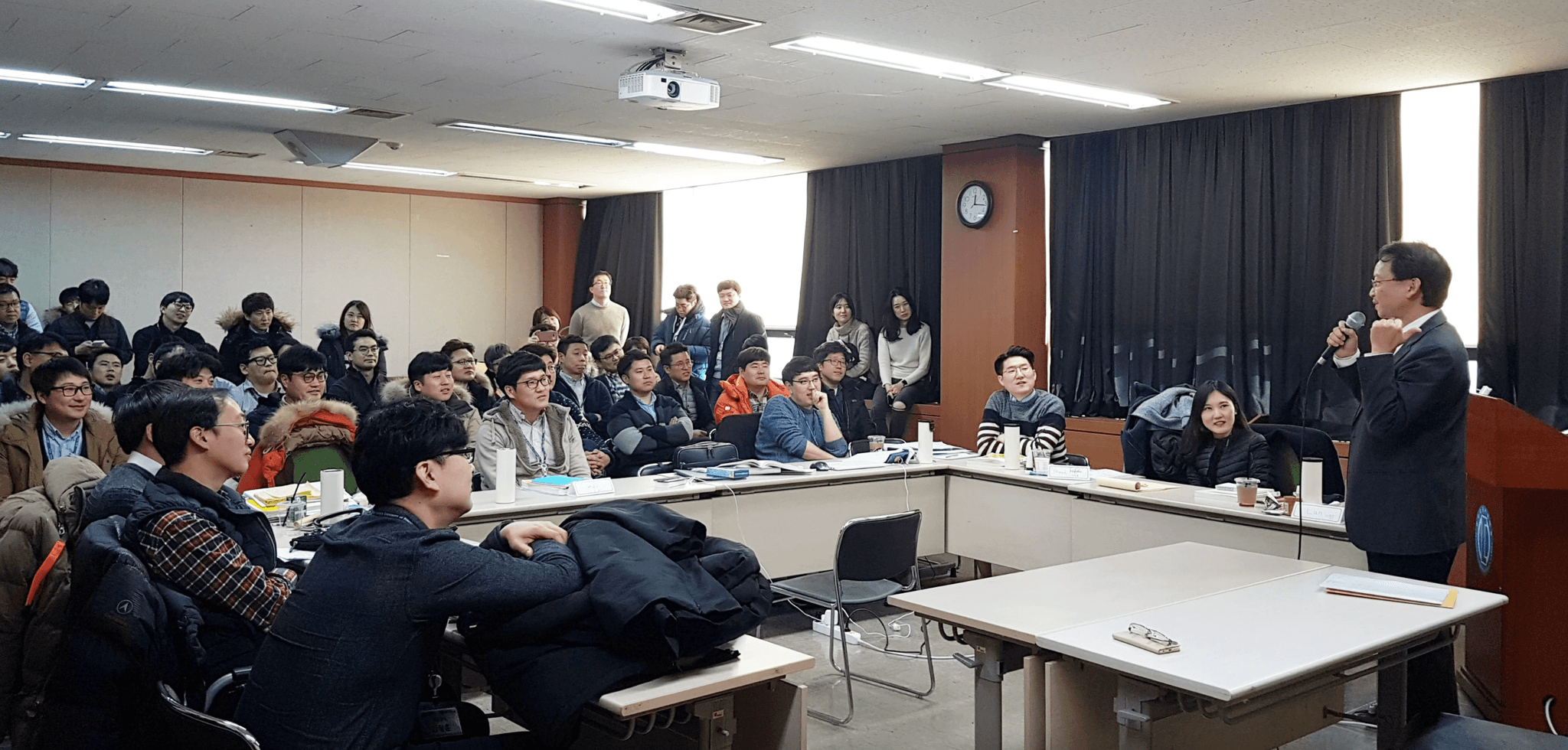
Associate Professor Dr. Nguyen Thien Nam's journey of over 40 years dedicated to Vietnamese studies demonstrates the need for professional investment in building a Vietnamese-speaking environment. In his early years teaching Vietnamese in Cambodia, he had to independently research teaching methods due to a lack of available materials. He subsequently compiled the first bilingual Vietnamese-Khmer textbooks in Vietnam for this group. In Japan, he collaborated with local professors to compile Vietnamese language textbooks and create online lessons using everyday situations. To date, he has also trained over 700 Vietnamese teachers abroad.
His experience shows that effective Vietnamese language teaching cannot be separated from culture. Teachers need to understand the country, its people, and the native language of their students to create a sense of closeness and inspire them. This is even more important for Vietnamese-American children because they are living between two cultural spaces. A program that focuses only on vocabulary and grammar without stories, images, and experiences related to children's lives will struggle to create lasting engagement.
“Stories of Vietnam” also adopts an approach that is close to family life. The books are bilingual, with relatable content, attractive illustrations, and are easy to read and remember. According to Mr. Nguyen Nghia Tai, English can become a bridge to help children learn Vietnamese, instead of viewing English as a rival. The project brings the books to public libraries and sends them away for free so that children have the opportunity to access them regularly.
What Mr. Tài hopes for is that reading Vietnamese doesn't become a mandatory lesson. Children need to "encounter" the Vietnamese language in stories that interest them, in books their parents read before bedtime, stories about Tet (Vietnamese New Year), food, animals, their hometown, or even their own name. "The child will simply think: 'That's my story,'" he envisions a child's reaction when their parents say, "Let's read a Vietnamese story tonight."
From that perspective, preserving the Vietnamese language needs to be organized as an ecosystem. Policies should create resources, develop programs, train teachers, and expand networks; communities should create classrooms, libraries, clubs, and cultural activities; and families should maintain the Vietnamese language in their daily lives. Children need appropriate books, friends who speak Vietnamese, and quality content on the platforms they use. Writers, publishers, libraries, schools, community organizations, and successful Vietnamese people abroad can all contribute.
The image of the tree that "Stories of Vietnam" has used since its inception speaks volumes about the project's goals. Nguyen Nghia Tai stated, "For a tree to grow tall, its roots must be strong enough." He doesn't want Vietnamese children to live exactly like their parents or grandparents. They may go far, become global citizens, and carry within them many layers of culture, but what's essential is that they know where their roots begin!


