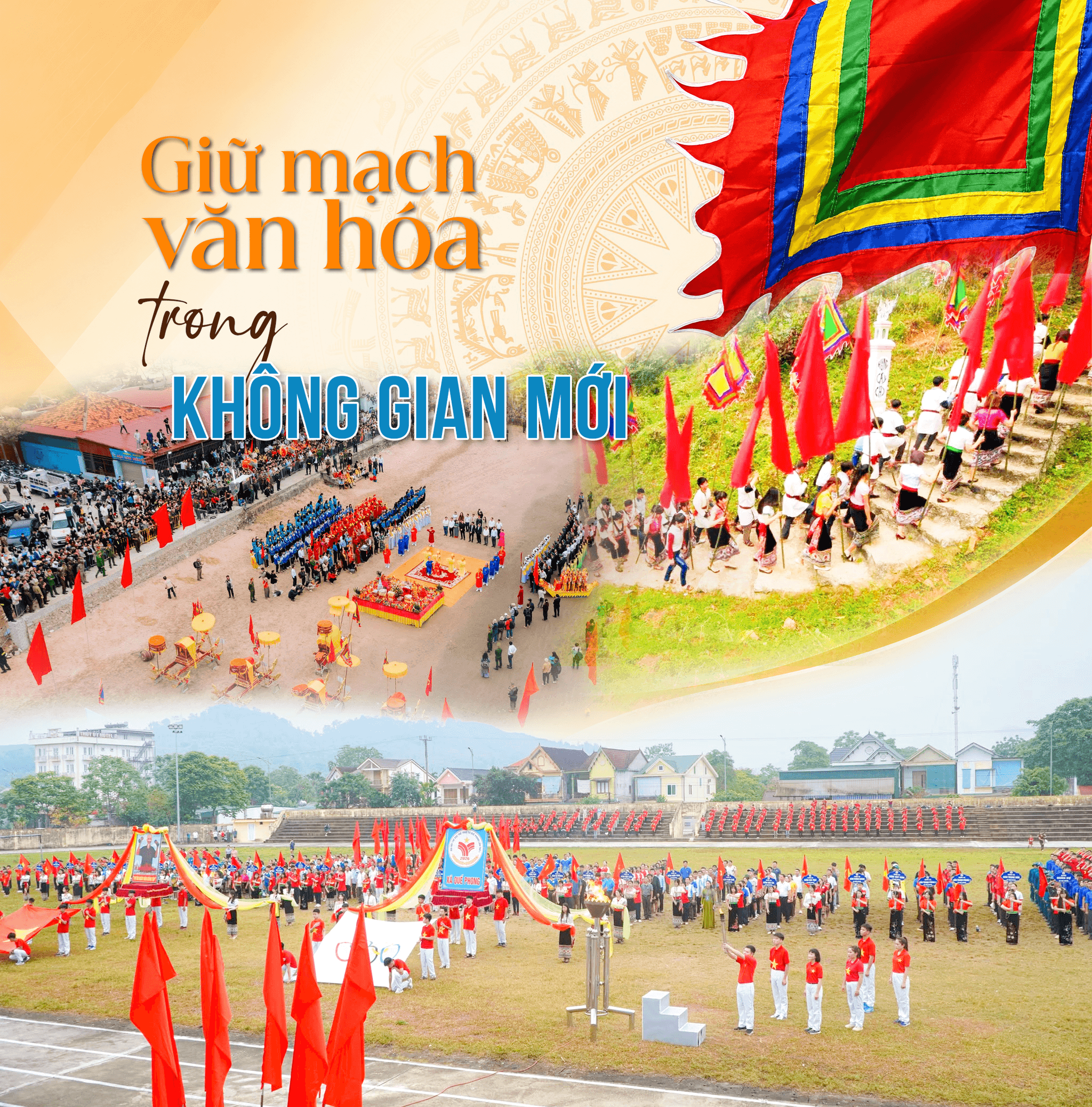
Preserving cultural heritage in a new space.
After the merger, the administrative area is larger, the communities are more diverse, and the workload of grassroots cultural officials is heavier. But behind the familiar festivals, performances, sports events, and movements, there is a more subtle task: to go into each community to understand, connect with, and preserve cultural values within the new administrative space.
Thanh NgaPresentation:Huu QuanSeptember 25, 2026
After the merger, the administrative area is larger, the communities are more diverse, and the workload of grassroots cultural officials is heavier. But behind the familiar festivals, performances, sports events, and movements, there is a more subtle task: to go into each community to understand, connect with, and preserve cultural values within the new administrative space.
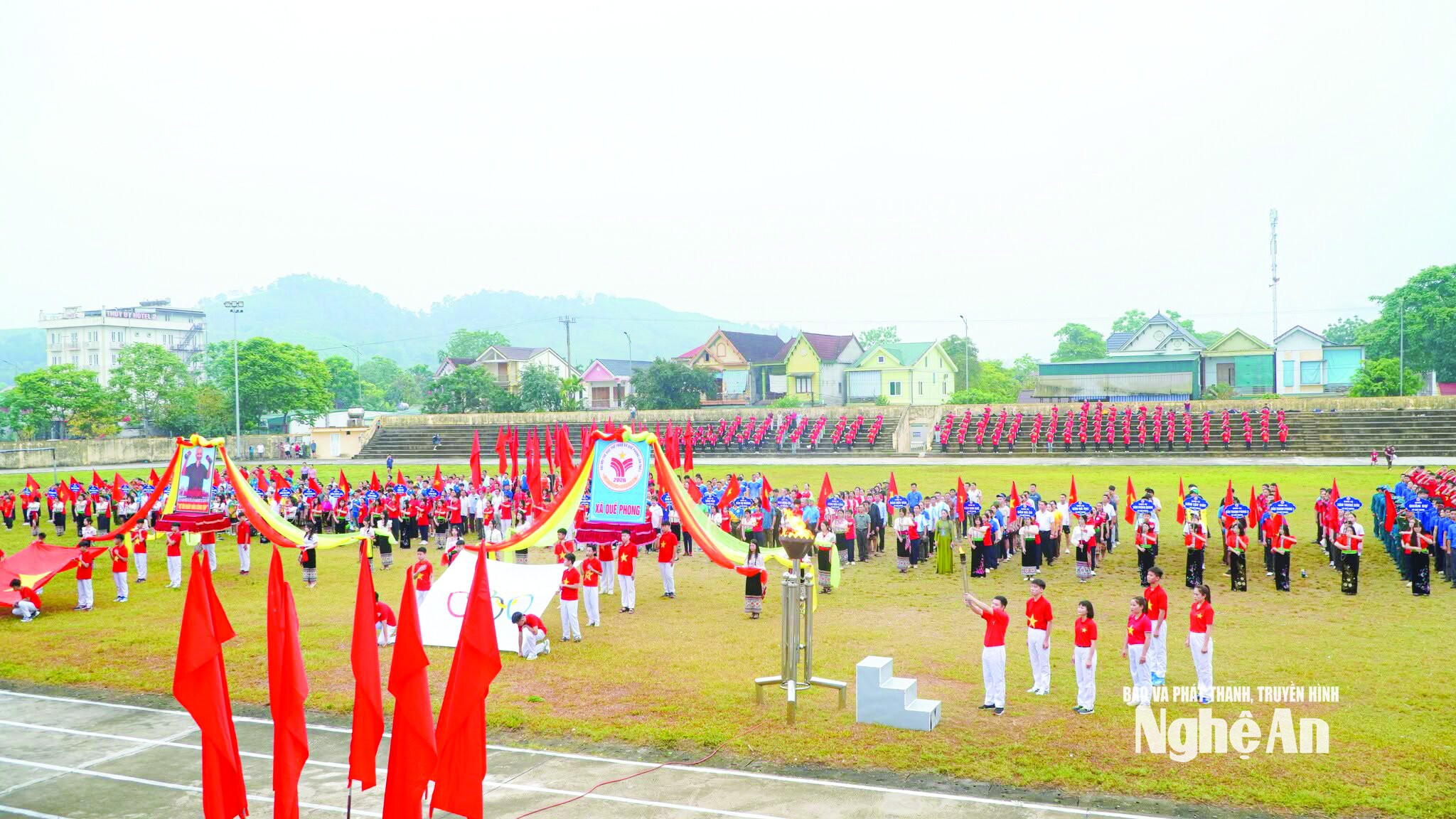
These days, Ms. Mac Thi Nga, a cultural officer of Que Phong commune, is busy checking on and encouraging the athletes preparing to participate in the 10th Provincial Sports Festival.
Previously, the commune organized a sports festival with seven competitive events including wrestling, volleyball, archery, stick pushing, sepak takraw, table tennis, and tug-of-war. Beyond being a place for physical exercise, the sports activities also became an opportunity for people of the Kinh, Thai, and Khơ Mú ethnic groups to meet, interact, and strengthen community solidarity.
Monitoring and motivating the teams wasn't originally Ms. Nga's area of expertise. However, at the grassroots level, the line between "expertise" and "job duties" isn't always clear.
Que Phong commune was formed by merging Kim Son town, Muong Moc, Chau Kim, and Nam Giai communes. The new area comprises 31 hamlets and villages. Compared to the former Chau Kim commune, where Ms. Nga used to be in charge of 10 hamlets and villages, the scope of work has expanded many times over. The change is not only in the number of tasks but also in the requirement to understand a larger and more diverse community.
I had to take the time to approach, get to know, and understand the culture of each village and community. Only by understanding the people can we create unity and promote the movement.”
Ms. Mac Thi Nga - cultural officer of Que Phong commune
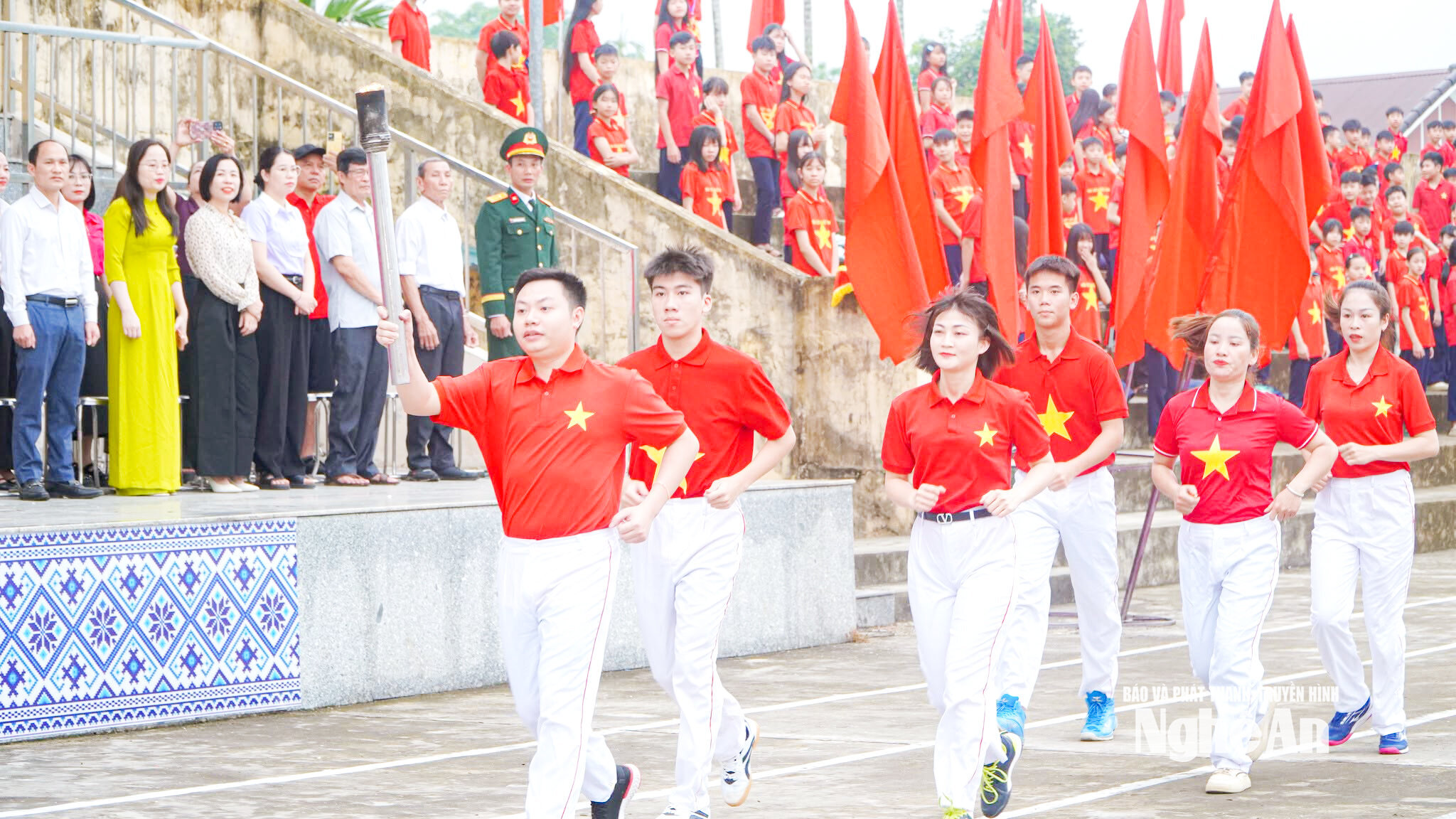
Some hamlets are strong in arts and culture, others in sports, while in other areas, residents participate less in collective activities. When organizing an arts or sports event, some hamlets have to combine four units into one cluster. But combining areas on paper doesn't mean the community is ready to merge. "Many strong hamlets don't want to be associated with hamlets that have weaker cultural activities," Ms. Nga explained.
Therefore, the most difficult task is not organizing a competition or a mass performance, but rather finding a way for communities with different movements to find common ground.
"The role of cultural officials is to gather the collective strength of the entire community and create a unified and cohesive force. To achieve this, it takes time to instill and connect with the people so that they trust and love the culture, and only then can a movement be built," Ms. Nga said.
After the merger, Que Phong commune also had to take on many cultural activities and festivals that previously belonged to the district level, including the Nine-Compartment Temple Festival. This is a large-scale festival that attracts a large number of locals and tourists. Taking on the role of host for the first time, Ms. Nga admitted that she sometimes felt "confused and overwhelmed." From planning and coordinating with various forces to mobilizing social resources, all were new tasks.
.jpg)
“We are very pleased that after months of preparation and detailed planning, the festival was a success, creating an atmosphere of excitement among the people,” said Mr. Nguyen Duc Toan, Vice Chairman of Que Phong commune. Mr. Toan also stated that a successful festival is judged by the number of attendees. But for cultural officials, behind that success lies a lesson in mobilizing public support, connecting the community, and organizing a cultural event within a new management context.
The Vice Chairman of the Commune People's Committee also added that Ms. Nga advises on the management of social and charitable associations and funds; and concurrently handles clerical, archiving, and treasury duties. Tasks that seem unrelated to culture are still part of her daily work routine.
At the grassroots level, "cultural officer" is therefore often a title encompassing many roles. Mr. Nguyen Dinh Quyen, a cultural specialist in the Culture and Social Affairs Department of Quynh Mai ward, is also facing a new work environment after Quynh Mai ward was formed from Quynh Phuong ward, Quynh Xuan ward, Mai Hung ward and Quynh Lien commune.
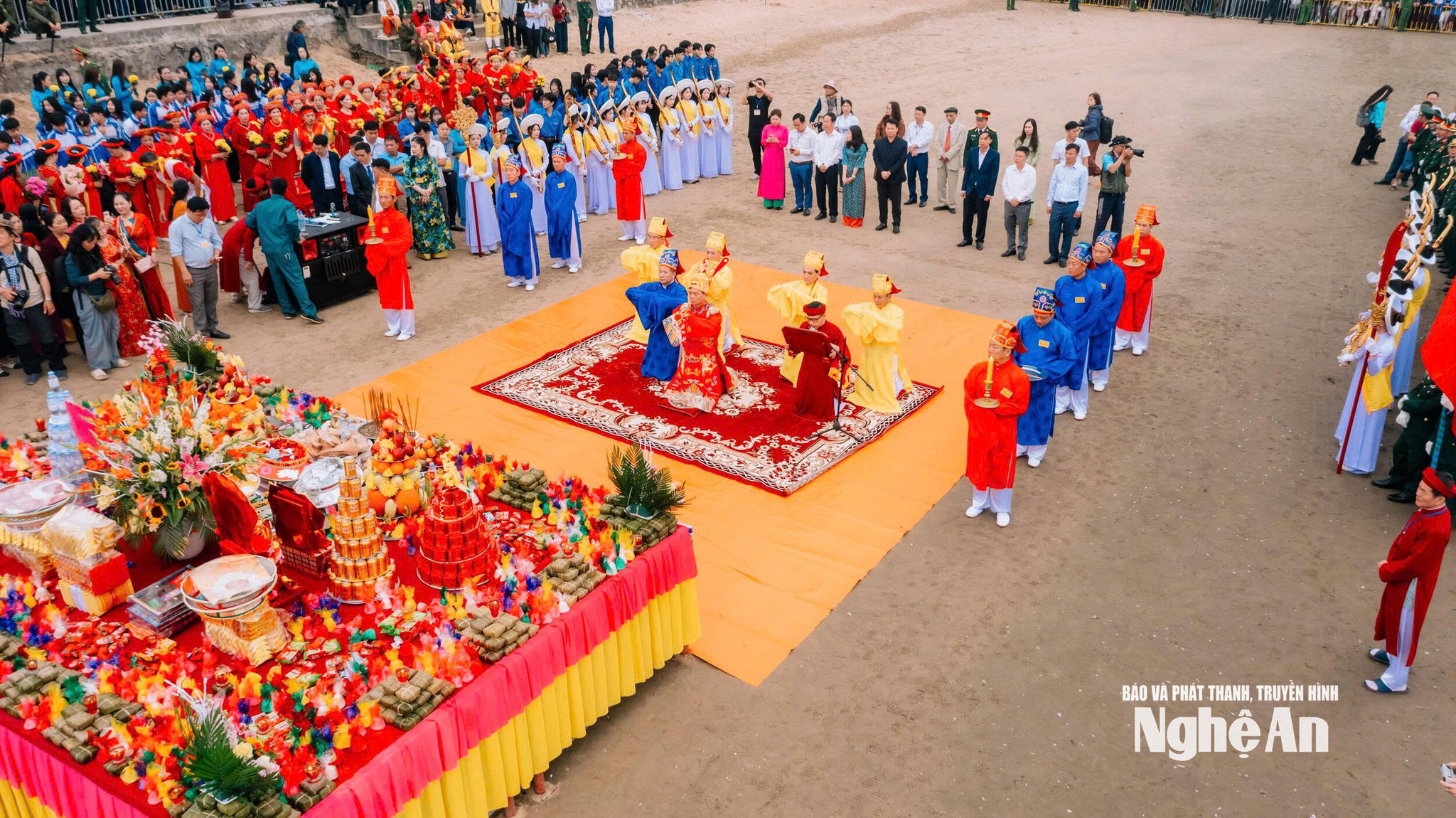
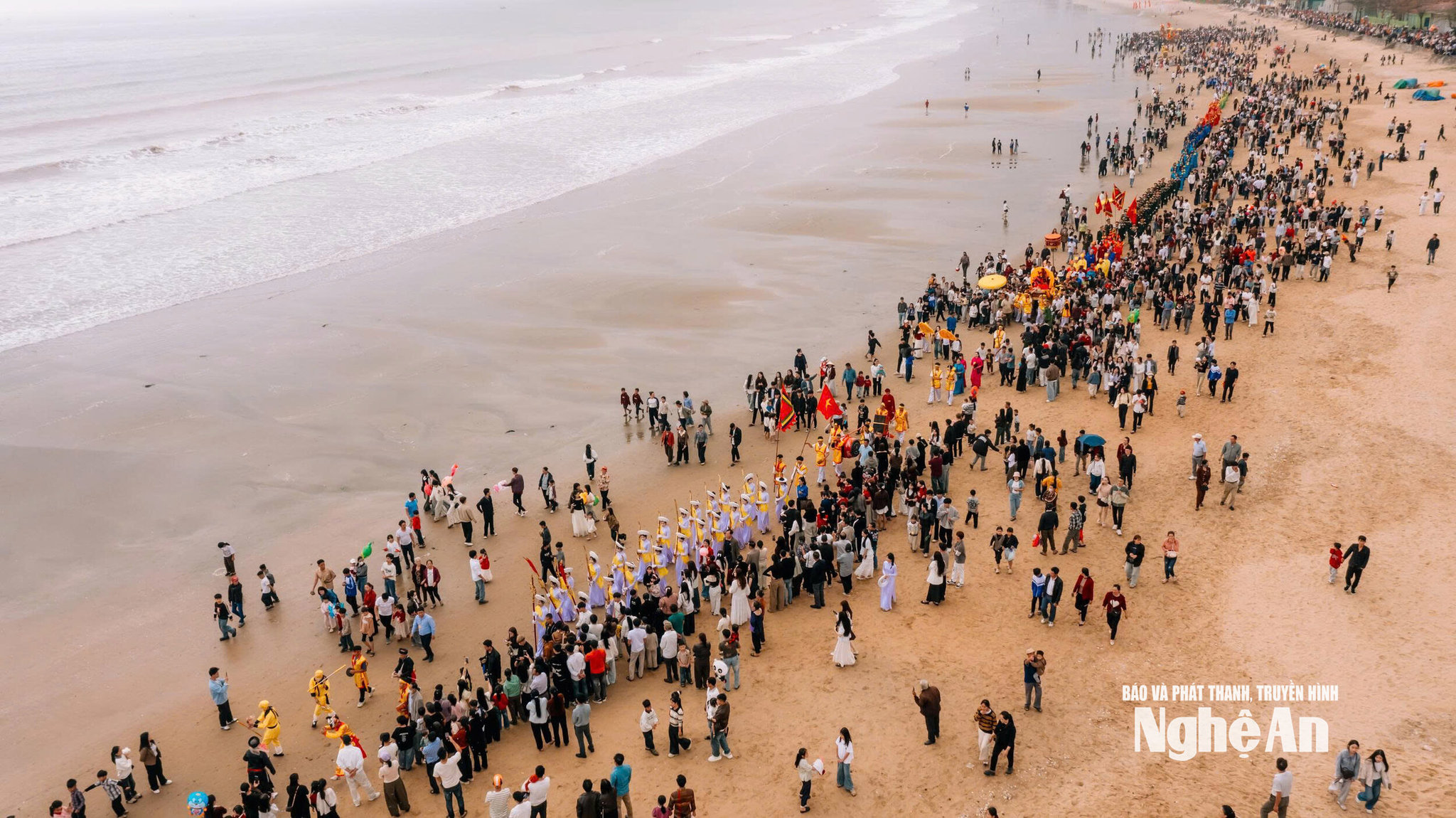
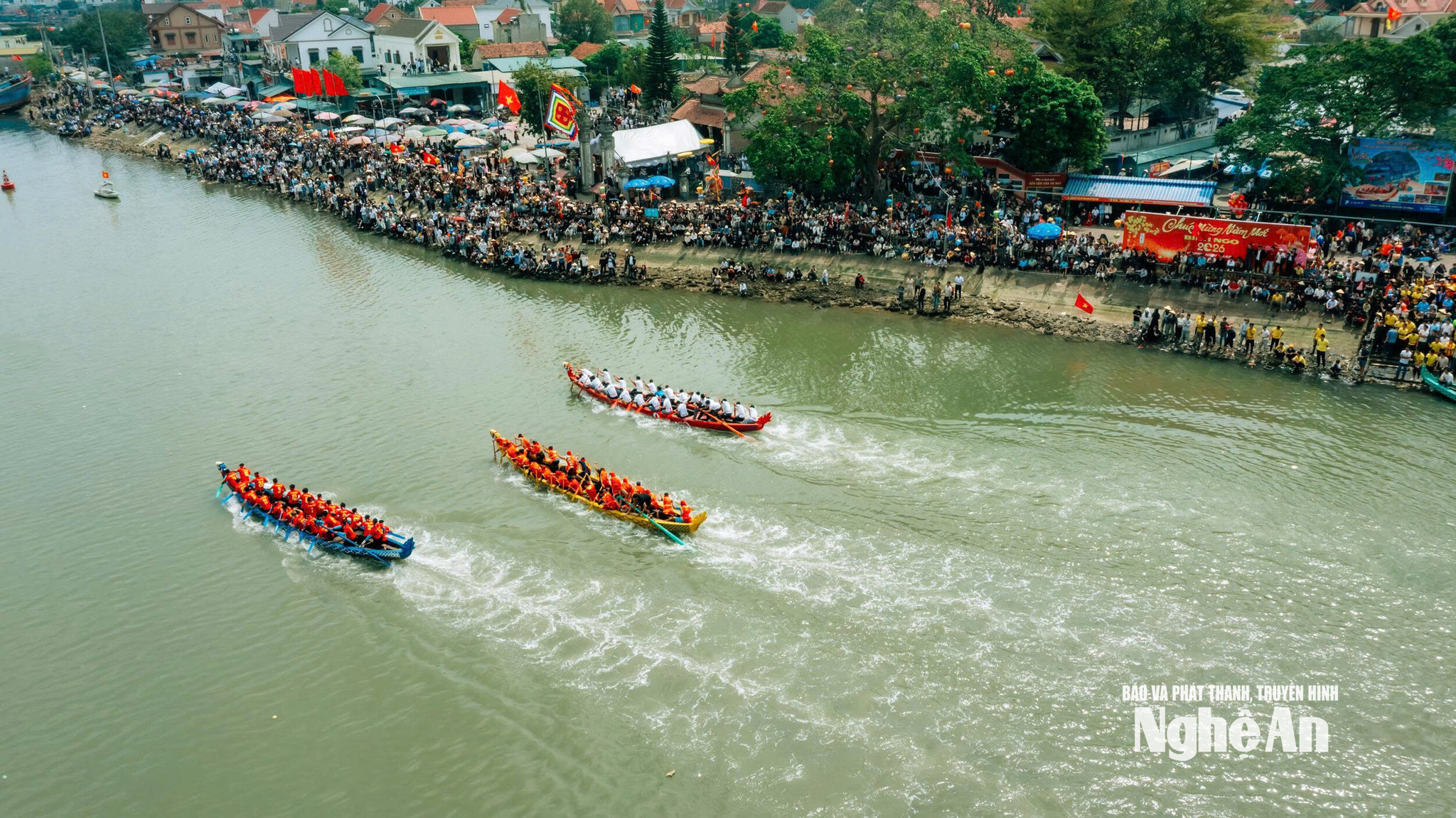
Having previously worked as a cultural specialist in the former Quynh Lien commune, Mr. Quyen has experience in grassroots cultural work. However, changes in the area have led to the development of various work directions.
In the mornings, he broadcasts information and policies on the radio, and processes and compiles documents. Afterwards, he goes down to the hamlets to monitor models and movements for building advanced new rural areas, or activities within the "All People Unite to Build a Culturally Rich Community Life" movement. Mr. Quyen also mentioned that in Quynh Mai ward, besides the Cờn Temple Festival, there are smaller festivals in the former communes, such as the Xuân Úc Temple Festival and the Xuân Hoà Temple Festival, which are also very sacred and attract many visitors from all over. To organize these temple festivals as they were in the past, the Quynh Mai ward government faces considerable difficulties in attracting and gathering social resources. Therefore, for a cultural officer, having previously worked in a small commune and now managing the larger area of Quynh Mai ward, it is no easy task.
According to Mr. Quyen, in order to spread the grassroots cultural movement, it is first necessary to "understand" the people's mindset and attract their support. "Cultural officials, if they are not the ones leading the activities, will find it very difficult to gather the masses," he said.
"Leading the movement" here doesn't just mean organizing a program. It's about the ability to create atmosphere, find people to work with, inspire initiative, and make people feel like they are the main actors in the movement.

In an interview, Dr. Le Thi Minh Ly, Vice President of the Vietnam Cultural Heritage Association, member of the National Cultural Heritage Council, and former Deputy Director of the Department of Cultural Heritage, noted the potential impacts on community cultural life when administrative boundaries change.
Dr. Ly argued that: Old villages are being merged into new communes, and the administrative center is being moved to a different location. Along with this, cultural institutions, historical sites, festivals, and heritage titles also need to have their management responsibilities redefined. If the transition process is not given adequate attention, activities that were once closely associated with the community could be disrupted.
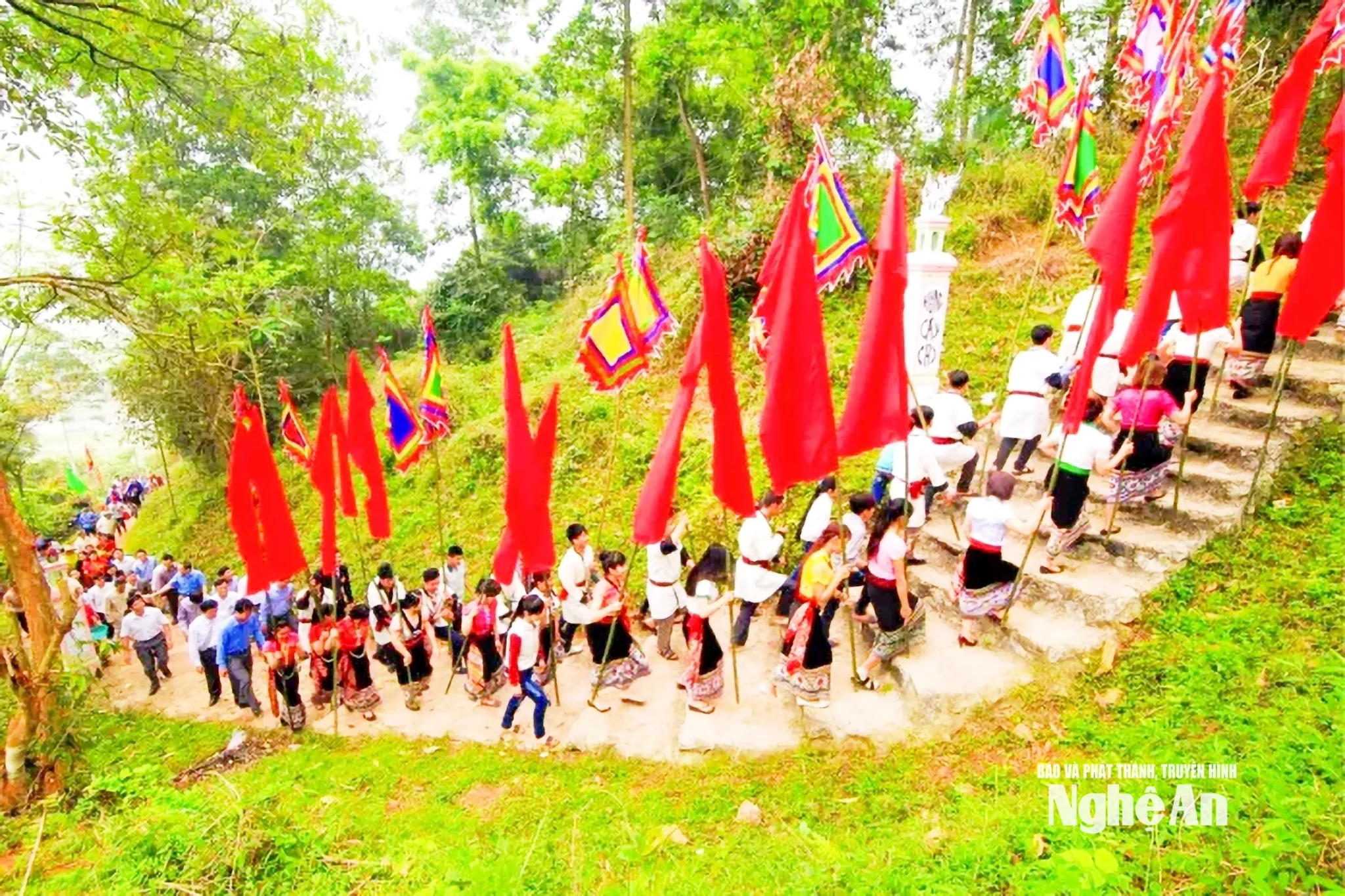
Dr. Le Thi Minh Ly also said that the worrying thing is not just that a festival is not held for a year. More worrying is when a younger generation no longer knows why that festival exists; a communal house no longer has the sound of drums; a historical story no longer has a storyteller; an old artisan grows old without a successor.
Deputy Director of the Department of Culture, Sports and Tourism, Quách Thị Cường, also stated: A newly merged commune cannot live forever on the memories of the old communes. Different communities after mergers need to find common ground to form a shared life. The new must be created, but not by erasing the old. Therefore, cultural officials must know what to preserve, what can be innovated, and what to pass on to the younger generation.
.jpg)
A cultural value only has a future when the younger generation not only knows it once existed but also wants to continue living with it. After the merger, cultural officials are therefore caught between two currents: on one side is memory, on the other is the present and the future.
They must be knowledgeable enough to protect core values, but also dynamic enough to bring those values into new life. They must know how to find people, movements, and community leaders; discovering a young person who loves folk music, an artisan who still wants to pass on their craft, a well-functioning club, or a cultural initiative by the people can all be ways to keep the memory alive.
An administrative reform may change boundaries, headquarters, organizational structures, and operating methods. But a community cannot be built solely on lines on a map. A community is built on bonds, memories, pride in one's homeland, and values passed down from generation to generation.
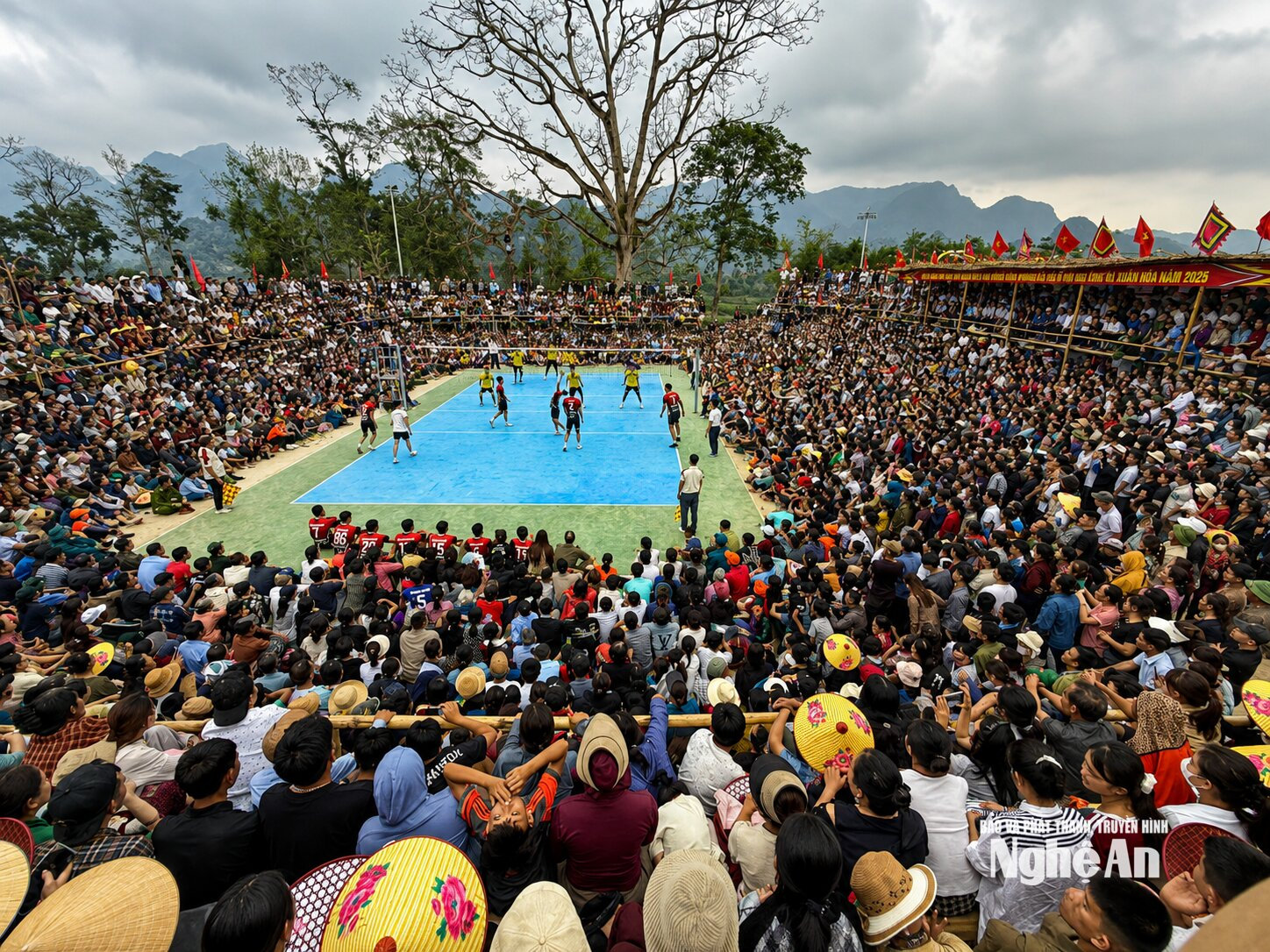
A region may have a new name, but its story still needs to be told. Communities may be united under a single administrative unit, but their distinct cultural nuances must be respected. A festival may be held in a new administrative space, but its spirit must continue to belong to the community.
And those closest to the community who recognize this are the grassroots cultural officials. Their work may begin with a list of athletes, a festival plan, a radio broadcast, or a trip to a village. But behind these seemingly small tasks lies a larger mission: to ensure that people in a new environment still recognize themselves, their homeland, and the values that have shaped their community.