
Preserving the traditional incense-making craft contributes to building new rural areas in western Nghe An province.
These days, visiting the incense-making village of Quỳ Châu commune (Nghệ An province), the atmosphere of Tet (Lunar New Year) seems to permeate every corner of the village. The warm, pure fragrance spreads throughout the space, blending with the bustling sounds of families working diligently to meet the demand for the peak season.
In Hamlet 2, Quy Chau Commune, Ms. Tran Thi Loan's incense production facility is one of the typical highlights of the craft village. During peak season, her facility employs 20 to 30 workers continuously each day, not including dozens of households in the area who receive raw materials to work at home to supplement their income.
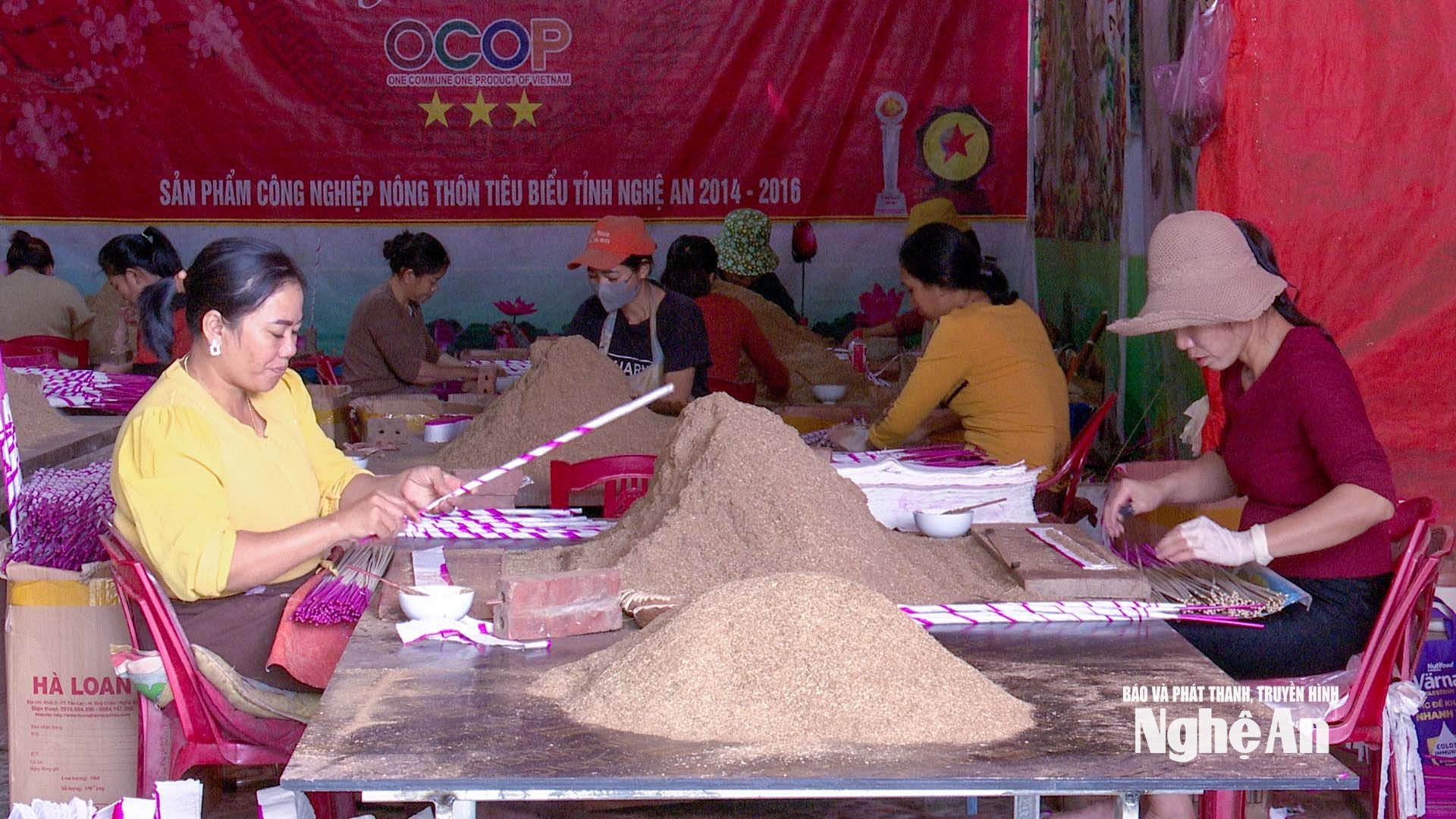
Ms. Loan shared: "Every year, the facility starts its season from the end of September to the twelfth lunar month. But the preparation of raw materials must begin in February.".The main ingredients include vetiver root, sugarcane bagasse, cinnamon, star anise, cardamom, cloves, licorice, and a small amount of agarwood… All are carefully selected so that when burned, the incense emits a mild, pleasant aroma that is not harsh or irritating to the eyes.”
Previously, Quy Chau incense was primarily made to serve the needs of people for Tet (Lunar New Year) rituals. Now, the product has become a high-value economic commodity, widely consumed both within and outside the province. Currently, the entire commune has 38 households engaged in this craft, providing employment for nearly 500 workers, with daily incomes ranging from 250,000 to 300,000 VND.
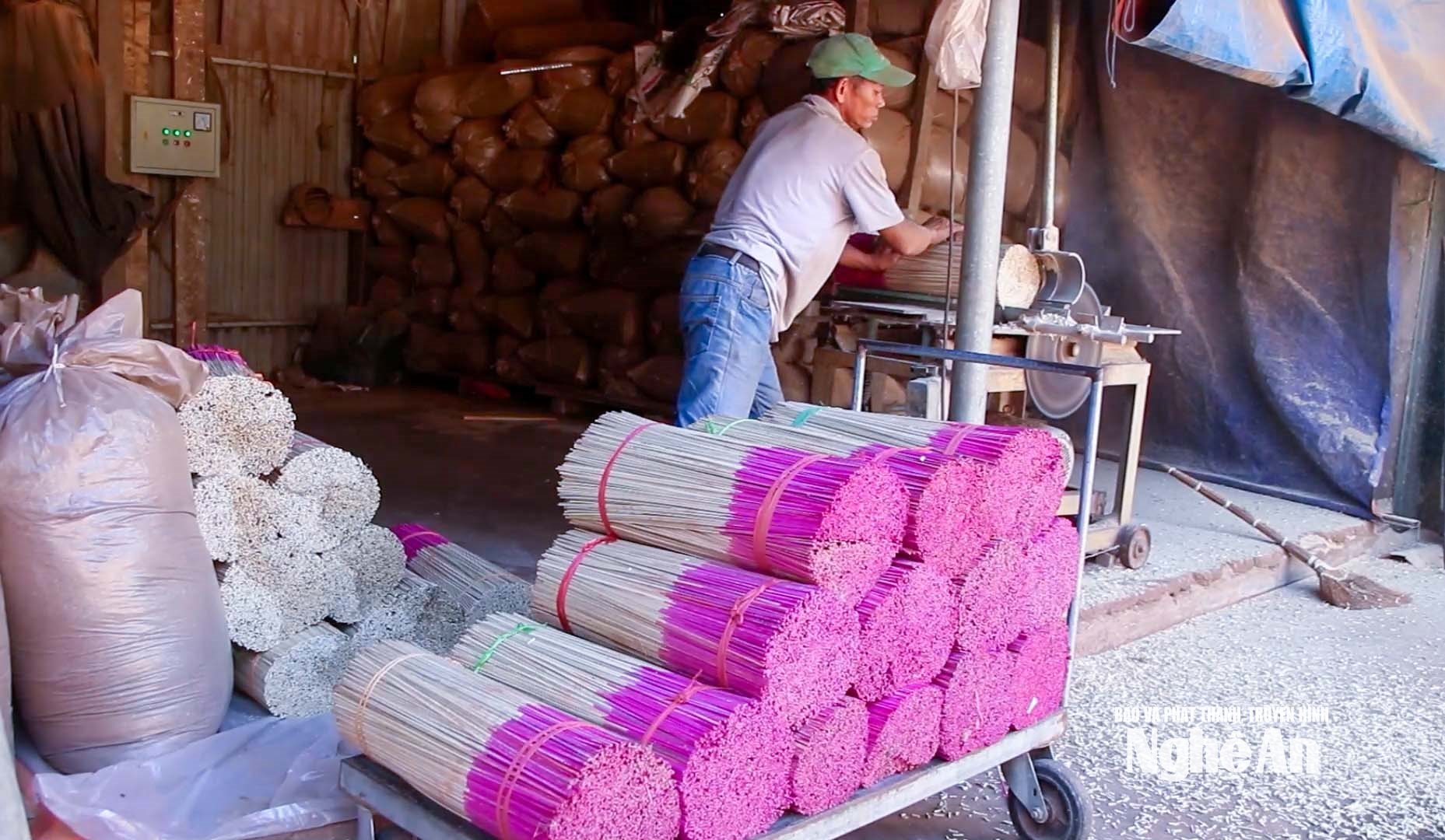
Ms. Ha Thi Tuyet, a worker who has been with the profession for over 5 years, happily said: "The Tet holiday season is the busiest time. Although we work day and night, everyone is excited because we have extra income, enough to provide our families with a warm and prosperous Tet."
Besides providing a stable livelihood for the people, incense making also plays a significant role in the local economic development. Thanks to the family secrets passed down through generations, Quy Chau incense still maintains its unique position in the market.
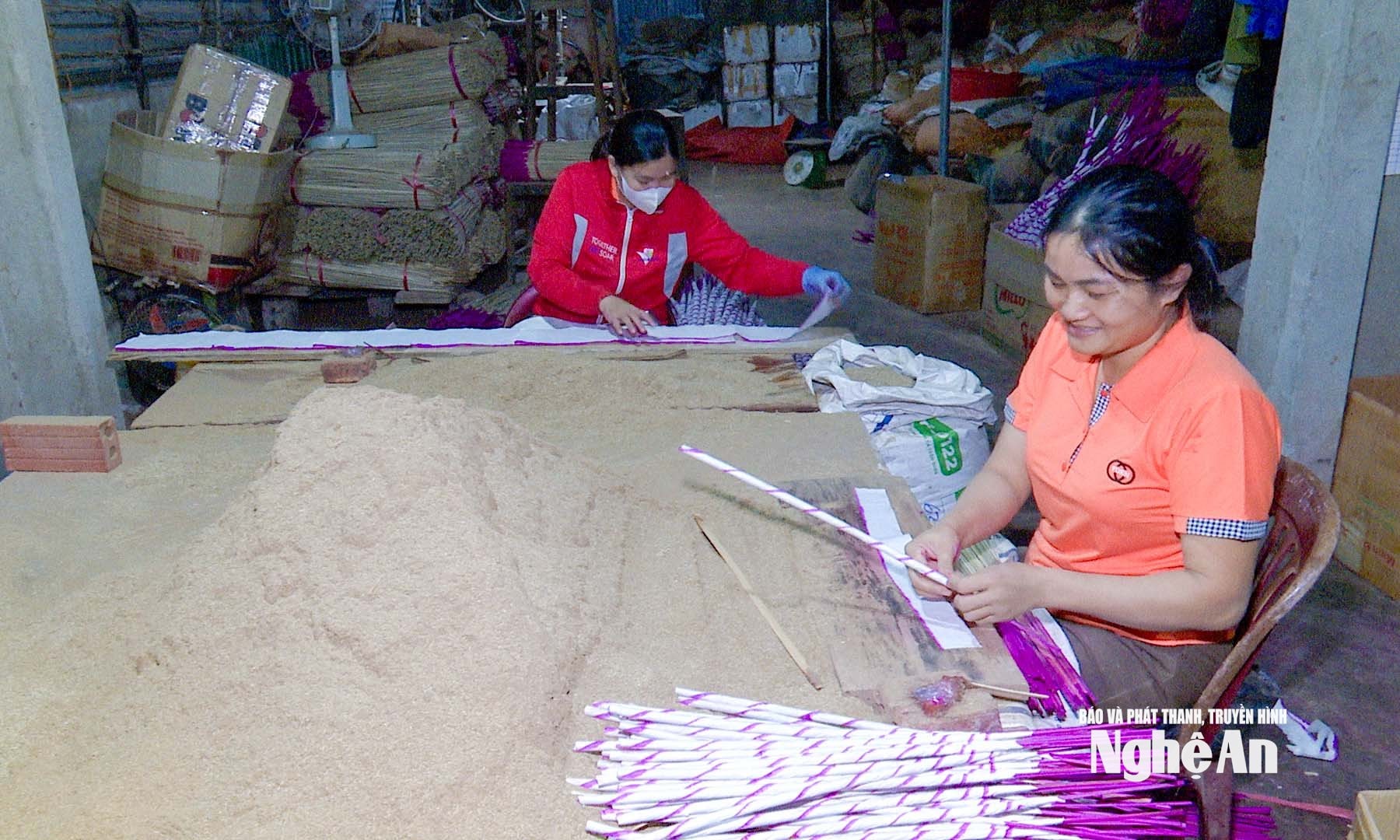
In 2025, incense production in Quy Chau was more vibrant than in previous years. Production facilities focused on diversifying designs, with eye-catching packaging to meet consumer preferences. Alongside this, product promotion through social media platforms like Facebook and Zalo, as well as local trade fairs, helped the Quy Chau incense brand gain increasing recognition.
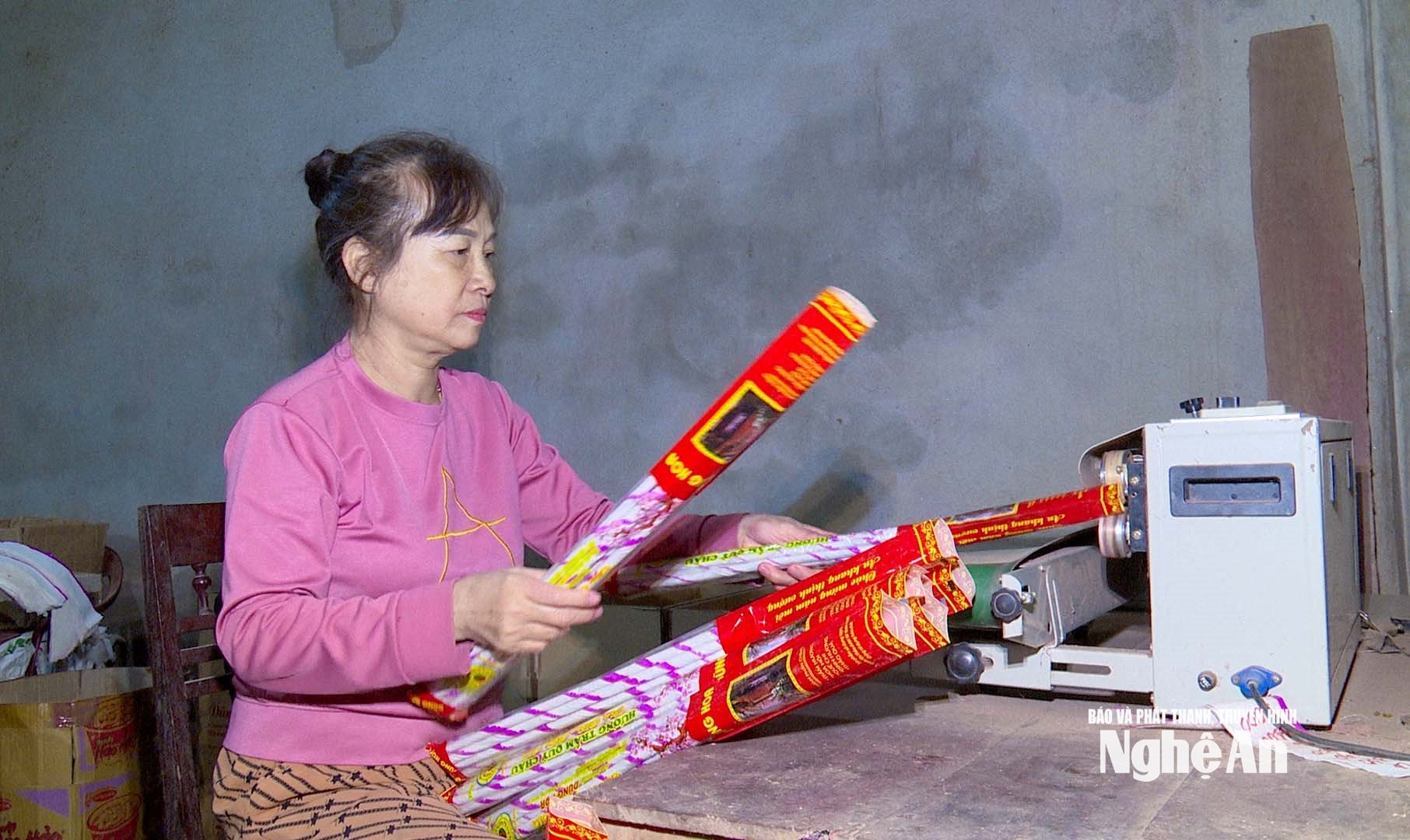
Mr. Tran Bao Linh, Vice Chairman of the Quy Chau Commune People's Committee, shared: "In the coming time, the commune will continue to focus on building and developing the OCOP incense brand, striving to upgrade existing products. Currently, the entire commune has 6 households producing incense that meet the 3-star OCOP standard, creating an important foundation for expanding production scale. In addition, the locality is also planning an area for growing incense root plants, the main raw material for incense making, in order to proactively secure supply and ensure product quality, aiming for sustainable development of the craft village."
For a long time, Quy Chau has been known as the "incense capital" of Nghe An province. This traditional craft not only helps many farming households become prosperous, but also becomes a distinctive product contributing to the development of local cultural tourism. Every spring, the traditional incense-making techniques of the people of Quy Chau are showcased at the Hang Bua Festival, one of the typical cultural activities of western Nghe An, attracting a large number of tourists to visit and experience.
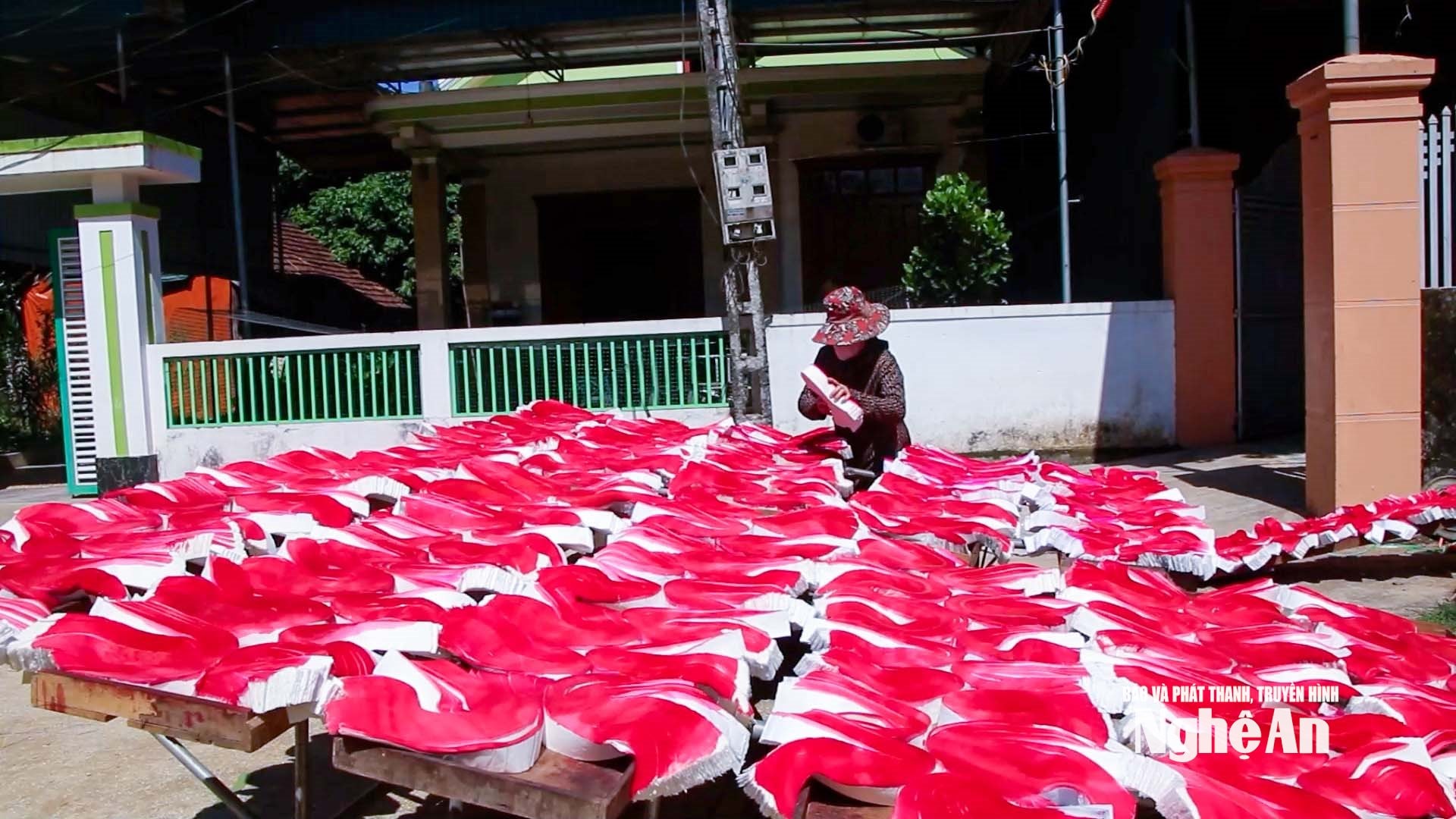
Amidst the hustle and bustle of modern life, the incense of Quy Chau still possesses enduring vitality, like the very soul of the mountains and forests of Nghe An province. The bundles of incense, crafted by the skilled hands of local artisans, not only bring the flavor of Tet (Lunar New Year) and family reunions, but also reinforce the spirit of preserving traditional crafts in the heart of western Nghe An.


