
Untangling the "bottleneck" in developing Party members in disadvantaged villages and hamlets.
In the context of a mountainous area still facing many difficulties and a rapidly changing young workforce, the work of developing Party members faces numerous challenges. However, with strong political determination, the proactive approach of grassroots Party committees, and practical methods from the villages, the Mau Thach commune Party committee has gradually overcome "bottlenecks," unlocked sources for Party development, ensuring both quantity and quality, and contributing to strengthening the leadership role of grassroots Party organizations.
.png)
Khanh Ly - Thanh Phuc/Technique:Hong ToaiDecember 31, 2025
------------o0o------------
In the context of a mountainous area still facing many difficulties and a rapidly changing young workforce, the work of developing Party members faces numerous challenges. However, with strong political determination, the proactive approach of grassroots Party committees, and practical methods from the villages, the Mau Thach commune Party committee has gradually overcome "bottlenecks," unlocked sources for Party development, ensuring both quantity and quality, and contributing to strengthening the leadership role of grassroots Party organizations.

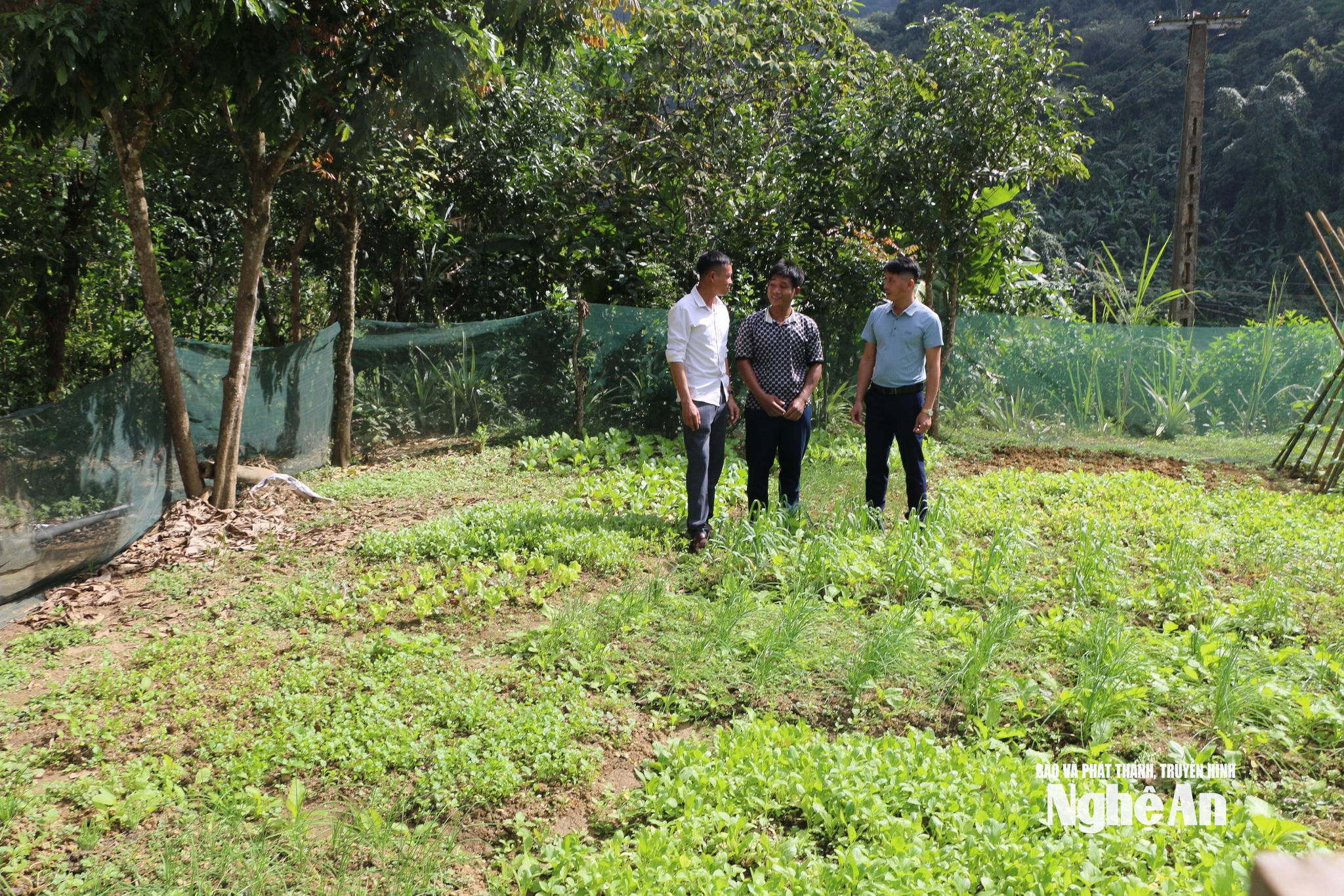
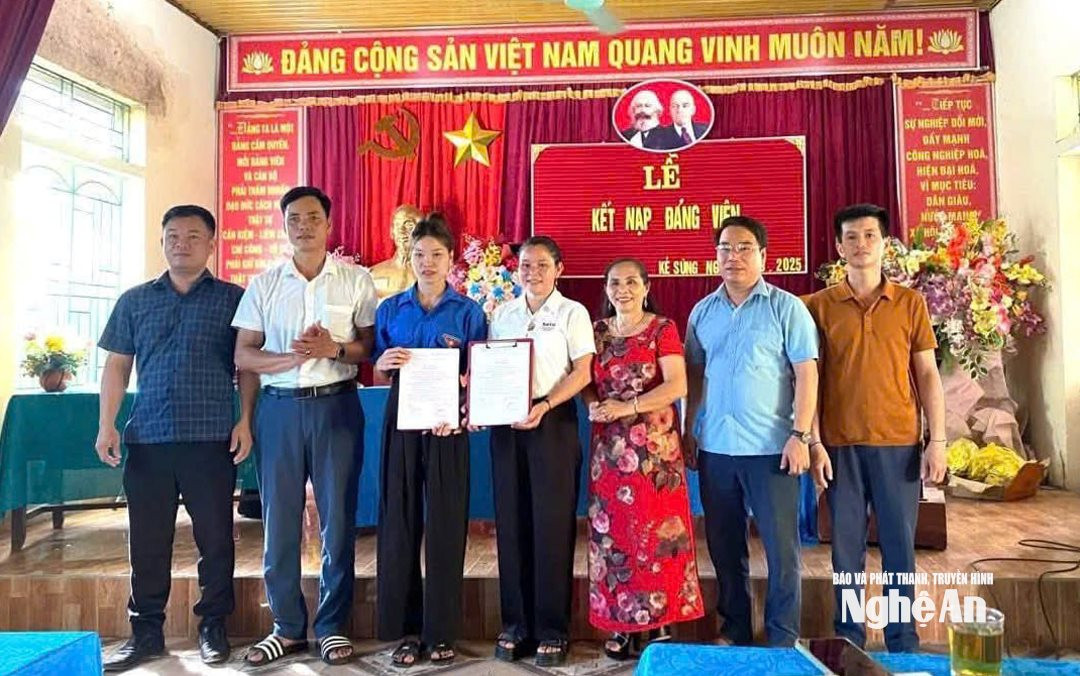
Amidst a small, lush garden filled with various vegetables in the resettlement area of Ba Ha village, Party member La Van Bay (born in 1997), a Dan Lai ethnic minority, proudly showed off his application for official Party membership – a significant milestone for him personally and a source of shared joy for the Dan Lai community here.
Mr. Bay's family is one of 35 households of the Dan Lai ethnic group who used to live in the Bung and Co Phat hamlets, in the upstream area of Khe Khang stream, deep within the core of Pu Mat National Forest (Mon Son commune), and were relocated to Ba Ha hamlet, Mau Thach commune in 2018 according to the policy of the Party and the State.
Coming from a life of "not having enough to eat, not having enough to worry about" deep in the forest, striving to join the Party was once a distant dream for many young people in Dan Lai.
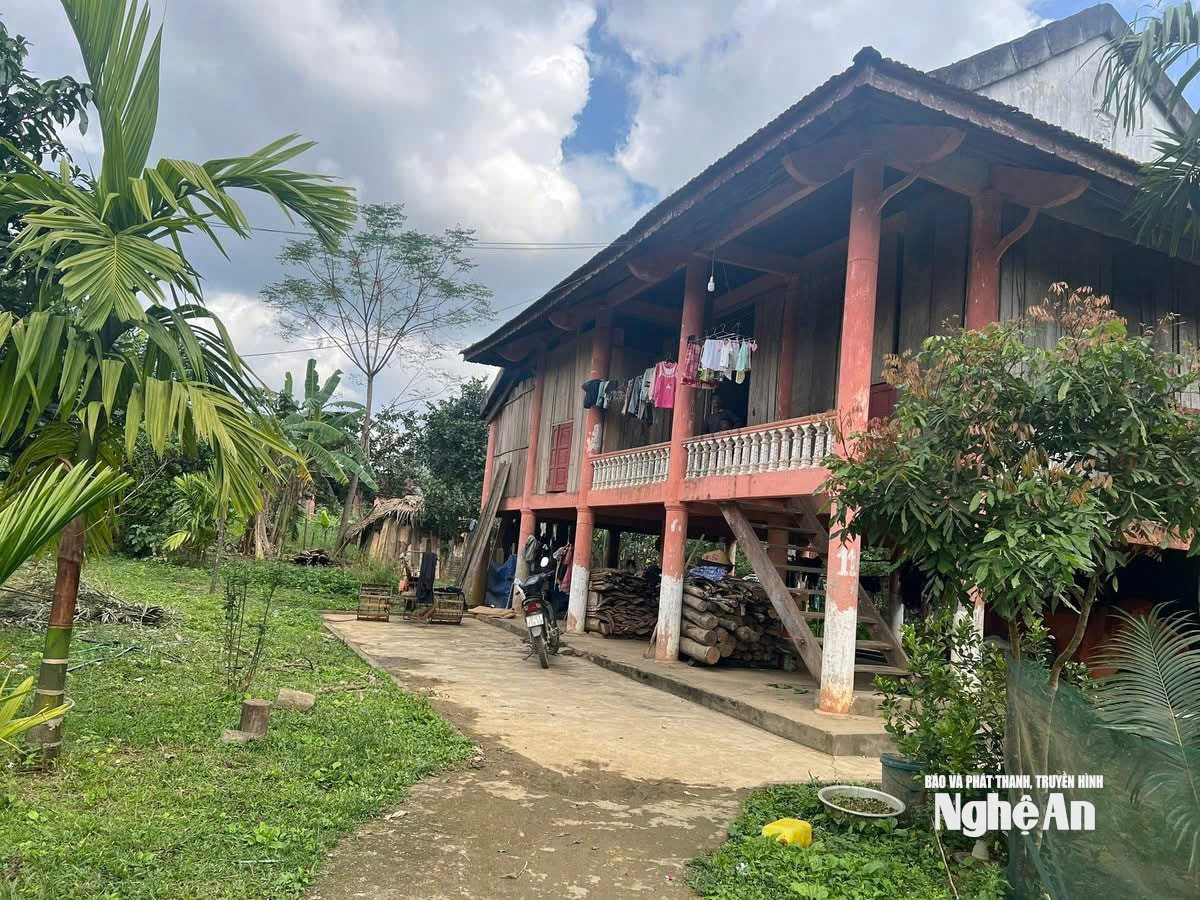
“Regarding our new place of residence, although there are still difficulties, life has changed significantly. We have been educated, given opportunities to do business, and integrated with other ethnic groups. Joining the Party is not only an honor for me personally but also a shared pride of the Dan Lai community,” Mr. Bay shared.
After joining the Party, La Van Bay was entrusted by the Party branch with the responsibility of being the head of the village's security team. While participating in social work, he also focused on developing his family's economy with rice fields, vegetable gardens, chickens, and acacia forests. "Joining the Party allowed me to access many new policies and guidelines, gain more knowledge, and become more aware of my responsibility to set an example in all movements," he said.
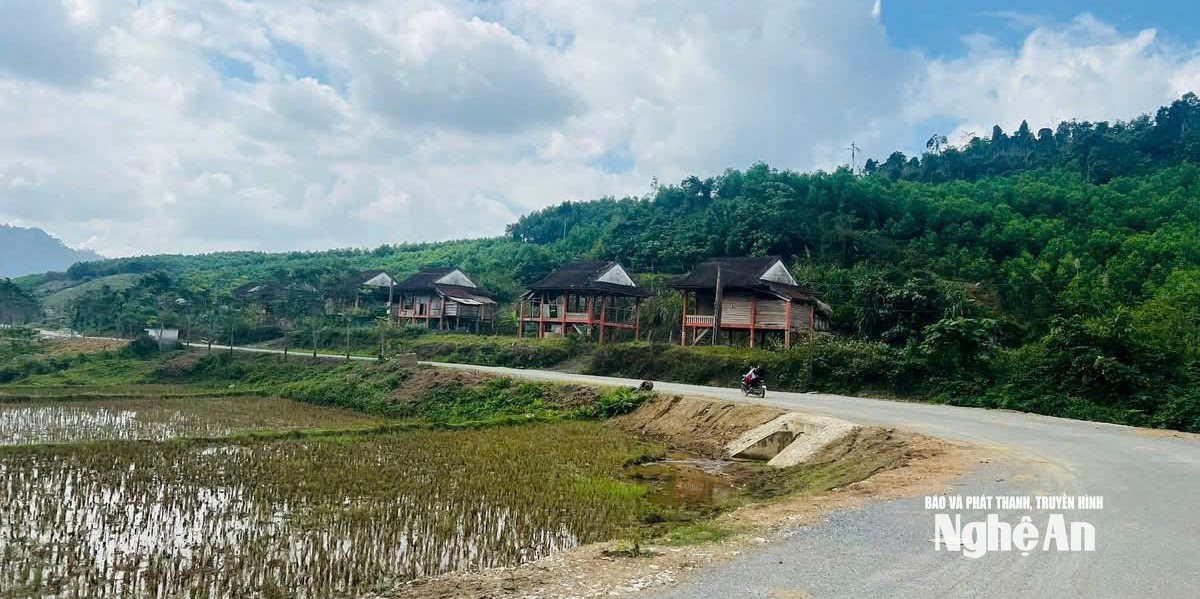
According to Vi Van Hieu (born in 1988), Deputy Secretary of the Party Branch and Head of Ba Ha village, since the Dan Lai households moved to the resettlement area, the Party branch has nurtured and recruited five outstanding young Dan Lai people, including one female Party member – Ms. La Thi Hang (born in 2002), Vice Head of the Women's Association of the village. This is a positive sign, demonstrating a shift in the political awareness of ethnic minorities in this unique region.

Ba Ha is a unique village with 65 households and 263 inhabitants, comprising the Thai and Dan Lai ethnic groups. Implementing the Provincial Party Committee's Project No. 01-DA/TU on building Party branches and developing Party members in difficult areas, the Ba Ha Party branch has always considered Party member development as a key political task, ensuring continuity and enhancing the fighting capacity of the Party organization. Despite facing many obstacles such as young laborers leaving for work and the pressure of making a living, under the close leadership of the Party committee, especially since Comrade Vi Van Dien (born in 1985), Vice Chairman of the Fatherland Front of the commune, was transferred to become the Party branch secretary, Party development work in Ba Ha has made significant progress.
From 2022 to 2025, the Ba Ha Party Branch admitted 6 new party members, mainly youth union members and farmers' association members. Currently, the branch has 12 party members (11 local members), 1 outstanding individual preparing for admission, and 8 individuals who have participated in the Party awareness training course.
Party Branch Secretary Vi Van Dien stated: "To mobilize the masses to join the Party, first and foremost, the Party branch committee and each Party member must truly be close to the people, understand the people, and be exemplary in all matters. The prestige of the Party organization is built from the image and concrete actions of each Party member. Alongside propaganda, the process of finding, creating, and nurturing potential members must be implemented synchronously, with the genuine involvement of mass organizations. Newly admitted Party members need to be assigned specific tasks to train and affirm their role," he emphasized.
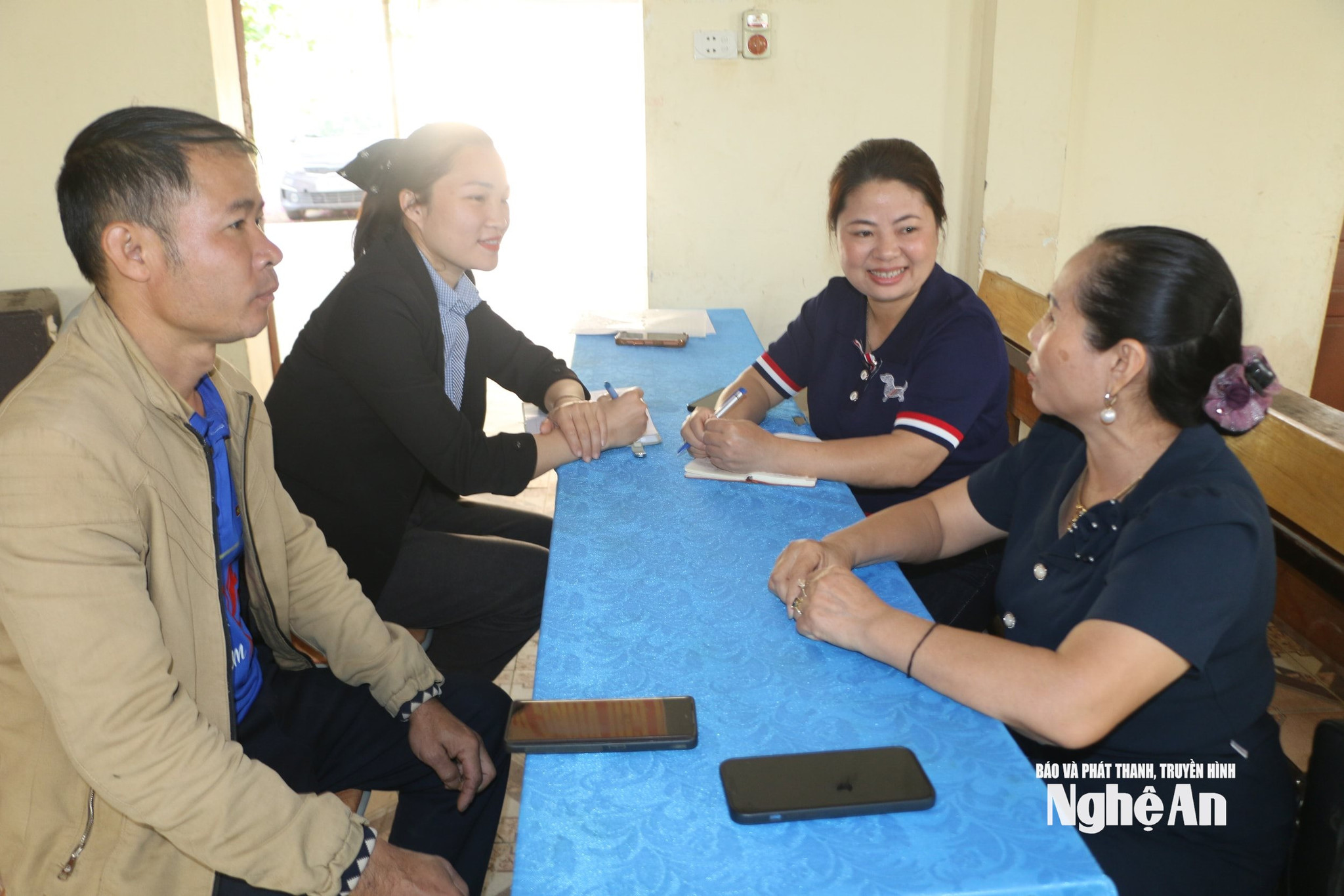
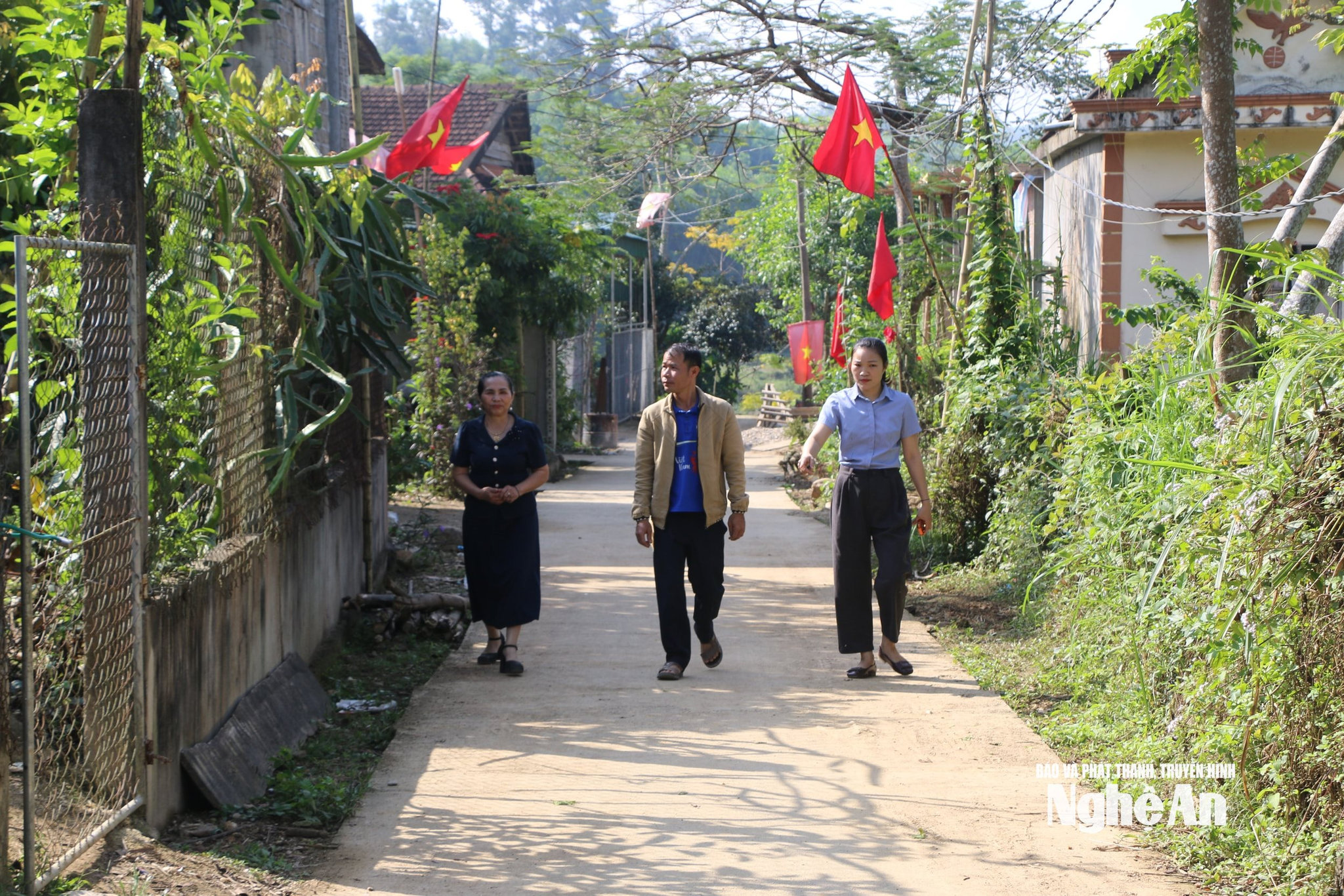
Not only in Ba Ha, but also in Ke Sung village, the work of developing Party membership is closely linked to emulation movements in the villages. From building roads, constructing cultural institutions, flower-lined roads, flag-lined roads, to self-managed roads and waste collection, every movement bears the pioneering mark of cadres and Party members.
Specifically in the new rural development program for the period 2021-2025, Ke Sung village has had 135 households, primarily Party members, donate 6,732 m² of land and over 3,500 trees of various types worth over 100 million VND; contribute nearly 300 million VND in cash and 2,950 days of labor to expand internal village roads and residential roads; and nearly 250 million VND mobilized to upgrade the community cultural center, build playgrounds, and provide shelter.
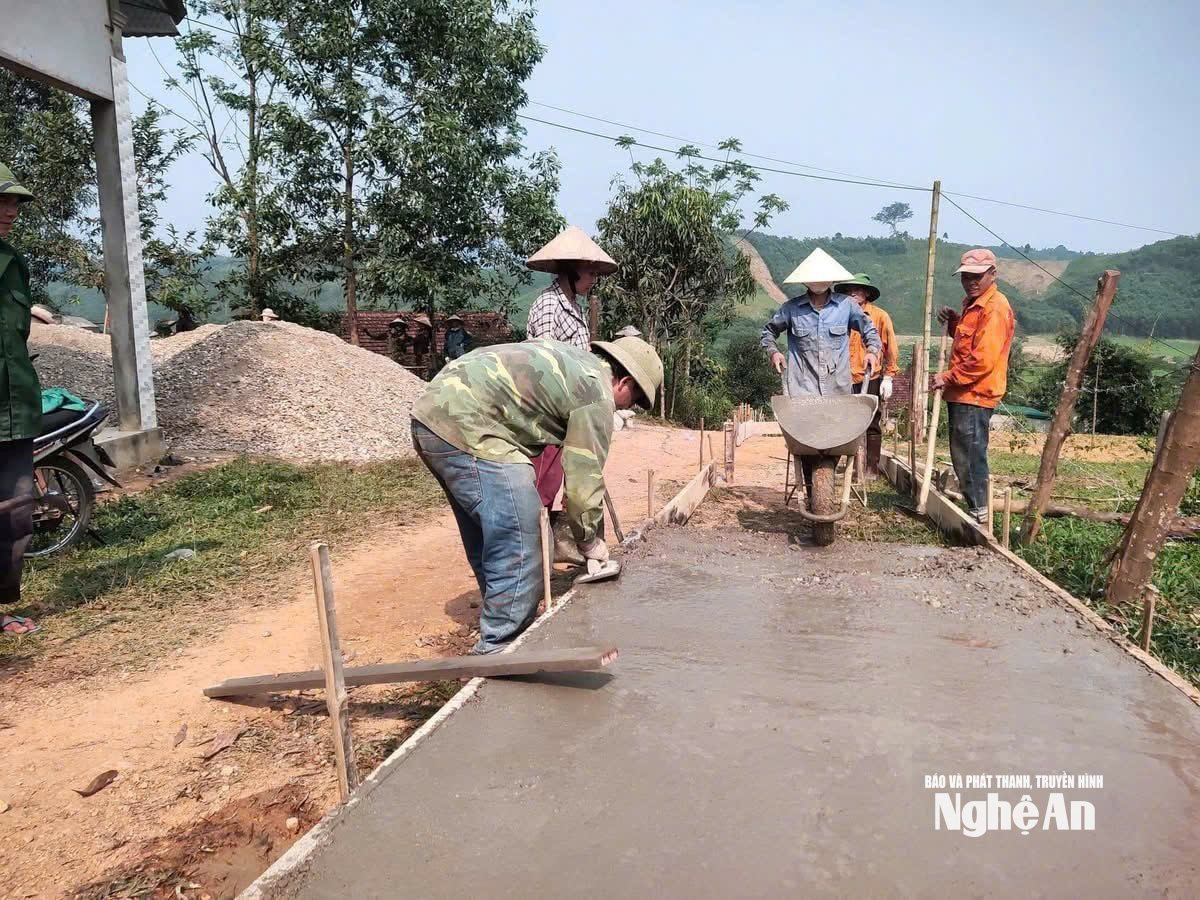
According to Hai Van Thi, Party Branch Secretary and Head of Ke Sung Lang village: “Through this movement, people clearly see the exemplary spirit of Party members and the leading role of the Party organization, thereby having the motivation to strive. In addition, to promote household economic development, sustainable poverty reduction, and retain young laborers in the locality to create an effective source for Party development, Party member families must have a relatively prosperous economy; they cannot be poor households.”
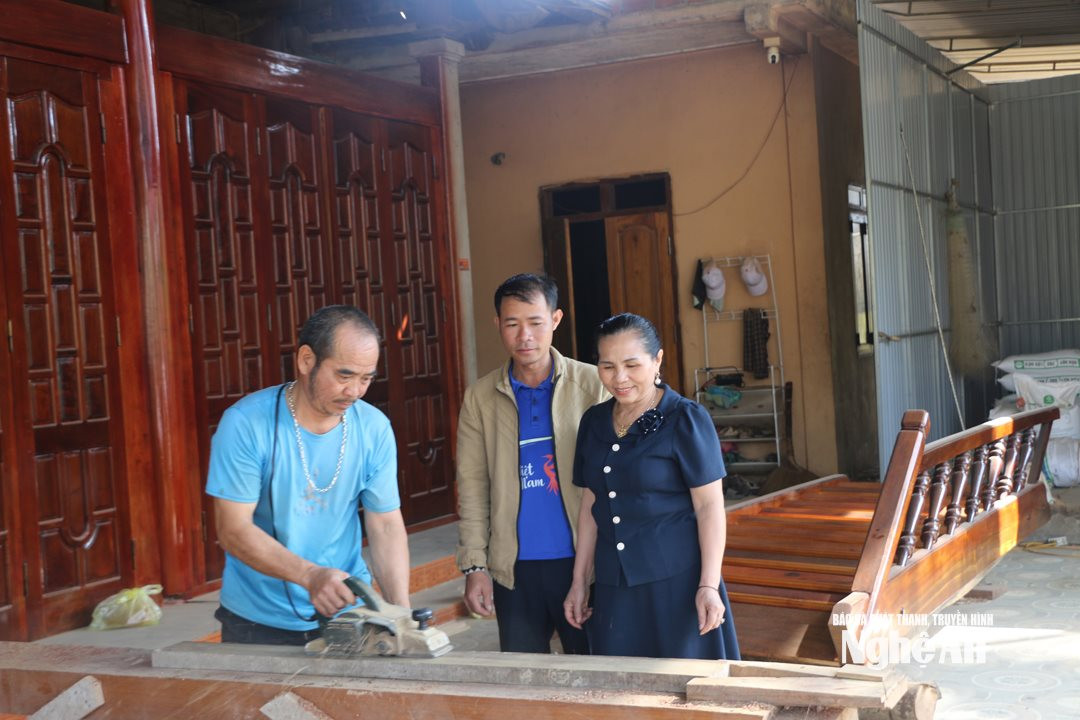
In fact, many Party members in Ke Sung are exemplary in economic development, such as the family of Party Branch Secretary Lang Thi Hai Van with their integrated livestock and crop farming model; and Party member Lang Van Vinh (born in 1987) – Party branch committee member and Youth Union Secretary – who established a team of workers, both developing the economy and creating jobs for local laborers. A special feature of the Ke Sung Party Branch is that the Party committee assigns core Party members to directly participate in the activities of mass organizations to understand the movements and promptly identify new talents.
As a result, in 2025 the Party branch admitted 3 new members (exceeding the target), bringing the total number of Party members to 49, including 8 women.
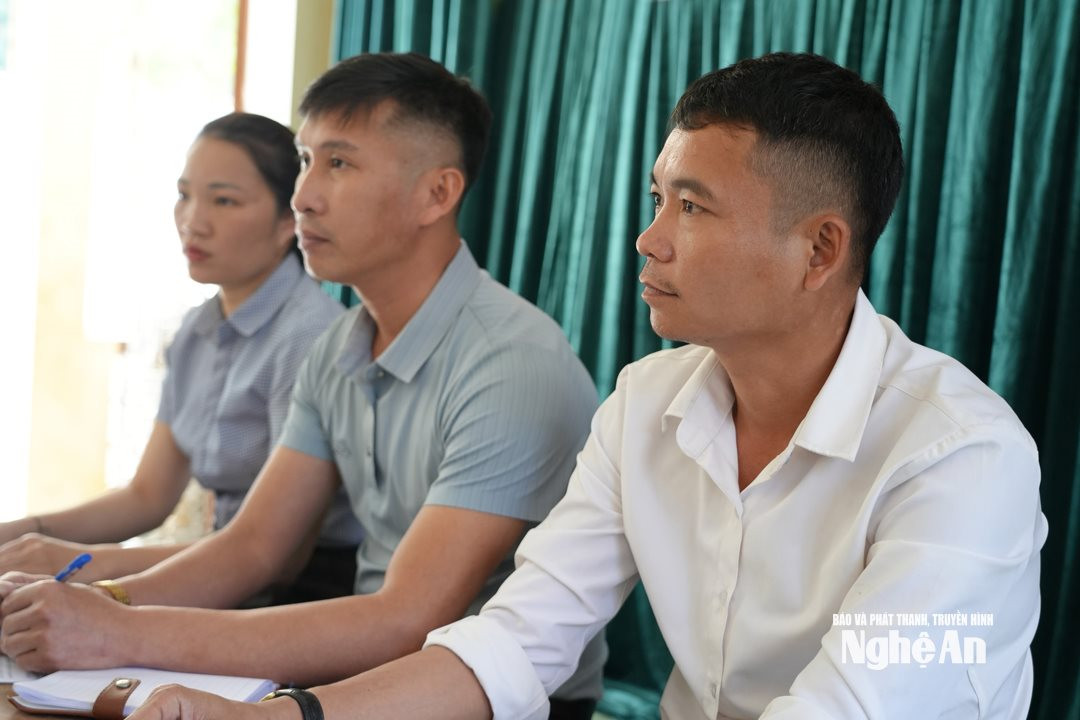
From Ba Ha to Ke Sung, it is evident that the proactive approach of grassroots Party committees and the pioneering spirit and exemplary conduct of Party members are the "key" to preserving and nurturing the "red seeds" in the villages.
.png)
The Party Committee of Mau Thach commune, formed by the merger of Mau Duc and Thach Ngan communes, currently has 31 subordinate branches (including 20 village branches) with a total of 639 party members.
Recognizing that developing Party members is a crucial political task, directly linked to the leadership capacity of the Party organization in the context of the newly operating two-tiered government, the commune Party Committee promptly reviewed and identified "bottlenecks" to find appropriate solutions.
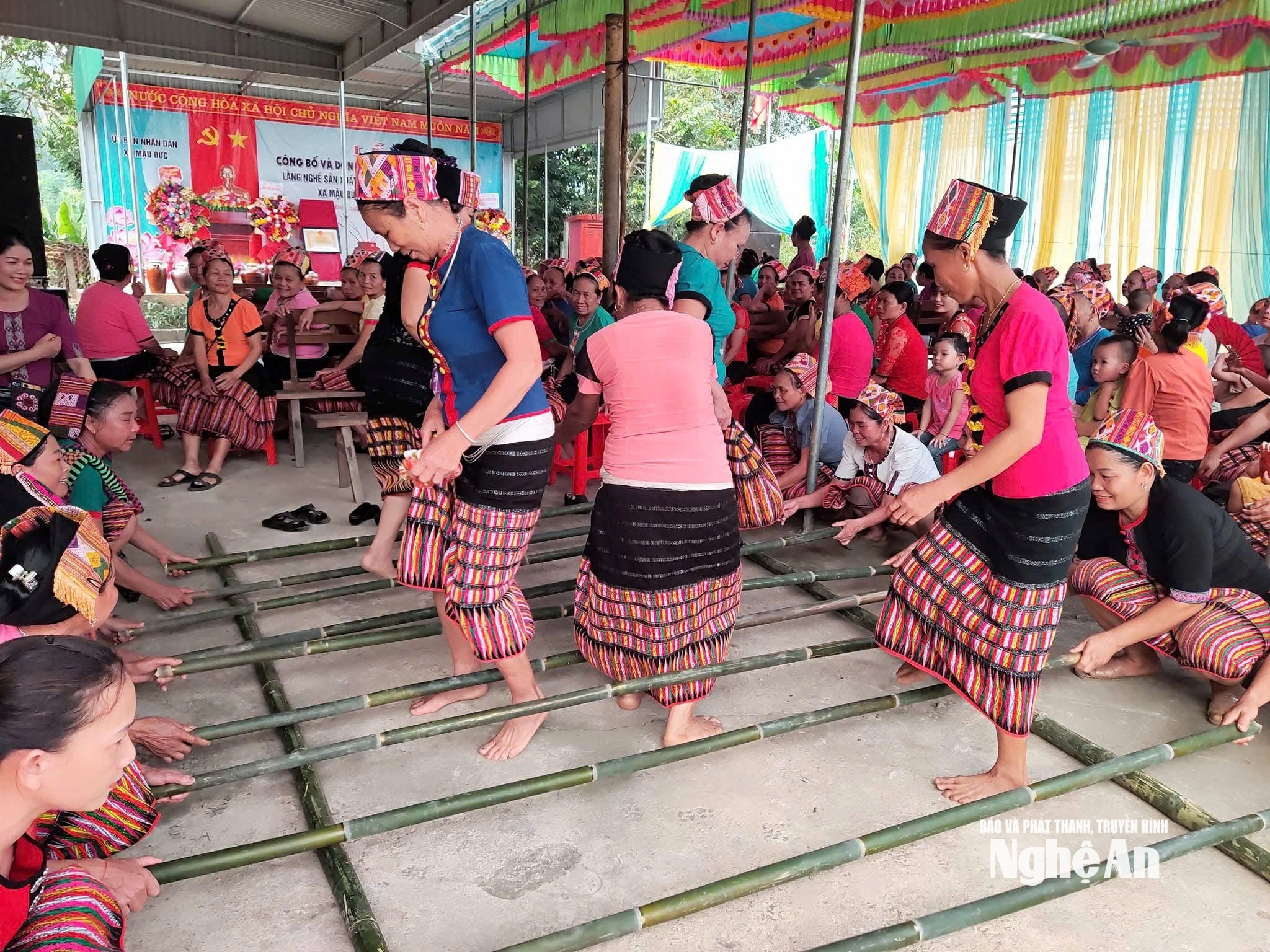
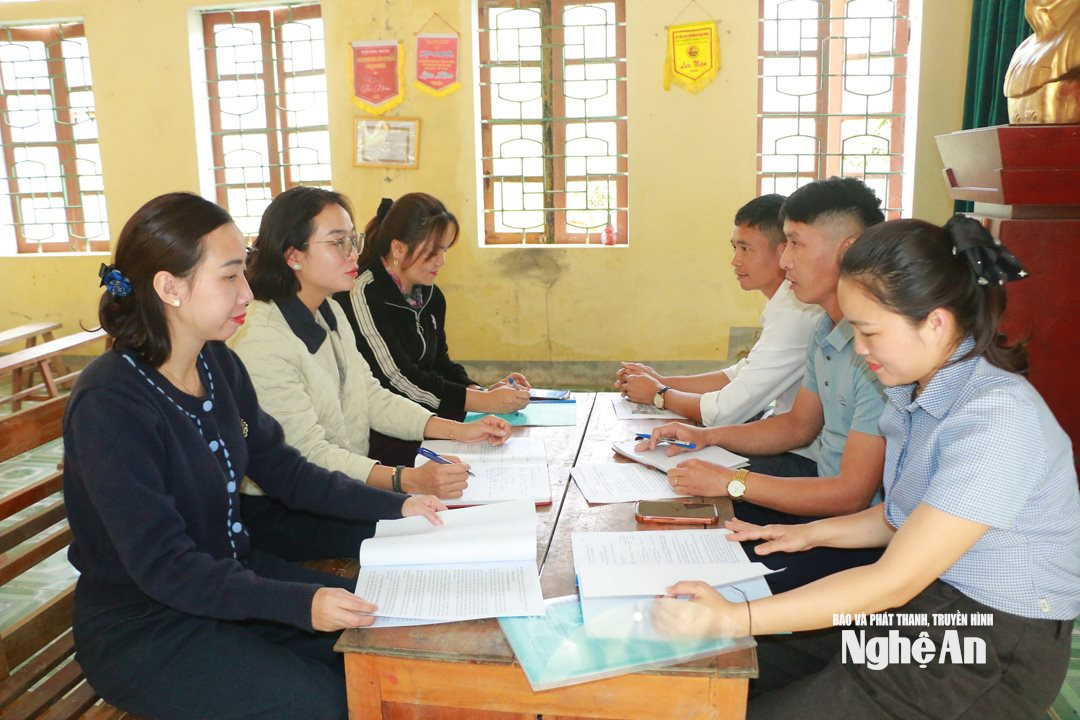
Immediately after the system became operational, the Mau Thach Commune Party Committee organized a thematic conference on Party development work, working directly with Party branches that had not met the progress; assigned the Party Building Committee to monitor sources, provide professional guidance, and appraise dossiers; assigned the Inspection Committee to strengthen the inspection of the regular activities of Party branches and mass organizations; and promoted the role of Party committee members in charge of grassroots units and civil servants in charge of villages in finding sources and training the masses, especially in the field of education.
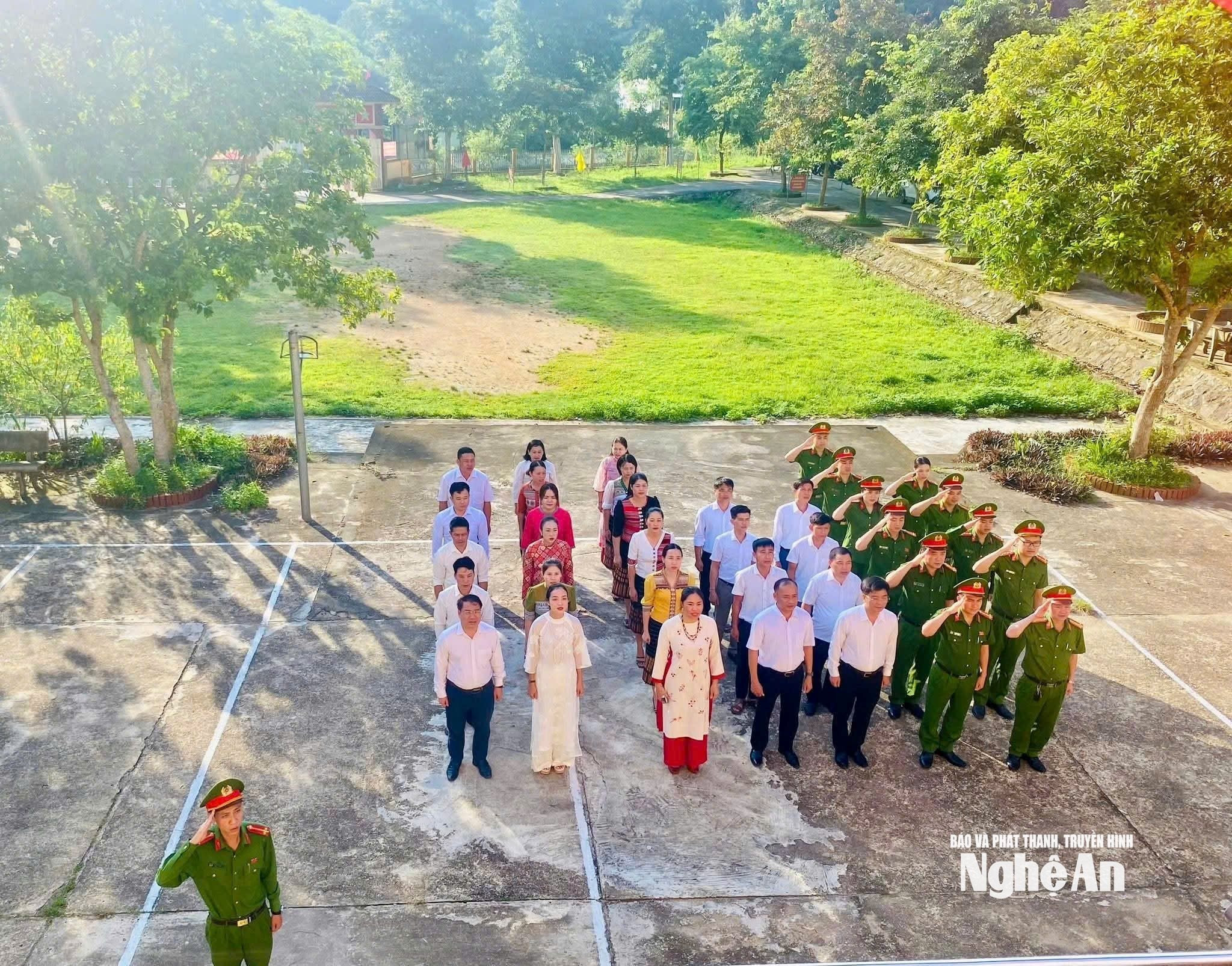
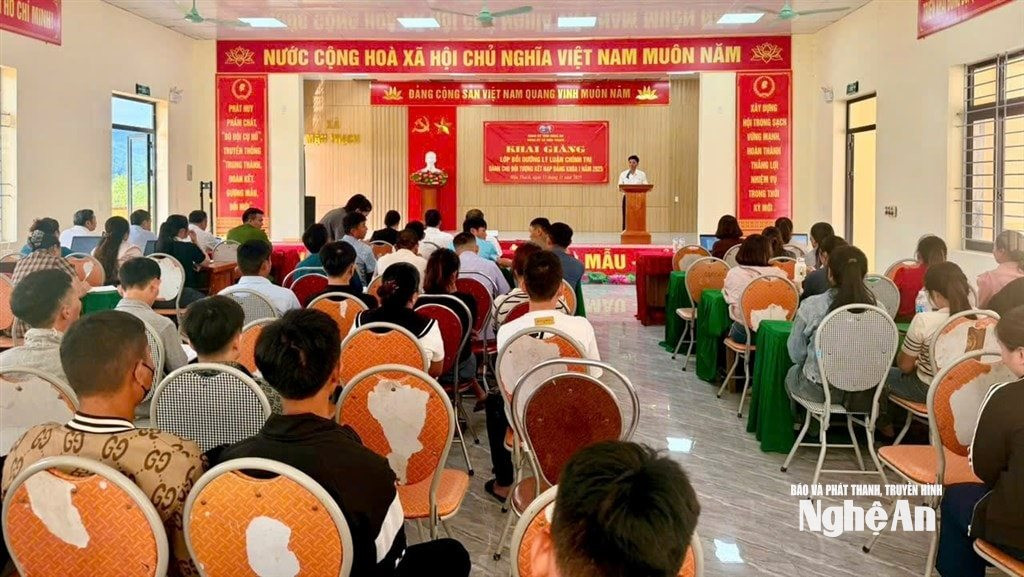
Simultaneously, the Standing Committee of the Mau Thach Commune Party Committee organized the opening of a political theory training course for prospective Party members with 59 participants; it also requested that Party branches proactively review potential candidates, assign official Party members to monitor and mentor them, and incorporate the content of candidate recruitment into regular meetings.
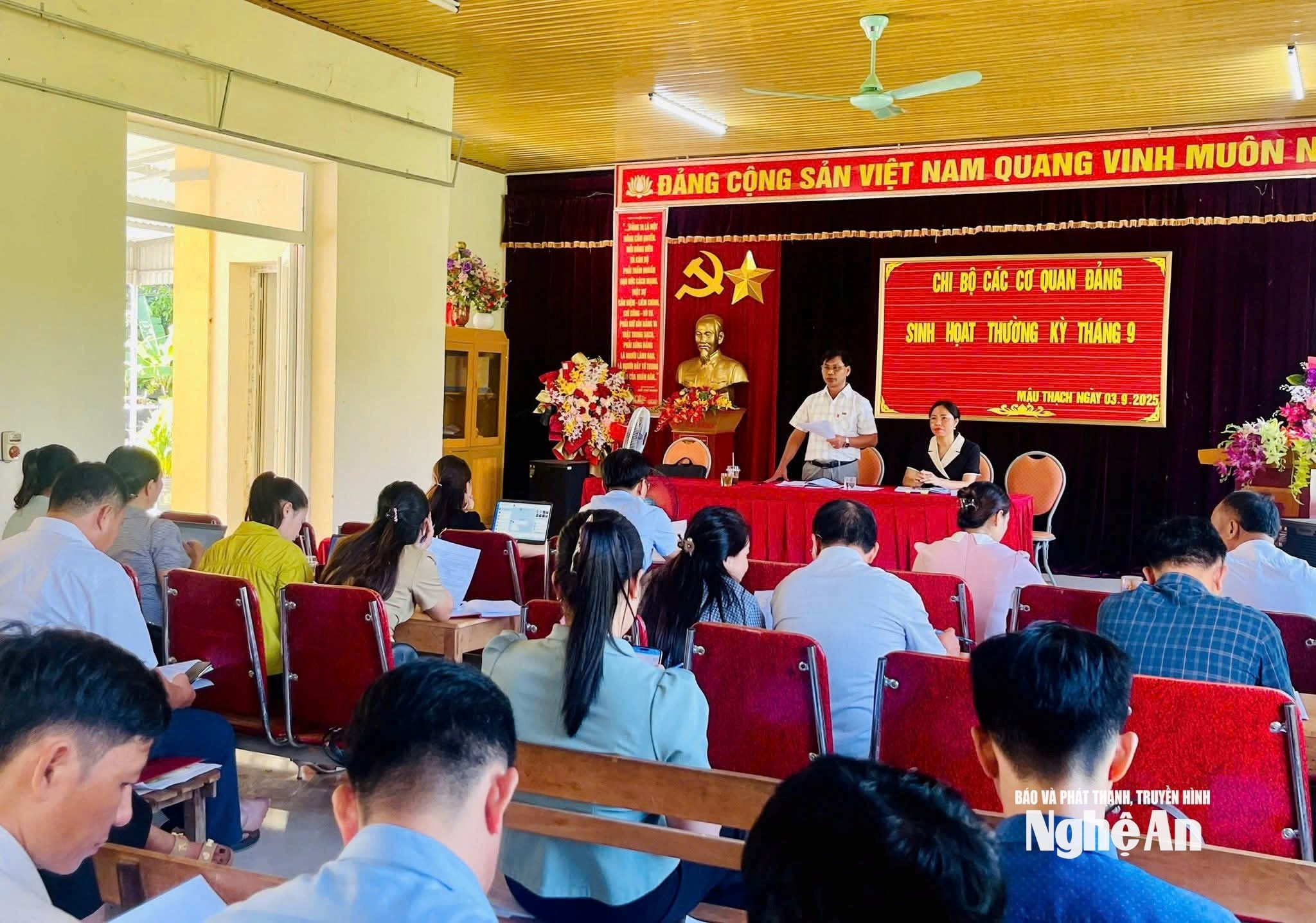
According to Comrade Lu Thi Bang Chau, Head of the Party Building Committee of Mau Thach commune, difficulties such as uneven levels of education, the hesitant attitude of some people, and the departure of young laborers from the locality... require the Party Committee to innovate its methods and implement comprehensive, long-term solutions to both ensure the number and improve the quality of Party members.
The commune Party Committee strengthened the inspection of the quality of Party branch meetings according to Regulation No. 27-QĐ/TU; assigned members of the Standing Committee and Executive Committee to attend regular Party branch meetings to promptly address difficulties; assigned part-time cadres to serve as Party branch secretaries in difficult-to-reach villages; and at the same time, directed political and social organizations to promote emulation movements, considering this an important channel for creating sources for Party development.
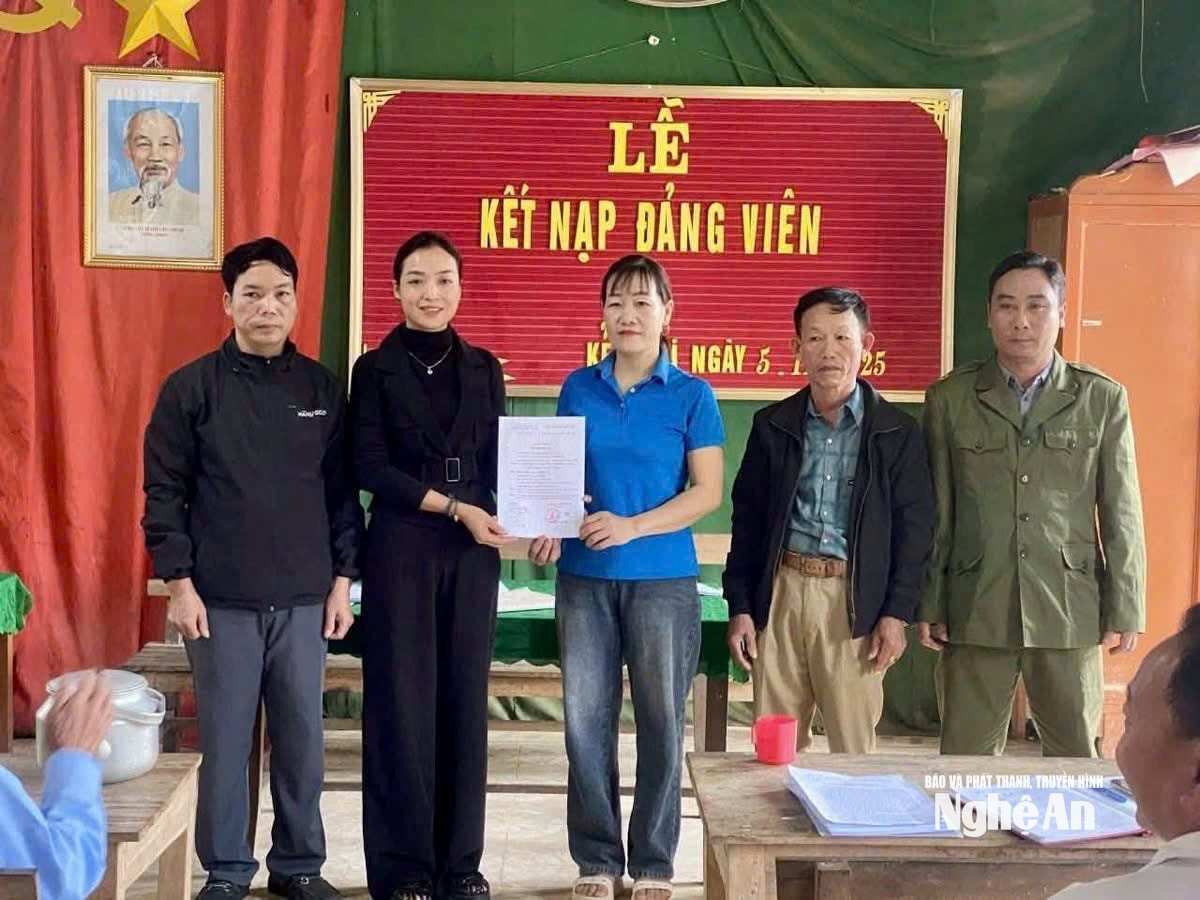
As a result, the movements of the Youth Union and Youth Association organizations are increasingly closely linked to the work of identifying, nurturing, and recommending outstanding members. Propaganda work has been reformed, helping the masses clearly understand that joining the Party is a great honor but also the starting point of a long process of self-improvement and dedication.
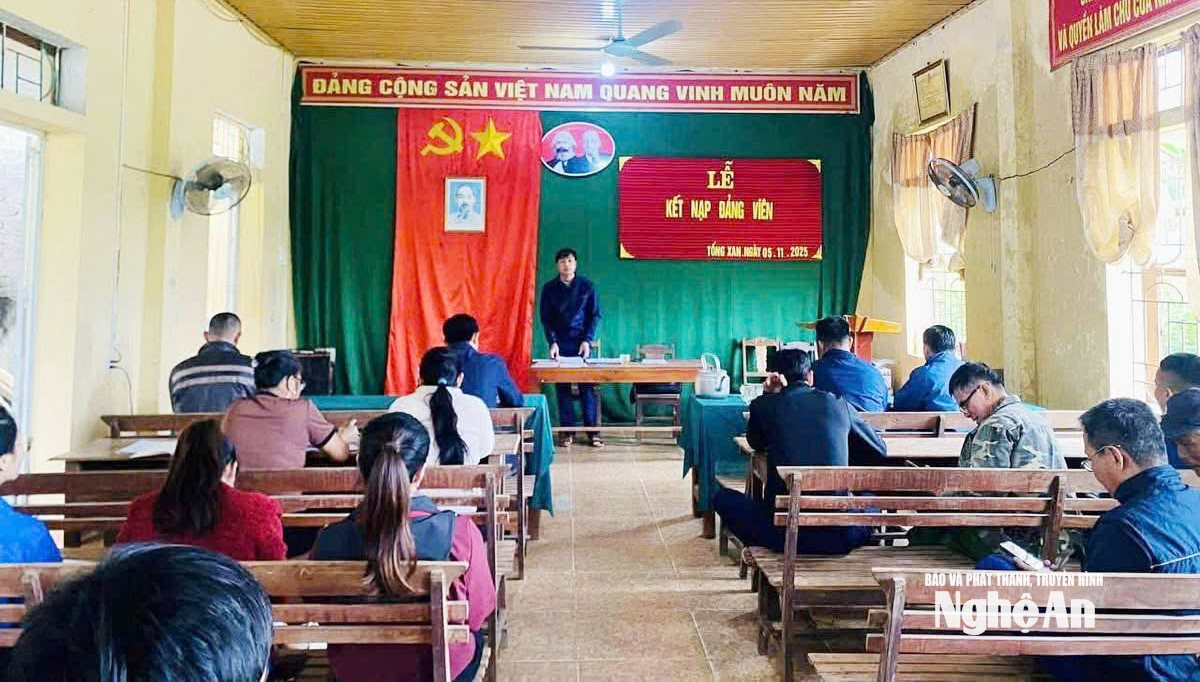
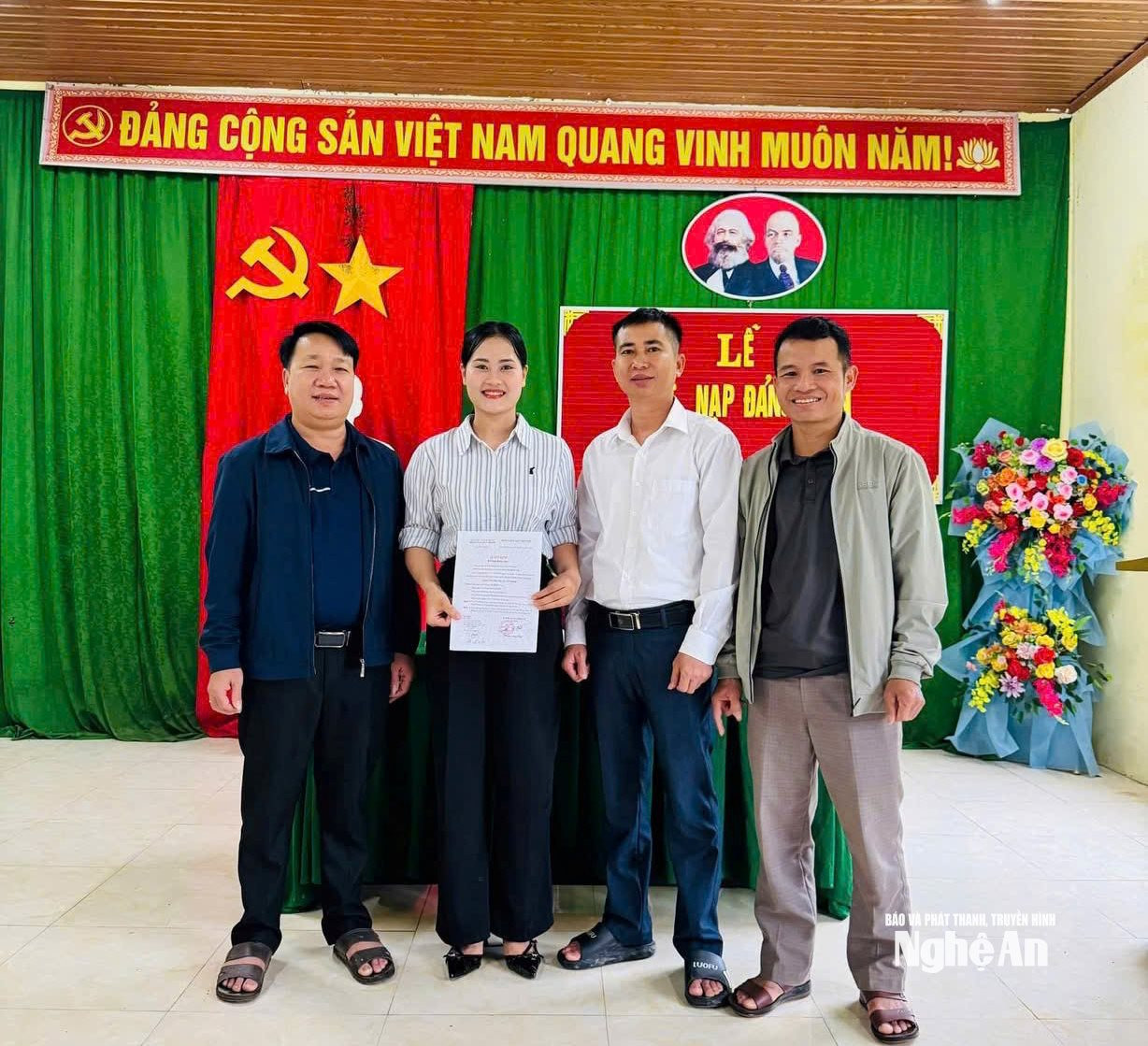
Thanks to comprehensive solutions, from July 1, 2025 to the present, the Party Committee of Mau Thach commune has admitted 11 new party members (bringing the total to 14 party members for the year), and converted 12 probationary party members into full members.
The experience in Mau Thach shows that when Party committees closely monitor the grassroots, clearly assign responsibilities, proactively create sources of Party members, and work alongside the masses, the work of developing Party members will go deeper, creating sustainable changes in Party building in mountainous areas that still face many difficulties.


