
Untangling the material bottleneck for school construction projects in border areas.
The scarcity of sand, stone, and fill soil is becoming a major bottleneck, directly affecting the construction progress of the Ethnic Minority Boarding Schools (Primary and Secondary levels) in the mountainous and border areas of Nghe An province. With the new school year approaching, resolving the difficulties regarding construction materials is a critical requirement to ensure the projects are completed on schedule and meet the educational needs of students in these highland areas.
Lack of materials is causing difficulties for many construction projects.
In early June, at the Nhon Mai Commune Ethnic Boarding School (Primary and Secondary levels), dozens of workers were still busy completing the remaining construction items. This is one of the key educational projects invested in to meet the learning and living needs of students in the border region.
However, after numerous attempts to address landslides on the embankment and deal with weak soil conditions due to complex geological factors, the project continues to face new difficulties as construction materials become increasingly scarce.
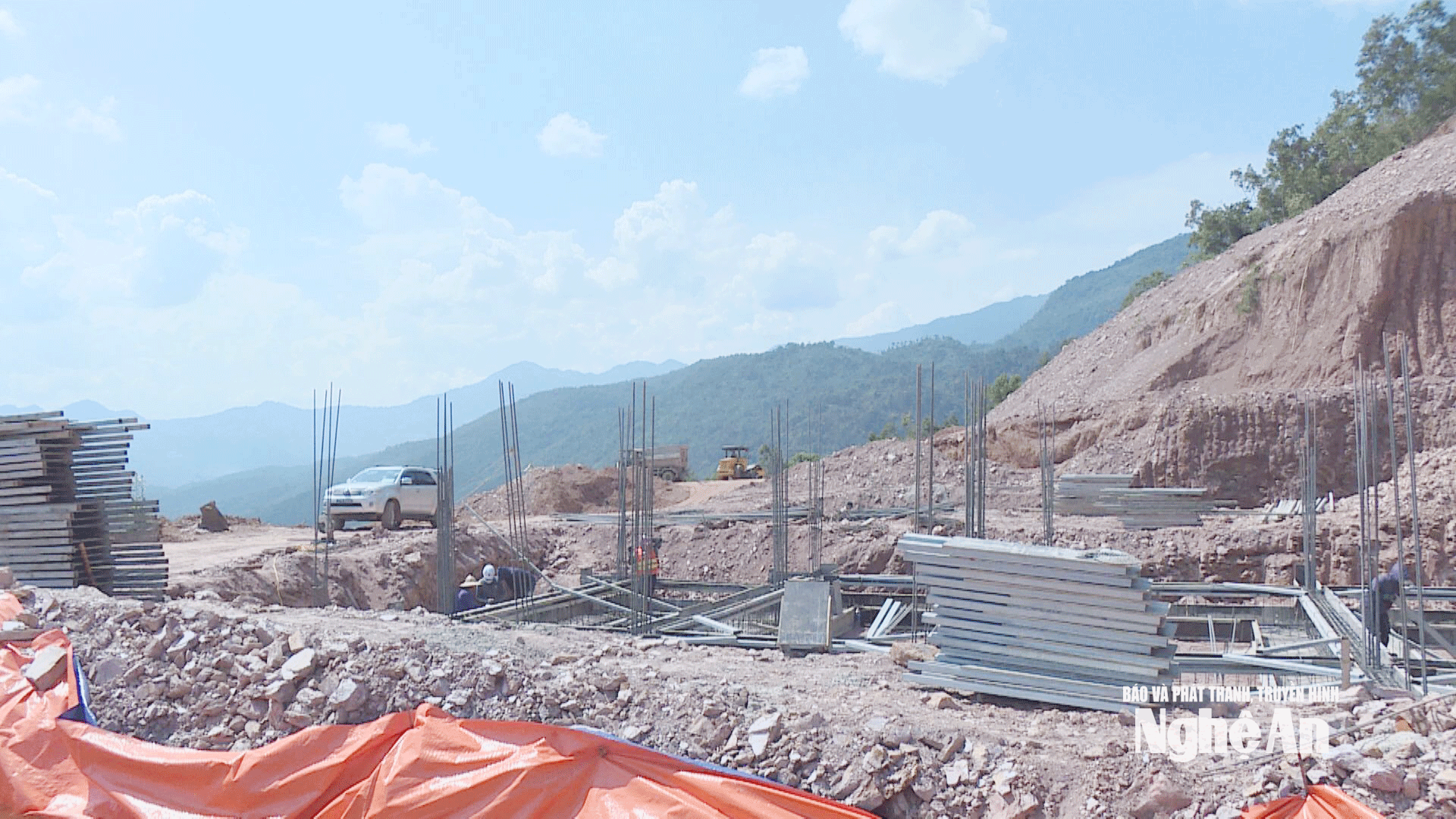
According to the consulting and supervision unit, finding sources of sand and stone for construction is currently facing many obstacles. Many material quarries in the area and surrounding regions have run out of supply or only have very limited reserves.
Mr. Nguyen Danh Nghiem, the construction supervision consultant for Nhon Mai Inter-level School, said: "Besides geological difficulties, the biggest problem right now is the source of sand and stone. All material quarries report that their supply is almost depleted, which greatly affects the construction progress."
Not only Nhon Mai, but the Tam Thai Ethnic Boarding School project, which includes primary and secondary levels, is also facing significant pressure from a shortage of construction materials.
Due to weak soil conditions and subsidence in many areas, the volume of concrete used for the foundation nearly doubled compared to the original design. Meanwhile, construction stone is becoming increasingly scarce, requiring transportation from distant quarries, which increases costs and prolongs delivery times.
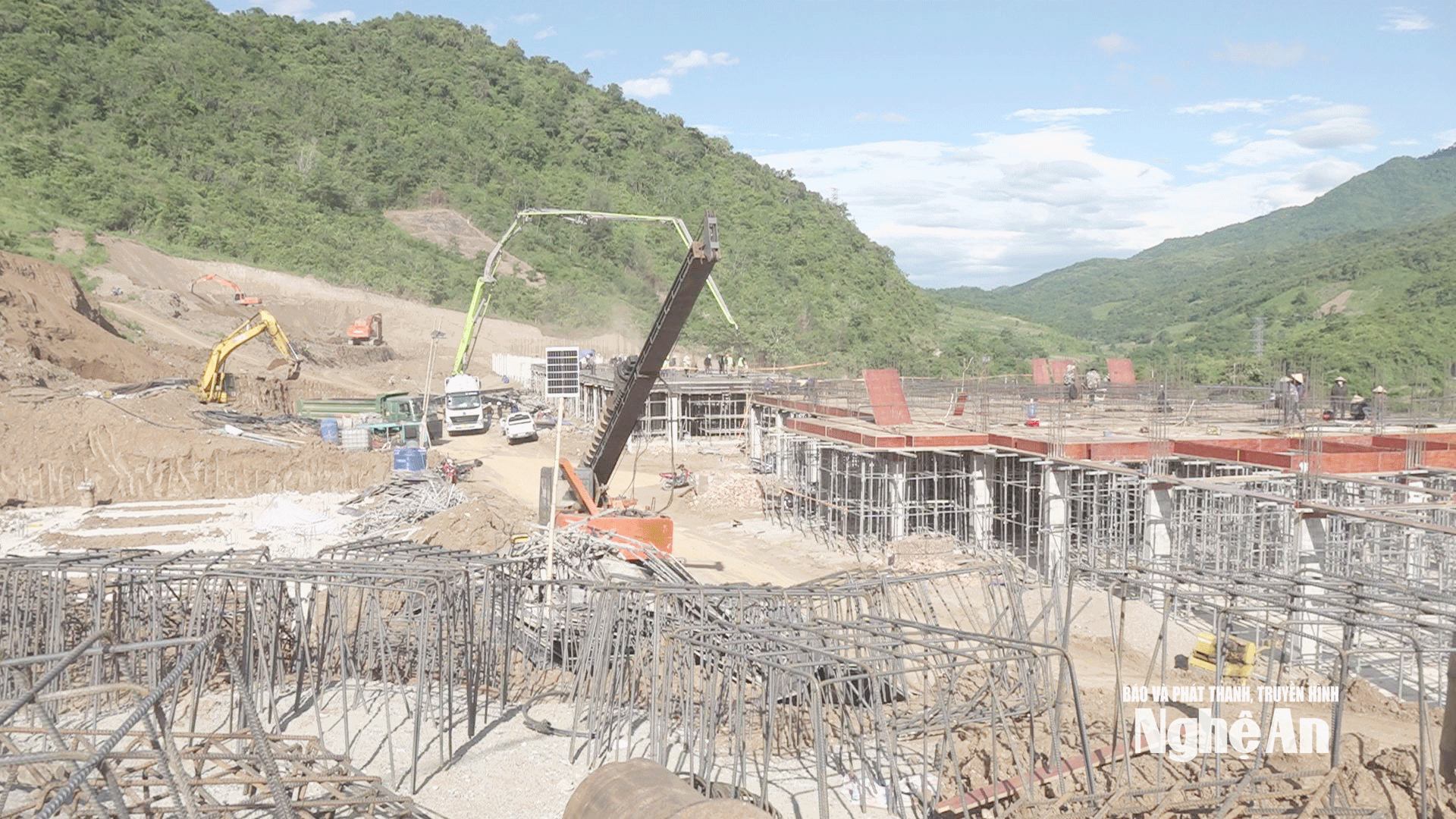
Mr. Nguyen Duc Vinh, Project Management Director of Tam Thai Ethnic Boarding Primary and Secondary School, shared: "There are many difficulties, but this is a unique project with significant importance for students in the border region, so the unit is still focusing its human resources and equipment to ensure the progress and quality of the project."
According to contractors, if the shortage of sand, stone, and fill soil continues, many items risk falling behind schedule, affecting the goal of putting the project into operation on time.
Expectations from on-site material sources
Faced with a prolonged shortage of construction materials, the leaders of Nghe An province have repeatedly directed relevant departments, agencies, and localities to review, survey, and expedite procedures for granting permits to exploit local material mines to serve the construction of key projects, especially school buildings in border areas.
Among the sources of materials expected to help overcome the current difficulties, the Kem Ai irrigation dam in Tri Le commune is considered to have great potential.
The Kem Ai dam was constructed in 2005 with a designed capacity of over 700,000 cubic meters of water. After nearly 20 years of operation, the upstream dam bed has been severely silted up by large amounts of sand and mud accumulated over the years.
Surveys conducted by specialized agencies indicate that approximately 700,000 cubic meters of sand can be recovered from this area through dredging the dam's bottom. This material could fully meet the needs for constructing multi-level school buildings in the Northwest border region, Nghe An province, and neighboring localities.
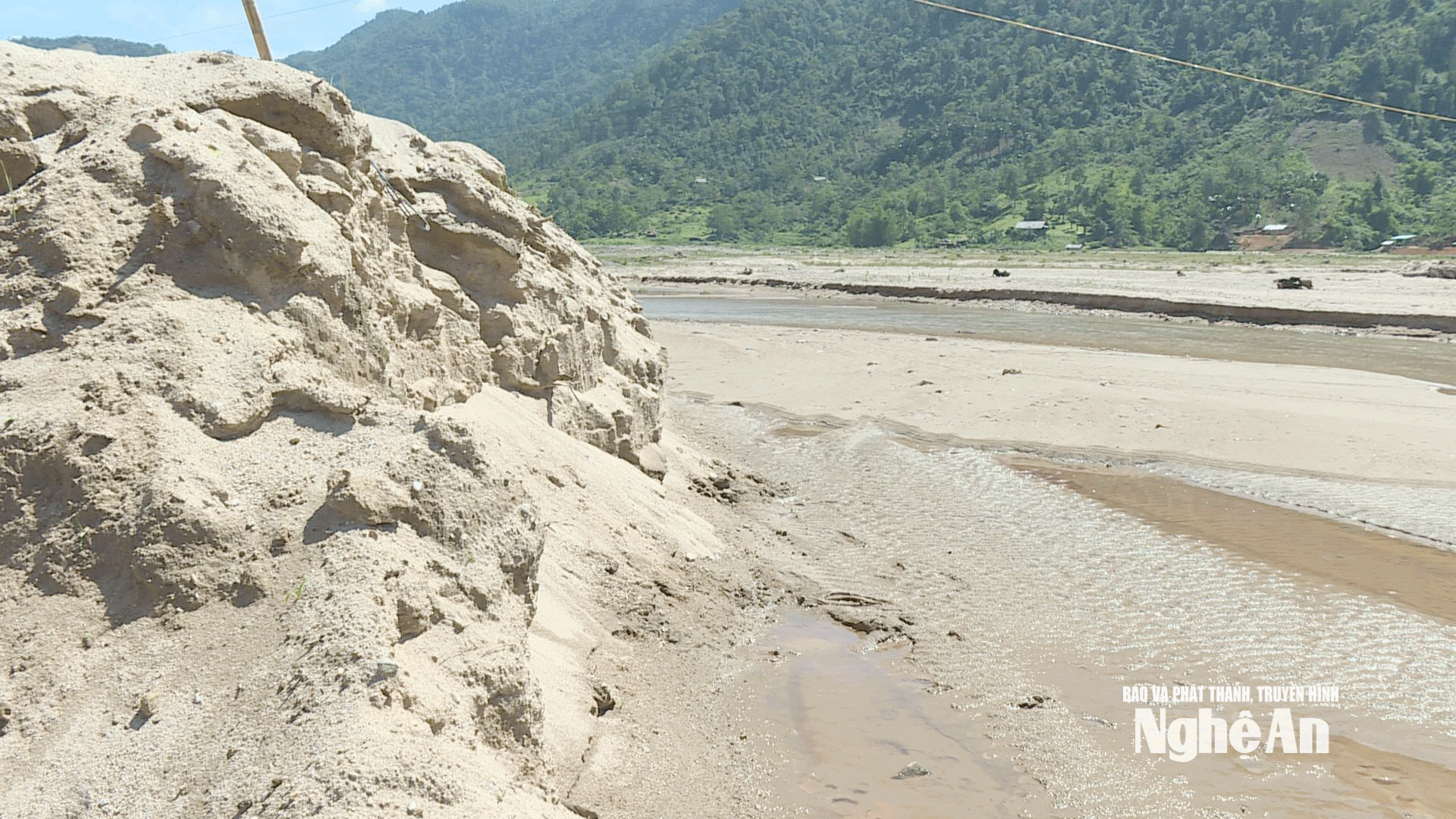
However, to date, permits for sand extraction have not been issued. This means that a large source of material remains idle, while many school construction projects are facing a severe sand shortage.
Mr. Dang Quang Vinh, the technical supervisor of the Tri Le Inter-level School construction project, stated: "If we can utilize the sand resources at the Kem Ai dam, it will help ensure the construction progress and significantly reduce construction costs because we won't have to transport materials from afar."
According to calculations by the construction units, using local sand sources not only shortens transportation time but also reduces pressure on the mountainous transportation system and limits additional costs during construction.
Mr. Lu Thanh Long, Vice Chairman of the Tri Le Commune People's Committee, said: "The location of the Kem Ai dam is only about 5 km from the school construction sites, making transportation very convenient. If granted permission for exploitation, the sand source here will help reduce material costs and save investment capital for construction projects in the border area."
The "bottleneck" in providing materials for school construction projects in border areas needs to be resolved soon.
The boarding schools for ethnic minorities, encompassing primary and lower secondary levels, currently under construction in the mountainous and border areas of Nghe An province, are projects of particular importance. Upon completion, these schools will contribute to improving the quality of education and enhancing the learning and living conditions for students from ethnic minority communities.
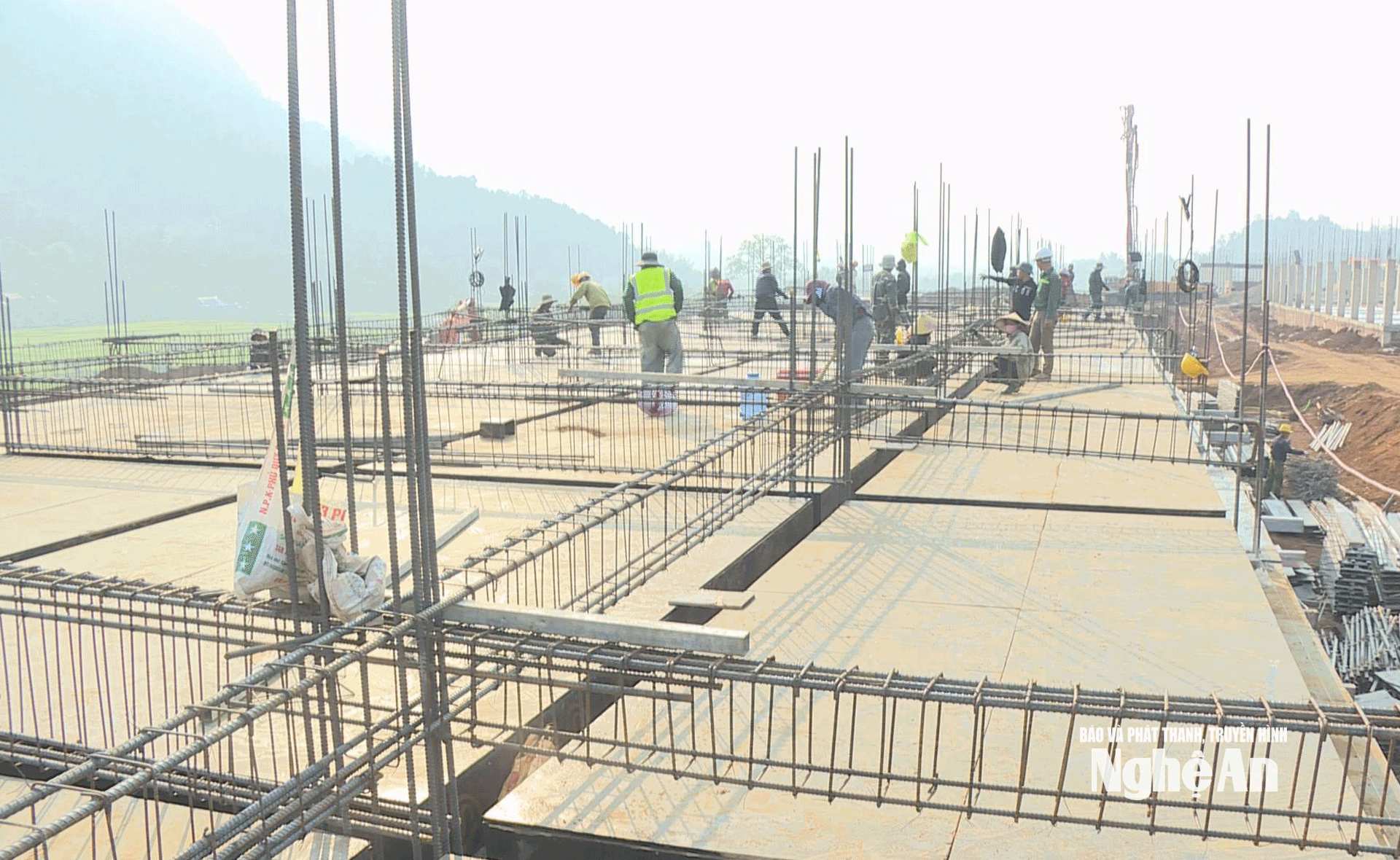
However, there isn't much time left until the new school year. Meanwhile, many projects still require large quantities of sand, stone, and fill soil to be completed.
In reality, besides securing funding, proactively securing construction materials is a decisive factor in the progress of construction projects in mountainous areas. Therefore, localities and relevant departments and agencies need to continue reviewing and resolving procedural obstacles, and expedite the licensing of exploitation of qualified local material sources.
Bringing sand and stone quarries into operation early not only helps reduce construction costs and improve investment efficiency but also ensures that school construction projects in border areas are completed on schedule. This is also a crucial condition for thousands of students in mountainous and border regions to study in new, spacious, and safe schools when the new school year begins.


