
What should you keep in mind when calling a tow truck?
When a vehicle breaks down and is stranded on the road, drivers are forced to call for roadside assistance. Pay attention to the following points to ensure a smoother rescue operation.
Understanding basic information about the car.
Over the phone, the rescue team will ask you to provide basic information about your vehicle, such as: make, model, and year. This information will help the rescue team be more proactive in preparing the necessary tools and spare parts.
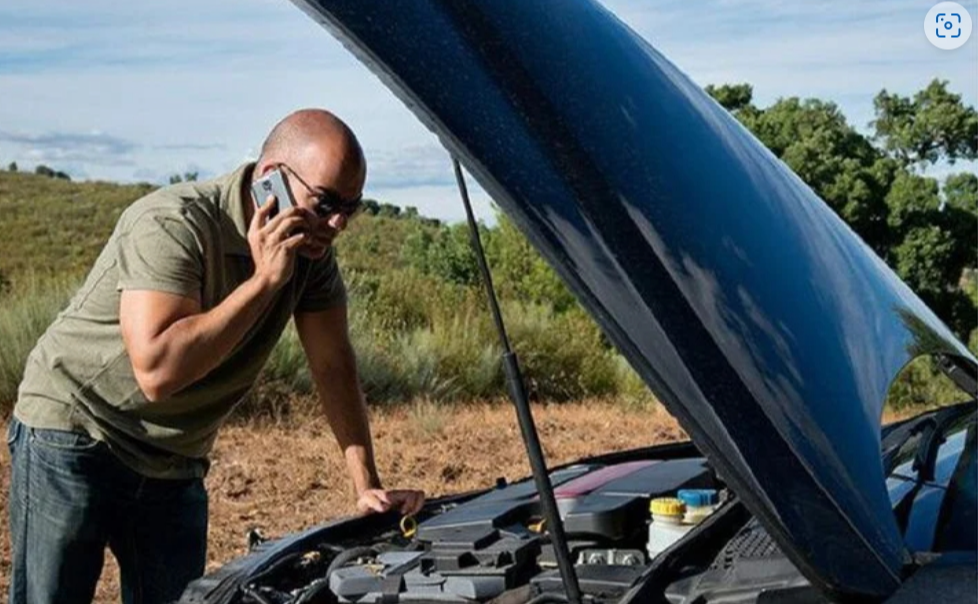
If you own the car, things are fairly simple. However, if it's borrowed from relatives, friends, or rented from a third party, there will be some complications. Therefore, you should familiarize yourself with the basic information about the car before getting behind the wheel.
Detailed description of the incident
The rescue team will ask you many questions to get the most comprehensive understanding of the problems your vehicle is experiencing. This allows them to assess the current condition of the vehicle, develop a plan, and prepare the necessary tools.
What you need to do is provide accurate and detailed descriptions as requested by the rescue team so that the process can proceed smoothly.
Understanding the basic symbols on a car.
Each icon on a car is actually a visual illustration representing a feature that is experiencing a problem.
Rescue teams can assess the situation and even suggest solutions. Therefore, understanding these symbols is crucial and will be extremely helpful.
Ask for details about the repair costs.
Currently, insurance and roadside assistance services include clauses requiring you to verify the repair costs before allowing them to carry out the rescue operation.
However, you should still proactively ask about the repair costs beforehand. This will help you prepare mentally for the bill and ensure that unnecessary problems and complications arise after the repair process.
Choose the right towing/transporting method.
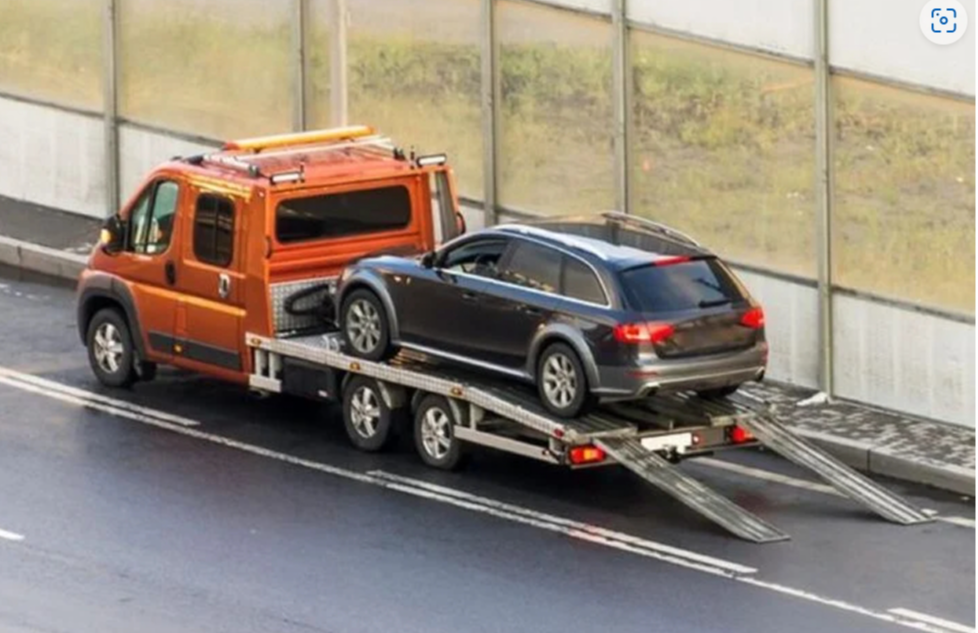
If the problems with your vehicle cannot be fixed on-site, the tow truck will have to transport your car to a service center for repairs and parts replacement. At this point, the importance of knowing about your vehicle becomes crucial, directly influencing the choice of towing or transport.
More specifically, choosing between towing or transporting depends on the vehicle's drivetrain. Currently, there are three main types of drivetrains in cars, each with its own appropriate rescue options:
Front-wheel drive vehicles: both towing and transporting methods can be used, but rescue centers usually use towing.
Rear-wheel drive vehicles: these are often used by rescue centers for towing and pushing.
For four-wheel drive vehicles: rescue centers usually prefer towing. If towing is necessary, rescue personnel will need specialized equipment (rollers) to assist the remaining two wheels.
Alerts other vehicles on the road when the vehicle breaks down.
When your vehicle breaks down on the road, you must always use your hazard lights, whether or not you have pulled over to the side of the road. This helps other vehicles recognize the obstacle early and control their speed as they approach your vehicle, avoiding unfortunate collisions.
Additionally, you should also prepare hazard warning signs, placing them about 100 meters in front of and behind your vehicle to ensure traffic safety for yourself and other road users on that stretch of road.


