
Google is bringing motion sickness prevention features to more Android phones.
The Motion Assist feature in Android 17, previously available on Pixel phones, is now being rolled out to other Android devices through Google Play.
Google is expanding Motion Assist, a feature designed to reduce motion sickness when users look at their phone screens while in motion, to more Android smartphones. This move is being implemented through the latest Google Play services update.
Previously, Motion Assist was rolled out on some Pixel phones as part of the September Android update. With Google Play version 26.37, released on September 21st, the motion sickness prevention feature began to expand beyond Google's hardware ecosystem.
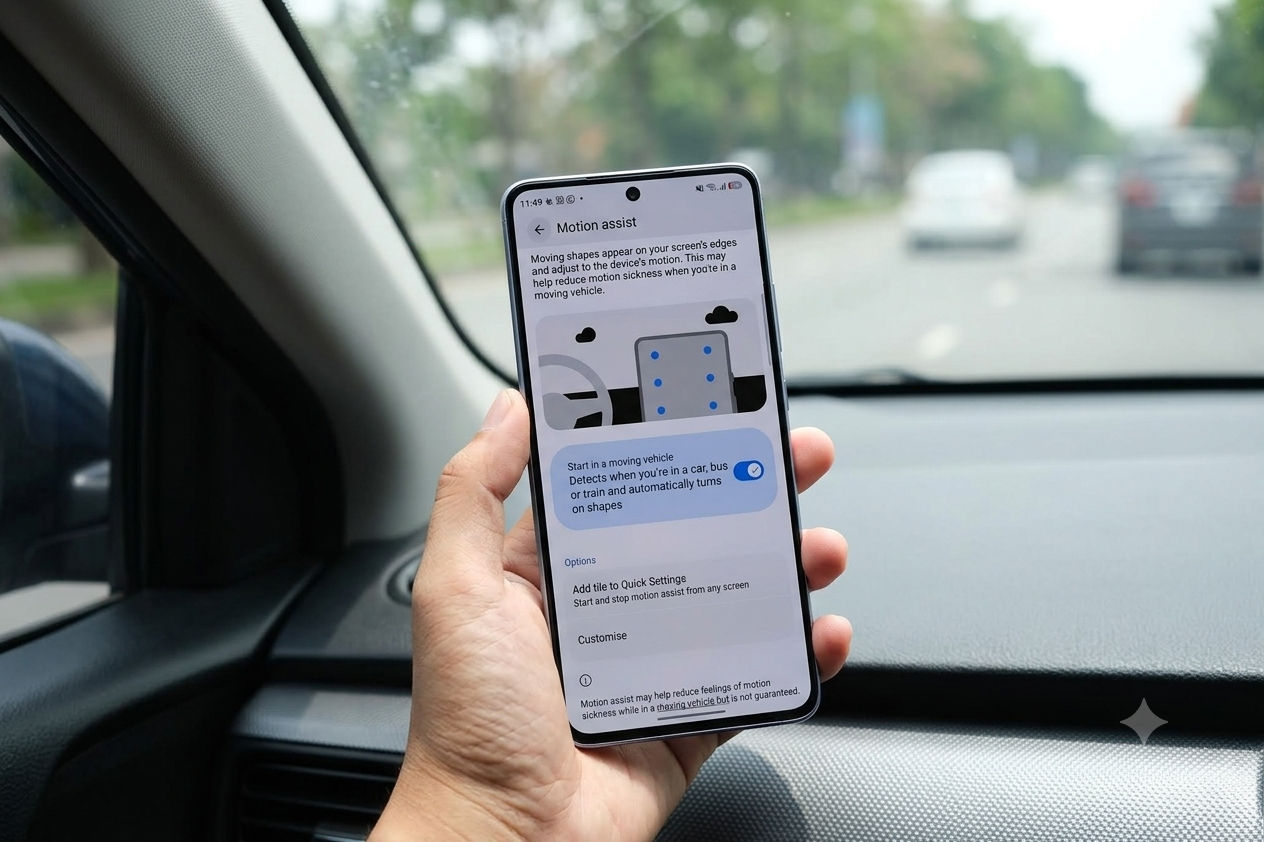
To use Motion Assist, your phone needs to be running Android 17 or later and have Google Play Services updated to a compatible version. However, the time the feature is available may vary depending on the device and Google's distribution process.
The moving bubbles help reduce motion sickness.
Motion Assist works by displaying small shapes on either side of the screen. These shapes move based on data from the phone's motion sensors, synchronized with the movement of the vehicle.
Google says this approach aims to create a visual point of reference that better aligns with what the body is perceiving. The discrepancy between the signals the eyes see and the movements the body perceives is one of the factors that can contribute to motion sickness.
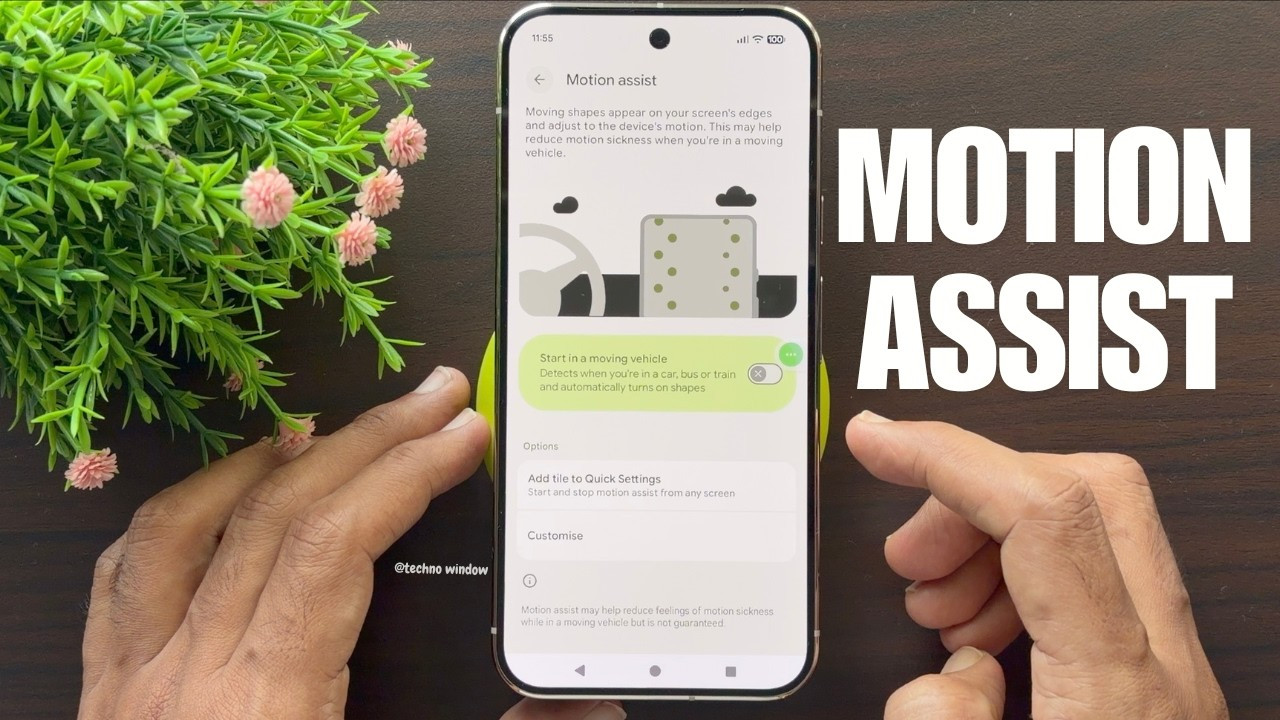
When Motion Assist is active, the bubbles move with changes in the vehicle's movement instead of remaining stationary on the screen. According to Google, this mechanism can help reduce discomfort when users read or look at their phones while driving.
Users can also customize the appearance of these shapes, including color, transparency, and shape. Motion Assist can be automatically activated when the phone detects it's in a moving vehicle or manually enabled through Quick Settings.
That's not the only feature in the new update.
Motion Assist is one of the notable changes in Google Play version 26.37. Google has also improved the ability to transmit real-time health metrics from Wear OS smartwatches to phones.
Google has also made it easier for users to find the Driving Do Not Disturb feature, in addition to improvements to device performance and stability. The update also brings changes to how emoji icons are displayed on devices.
Meanwhile, the Google Play app store version 53.3, released on September 21st, also added several other changes. Users in Argentina, Azerbaijan, Uzbekistan, and Ethiopia can now make purchases using their local currency; the search results interface on Wear OS has been adjusted, and users can add pre-registered paid apps or games to their favorites list after the official release.
Bringing Motion Assist to devices other than Pixels shows that Google is using the Google Play service as a channel to expand new features to more Android smartphones, rather than limiting them to a specific hardware line.
For those who frequently experience motion sickness but still want to use their phone while in the car, Motion Assist might be a worthwhile tool to try. However, this feature helps reduce the feeling of motion sickness, it's not a cure for motion sickness, and its effectiveness may vary from person to person.


