
Google develops Project Toscana: 3D facial recognition technology to challenge Face ID.
Google's Project Toscana promises to bring highly secure 3D facial recognition capabilities to the Pixel 11, completely overcoming the shortcomings of current 2D technology.
Google is researching a next-generation facial recognition solution called "Project Toscana," promising speed and reliability comparable to Apple's Face ID technology. This project is not only aimed at future Pixel smartphones but also has the potential to appear on the ChromeOS operating system for Chromebooks.
The difference between current 2D recognition and new 3D technology.
Currently, most Android smartphones still rely on the selfie camera for facial recognition unlocking. This method is essentially 2D recognition, which has low security because it cannot scan the depth of the face. This leads to the system being easily fooled by images and often performing poorly in low-light conditions.
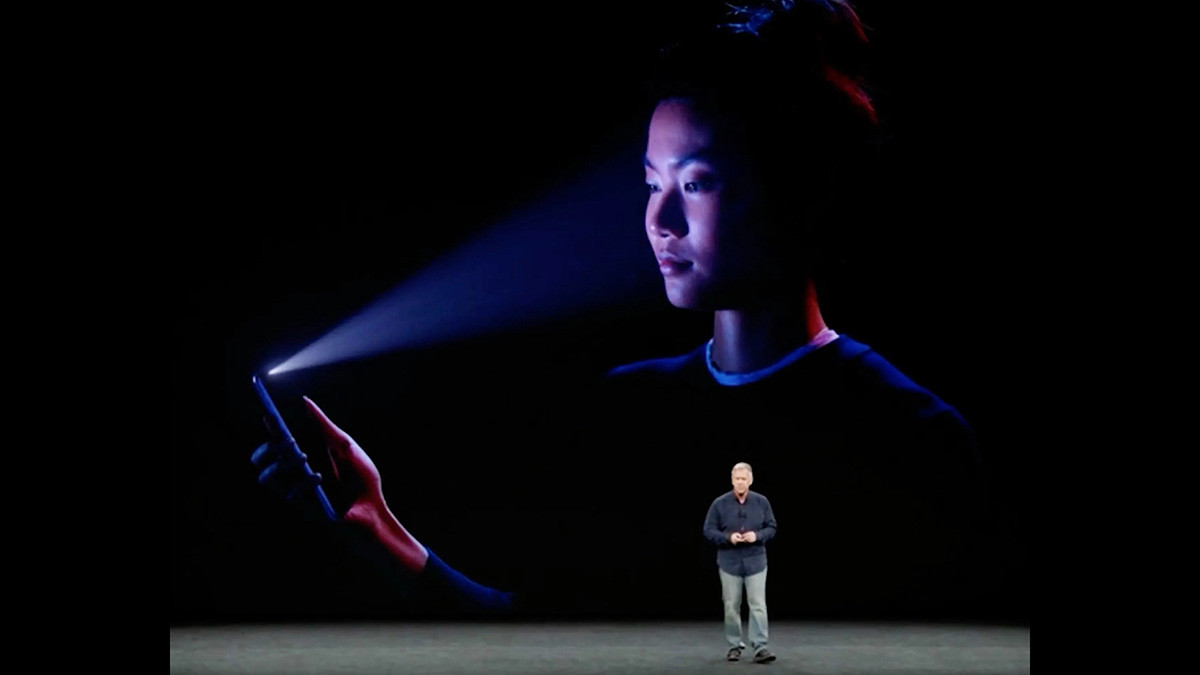
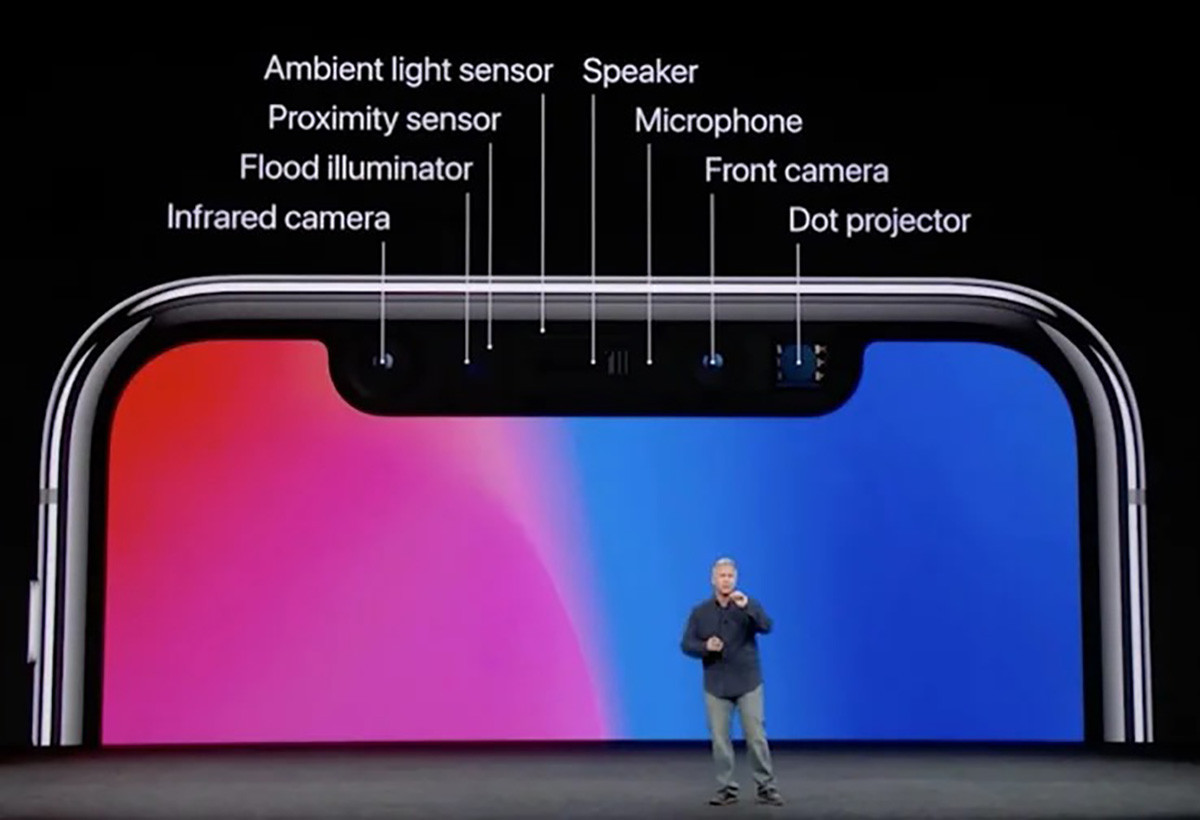
In contrast, Apple's Face ID system uses dot projectors and infrared sensors to create a detailed 3D map of the face. With its integrated light source, this feature works quickly and accurately regardless of the lighting environment. With Project Toscana, Google aims to replicate this capability with a more streamlined solution for the Android ecosystem.
Project Toscana: An optimal display space solution.
A notable aspect of Project Toscana is its hardware optimization capabilities. Unlike the large sensor arrays on iPhones, Google's new technology is said to operate with just a simple cutout in the screen. This raises the hypothesis that Google may have successfully integrated an infrared projector hidden beneath the OLED panel.
Additionally, another possibility is that Google will revive the Soli radar technology previously seen on the Pixel 4, but in a more sophisticated way. The fact that this system has entered the beta testing phase indicates that research and development have made significant progress, ready for commercialization.
Expected launch roadmap on Google devices
According to technical sources, this new 3D facial recognition technology is expected to first appear on the Pixel 11 and Pixel 11 Pro in late 2025. This will be a major turning point, helping Google's smartphone line to directly compete with the iPhone in the area of biometric security.
In addition, Google is also considering bringing Project Toscana to Chromebooks. However, the integration roadmap for laptops may take longer, with the earliest expected market launch being 2026. The widespread adoption of this technology will put pressure on other Android manufacturers to invest more seriously in 3D security solutions instead of just basic 2D recognition.


