
Google Pixel 11 launched: TSMC 2nm Tensor G6 chip, minimum 256GB storage, and 5x telephoto camera.
Google has officially unveiled its flagship Pixel 11, featuring a 2nm Tensor G6 chip from TSMC, 12GB of RAM, a minimum of 256GB of storage, and an impressive 5x telephoto camera system.
Google has officially launched its latest generation of flagship smartphones, the Pixel 11. This smartphone continues to be positioned in the near-premium and premium segments, boasting several significant upgrades from the processor and storage capacity to professional photography capabilities.
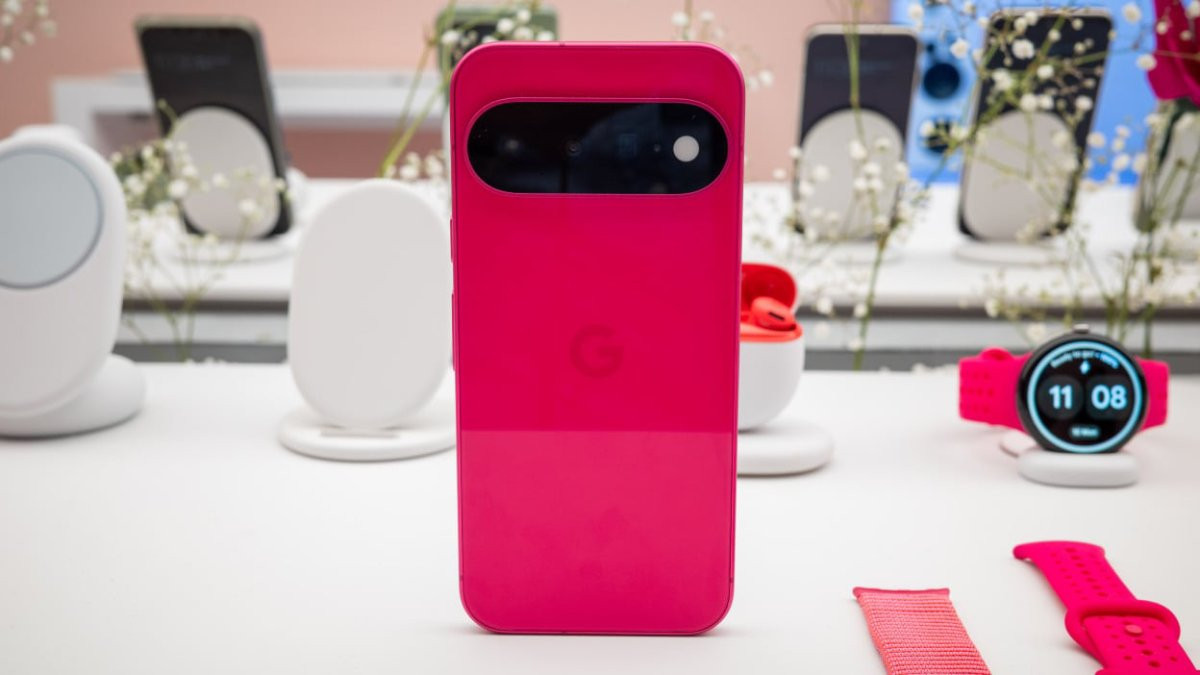
TSMC's 2nm process on the Tensor G6 chip and the leap in performance.
The most notable technical upgrade on the Google Pixel 11 is the inclusion of the Tensor G6 processor, designed by Google itself. This is also the first smartphone chip manufactured using the advanced 2nm process of semiconductor manufacturer TSMC.
Through its new manufacturing process, Google is focusing on optimizing energy consumption and better controlling temperature. In addition, the new processor allows the device to smoothly run demanding tasks without overheating.
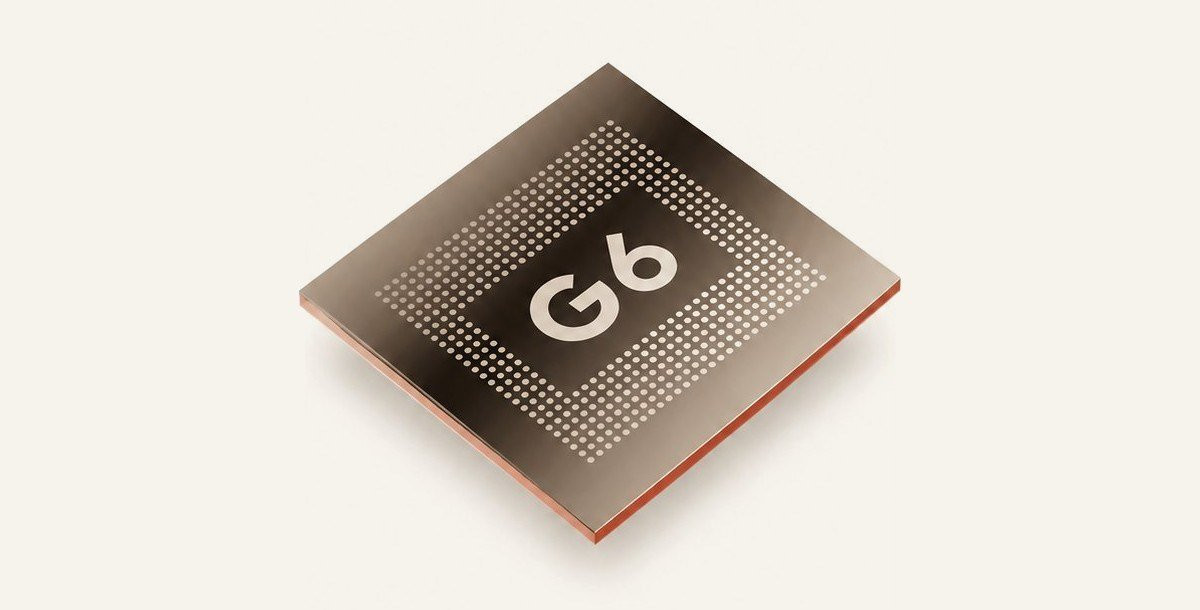
In terms of hardware configuration, the Pixel 11 comes with 12GB of RAM. Notably, Google has completely eliminated the previously standard 128GB internal storage option and discontinued the use of the older UFS 3.1 storage standard. The device is now available with a minimum of 256GB of internal storage.
Compact design, screen, and optimized battery life.
The Google Pixel 11 boasts a 6.3-inch screen, offering a comfortable grip and convenient one-handed operation. This design continues to compete directly with other products in the smaller screen segment.
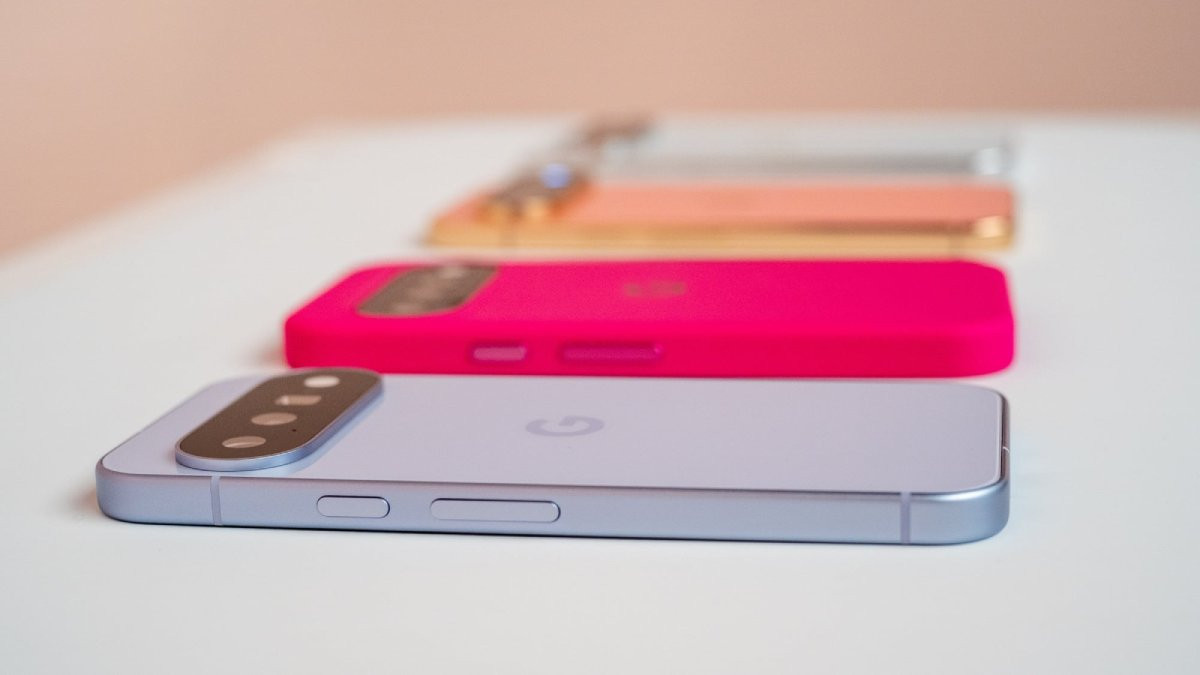
In terms of display capabilities, this standard model uses an LTPS OLED panel with a 1080p+ resolution. On the other hand, the battery has a capacity of 4,985mAh (a slight increase from the 4,970mAh of its predecessor). Thanks to the power-saving capabilities of the Tensor G6 chip, the device can maintain continuous use for up to 30 hours under normal conditions.
The Pixel 11's charging system has also seen an upgrade. Wireless charging via the Pixelsnap charger is 25% faster than the previous generation. For wired charging, the device can charge from 0% to 55% battery in 30 minutes.
Camera cluster improvements and distribution pricing.
Google has revamped the camera system by removing the old 1/2.0-inch sensor. Instead, the Pixel 11 integrates a larger 1/1.56-inch 48MP main sensor, allowing it to capture more light when shooting in low-light conditions.
Besides the main sensor, the back of the phone features a 13MP ultra-wide-angle camera with a 120-degree field of view and a 10.8MP 5x telephoto lens. The front houses a 10.5MP selfie camera with autofocus. The distinctive camera bezel on the back has also been refined to be thinner, contributing to a more streamlined overall design.
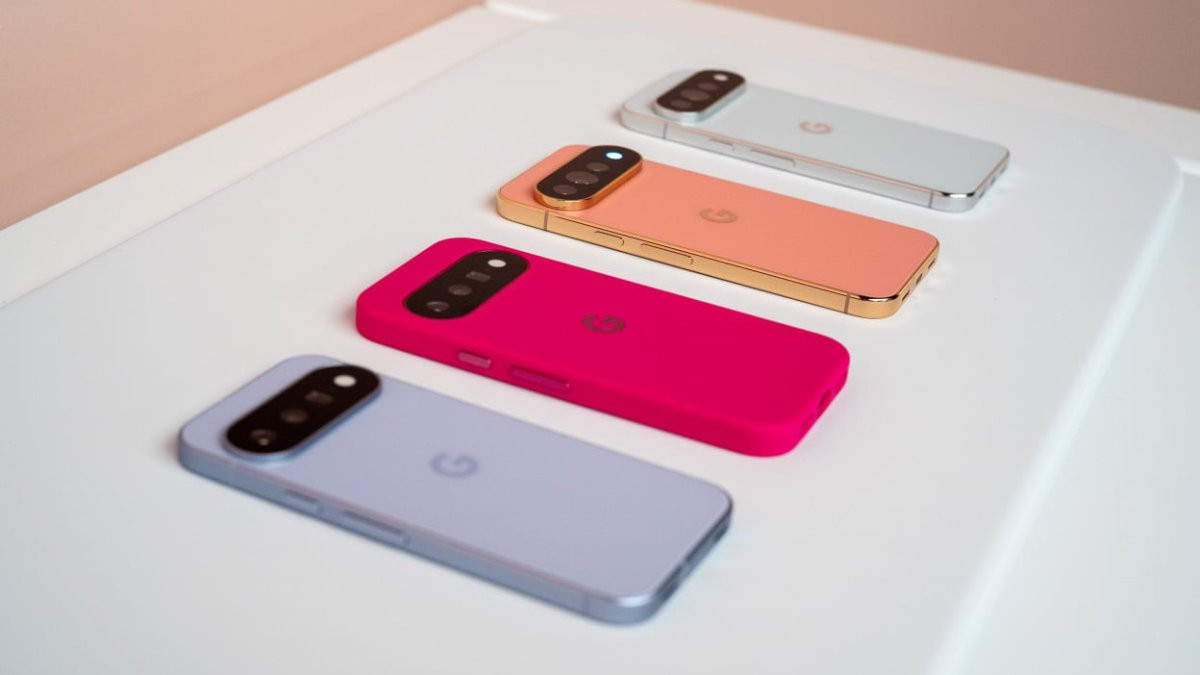
The Google Pixel 11 launched with four color options: Frost, Hibiscus, Pistachio, and Obsidian. In terms of pricing, the 12GB RAM and 256GB storage version starts at $899 (approximately 23.41 million VND). Meanwhile, the 12GB RAM and 512GB storage version is listed at $1,019 (approximately 26.54 million VND).


