
Google is testing a weekly usage limit on the free version of its Gemini AI.
Google may soon impose weekly usage quotas on free Gemini users to control server operating costs and encourage upgrades to higher-priced plans.
The era of unlimited artificial intelligence (AI) use may be coming to an end as Google begins testing stricter usage limits on the free version of Gemini. This is the latest move in the search giant's strategy to shift users to paid service plans.
New usage limit tracking system revealed for Gemini.
Leaked data from the Gemini app reveals that Google is integrating a system to track user usage on a weekly basis. A screenshot shared on social media shows a status bar displaying AI resource consumption, accompanied by a notification that the current subscription plan will determine the tool's access limits.
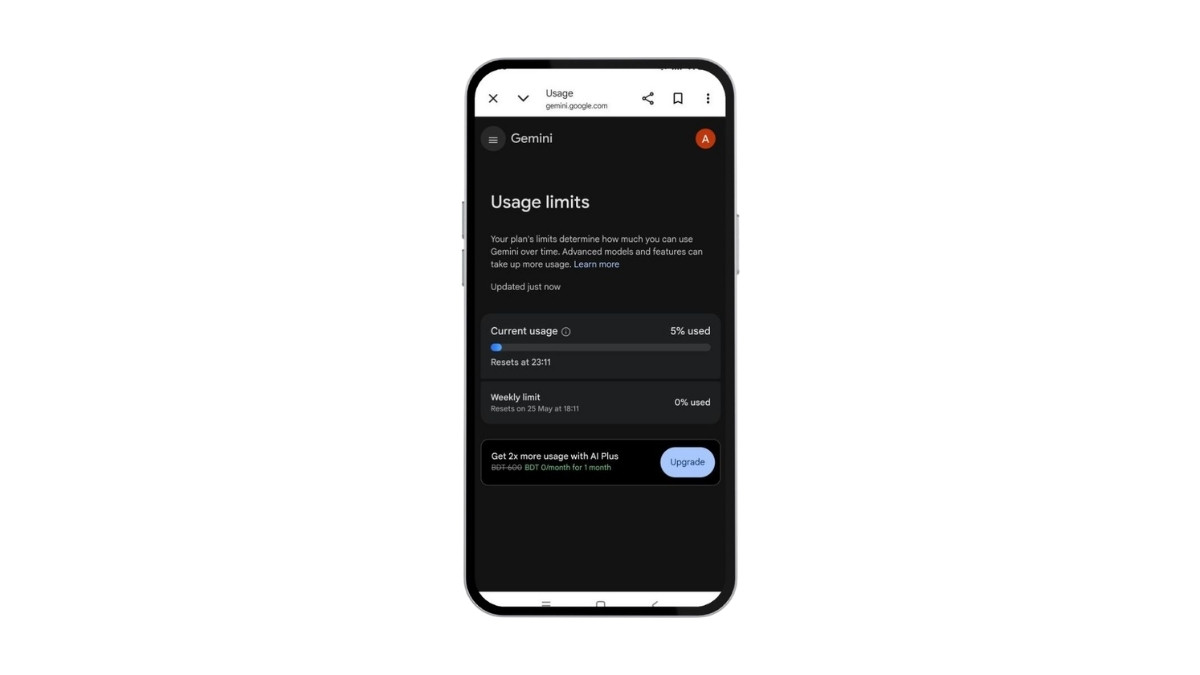
In the new interface, users can see the percentage of their consumed data allowance. This indicates that Google is preparing a tighter control mechanism, especially for accessing large language models (LLMs) that require high computational resources. This system helps the company manage server load more efficiently instead of providing completely open access as before.
Operating cost pressures and business challenges
Operating AI models consumes enormous server resources and incurs very high electricity costs. After an initial free offering phase to attract users and establish usage habits, technology companies are beginning to look for ways to optimize profitability.
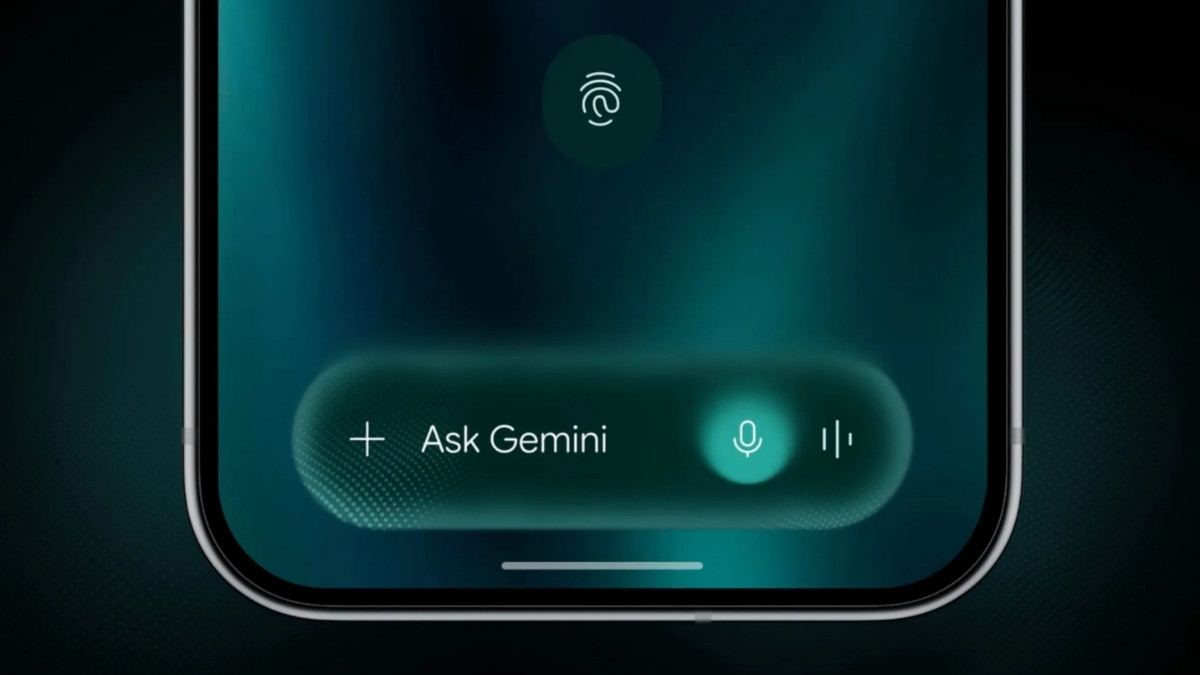
Google's goal is to persuade mainstream users to switch to paid plans for a more seamless experience. However, this strategy also carries a significant risk of customer retention. With competitors like OpenAI's ChatGPT and Anthropic's Claude still offering competitive free versions, Gemini's overly restrictive pricing could easily lead users to switch platforms.

The trend is to integrate AI directly into hardware.
To reduce reliance on paid cloud AI services, many users are switching to on-device AI-capable hardware devices. New generation AI laptops and high-end smartphones are now equipped with powerful NPUs (Neural Processing Units) to perform AI tasks directly on the device.
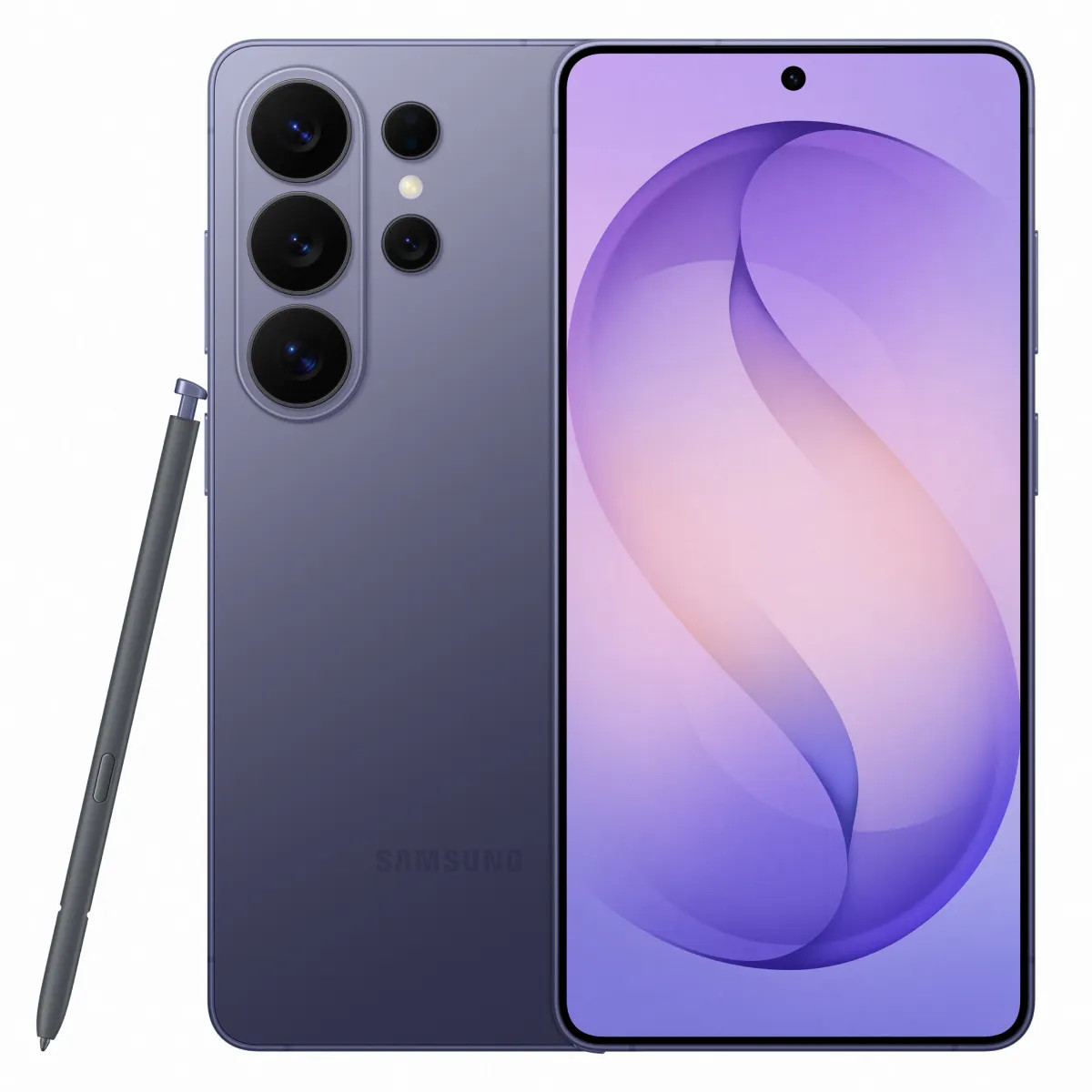
For example, the recently launched Samsung Galaxy S26 Ultra flagship focuses heavily on AI processing capabilities with impressive technical specifications:
| Specifications | Detail |
|---|---|
| Microprocessors | Snapdragon 8 Elite Gen 5 (3nm) |
| RAM | 12GB |
| Screen | Dynamic AMOLED 2X 6.9 inches, 2K, 120Hz |
| Main camera | 200MP, supports 100x zoom. |
| Batteries and Chargers | 5000 mAh, 60W fast charging |
Although information about limiting Gemini is still only at the testing stage on a small group of users, this is a clear signal that users need to prepare for paying to maintain the full AI experience in the near future.


