Granit Xhaka: the day he was booed and the turning point at Sunderland
Xhaka's equalizer against Everton lifted Sunderland to fourth place, followed by a 2-2 draw against Arsenal. Since the shock defeat in 2019, Xhaka has been retained by Mikel Arteta and is now the leader of the Black Cats.
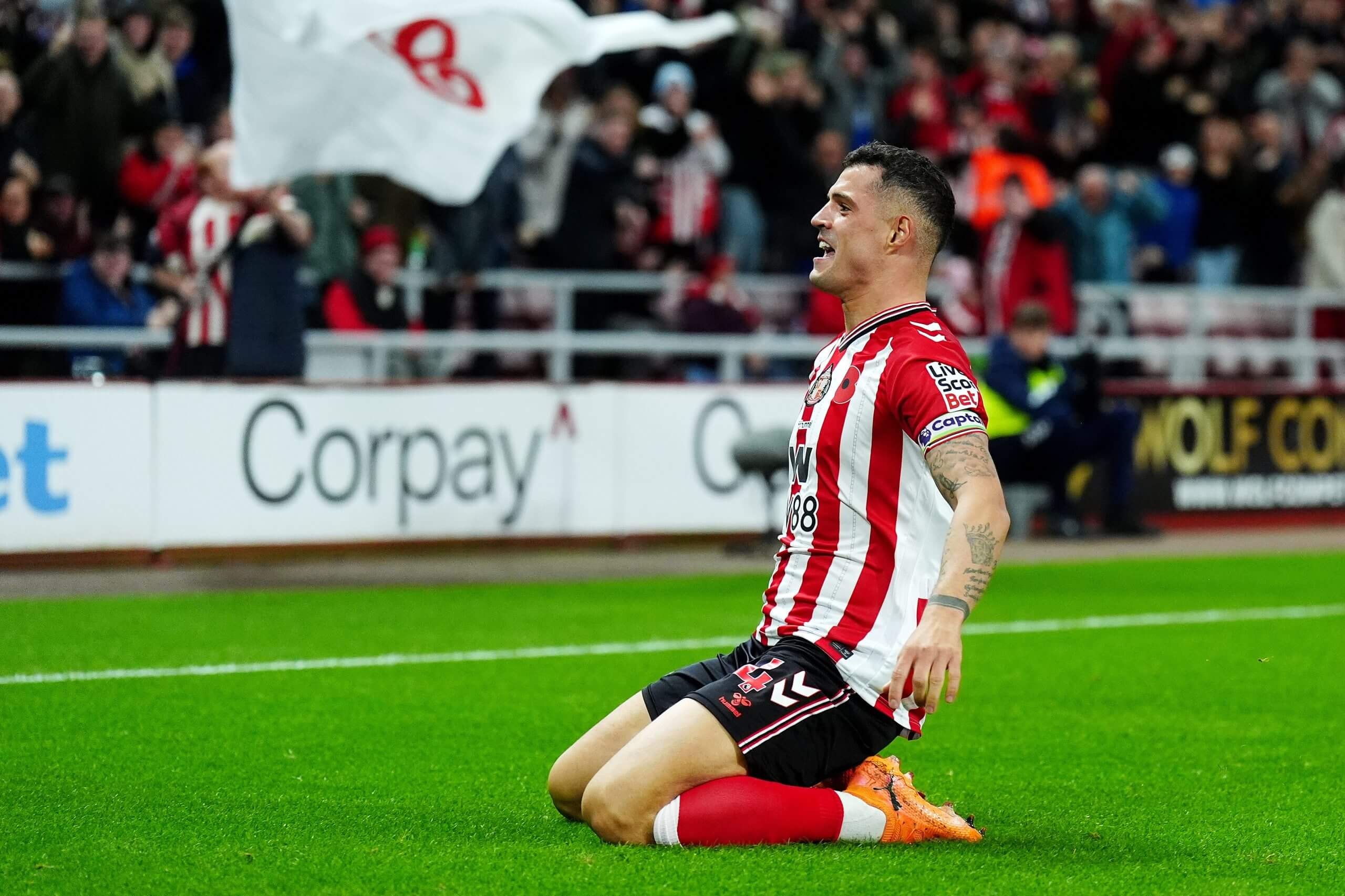
At 9 pm on Monday, Granit Xhaka slipped on his knee toward the corner flag. The Stadium of Light erupted as the Swiss midfielder scored his first goal for Sunderland, an equalizer against Everton that propelled the newly promoted team to fourth place in the Premier League. The following morning, punctually as was his disciplined habit, he arrived at training, preparing for the emotional weekend encounter against Arsenal, a team Sunderland later drew 2-2. “Everyone knows Arsenal will always be in my heart,” Xhaka said of the club where he spent seven years.
Xhaka at Sunderland: the equalizer against Everton and his leadership role.
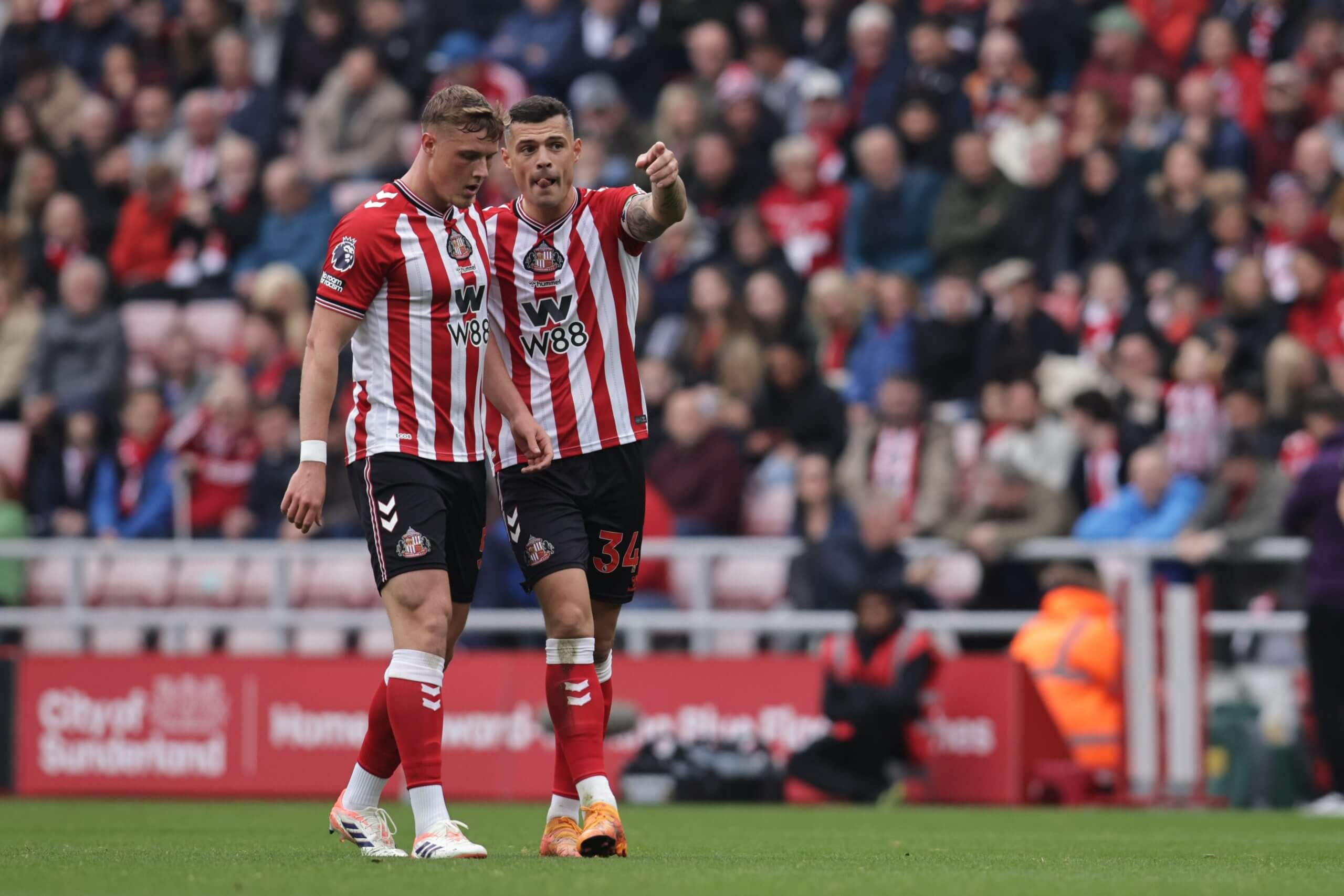
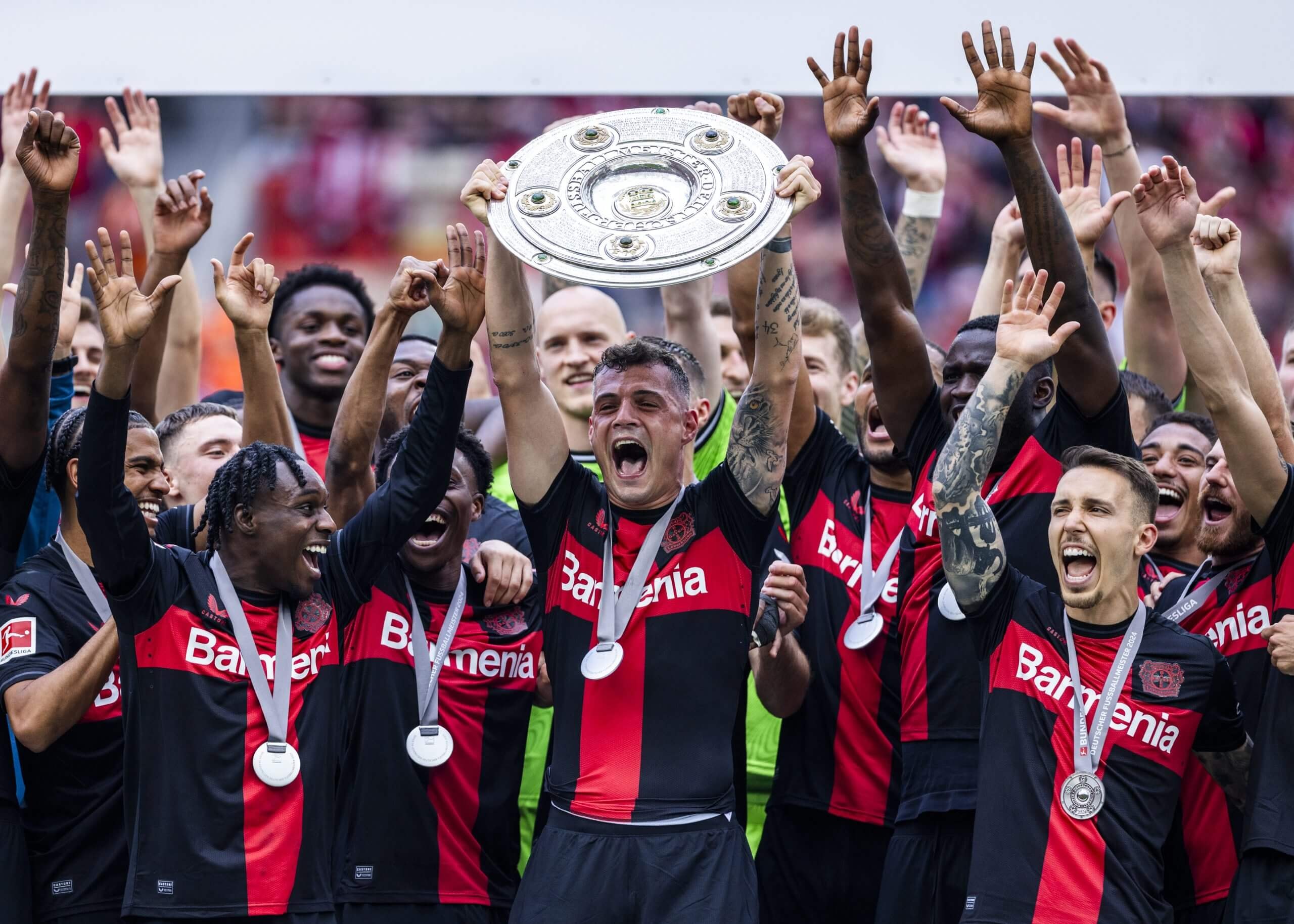
The goal against Everton was not just a personal milestone; it marked Xhaka's new status in the number 34 shirt: the leader of a high-flying young team. In the dressing room, he was called the "second coach" on the pitch by manager Regis Le Bris and his teammates, thanks to his ability to organize, remind players of their positions, and dictate the tempo of the game. With experience from an unbeaten Bundesliga season with Bayer Leverkusen and 141 appearances for Switzerland, Xhaka led Sunderland forward with discipline and attention to detail.
His impact is evident in things that are difficult to measure emotionally: consistently being among the top teams in terms of distance covered, passing, and interceptions. This influence isn't flashy, but enduring – the kind of leader a newly promoted team needs to survive and thrive in the Premier League.
The first impression and the boost came from Mikel Arteta.
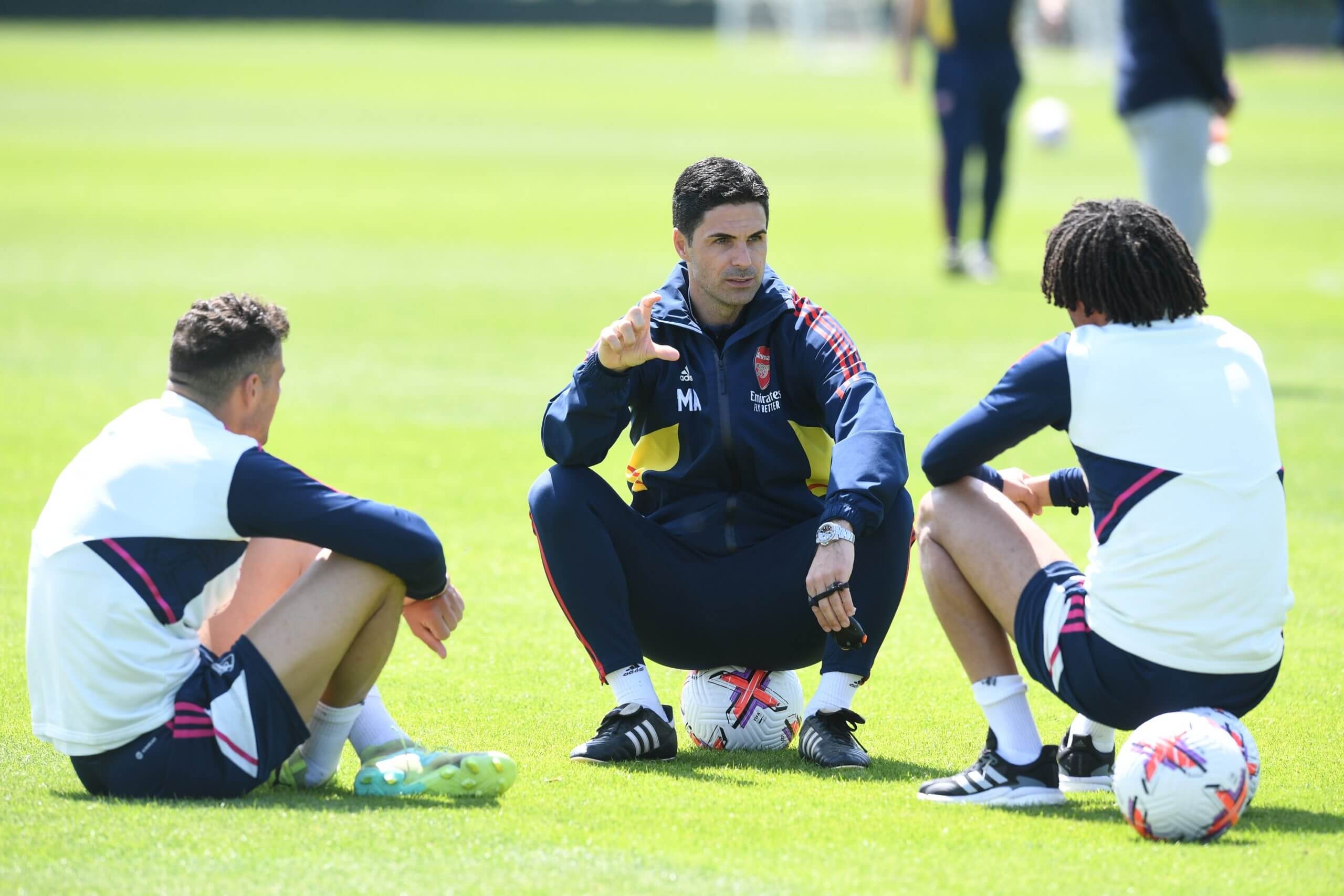
When asked about his most memorable moment after four months at Sunderland, Xhaka didn't choose the goal he had just scored. He spoke about his first day in the dressing room and "feeling at home." For Xhaka, first impressions are important – just like the day Mikel Arteta arrived at Arsenal in December 2019 and changed everything.
“I’ll never forget the first day Mikel arrived,” Xhaka recounted. “We had a large room, but chairs were scattered everywhere, in chaos. He called the whole staff in and said, ‘From the outside, you look like this: chaotic.’ Then everyone put the chairs in place. He said, ‘I want you to be like this every day.’ After that, Mikel established the standards, the mindset, the training methods, the warm-up, the recovery… It was unbelievable working with him.”
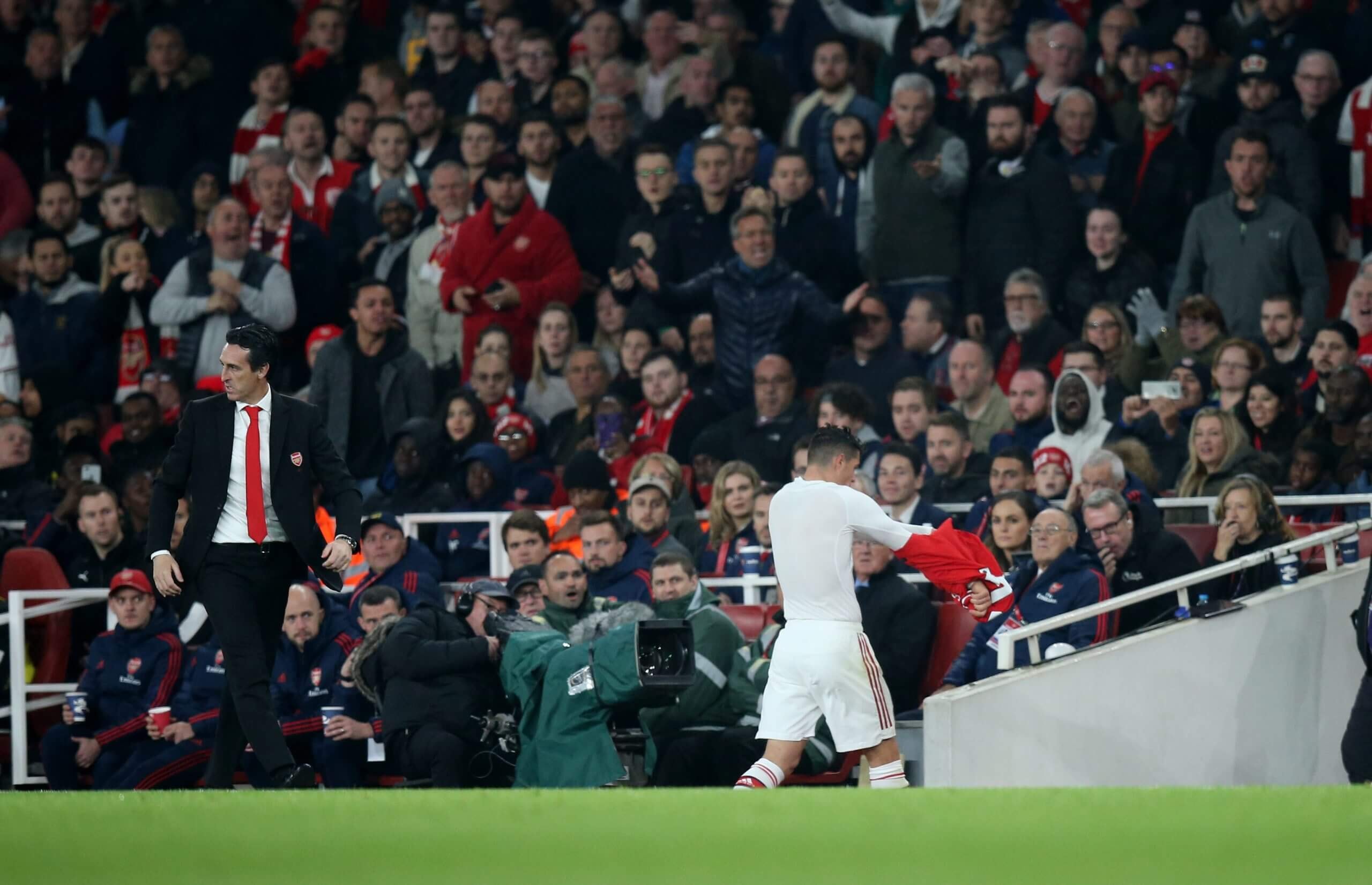
2019 Moment: From a rift with fans to a career turning point.
For many, Xhaka is a divisive figure in the Premier League: a mix of silly red cards and moments of genius. It all culminated in October 2019, when he – then captain under Unai Emery – was booed by home fans during a match against Crystal Palace. He responded by putting his hand to his ear, swearing, taking off his shirt, and walking straight into the tunnel. “I call it a misunderstanding… No, it was bigger than that,” Xhaka said. “I don’t know exactly what happened that day.”
“My bags were packed. I was ready to leave. I had a contract on the table from another club,” he recalled. “Mikel had two conversations and convinced me to stay. He wanted me to feel like I was in the right place. From that day on, everything he said to me turned out exactly as he said.”
Xhaka admitted that at the time, at the age of 26-27, he wasn't mature enough. He made unnecessary mistakes and received pointless yellow cards. “My family helped me a lot. Alone? I couldn't have done it.” Then he spoke about the day he was booed by 60,000 people: “That was the worst day of my football career, but also the best. From that moment, I learned a lot, realized who was truly with me. Instead of giving up, I got back up with the help of my family, the club, Mikel, and my teammates.”
Xhaka's leadership style: disciplined, approachable, and unpretentious.
Xhaka said he is studying for his UEFA Pro coaching license, but “I don’t want to be a ‘second coach’ – I’m still a player.” Nevertheless, his game management showed the mindset of a strategist: maintaining a steady tempo, demanding appropriate spacing between players, and being willing to provide a platform for younger teammates to shine. He was present in the stands when Sunderland U21 played Anderlecht, observing and connecting the midfield.
When asked about his ideal captain, Xhaka chose Stephan Lichtsteiner. “He spent eight years at Juventus and won every title. At Arsenal at 35, I saw how he worked every day and understood why he was still fit to play. A true leader, a model professional player.”
A simple philosophy: "Be yourself, don't pretend."
Sir Alex Ferguson once said he only wanted a "leader," not good looks. Xhaka agrees. "Being a leader simply means being authentic, not trying to act like you're the captain. It's about how you behave in the dressing room, on the pitch, everywhere. Others will decide whether you're the captain or not."
From the worst day to motivation, Xhaka has transformed the noise into positive energy. The equalizer against Everton, the 2-2 draw with Arsenal, and their current fourth-place position are just early milestones. More importantly, Sunderland has a leader who listens, takes responsibility, and lifts the team. A new chapter in the North East is being written with discipline, courage, and honesty – qualities that have redefined Granit Xhaka.