
Entrusting our faith and expectations to the policies for the nation and the people issued at the 14th National Congress of the Party.
The 14th National Congress of the Party is a particularly important political event for the Party, aimed at determining its direction. Cadres, Party members, and the people of Nghe An province are eagerly awaiting, with great faith and expectation, that the Congress will formulate policies that are beneficial to the nation and its people.
.png)
Mai Hoa(Take note) /Present:Hong Toai• January 13, 2026
---------------o0o---------------
The 14th National Congress of the Party is a particularly important political event for the Party, aiming to determine the direction and solutions for national development in the new era. Cadres, Party members, and the people of Nghe An province look forward to the Congress with great faith and expectations.
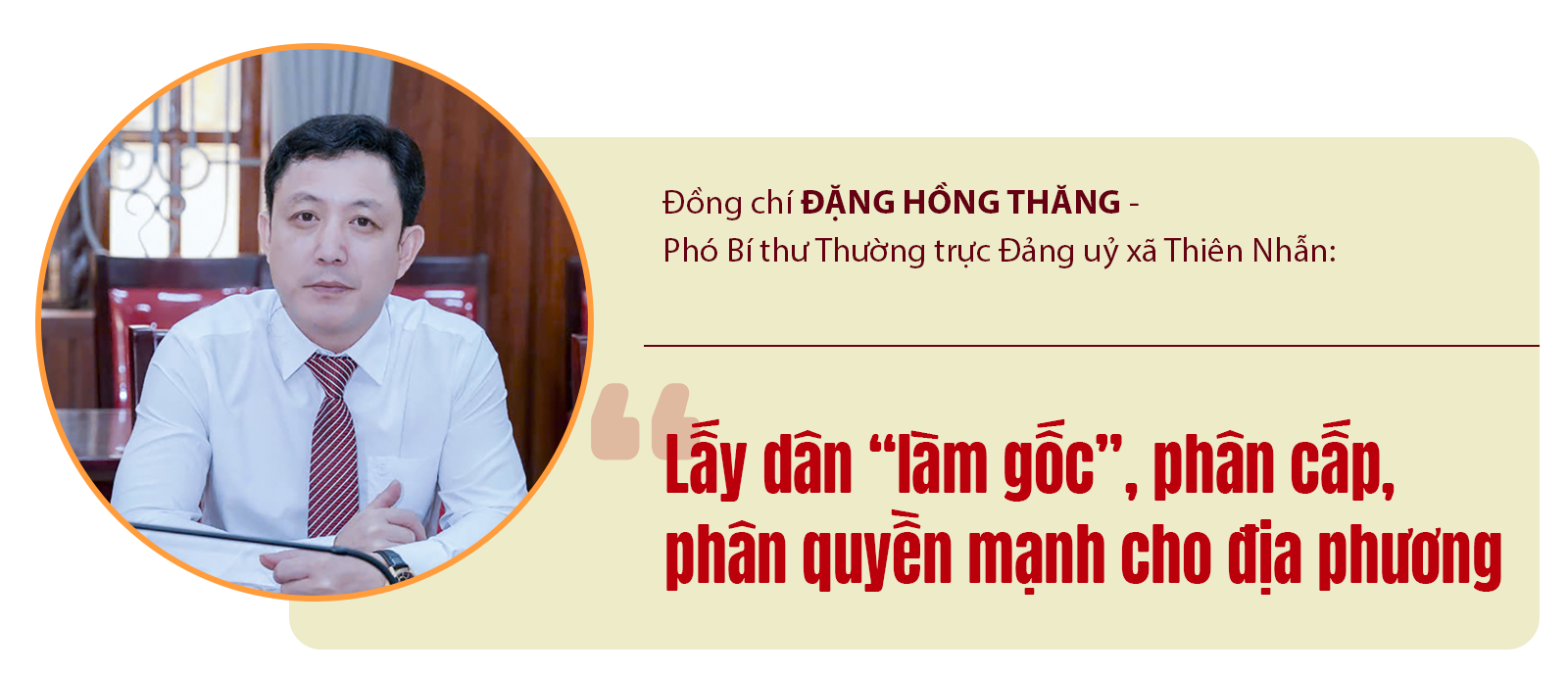
As an official working within the grassroots political system, I clearly sense the strong spirit of innovation in the thinking and actions of the Party, the State, and all levels, moving towards clear policies, clear authority, and clear responsibilities. This innovation is creating an important foundation to promote the development of the country and each locality, especially at the commune level – where it is directly connected to the lives of the people.
Based on my practical experience, I place great faith and expectation in the 14th National Congress of the Party, believing it will continue to formulate policies and guidelines that prioritize the people, making them the central subjects and beneficiaries. All development indicators and achievements in Party building and the political system should be measured by the people's satisfaction and the tangible improvements in their material and spiritual lives. In particular, national target programs for the coming period should strongly prioritize digital transformation, building a sustainable rural living environment, ensuring social security, and paying special attention to the poor and vulnerable; while simultaneously enhancing the capacity and role of rural people as the main actors to proactively adapt and integrate.
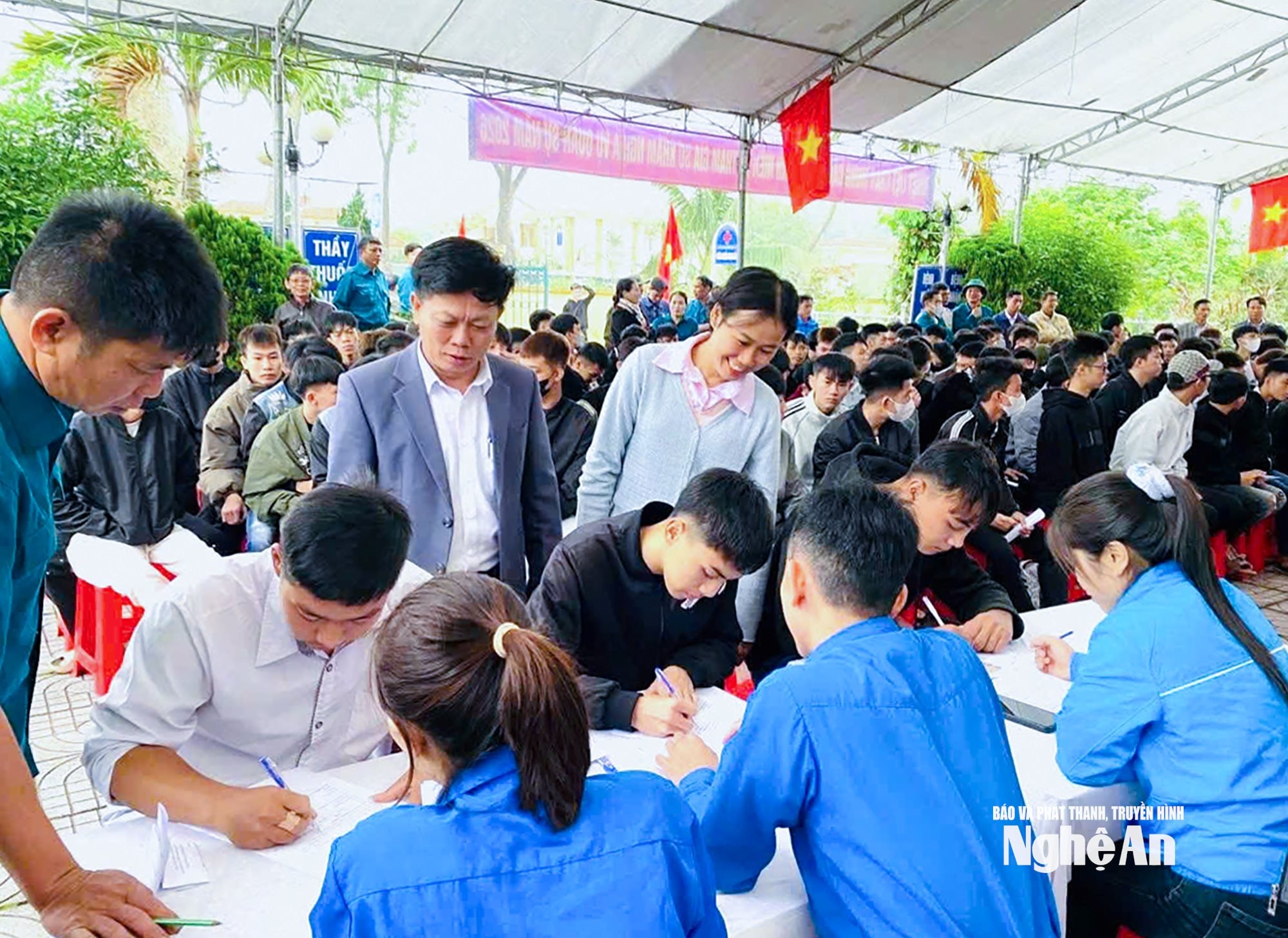
I also expect the 14th National Congress to have a clearer and more substantive direction on decentralization and delegation of power, linked to fully empowering local governments. When authority is clearly and uniformly defined, the grassroots level will be more proactive and confident in its administration, overcoming the confusion caused by overlapping and inconsistent regulations. Improving the institutional framework and creating a smooth legal environment is a crucial condition for grassroots officials to work with peace of mind and dare to make decisions for the common good.
Furthermore, the Party needs mechanisms to encourage and protect officials who dare to think, dare to act, innovate, and be creative for the benefit of the people. When protected by clear and transparent mechanisms, the potential resources within the people will be unleashed, becoming an important driving force for local development.
In the context of implementing a two-tiered local government system, I hope that the Congress and the State will continue to pay attention to policies regarding benefits for grassroots officials, especially reforms to salaries and allowances based on job position and workload, coupled with a strict and transparent monitoring mechanism.
With unwavering faith in the Party's leadership, I believe that the 14th National Congress will usher in a new era of development, creating strong momentum for the country and my homeland to become increasingly prosperous, civilized, and happy.
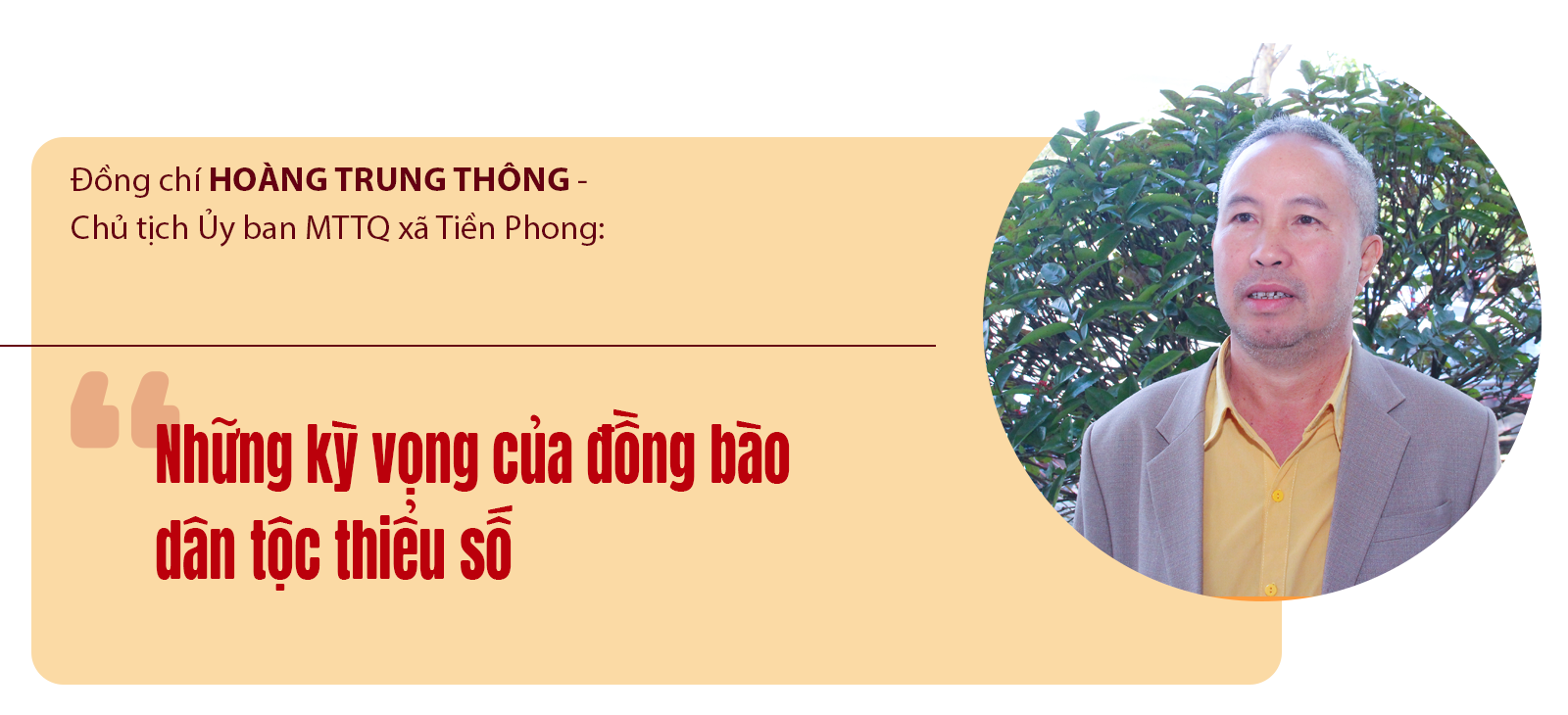
In recent years, mountainous and border regions, and ethnic minority communities in general, and Tien Phong commune in particular, have seen many positive changes. Essential infrastructure has been gradually invested in, and the material and spiritual lives of the people have improved significantly. In particular, social welfare policies have been prioritized and given greater attention by the Party, the State, and all levels of government, affirming the spirit of humanity and responsibility, ensuring that "no one is left behind," bringing about very concrete changes and building greater confidence among the people.
However, the current situation in mountainous areas still presents many challenges. Harsh natural conditions, fragmented terrain, inadequate infrastructure, and unsustainable livelihoods for the people are significant obstacles. The poverty rate remains high, and the risk of re-poverty persists. A segment of the population still has limited access to information, production skills, the application of science and technology, and digital transformation; attracting businesses to invest in the area remains challenging.
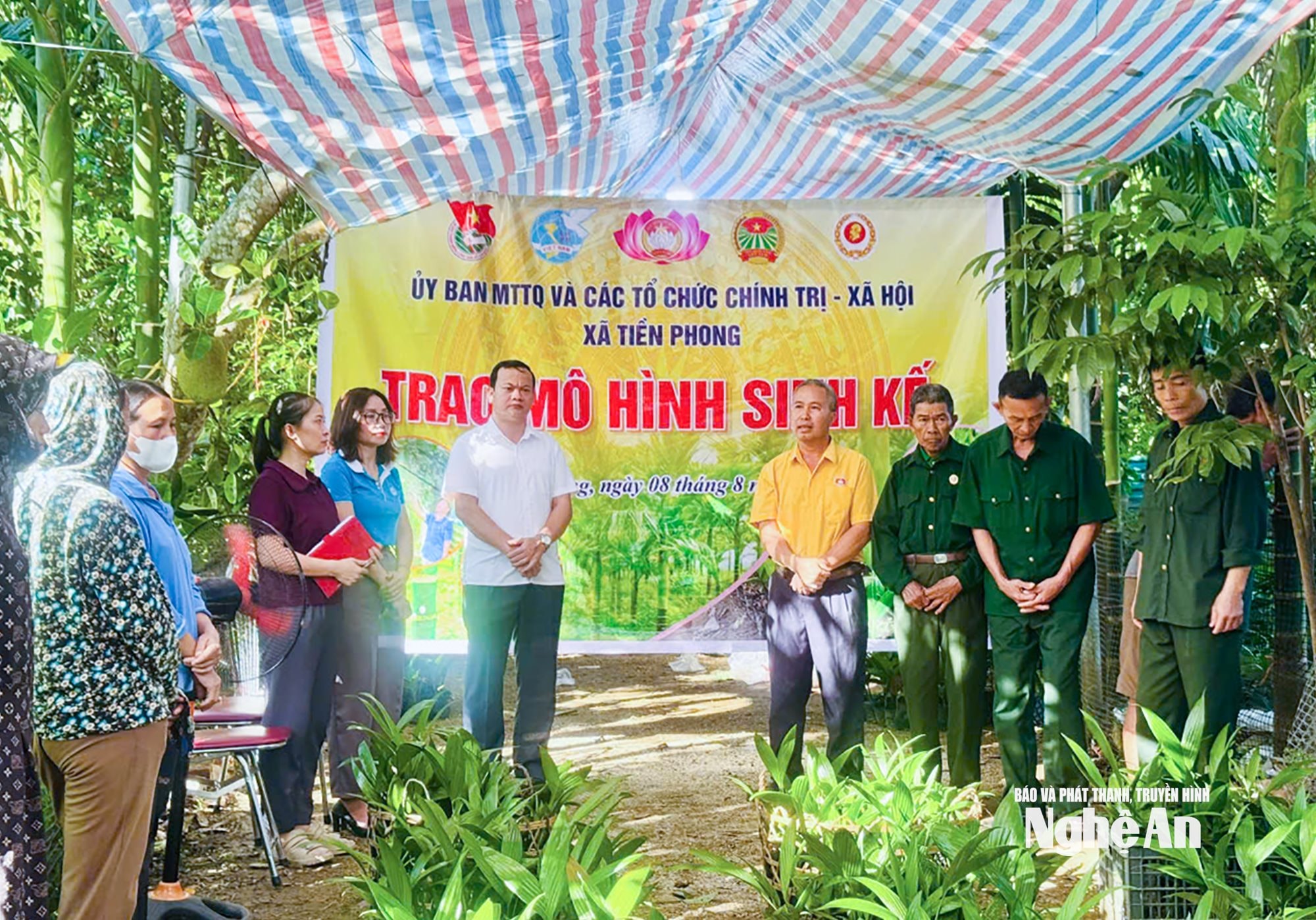
Having directly studied and contributed to the draft documents submitted to the 14th National Congress of the Party, I am very pleased that the goals, tasks, and solutions for the new term have been quite comprehensively defined, clearly demonstrating the determination to bring the country to a higher level of development in the new period; while also emphasizing the building of national unity and sustainable development.
I expect the 14th National Congress to continue making stronger and more specific decisions to develop the socio-economic sector in conjunction with national defense and security in border regions. Priority should be given to investing in the comprehensive development of transportation and telecommunications infrastructure, infrastructure for digital transformation, education, and healthcare. Simultaneously, a robust mechanism should be created to attract businesses to invest, exploit the region's potential, and create jobs and stable incomes for the people. Poverty reduction programs need to shift strongly from immediate support to sustainable livelihood development; procedures should be streamlined, practical, and targeted; creating momentum for the highlands to develop alongside the rest of the country, aiming for increasingly prosperous and happy lives.
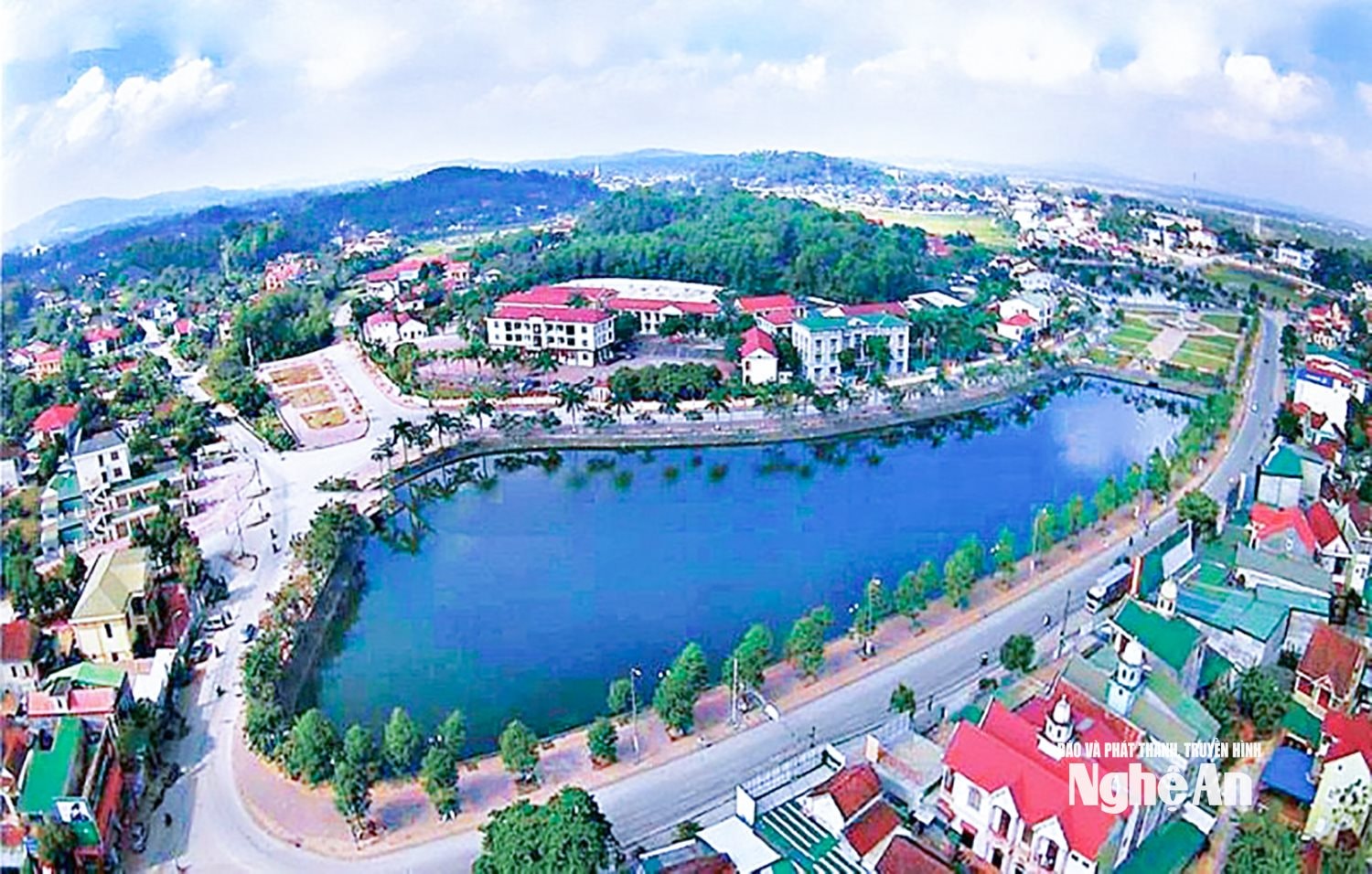
As a young person, I deeply appreciate the tremendous and comprehensive achievements that my homeland and country have attained under the leadership of the Party. Right here in Dai Dong commune, the changes are evident every day: roads are being paved with concrete, schools, health stations, and cultural centers are being invested in and upgraded; the rural landscape is increasingly improving, and the material and spiritual lives of the people are constantly being enhanced.
In particular, in recent years, the remarkable development of science and technology and digital transformation has left a clear mark on social life. From learning, working, and production to accessing public services, people, especially young people, have many opportunities to access new knowledge and modern working methods. Digital economic models, innovative startups, e-commerce, and the application of technology in agricultural production are becoming increasingly common, opening up vast development opportunities for rural youth. People from urban to rural areas today not only master machinery and technology, but are also gradually mastering knowledge, economic thinking, and integration.
These achievements are vivid evidence of the Party's correct policies, the State's decisive leadership, and the unity and concerted efforts of the entire people. I believe that the 14th National Congress of the Party will continue to formulate strategic policies and decisions with a long-term vision, creating breakthroughs in the development of science and technology, digital transformation, and high-quality human resources; and creating a more favorable environment and mechanisms for young people to establish themselves, build careers, and engage in innovative entrepreneurship.
We, the youth, pledge our unwavering faith in the Party, to uphold the spirit of initiative, creativity, and responsibility, and to contribute to realizing the aspiration of building a prosperous and happy Vietnam.
After nearly 40 years of reform, the private sector has affirmed its increasingly important position in the socialist-oriented market economy. Not only does it make a significant contribution to GDP, the national budget, and job creation, but it is also a dynamic force promoting innovation, enhancing national competitiveness, contributing to social stability, and improving people's lives. In practice, many Vietnamese private enterprises have risen strongly, gradually building their brands and participating more deeply in regional and international value chains.
Based on that foundation, the Politburo's issuance of Resolution No. 68 on the development of the private economy is a strategically significant step, demonstrating the Party's consistent, open, and substantive thinking in identifying the private economy as a crucial driving force of the national economy. I believe that if the Resolution is implemented comprehensively, decisively, and effectively, it will create a strong impetus, inspire entrepreneurship, encourage legitimate wealth creation, and make practical contributions to the goal of building an independent, self-reliant, and strong economy.
However, from practical experience in production and business, I have observed that the private sector still faces numerous obstacles. The majority of businesses are small in scale, with limited financial resources, low management capacity and technological levels, and weak competitiveness. Meanwhile, some legal regulations are overlapping, administrative procedures are not truly streamlined, and informal costs remain a constant concern, reducing the motivation for investment and expansion of production.

Therefore, I expect the 14th National Congress of the Party to continue emphasizing the need for strong institutional reforms, perfecting a transparent and equitable business environment, and placing businesses and citizens at the center of service. State agencies need to clearly shift from a "management" mindset to a "service" mindset, eliminate the "request-and-grant" mechanism, and protect the right to freedom of business according to the law, so that businesses can confidently invest in the long term.
Along with institutional reforms, training entrepreneurs, especially owners of small and micro-enterprises, should be considered a fundamental and long-term solution. Simultaneously, there should be mechanisms to provide substantial support for startups, technological innovation, trade promotion, and access to capital, particularly in agriculture, processing, and traditional handicrafts in rural and mountainous areas. When policies are implemented with concrete and feasible solutions, the private sector will truly break through, becoming a crucial driving force for the rapid, sustainable, and prosperous development of the country.


