
Hanoi installs 1873 AI cameras for automated traffic enforcement.
Hanoi has begun installing 1,873 AI-powered cameras capable of issuing fines from a distance of 700 meters, automatically analyzing images, contributing to reducing traffic congestion and improving traffic safety.
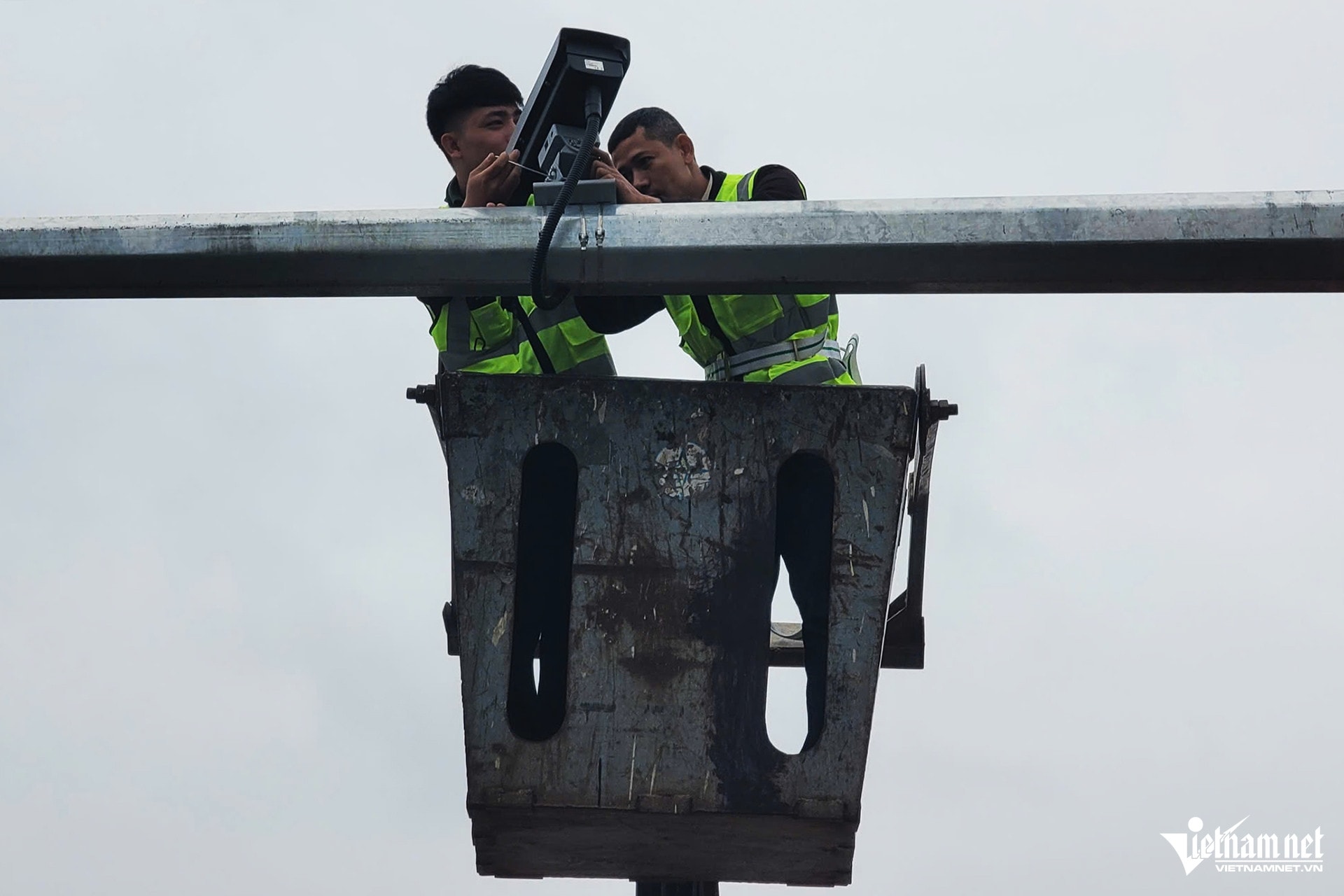
The Traffic Police Department of Hanoi City Police has installed AI-powered cameras for automated traffic enforcement at the Pham Hung - Khuat Duy Tien intersection. This is the first step in the deployment of 1873 AI-powered cameras, with official operation expected to begin in December 2025.
Lieutenant Colonel Dao Viet Long, Deputy Head of the Hanoi Traffic Police Department, said that the AI-powered camera system for issuing fines remotely can analyze and process images directly on the device without waiting for a central server, saving resources, reducing latency, and increasing accuracy in detecting violations.
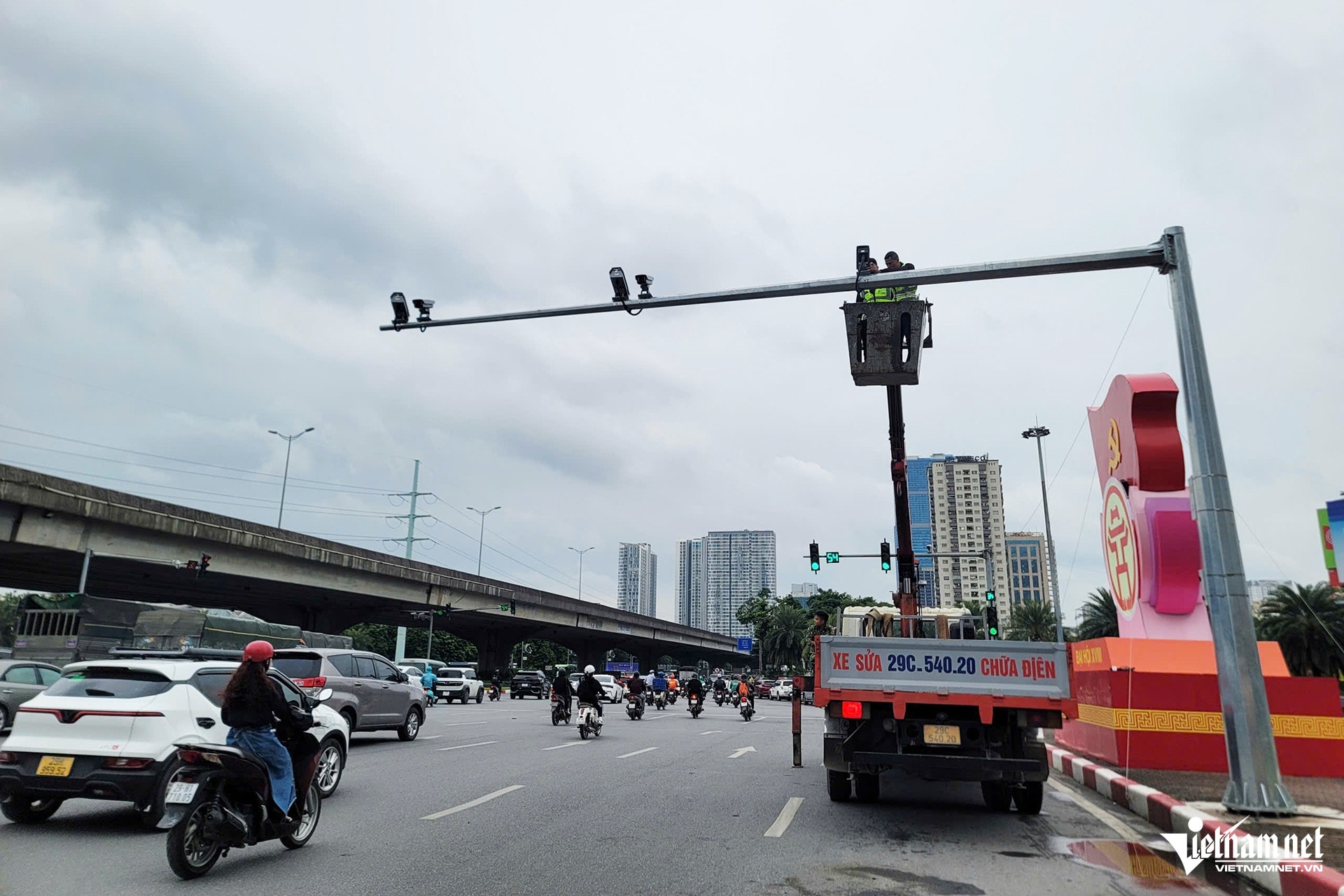
The AI-powered camera-based traffic violation system is equipped with 360-degree panning and scanning capabilities, operates stably in all weather conditions, and clearly identifies objects at distances of 500 to 700 meters.
These AI-powered traffic cameras can recognize license plates, record violations such as running red lights, driving in the wrong lane, crossing solid lines, or driving against the flow of traffic, and then send the data to a monitoring center for verification and processing. This new technology helps reduce manual workload and ensures transparency and objectivity in the enforcement process.
Once operational, the AI-powered camera-based traffic violation system will become a valuable asset to traffic police. The system can automatically measure traffic volume at intersections, sending data to a central hub to adjust traffic light cycles in real time.
Therefore, installing AI-powered cameras for automated traffic enforcement not only aims to detect and handle violations but also contributes to reducing traffic congestion, optimizing traffic flow, and helping people save time when participating in traffic.
In addition to processing traffic violations, the AI-powered camera system for automated traffic enforcement also supports urban security monitoring. Data from the cameras helps to identify vehicles involved in traffic violations, hit-and-run accidents, or suspicious activities.
Thanks to their rapid recognition capabilities and high accuracy, AI-powered cameras for issuing traffic fines have become an important tool to help law enforcement ensure safety and social order in key areas.
According to the plan of the Hanoi People's Committee, by 2030, the capital city will install more than 40,000 cameras, of which more than 16,000 will be used for managing traffic safety, the environment, and urban order.
Installing AI-powered cameras for automated traffic enforcement is a crucial part of the digital transformation strategy of the police force and the city government, aiming to build a safe, civilized, and modern transportation system.
AI technology not only helps to process violations quickly but also forms an intelligent monitoring network, creating a foundation for smart cities where every traffic behavior is controlled transparently and effectively.


