
The British Navy closely tracked the submarine Krasnodar through the English Channel.
RFA Tidesurge conducts a three-day surveillance operation using Merlin Mk2 helicopters; Taurus Neo not expected to be delivered until 2029 at the earliest; B-52 begins testing the AN/APQ-188 AESA radar.
The British Royal Navy announced it had monitored the Russian Kilo-class submarine Krasnodar for three days as the Russian fleet passed through the North Sea, the Dover Strait, and entered the English Channel on December 11. At the same time, information about the Taurus Neo cruise missile indicated an early production date of 2029, while the US Air Force put the B-52 into testing of the AN/APQ-188 AESA radar, bolstering its all-weather combat capabilities until the 2050s.
Multi-layered surveillance: Britain closely monitors the Krasnodar submarine.
According to the British side, on December 11, their naval and air forces closely monitored the submarine Krasnodar and the tugboat Altay as the Russian task force moved through narrow, crowded waters. The mission concluded when monitoring was handed over to a NATO ally near Cape Ushant (northwest France). Throughout the journey, the Russian submarine remained surfaced despite bad weather; British forces were ready to switch to anti-submarine warfare if Krasnodar submerged.
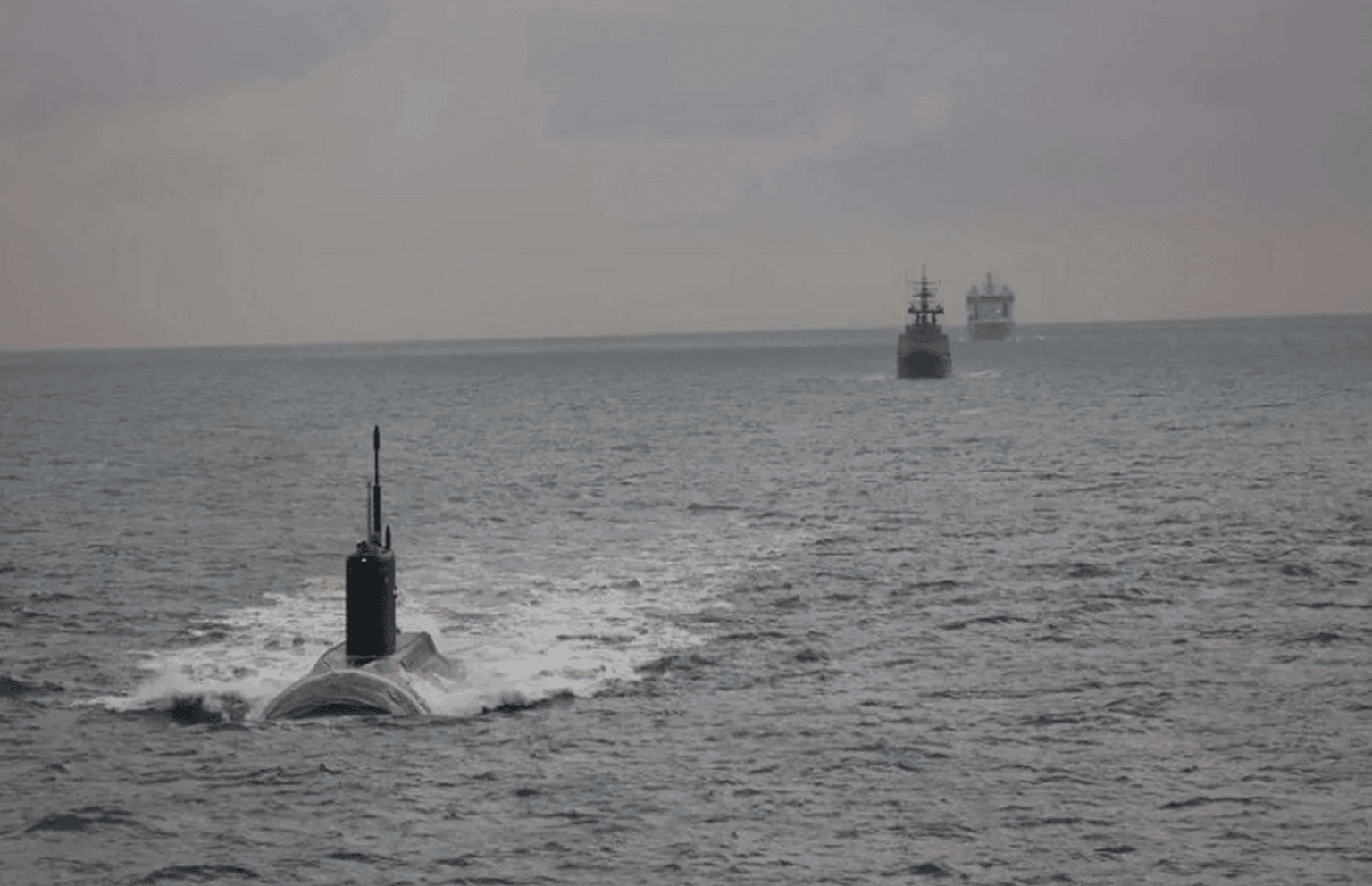
Tactically, the operation demonstrated a multi-layered but highly visible surveillance model. The centerpiece was the Merlin Mk2 anti-submarine helicopter of Squadron 814, deployed from the supply ship RFA Tidesurge. The Merlin Mk2 is equipped with embedded sonar, sonar buoys, and advanced processing systems for detecting, classifying, and tracking underwater targets, and is capable of carrying Sting Ray lightweight torpedoes to enhance deterrence.
The RFA Tidesurge (Tide-class) is not a frontline warship, but it allows for sustained presence and acts as a "mobile helicopter base"—a key element for continuous surveillance in the English Channel. The target being monitored, the Krasnodar, a Project 636.3 Improved Kilo-class submarine, is a renowned Russian diesel-electric submarine known for its low noise level, submerged displacement of approximately 3,100 tons, operating depth of over 200 meters, and the ability to carry torpedoes and Kalibr cruise missiles.
At the strategic level, the UK reports that the number of Russian ships approaching or operating near its waters has increased by approximately 30% in the past two years. The risks are not only military but also linked to potential intelligence gathering capabilities and threats to underwater infrastructure, particularly undersea telecommunications cables.
Taurus Neo: Engine upgrade, ease of export barriers, but the deadline is 2029.
Taurus Systems GmbH plans to invest approximately 400–500 million euros to restart its supply chain, focusing on materials and components that require long-term preparation, in order to be ready for mass production. The Taurus Neo is a modernized version replacing the current Taurus line, featuring numerous technical improvements rather than simply being a re-production.
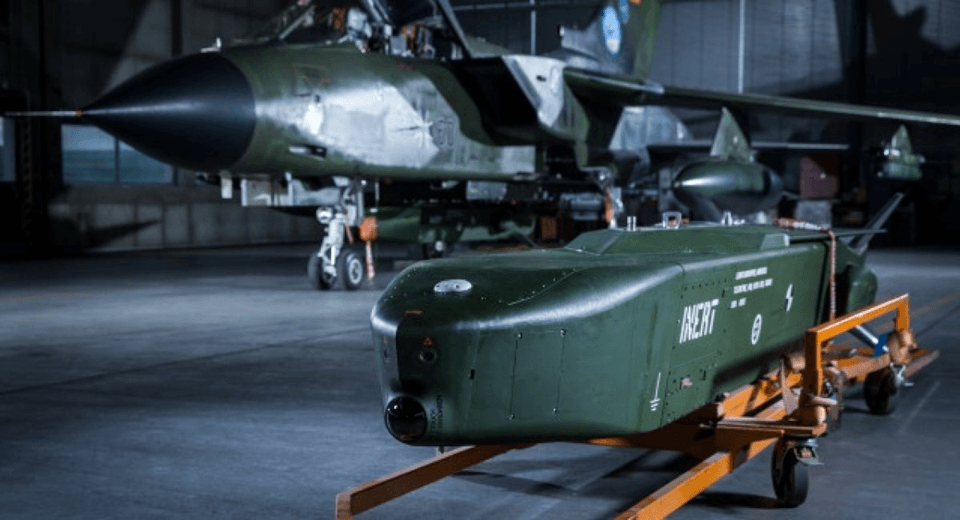
The most notable change is the engine. The Taurus currently uses the Williams P8300-15 turbofan engine (USA). For the Taurus Neo, the engine is expected to be replaced with a more efficient model to increase range by approximately 15–20%. Initially, this option prioritized a variant for Japan, but sources indicate that Germany is accelerating the configuration for its domestic Taurus Neo with a choice from AeroDesignWorks GmbH (ADW). By eliminating dependence on American engines, Washington's export control barriers could be eased, paving the way for smoother transfers in the future.
| Category | Information by source |
|---|---|
| Investment to start production | Approximately 400–500 million euros |
| Engine | Replace P8300-15 with the new option (ADW). |
| Increase firing range | Approximately 15–20% |
| Expected price | Approximately 3.5 million euros per fruit. |
| Earliest shipping date | 2029 |
However, this is not an immediate solution for Ukraine. Germany has not yet delivered Taurus missiles due to limited quantities and a production line that has been shut down for many years; the first batch of Taurus Neo missiles will not arrive until 2029 at the earliest. In the short term, Taurus Neo carries more long-term strategic significance for Europe than it does as an immediate weapon for the battlefield.
Fundamentally, Taurus is a long-range ground-attack cruise missile developed by Germany and Sweden, with a range of over 500 km, subsonic speed, and terrain-following flight to reduce detectability. Its independent guidance system, combining inertial guidance and terrain-matching, maintains accuracy even under jamming. The two-stage MEPHISTO warhead is optimized for penetrating hardened targets such as bunkers and underground shelters.
B-52 tests AN/APQ-188 AESA radar.
The U.S. Air Force has entered the flight testing phase of the AN/APQ-188 radar as part of the Radar Modernization Program (RMP) for the B-52. On December 11, Boeing delivered the first B-52 with the new radar configuration to the U.S. Air Force. Following integration and technical testing in San Antonio, the aircraft flew to Edwards Air Force Base (California) for ground testing and is scheduled to enter service in 2026.
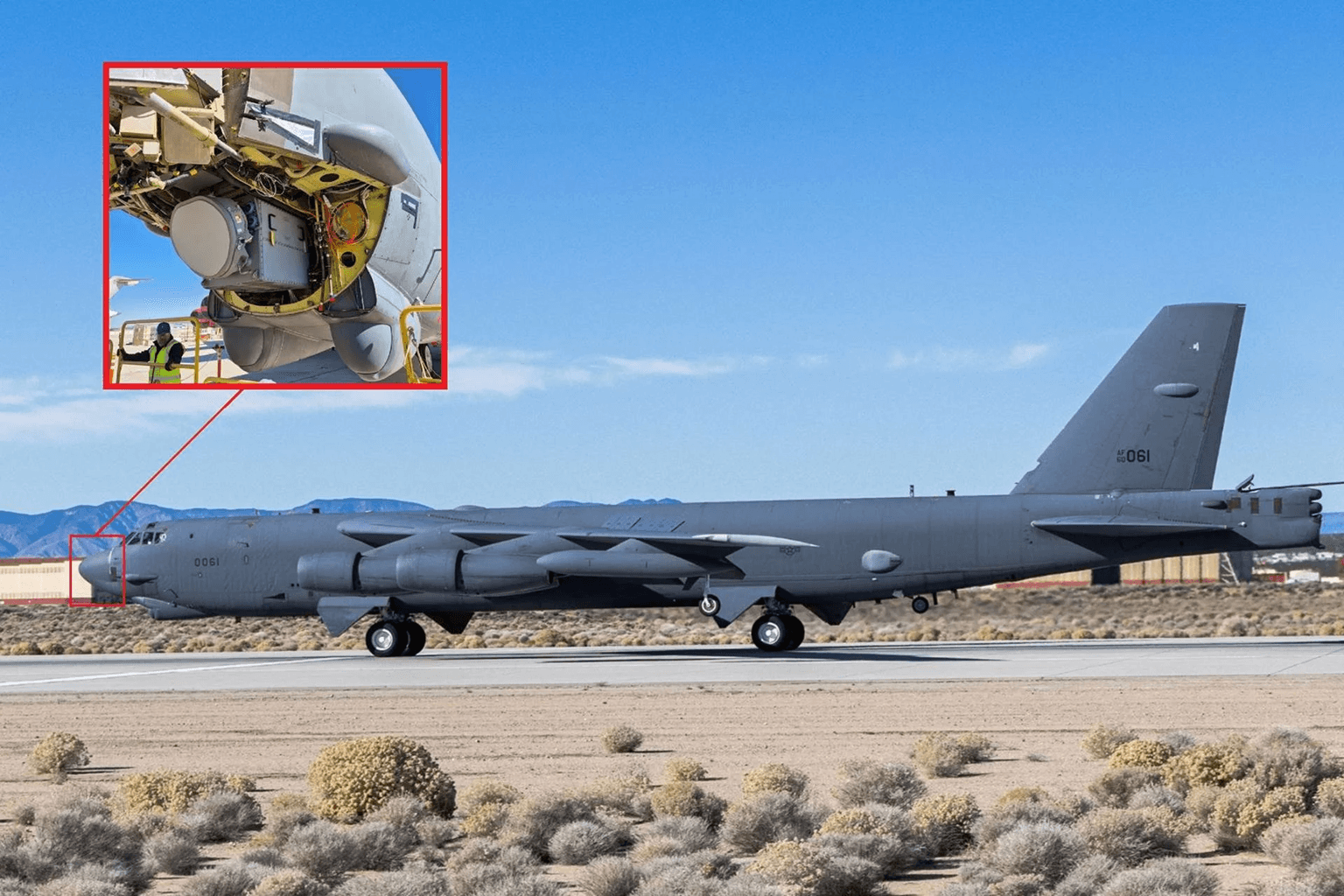
The active electronically scanned array (AESA) radar allows for faster processing, improved accuracy, and sustained combat capability in all weather conditions compared to older mechanically scanned radars. The upgrade package includes a high-resolution display at the navigator's position, a fighter-style control stick, and an improved cooling system to reduce crew strain and ensure stability in both hot and cold environments. Changes to the nose of the aircraft indicate significant structural and electrical-electronic modifications to synchronize the new sensors with the existing airframe.
In terms of combat operations, the AN/APQ-188 radar is expected to help B-52 crews develop situational awareness more quickly, shorten target lock-on time, and increase survivability in jammed environments. This is a crucial foundation as the B-52 increasingly assumes the role of a long-range weapons launcher, supporting the maintenance of the US strategic deterrence capability until the 2050s.


