
Hakone and Kazo: A journey of healing during the autumn foliage season.
In November and December, Hakone and Kazo are in their most beautiful season: take a boat trip on Lake Ashi, check in at Heiwa no torii, admire the pampas grass in Sengokuhara, stroll through Kazo Hanasaki Water Park, and relax in the onsen.
In the final days of the year, as the cool breeze sweeps across the slopes, Hakone and Kazo are bathed in warm golden hues. For Ms. Nham – a Vietnamese woman who has lived and worked in Japan for nearly 10 years – this is a journey to find peace: drifting gently on Lake Ashi, standing before Heiwa no torii, walking amidst the reeds of Sengokuhara, soaking in an onsen, and then discovering the slow pace of life in Kazo.
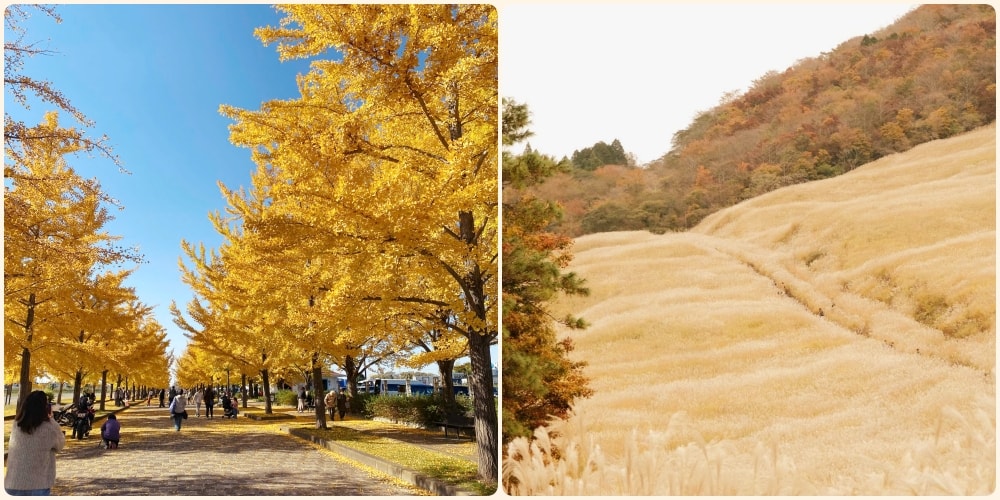
Hakone: the blue lake, the red temple gate, and the last patches of pampas grass in the season.
In November, the weather in Japan changes: cool, pleasant, and the scenery is vibrant and inviting. Hakone becomes romantic and pristine, especially around Lake Ashi – where the emerald-green water reflects the clouds and sky.
Hakone Shrine in Kanagawa Prefecture, bordering Tokyo, is a popular destination, attracting approximately 2 million domestic and international visitors each year. The Heiwa no torii (Peace Torii Gate) extending over the lake creates an iconic image that has gone viral on photo-sharing platforms.
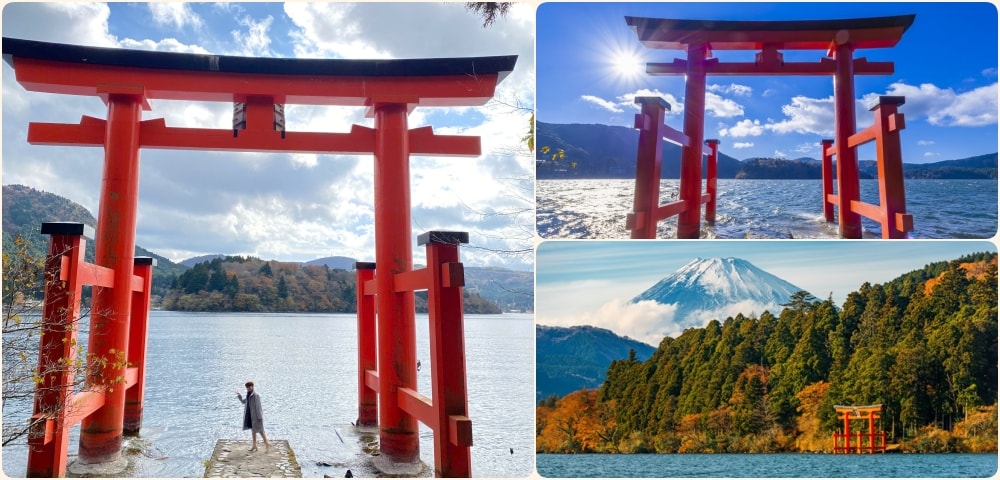
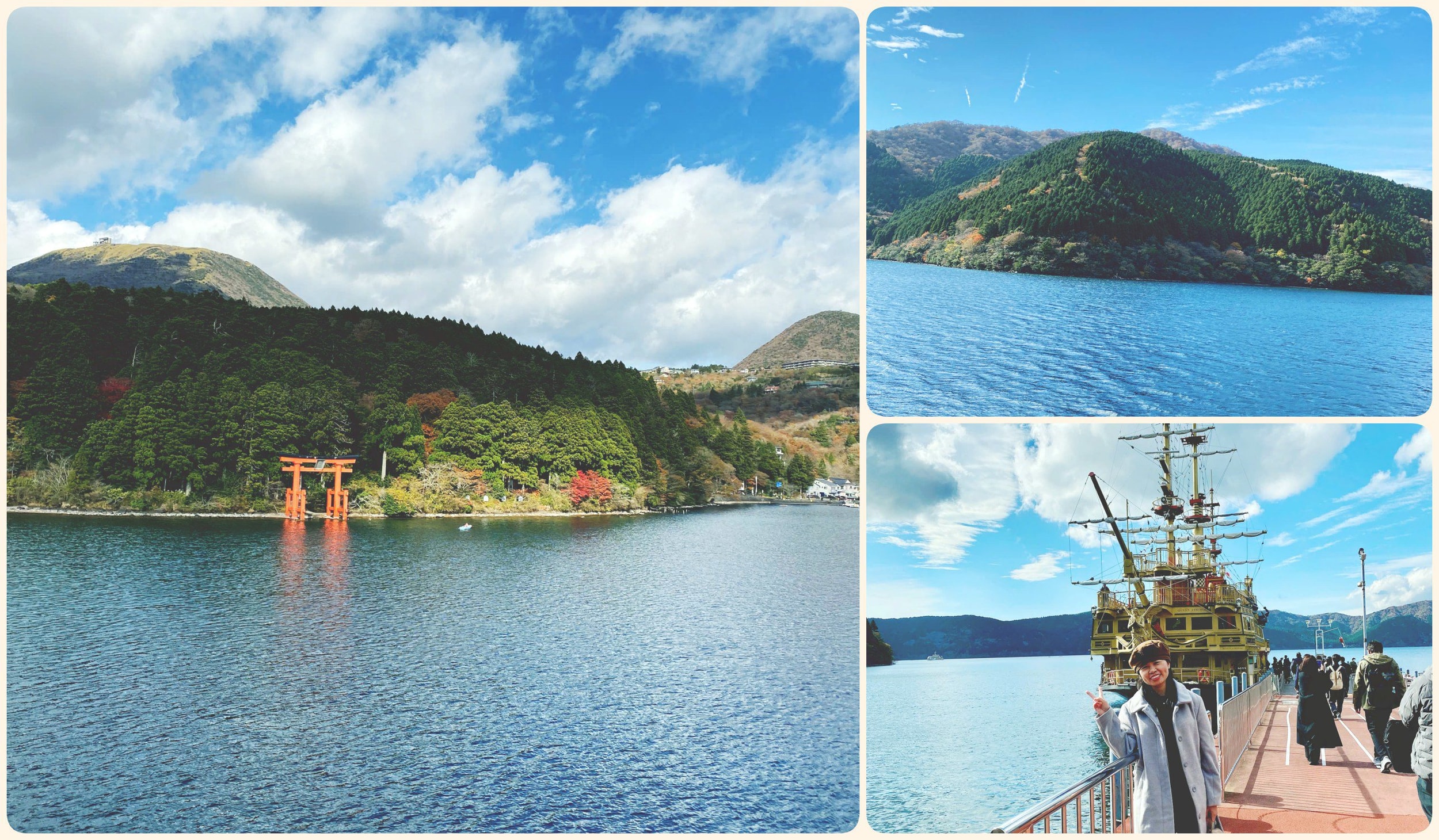
From the boat gliding leisurely across Lake Ashi, a serene scene unfolds: the clear blue water and the majestic red temple gate. Along the journey, Mount Fuji and the countless mountains in the distance evoke a sense of awe at the vastness of nature.
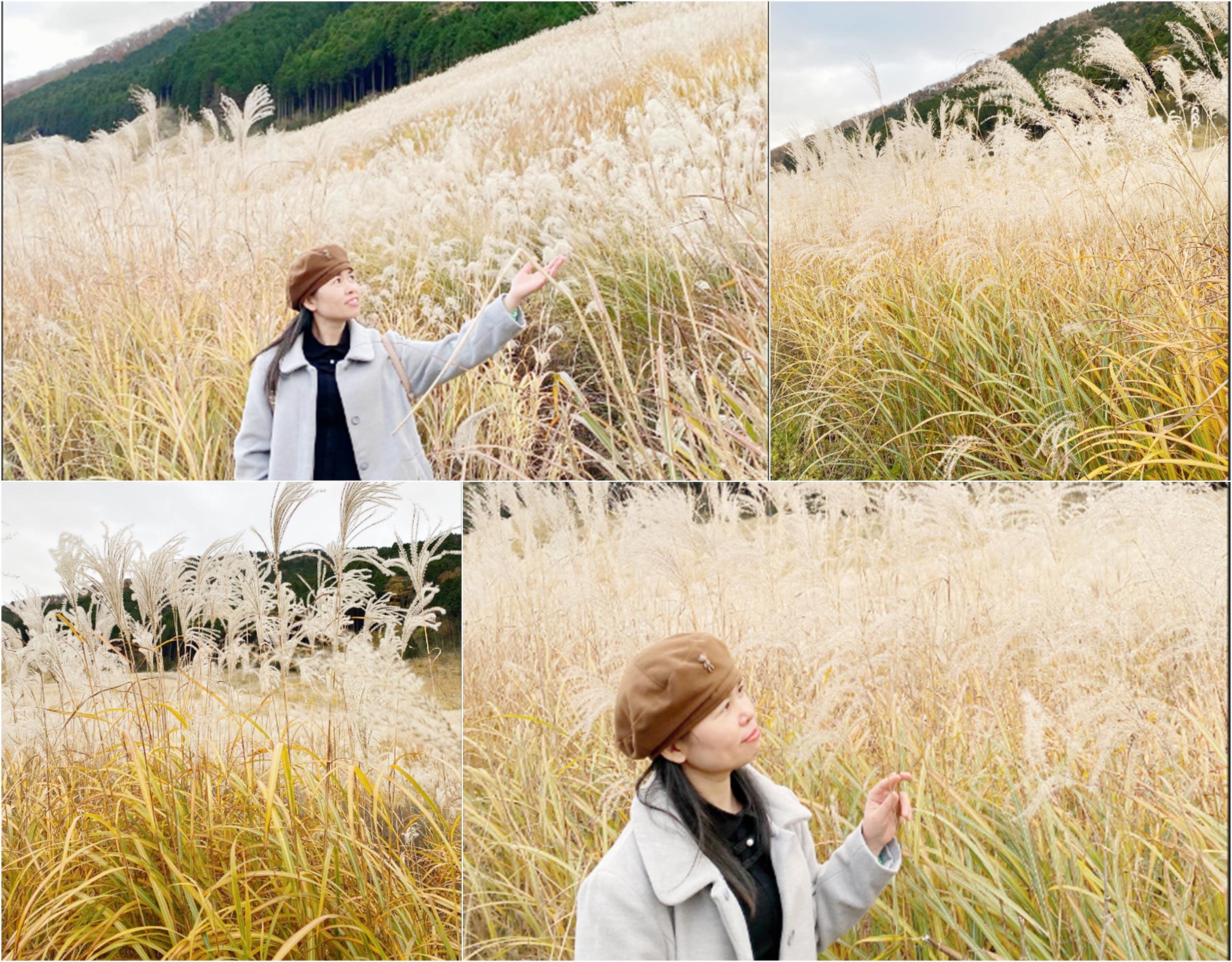
Sengokuhara: the season when pampas grass blooms
In late autumn transitioning into winter, the Sengokuhara plateau enters the season of pampas grass (susuki). In the morning, a thin layer of dew glistens on the grass in the sunlight; as the sun rises, a golden hue spreads across the vast mountain slopes.
Onsen: Warmth amidst the mountains of Hakone
After years of work, the feeling of "relaxation" is most evident in the waters of an onsen. Onsen are a centuries-old tradition of bathing in natural hot springs in Japan. In Hakone, amidst the tranquil mountain scenery, soaking in the hot mineral springs gently soothes stress.
Kazo: A slow pace of life in shades of yellow.
Leaving the majestic beauty of Hakone, Ms. Nham made her way to Kazo – a peaceful little town in Kanagawa. Without any famous landmarks, Kazo captivates with its slow pace of life and quiet streets.
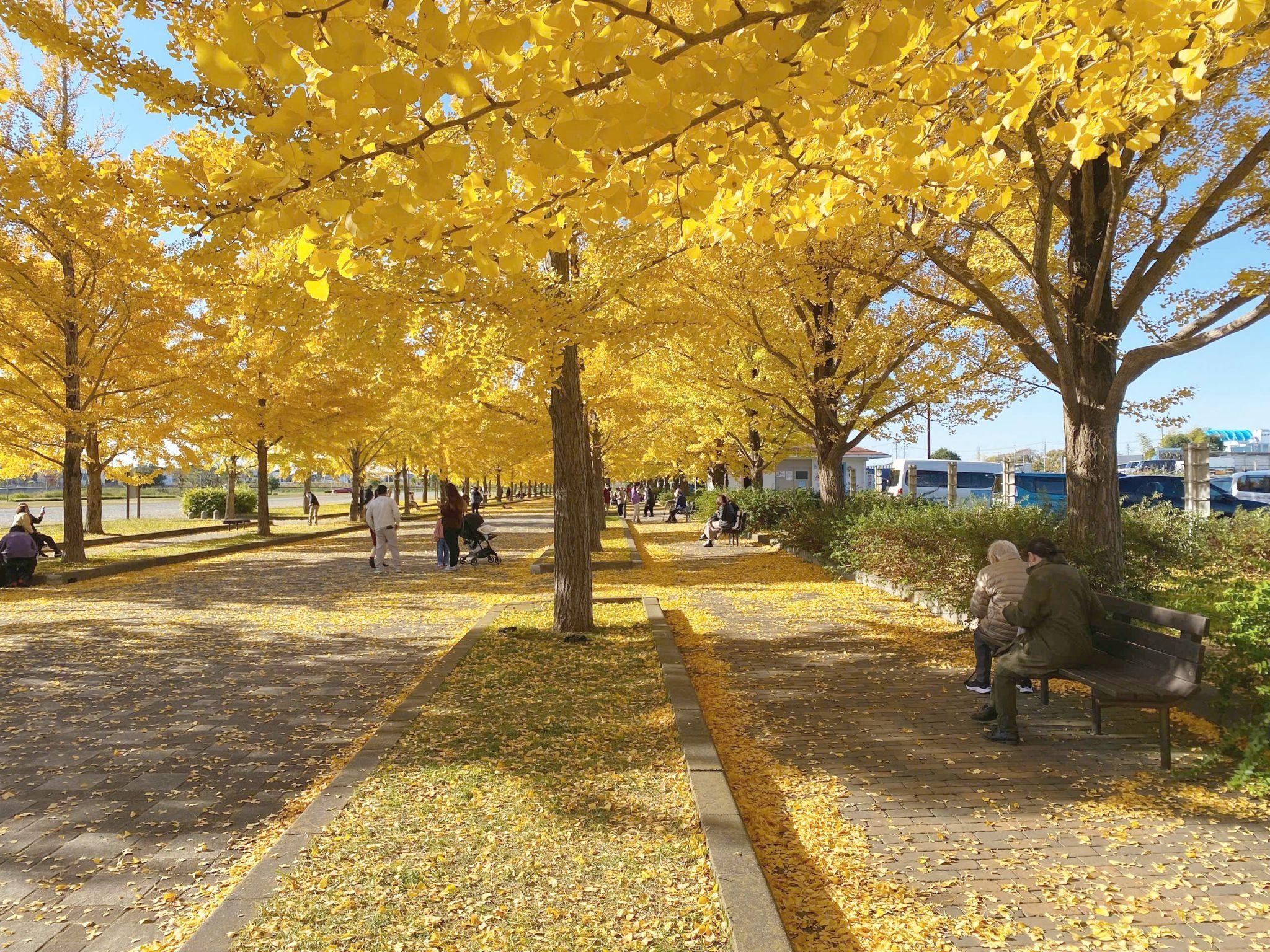
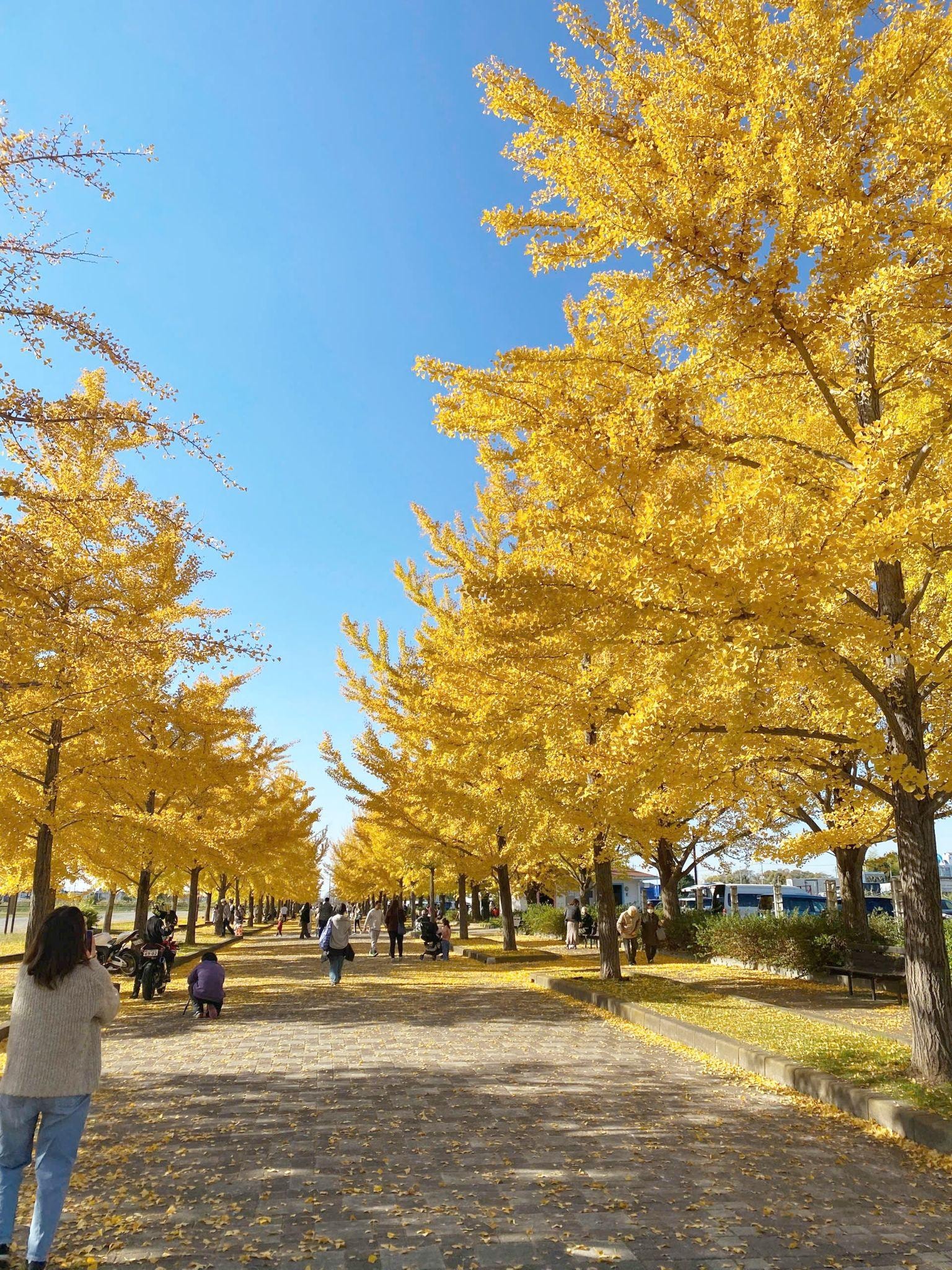
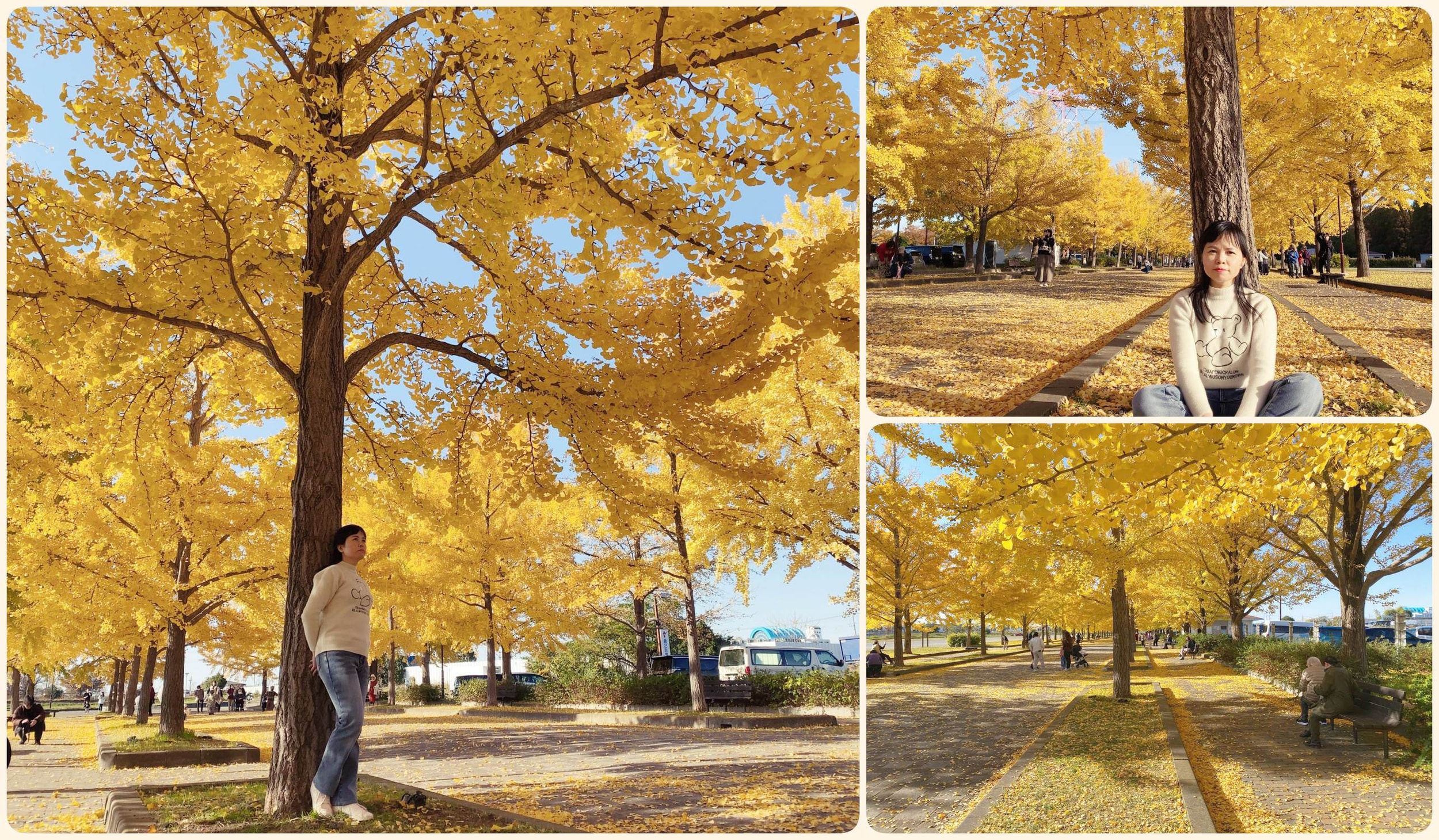
Kazo Hanasaki Water Park is a memorable stop. During the changing seasons, the area around the park transforms into a fairytale land overflowing with golden leaves. "Walking amidst the carpet of golden leaves, I could clearly feel the fresh air; the scenery was truly breathtaking," shared Ms. Nham.
Practical information and suggested experiences.
- Ideal time to visit: November-December, when the weather is cool and the scenery is vibrant.
- Hakone: Take a boat trip on Lake Ashi, photograph Heiwa no torii (a traditional Japanese paulownia tree), admire Mount Fuji along the way; stroll through Sengokuhara plateau during the pampas grass season; relax in an onsen (hot spring).
- Kazo: Take a stroll in Kazo Hanasaki Water Park during the autumn foliage season; wander along the quiet paths to experience the slow pace of life.
- Weather note: There is a light mist in Sengokuhara in the morning, and the sun shines more brightly in the golden light.
For those far from home, the journey through Hakone and Kazo is not just a trip, but also a moment of quiet reflection to recharge with positive energy, ready for the coming new year – 2026.


