
Counterfeit and imitation goods flood rural markets during Tet (Lunar New Year).
As the Lunar New Year of the Horse 2026 approaches, taking advantage of the increased consumer demand, many individuals are flooding the market with counterfeit, imitation, substandard, and unbranded goods, affecting the health and rights of consumers.
Counterfeit and unbranded goods "flood" rural markets.
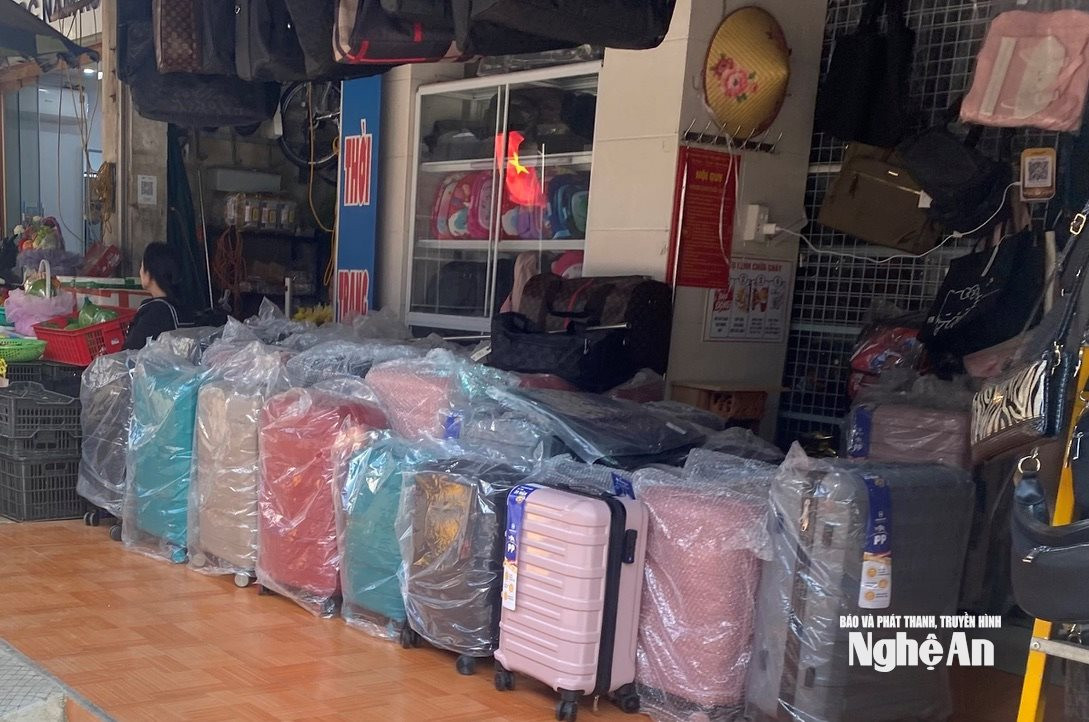
In the days leading up to Tet (Lunar New Year), visiting the remote villages of Nghe An province reveals a significant increase in the amount of goods brought in to serve the local people. Stalls selling electrical appliances, food, clothing, and household goods are densely packed, offering a wide variety of goods at different price points. However, this abundance also raises concerns about the quality and origin of the goods.
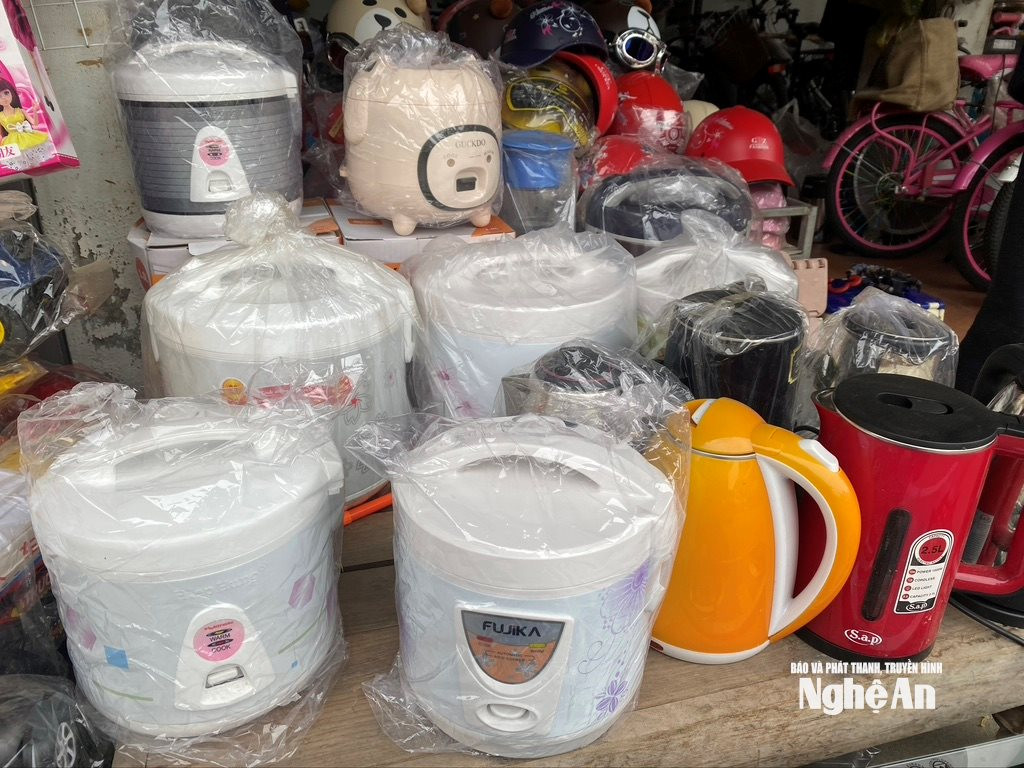
At an electrical appliance store in Hoa Binh market, Tuong Duong commune, electric rice cookers are the most commonly sold item, such as those labeled Fujika, Cooc, etc. Prices are quite reasonable, ranging from 300,000 to 500,000 VND per unit, but most lack warranty stickers, labels indicating full information about their origin, and the required CR compliance sticker. When asked, the salesperson simply stated: "Just buy it, rest assured, it's a good product."
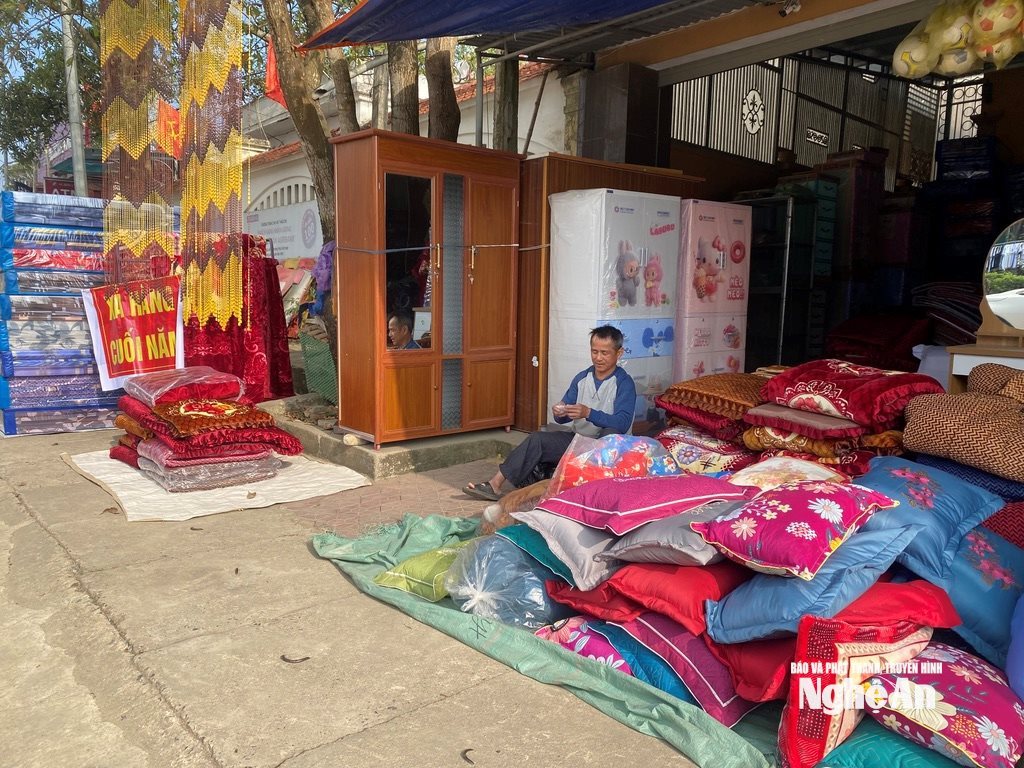
Also in the Hoa Binh market area, it's not difficult to find stalls selling bedding at "unprecedentedly cheap" prices. A velvet blanket costs only 150,000 VND, and mattresses cost 250,000-300,000 VND each. When asked about the origin, the sellers only give vague answers like "factory-made goods." Despite numerous warnings about counterfeit and fake goods, many consumers still buy them because of the desire for cheap prices. Ms. Vi Thi Minh from Lau village, Tuong Duong commune, said: "We buy the cheap mattresses because we don't know where they are produced."
Not only household appliances, but also imported liquor – a popular gift item during Tet (Lunar New Year) – poses many risks. Along Hieu Market in Thai Hoa Ward, several shops display a variety of liquors such as Chivas 18, Mottura, Don Na… with prices ranging from 400,000 to 1.6 million VND per bottle. According to the sellers, all of these liquors are "imported goods," meaning there are no invoices or legal documents proving their origin.
Furthermore, many food items lack clear origins. At Phu Dien market (Dien Chau commune), it's easy to find sausages, beef sausages, and pork sausages packaged in flimsy containers, without labels, production information, or expiration dates. When questioned, some stall owners still claim the products are "of guaranteed quality," but they cannot provide any documentation proving their origin.
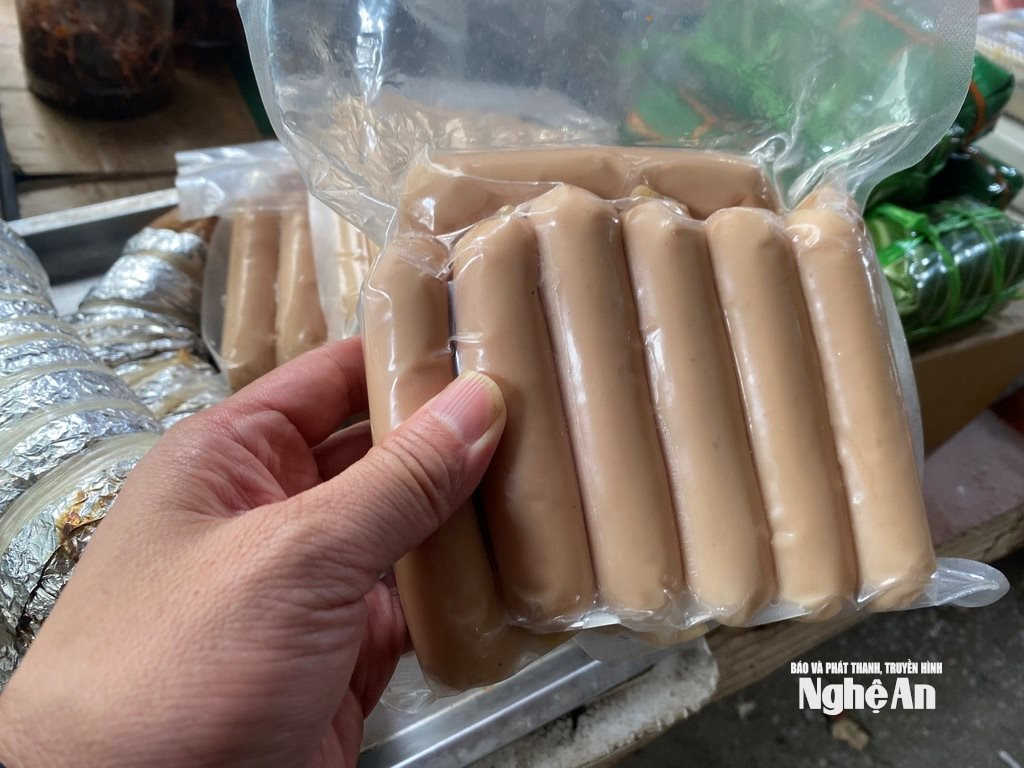
Many consumers, due to their preference for low prices, accept buying unbranded products.
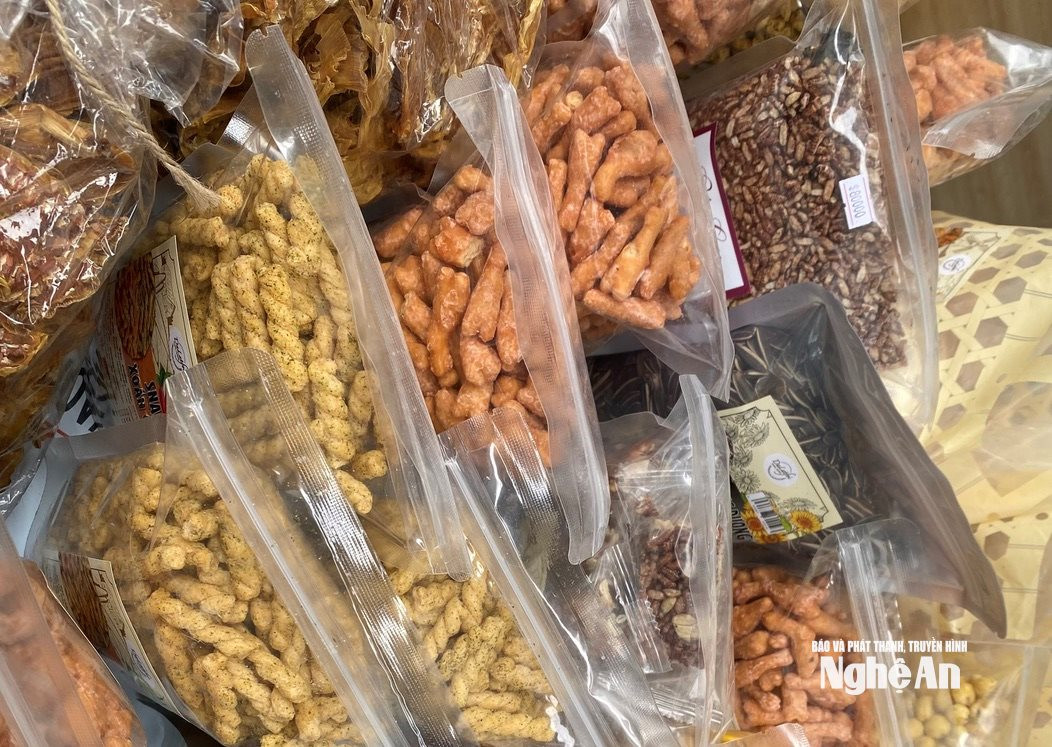
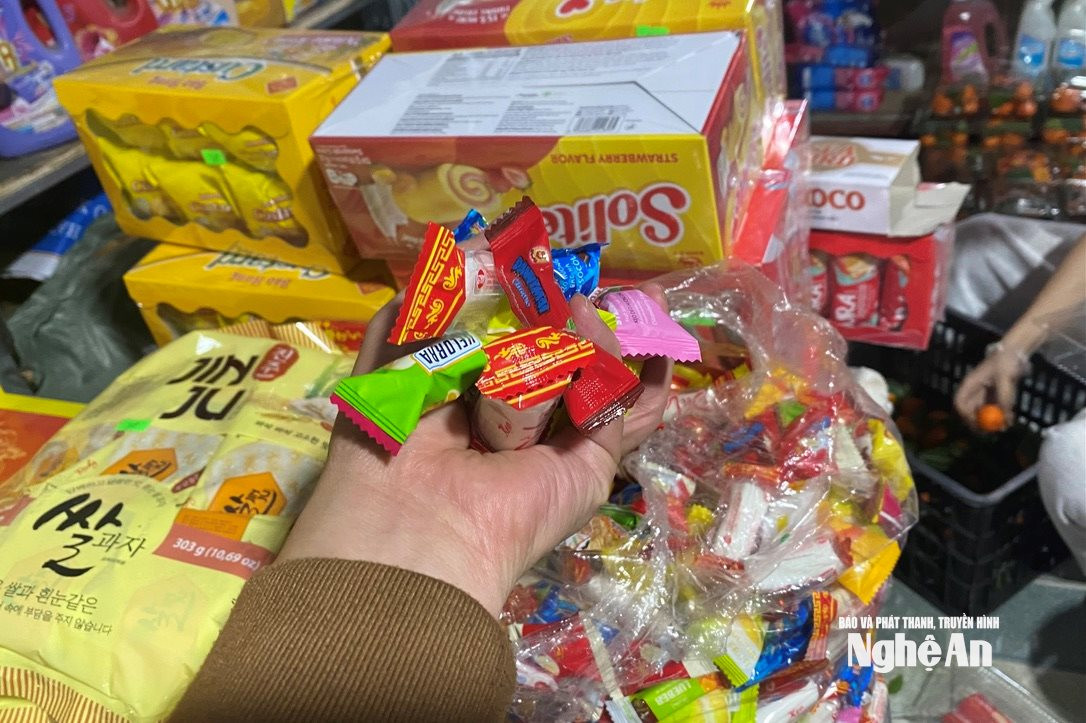
At Roc Market (Quan Thanh commune), the sale of "three-no" food products (no origin, no expiration date, no labeling, no labeling, no expiration date, no labeling) is rampant. Many types of candies, jams, dried nuts, etc., without origin information, expiration dates, or labels are sold indiscriminately. The goods are mostly packaged in plastic bags or trays, without listing ingredients or place of production. Despite the potential food safety risks, these items still attract buyers because of their low price, only about 40,000–50,000 VND/kg, which is affordable for many local residents.
Strengthen inspections.
Mr. Nguyen Xuan Don, Deputy Head of the Nghe An Market Management Department, said: "Given the complex situation of counterfeit and illegally sourced goods, the Nghe An Provincial Market Management force has intensified inspections, controls, and handling of many violations."
During the intensified campaign against smuggling, trade fraud, and counterfeit goods from December 25, 2025, to February 10, 2026, the provincial market management force conducted inspections in 107 cases, handled 106 violations, and collected over 575 million VND in fines. This included over 304.6 million VND in administrative fines and over 270.6 million VND in confiscated goods.
The Steering Committee 389 of Nghe An province is establishing three working groups to strengthen inspection and supervision of the fight against smuggling, trade fraud, and counterfeit goods on key routes and areas.
In addition, Nghe An is focusing on strengthening the Steering Committee 389 at all levels, especially in communes and wards – where violations directly occur – to promptly handle administrative violations.
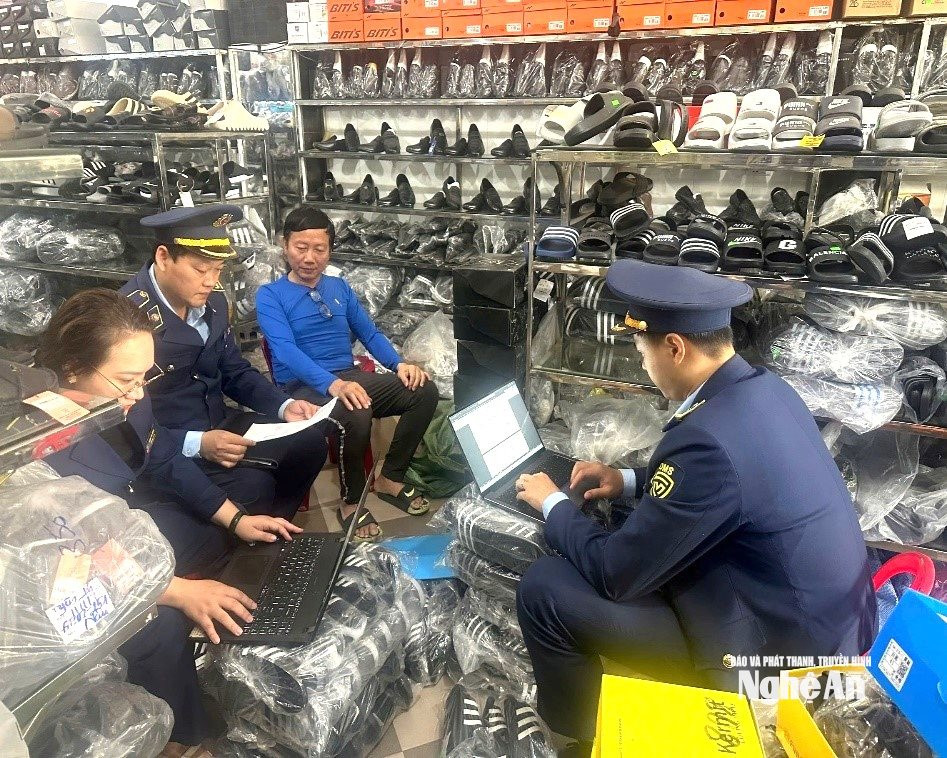
In addition to inspection and control work, the province is implementing three key groups of solutions: diversifying forms of disseminating legal information to the people and businesses; organizing the signing of commitments to comply with legal regulations with organizations and individuals engaged in production and business in the area.
Law enforcement agencies also focus on effectively gathering intelligence and identifying the methods and tactics used by perpetrators, especially new and sophisticated ones.
Inspection and control work at major border gates such as Nam Can International Border Gate, seaports, Thanh Thuy Border Gate, as well as other secondary border gates, crossings, and border trails, continues to be strengthened to promptly prevent smuggling and illegal transportation of goods, drugs, and firecrackers across the border, contributing to maintaining market stability and social order and safety in the province.

However, to effectively and sustainably combat counterfeit goods, a coordinated effort is needed between authorities, businesses, and consumers, with the public playing an active role in saying no to infringing products. Strengthening public awareness campaigns to change the habit of favoring cheap goods and raising awareness about product origin and quality is crucial. Simultaneously, businesses need to control quality, establish reasonable prices, and expand their distribution networks to bring genuine products closer to consumers, contributing to building trust and developing a sustainable market.


